
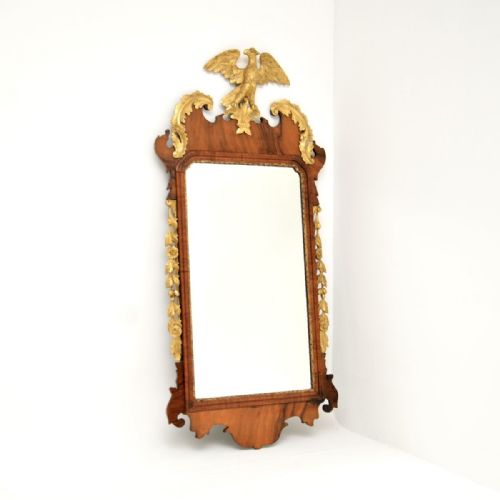
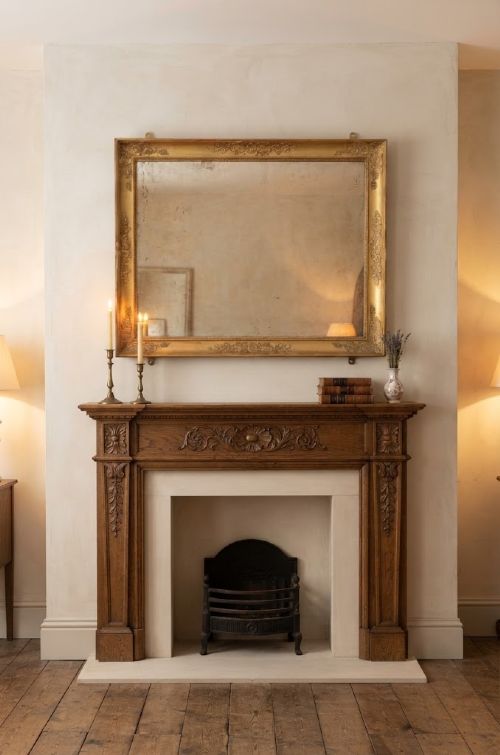
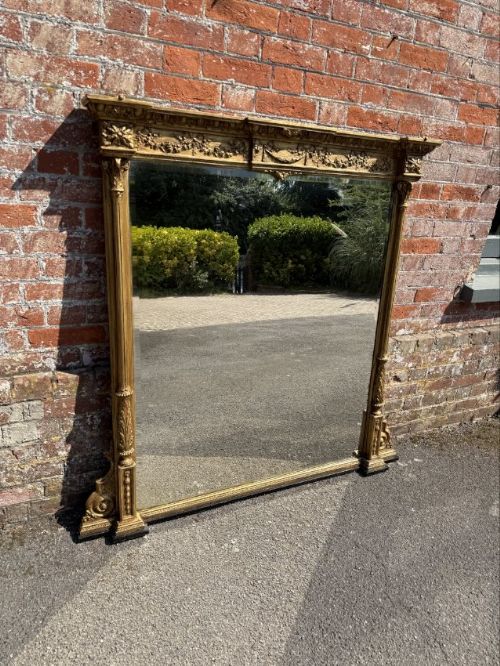
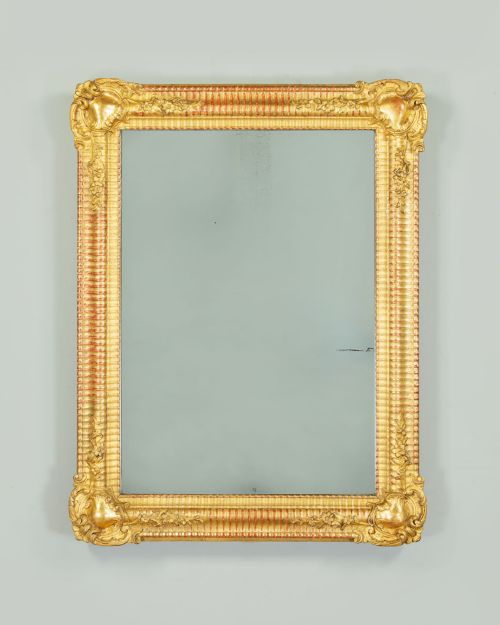



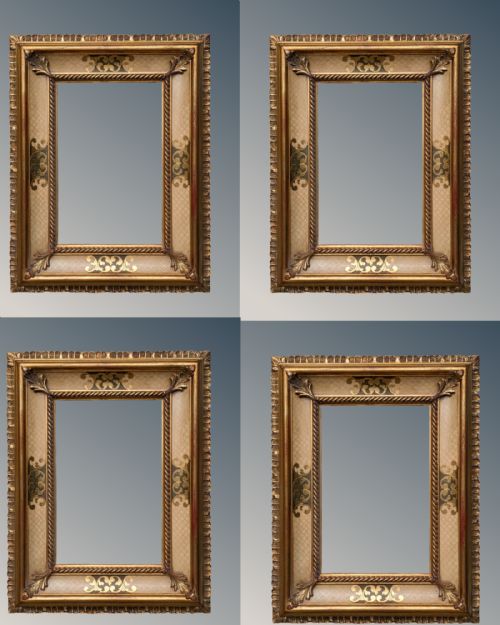
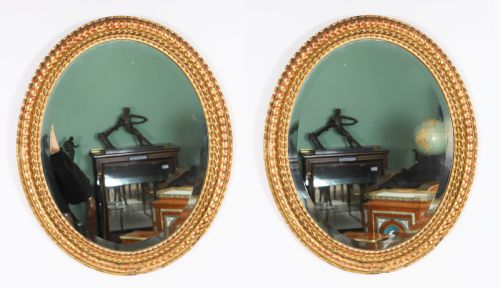


Gold Leaf Wooden Mirror
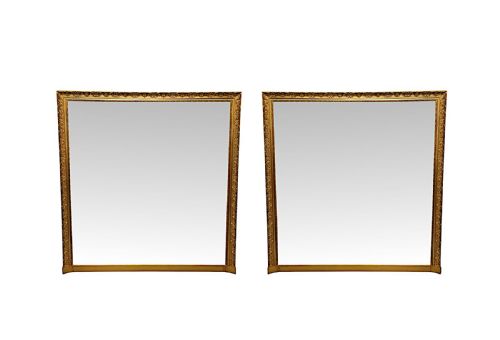
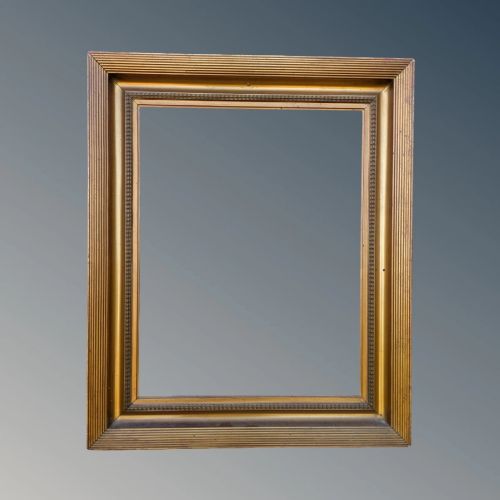
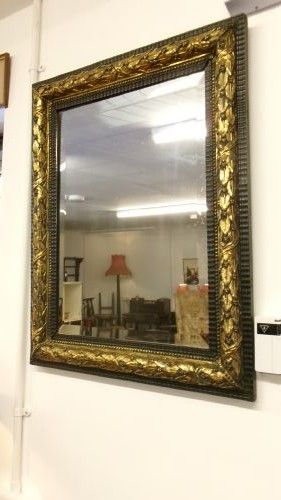
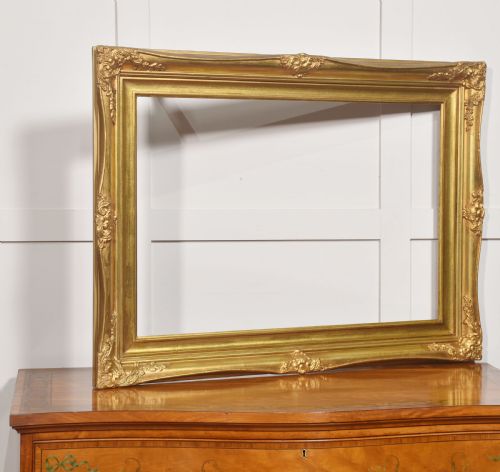
These gold leaf wooden mirror pieces combine carved timber frames with reflective glass, bringing warmth and historical character to a room.
Gold Leaf Wooden Mirror
When you search for a gold leaf wooden mirror, you encounter wall mirrors, overmantel mirrors, and picture frames spanning from the eighteenth century to the twentieth century. The selection includes grand architectural overmantels alongside smaller wall-hanging and table mirrors created in various regional styles.
British and continental European workshops produced these works across multiple design movements, notably Victorian, Georgian, and French Rococo Revival. Pieces range from simple rectangular timber frames to elaborate carved shapes featuring floral motifs and mythological carvings.
Materials and Construction
Craftsmen built the underlying structure using timber such as mahogany, oak, and birds eye maple, shaping the wood through carving and joinery. Over this wooden base, artisans often applied layers of gesso to prepare a smooth, receptive surface for gilding.
Fine gold leaf or metal leaf was then meticulously laid over the prepared gesso and carved details to achieve a brilliant metallic finish. Mirror glass was set within these frames, sometimes accompanied by brass mounts or ebonised accents.
Several pieces incorporate secret shelves or brackets, offering unexpected display spaces alongside their reflective glass.
Distinctions in Standard
The depth and crispness of the hand-carved wood ornamentation define the upper tier of these pieces, showing sharp undercut details rather than soft, moulded contours. The quality of the gesso application beneath the gilding determines how well the surface catches and reflects light over centuries.
Original glass plates with historic silvering distinguish untouched examples from later replacements. The integrity of the underlying timber frame and the skillful application of gold leaf further separate standard decorative items from works of notable craftsmanship.
The Gold Leaf Wooden Mirror Glossary
- Giltwood
- Wood that has been coated with gold leaf or gold paint. This finish creates a luminous metallic surface characteristic of many antique frames.
- Gesso
- A plaster mixture applied to wood frames to provide a smooth base for gilding. It allows carvers to achieve fine relief details.
- Overmantel Mirror
- A large mirror designed to hang specifically above a fireplace mantel. These pieces often dominate a room and reflect light across the space.
- Parcel Gilt
- A technique where only specific portions of a wooden object are gilded, leaving other areas of natural timber exposed.
- Rococo Revival
- A nineteenth-century design style emulating the ornate, asymmetrical curves and shell motifs of the French eighteenth century.
Gold Leaf Wooden Mirror: Frequently Asked Questions
Where should an overmantel mirror hang?
These large mirrors traditionally sit directly above a fireplace mantel to anchor the room's proportions and bounce light throughout the space. They also function effectively on principal walls in reception rooms where their scale creates a distinct focal point.
Ensure the wall fixings match the substantial weight of these timber and glass pieces. Secure mounting to structural studs or masonry prevents shifting over time.
How do I clean a giltwood frame?
Dust the carved wooden surfaces gently with a soft, dry brush to remove particles without disturbing the fragile gold leaf layer. Avoid liquid cleaners, harsh chemicals, or abrasive cloths that can strip the historic finish.
Professional conservators should handle any deeper cleaning or repair work on flaking gesso or damaged gilding. Gentle maintenance preserves the original patina of the piece.
What defines a French Rococo Revival mirror?
These pieces feature asymmetric scrollwork, organic curves, and detailed carvings of floral or shell motifs reminiscent of eighteenth-century French design. The frames are typically constructed from wood coated in gesso and finished with gold leaf.
Originating largely in the nineteenth century, this style revives earlier royal aesthetics with dramatic, flowing lines. They bring a decorative, ornate presence to modern and traditional interiors alike.
How can I tell an older mirror from a later reproduction?
Examine the construction joints, the backing boards, and the nature of the wood to understand the age of the frame. Hand-cut elements and aged patination on the timber offer clues to the period of manufacture.
Mirror glass itself often shows subtle foxing, minor distortions, or uneven silvering in older examples. These natural signs of ageing distinguish historic glass from modern float glass.