



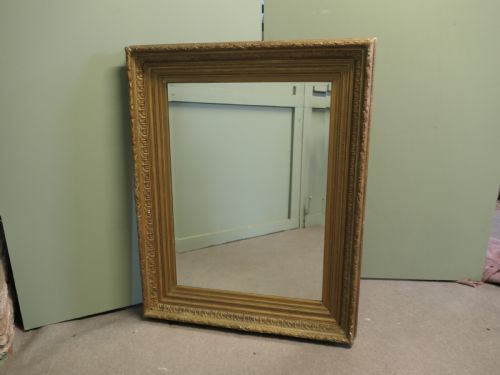

19th Century Accent Mirror
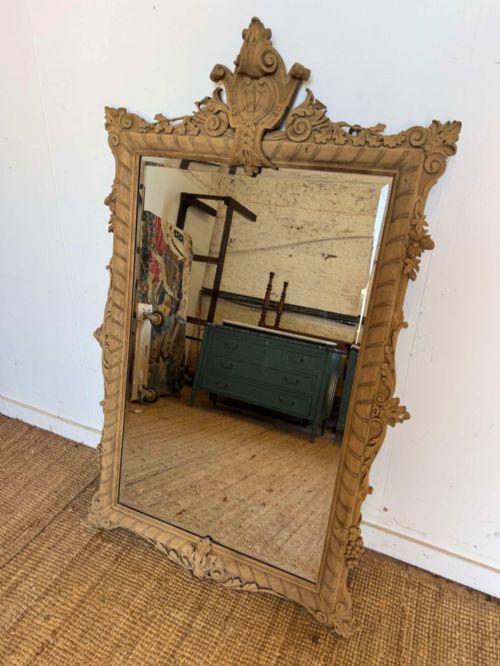
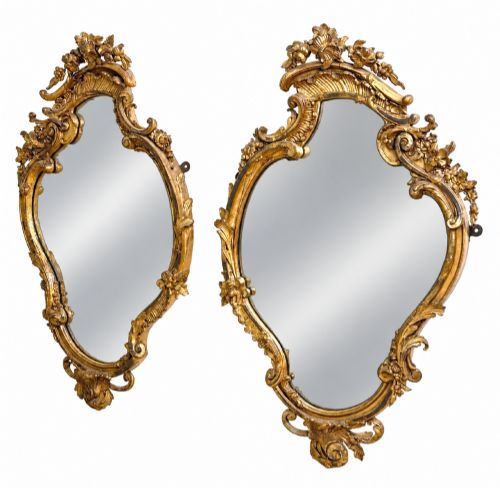
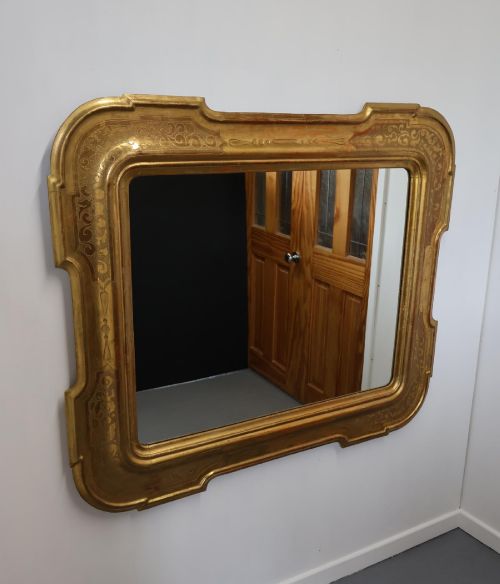
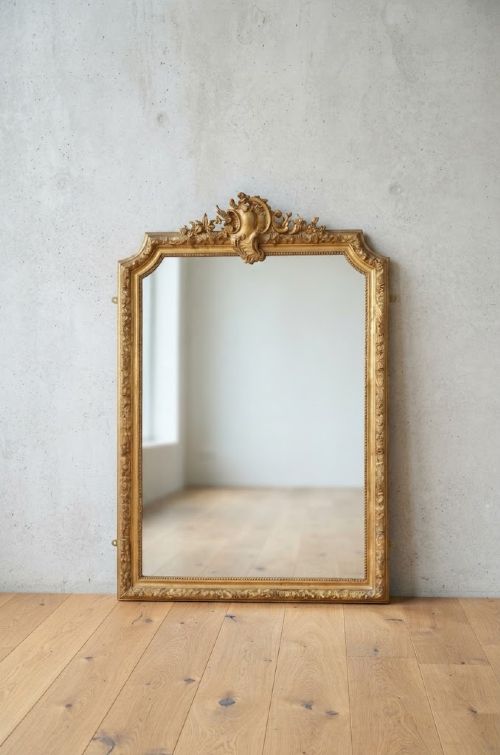
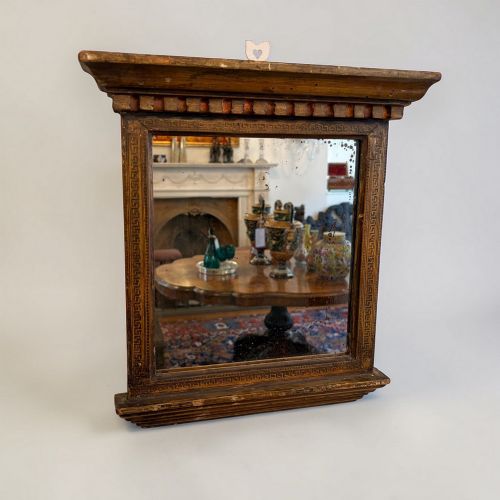
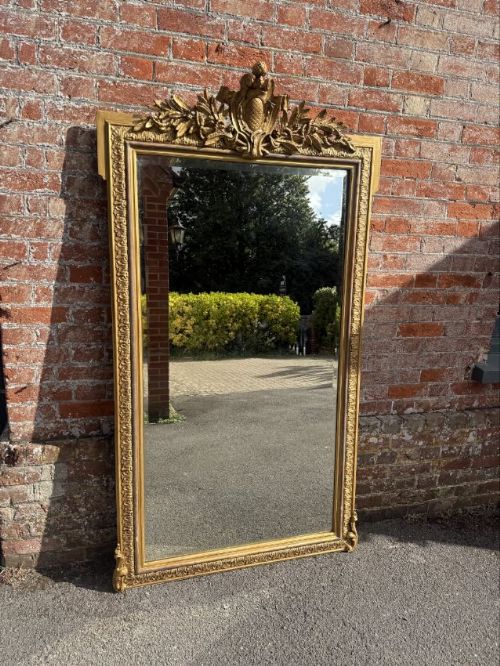
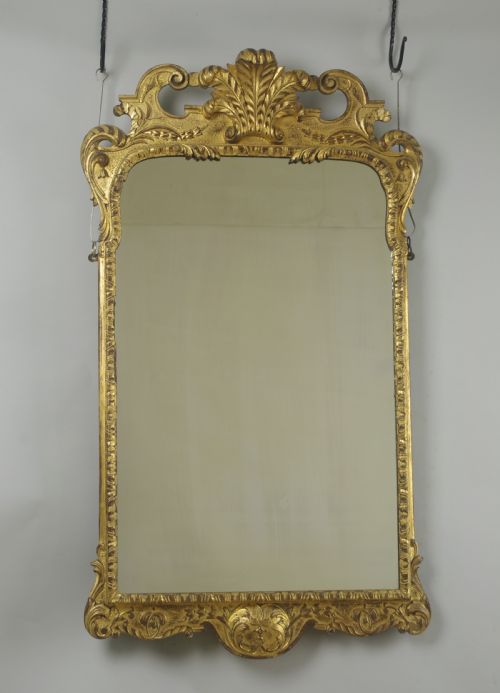
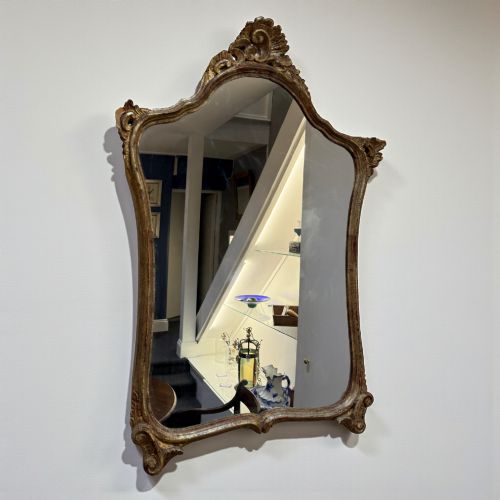
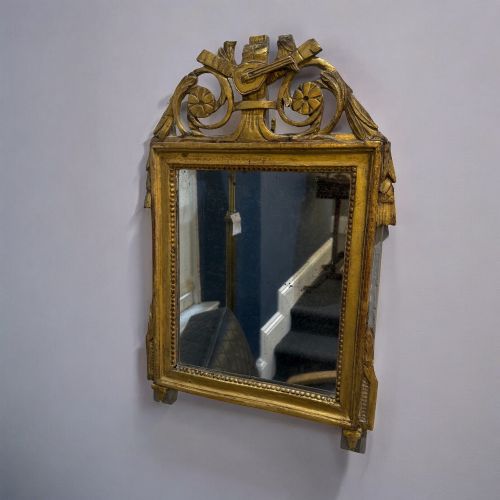
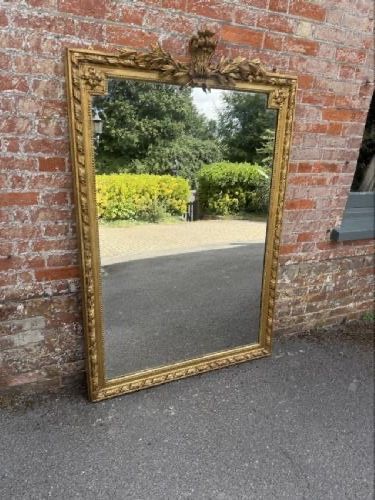
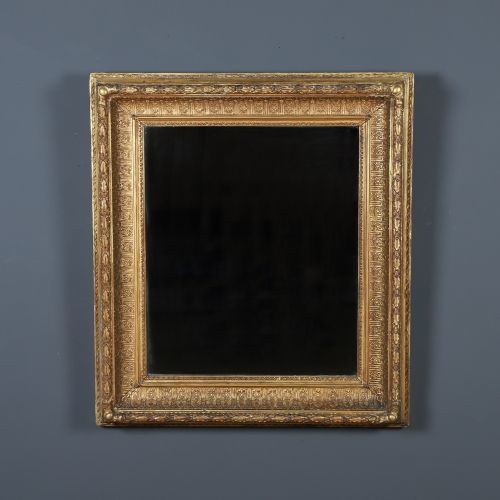
A 19th century accent mirror brings remarkable depth and historic character to a room through gilded surfaces and carved wooden frames.
19th Century Accent Mirror
When searching for a 19th century accent mirror, buyers encounter a diverse selection of wall-hanging pieces spanning the Victorian and Regency eras. These objects range from compact convex hall mirrors to large, ornate overmantels designed to anchor a principal room.
The aesthetic leans heavily toward revival styles, with French Rococo, Italian Florentine, and classical French Empire designs appearing frequently across the inventory. Makers of the period drew upon earlier historical motifs, translating them into giltwood, carved wood, and gesso wall furnishings.
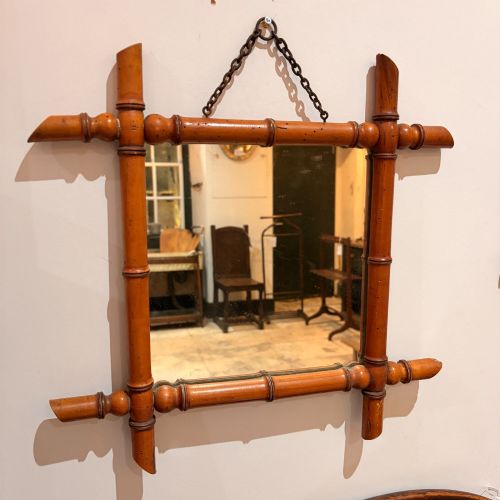
Beyond standard wall mirrors, the category encompasses pier mirrors built to sit between windows, console tables paired with matching frames, and decorative marginal mirrors. Oak, mahogany, and faux bamboo frames provide alternative textures to the dominant gilded surfaces.
Materials and construction methods
Frames rely primarily on carved wood, gesso, and giltwood, utilising gold leaf or applied gilt to achieve a brilliant metallic sheen. Gesso is moulded over carved wooden substrates to form elaborate scrollwork, shell motifs, and floral detailing.
Mirror glass is set within these heavy frames, occasionally taking the form of convex plates that project panoramic reflections into the interior space. Brass and bronze elements also appear in select frames, adding a cast metallic finish to the construction.
19th Century Accent Mirror Retail Price Guide 2026
Typical asking prices for 19th century accent mirror among the pieces listed under this phrase on Sellingantiques today, from the lower quarter to the upper quarter. They describe what is for sale here now, not the wider market.
Listings feature periods spanning the entire 19th century, including Regency, Victorian, and late-period Rococo Revival aesthetics.
Factors that separate examples
Quality reveals itself in the crispness and depth of the carved wood and gesso ornamentation. Superior pieces exhibit hand-carved intricacy where leaves, scrolls, and shell motifs retain sharp relief beneath the layers of gilding.
The integrity of the original mirror glass and the preservation of the gilding dictate the overall standard of an example. Signs of age on the glass plate and minimal restoration to the wooden substrate indicate a well-preserved piece from the period.
The 19th Century Accent Mirror Glossary
- Giltwood
- Wood that has been coated with gold leaf or a gold-coloured finish. This surface treatment defines the bright, reflective appearance characteristic of many period frames.
- Gesso
- A plaster-like mixture applied to wood frames and carved or moulded into decorative relief before gilding. It provides the smooth base needed for intricate ornamental details.
- Convex mirror
- A round mirror with a curved glass surface that reflects a wide, distortion-rich view of the room. These pieces often feature spherical balls set into the outer frame.
- Overmantel mirror
- A large mirror specifically designed to hang above a fireplace mantelpiece. They frequently incorporate arched tops and substantial proportions to fill the wall space.
- Pier mirror
- A tall, narrow mirror made to hang on the wall space between two windows. They often coordinate with console tables placed directly beneath them.
19th Century Accent Mirror: Frequently Asked Questions
How do I hang a heavy giltwood mirror?
Heavy period mirrors require robust wall fixings secured directly into masonry or structural studs. Professional installers use mirror plates or heavy-duty brackets to distribute the substantial weight safely.
Checking the stability of the wooden frame before hanging ensures the historic joinery supports the vertical load without placing stress on the mirror glass.
What is a convex mirror used for?
Convex mirrors were historically placed in hallways and reception rooms to monitor activity across a wide angle. Their curved glass gathers light from multiple directions, brightening darker interior spaces.
In contemporary settings, they function primarily as focal decorative points that introduce unusual perspective and depth to a wall.
How do I clean antique mirror glass?
Cleaning requires a soft microfiber cloth and a mild, ammonia-free glass cleaner applied sparingly to the cloth rather than directly onto the glass. This prevents moisture from seeping behind the silvered backing or damaging the surrounding frame.
Care must be taken around the edges of the plate, where historic silvering is often fragile and susceptible to flaking.
Can I place these mirrors in a bathroom?
High humidity and fluctuating temperatures in bathrooms can damage historic gesso, gilding, and wood joinery. These delicate materials respond poorly to excessive moisture, which accelerates the deterioration of the silvered glass backing.
Dry interior rooms with stable climates offer the most suitable environment for preserving 19th-century mirrors.