



Vintage Bamboo Glass
These vintage bamboo glass pieces bring organic texture and reflective light into a room, combining natural materials with practical surfaces.
Vintage Bamboo Glass
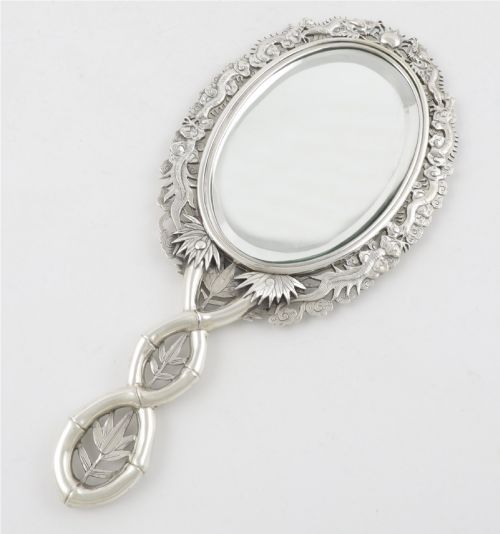
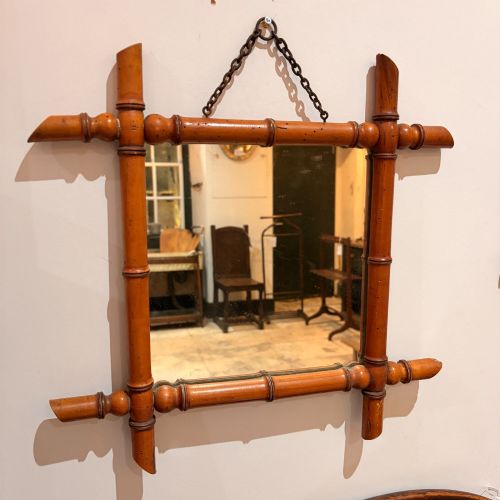
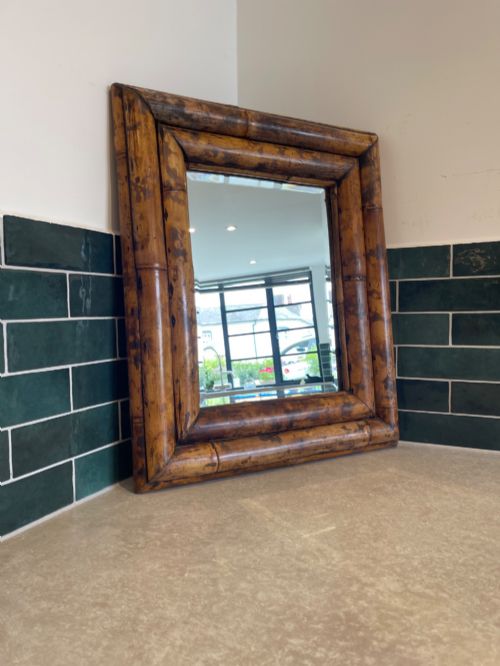
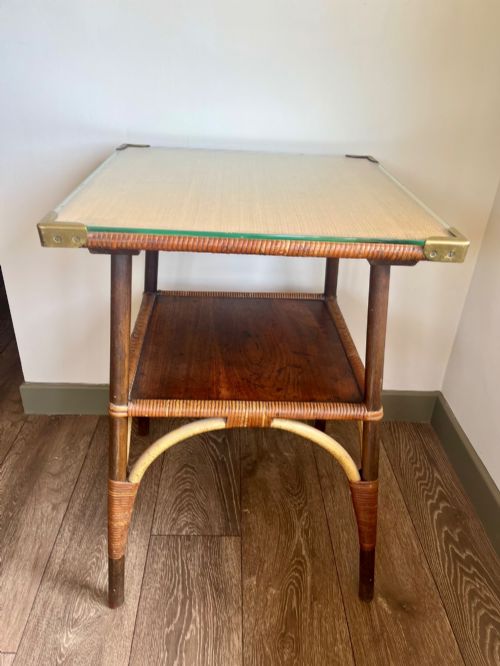
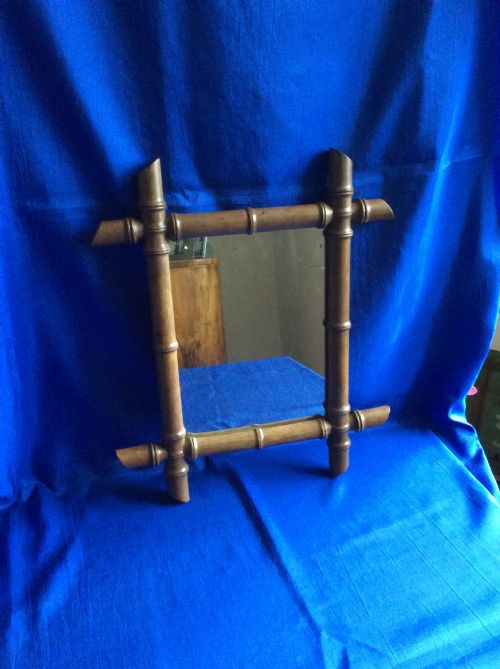
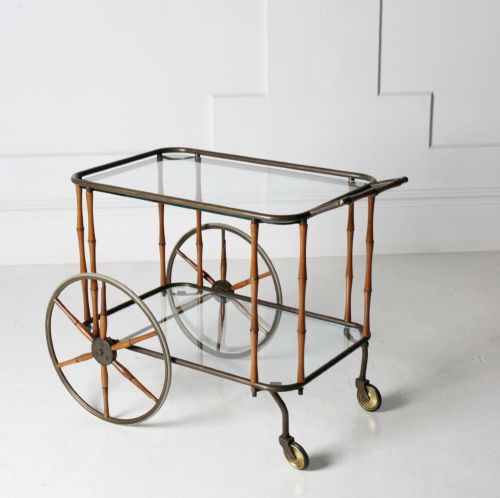
When you search for vintage bamboo glass, you encounter a selection of mirrors, tables, cabinets, and glassware sets spanning the Victorian period through to the mid-twentieth century. The mirrors and furniture frequently employ faux bamboo framing alongside timber, brass, and mirror glass.
The objects on this page originate from English, French, and Chinese workshops, showcasing varied influences from the Aesthetic Movement to Hollywood Regency and Art Deco. These pieces serve functional roles in contemporary interiors while retaining their distinct period characteristics.
How these pieces were constructed
Maker techniques combine traditional woodworking with specialised metalwork and glass production, utilising cane, timber, brass, and cut crystal. Furniture frames often feature turned or carved wood shaped to mimic natural bamboo stalks.
Mirrors integrate bevelled mirror glass within fitted frames, whilst glassware sets combine moulded or cut crystal with silver plate elements to achieve a durable finish.
Vintage Bamboo Glass Retail Price Guide 2026
Typical asking prices for vintage bamboo glass among the pieces listed under this phrase on Sellingantiques today, from the lower quarter to the upper quarter. They describe what is for sale here now, not the wider market.
Makers once went to great lengths to carve ordinary timber so thoroughly that even the little node rings of bamboo were faithfully replicated.
What distinguishes superior examples
Quality rests in the precision of the framing details, particularly how convincingly the wood emulates natural bamboo and the crispness of the joinery. Superior examples maintain intact surface finishes and clear, unblemished mirror glass or crystal.
Design attribution to established workshops or distinct stylistic movements elevates an item, separating standard utility pieces from more decorative expressions of Chinoiserie or the Aesthetic Movement.
Maison Jansen·Dryad Leicester
The Vintage Bamboo Glass Glossary
- Faux bamboo
- Wood that has been turned, carved, or painted to imitate the jointed stems of natural bamboo. This technique was widely utilised during the Victorian era and the Aesthetic Movement.
- Aesthetic Movement
- A late nineteenth-century design current that emphasised visual beauty over narrative subject matter. It heavily influenced furniture design through Japanese and Chinese motifs.
- Cut crystal
- High-clarity glass decorated by cutting facets or patterns into the surface using a wheel. It appears frequently on tableware and glassware sets from the nineteenth century onwards.
- Silver plate
- A thin layer of silver applied to a base metal object. This method provided the appearance of solid silver for serving items and decorative baskets.
- Chinoiserie
- European artistic styles reflecting Chinese artistic traditions. It manifests in furniture and decorative cabinets featuring oriental motifs and carved details.
Vintage Bamboo Glass: Frequently Asked Questions
How do I clean faux bamboo frames?
Dust the turned wooden surfaces gently with a soft, dry cloth to protect the finish. Avoid harsh chemical cleaners that might strip the original polish or paint.
For glass elements, use a mild glass cleaner applied to a cloth rather than sprayed directly onto the surface near the wooden frame.
Are these glass items suitable for daily use?
Many of the items, such as the drinks trolley and glassware sets, remain fully functional for modern entertaining. Handle cut crystal and older glassware with appropriate care.
Mirrors and display cabinets serve their original decorative and storage purposes effectively within contemporary living spaces.
How do I identify Victorian pieces?
Victorian examples often display characteristics of the Aesthetic Movement or French Victorian styles. Look for turned faux bamboo timber and traditional joinery methods.
Consult the listed period details to cross-reference stylistic markers with the estimated date of manufacture.
What rooms suit these items?
Mirrors and occasional tables fit well in hallways, living rooms, and bedrooms, adding reflective light and organic texture. Drinks trolleys and cabinets suit dining spaces or home bars.
The varied styles, from Art Deco to Chinoiserie, allow them to complement both traditional and modern interiors.