





Turned Wood Wall Mirror
A turned wood wall mirror brings warmth and character to a room, offering rich grain and honest construction that mass-produced frames simply lack.
Turned Wood Wall Mirror
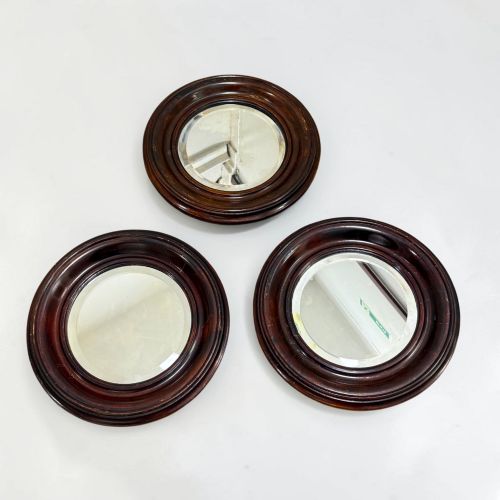
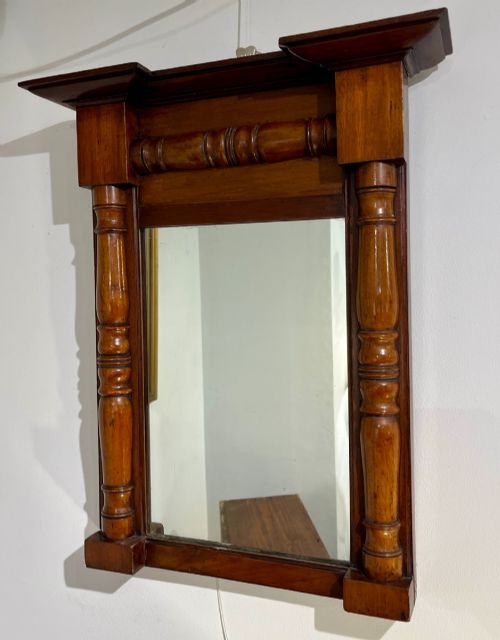
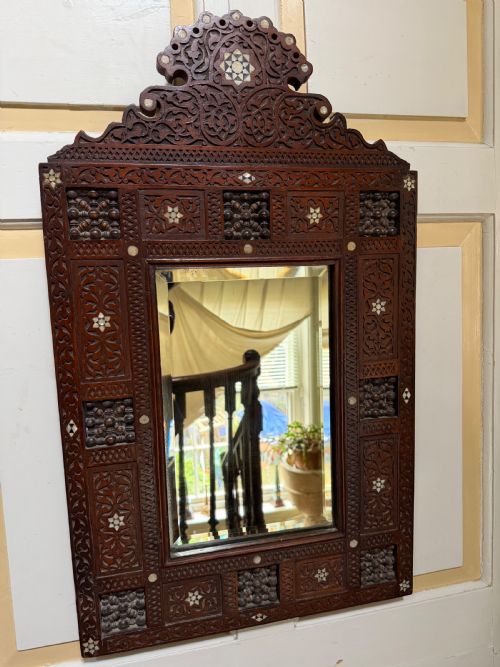
When you search for a turned wood wall mirror, you encounter pieces designed to reflect light and expand interior spaces while showcasing traditional joinery. The examples gathered here span from the nineteenth century into the early twentieth century, taking forms such as pier mirrors, overmantles, and simpler hanging frames. Many adopt styles associated with the Victorian era, Regency revivals, and French provincial tastes, often using turned elements to create rhythm along the frame.
The most common interpretations on this page rely on mahogany and beech, sometimes finished to mimic bamboo or enriched with gesso and gilding. These items served primarily in halls, lounges, and parlours, functioning both as practical looking-glasses and as decorative fixtures. Their origins cross British, French, and Italian workshops, reflecting diverse regional interpretations of classical and vernacular design traditions.
How they were made
Makers constructed these frames predominantly from solid timbers such as mahogany and beech, selecting woods that responded well to lathe work and hand shaping. Turned components were produced by mounting timber on a lathe and cutting decorative profiles into the revolving material, creating consistent spindles, beads, or reedings. Frames often incorporate mirror glass secured within rebate joints, backed by protective panels of wood or metal.
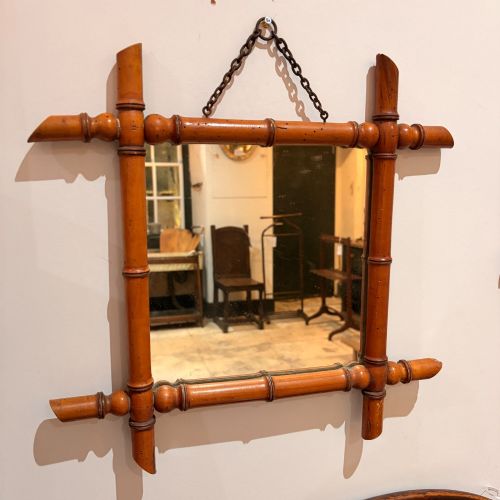
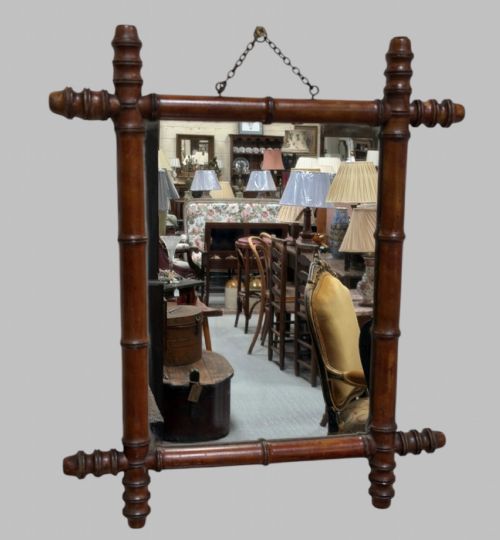
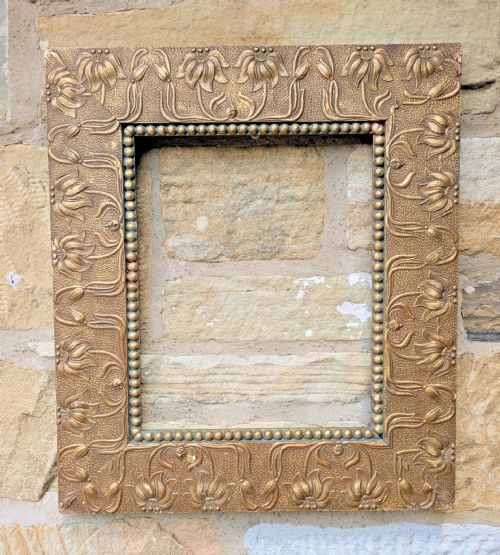
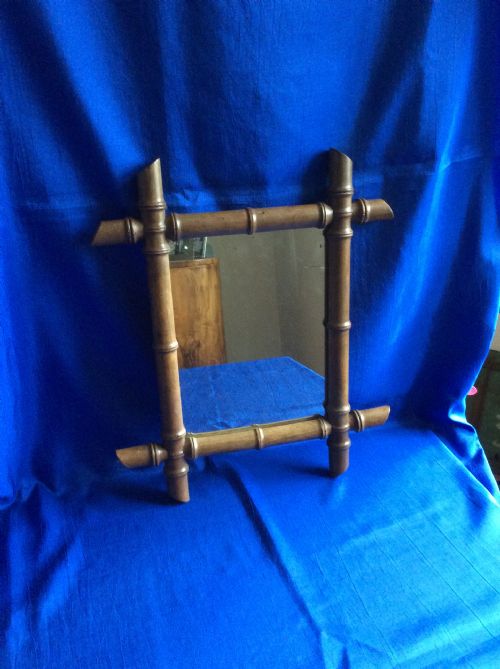
Surface finishes range from polished mahogany displaying natural grain patterns to applied gesso that received metallic leaf or paint. Some pieces adopt faux bamboo finishes, requiring meticulous hand-carving or moulding of wood to replicate the natural nodes and joints of cane. Metal and bone accents occasionally appear as small decorative details or structural pins within the assembly.
Listings for this turned wood wall mirror search feature periods spanning the nineteenth century, Victorian era, and early twentieth century.
What varies in quality
The distinction between ordinary and superior examples lies in the crispness of the turning and the selection of the underlying timber. Finer pieces demonstrate precise, clean lines where spindles and mouldings meet, whereas lesser items show softer profiles and less careful timber selection. The integration of decorative elements, such as gilded gesso or faux bamboo carving, reveals the hand of a more accomplished artisan.
Proportion and structural integrity also dictate the standing of a mirror within its type. A well-balanced frame maintains harmonious relationships between the width of the timber and the dimensions of the glass, utilising robust joinery that withstands centuries of hanging. The quality of the original mirror glass, often showing subtle distortions or foxing in older pieces, further distinguishes the heritage of the object.
The Turned Wood Wall Mirror Glossary
- Pier mirror
- A tall, vertical looking-glass traditionally hung on the pier or wall space between two windows. These pieces often feature substantial wooden frames designed to maximise natural light in a room.
- Overmantle mirror
- A large mirror intended to be hung directly above a fireplace mantelpiece. They frequently span a significant width and serve as the visual anchor of a formal reception room.
- Faux bamboo
- A decorative treatment where wood is carved, turned, or painted to imitate the segmented stalks of real bamboo. This technique gained popularity during various nineteenth-century revivals of exotic design.
- Gesso
- A plaster-like mixture applied to wooden frames as a smooth base for gilding or painting. Artisans built up layers of gesso to carve intricate surface details before applying metal leaf.
Turned Wood Wall Mirror: Frequently Asked Questions
How do I date a turned wood wall mirror?
Dating relies on observing the timber species, the turning style, and the construction methods used in the frame. Nineteenth-century examples often employ solid mahogany or beech with hand-cut joinery and period-appropriate backing materials.
Stylistic cues such as Art Nouveau gilding or faux bamboo details help narrow the period of manufacture. The characteristics of the mirror glass itself, including thickness and bevelling, offer further clues to the age of the piece.
What is faux bamboo furniture?
Faux bamboo refers to wooden items shaped or painted to resemble the natural growth rings and joints of real bamboo cane. This style became fashionable in European interiors during the Victorian era as part of a broader interest in exotic aesthetics.
Craftsmen laboriously turned timber on a lathe to recreate the distinctive nodes of bamboo before applying finishes such as lacquer or japanning. These pieces offered the exotic look of imported cane while utilising sturdy domestic hardwoods.
How do I care for an antique mirror?
Caring for an antique turned wood mirror involves maintaining stable indoor humidity and avoiding direct sunlight to protect the timber and finish. Dusting should be done gently with a dry, soft cloth without spraying cleaning products directly onto the wood or glass.
When cleaning the mirror plate, apply a mild glass cleaner to the cloth rather than the glass to prevent moisture seeping behind the frame. Regular inspection of the hanging wire and fixings ensures the secure support of heavier framed pieces.