



Antique Mirror for Fireplace
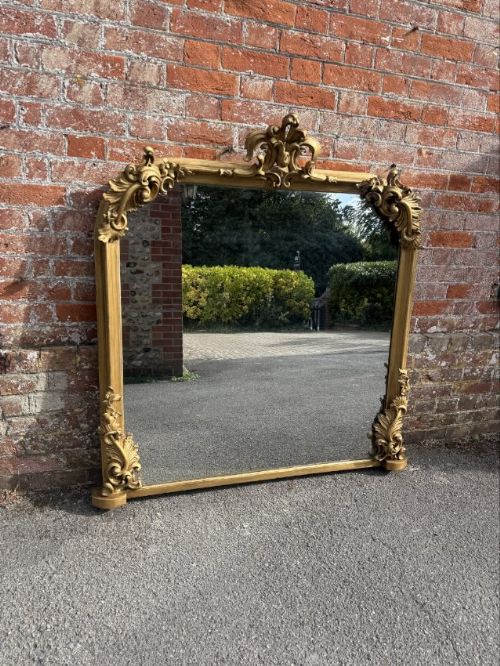
An antique mirror for fireplace use brings scale and reflected light to a room, most commonly found here as a large nineteenth-century overmantel.
Antique Mirror for Fireplace
When searching for an antique mirror for fireplace placement, collectors and decorators encounter substantial wall-hanging pieces designed historically to sit upon the mantelpiece shelf or hang directly above the hearth. These objects dominate the wall space they occupy, typically spanning significant heights and widths to balance the visual weight of a chimney breast.
The predominant form on this page is the nineteenth-century overmantel mirror, spanning periods from the Regency era through the Victorian decades and into nineteen-hundred. English and French workshops produced these grand frames to reflect light from windows into the deeper parts of nineteenth-century drawing rooms and parlours.
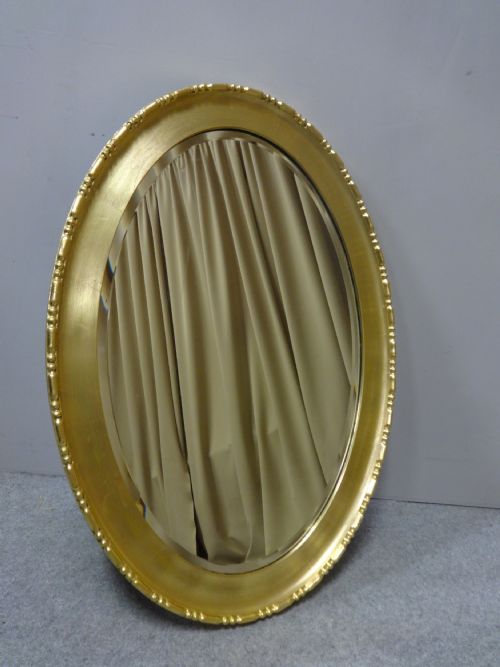
Beyond standard rectangular formats, buyers frequently meet arched tops, serpentine shapes, and triple-plate triptychs. These variations accommodate diverse architectural proportions found in period properties, ranging from low cottage hearths to towering Victorian fireplaces.
How they were made
Maker's workshops built these frames using timber carcase foundations, often applying layers of gesso to sculpt intricate surface details. Artisans then gilded these prepared surfaces using gold leaf or applied composite mouldings for repetitive decorative motifs such as rope twists and ribbed patterns.
Mirror glass of the period was set into these heavy wooden frames, occasionally surviving with original foxing or silvering deterioration that betrays its age. Backboards typically consist of heavy pine planks secured with period fixings, sealing the glass against dust and moisture behind the mantel.
Antique Mirror for Fireplace Retail Price Guide 2026
Typical asking prices for mirror for fireplace among the pieces listed under this phrase on Sellingantiques today, from the lower quarter to the upper quarter. They describe what is for sale here now, not the wider market.
Some Victorian mirrors incorporate whimsical details like Ho-Ho bird crestings and nautical rope twists to surprise guests by the hearth.
What varies in quality
Quality in these large looking glasses rests primarily upon the depth and crispness of the hand-carved woodwork versus standard composition mouldings. Superior examples display deep relief work on crestings and frames, whereas simpler pieces rely on applied paste decoration that lacks sharp definition.
The condition of the gilding and the retention of original mirror plates heavily influence desirability among collectors. Original mercury or early silvered glass panels showing natural ageing sit at the top of the range compared to modern replacement mirror glass.
The Antique Mirror for Fireplace Glossary
- Overmantel
- A large mirror specifically proportioned to hang on the wall directly above a fireplace mantelpiece. These pieces were standard interior furnishings in nineteenth-century homes.
- Gesso
- A plaster-like mixture applied to a wooden frame to create a smooth surface for gilding or to be carved into intricate relief details. It forms the white base layer visible beneath worn gold leaf.
- Giltwood
- Timber that has been coated with gold leaf or gold paint to give a luxurious metallic finish. It reflects fireplace and candle light effectively in dimly lit rooms.
- Foxing
- Small dark spots and speckles within the mirror glass caused by the breakdown of the silvering backing over decades. Many collectors prize this natural sign of genuine age.
- Triptych
- A mirror divided into three separate vertical or horizontal panels within a single frame. This configuration was popular during the Victorian period for wider mantelpieces.
Antique Mirror for Fireplace: Frequently Asked Questions
How do I hang a heavy overmantel mirror?
Due to their substantial weight, these large frames require secure fixings anchored directly into masonry or heavy wall studs above the fireplace. Professional installation is normally recommended to distribute the load safely.
Most period mirrors feature heavy-duty iron rings or brackets screwed into the original wooden backboards or frame structure to support this suspension.
Should the mirror rest on the mantel or hang above?
Historically, many overmantel mirrors were simply stood directly upon the marble or wooden mantelpiece shelf, often secured with small wall straps for safety. This placement allows the frame to anchor naturally against the chimney breast.
Alternatively, hanging the mirror slightly clear of the shelf prevents moisture from the hearth from damaging the lower wooden frame and gesso over time.
How do I identify a Victorian overmantel?
Victorian examples often feature robust carved wood and gesso frames with arched tops, heavy rope twists, or classical column details. Ebonised finishes and parcel-gilding also point toward later nineteenth-century tastes.
Examining the construction of the pine backboards and the type of fixings used behind the frame helps confirm the nineteenth-century production date.
Can I clean original foxed mirror glass?
Original mirror glass with foxing should be cleaned with extreme care using a soft, dry cloth or mild glass cleaner applied sparingly. Avoid harsh scrubbing that might damage the fragile silvering behind the plate.
The speckled oxidation spots are a permanent chemical change within the glass rather than surface dirt, so they cannot be wiped away.