
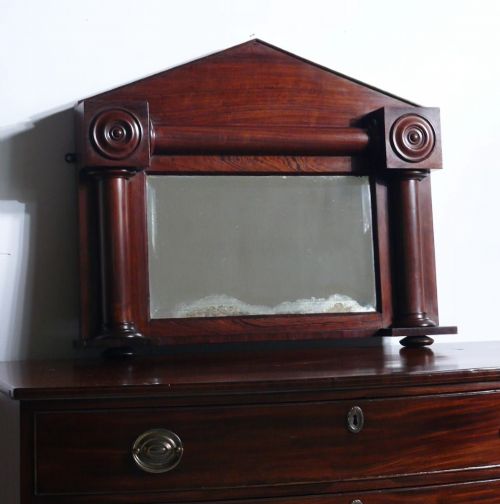


Classical Architectural Mirror
A classical architectural mirror brings monumental proportion and scholarly balance to a room, channelling the timeless geometry of antiquity.
Classical Architectural Mirror
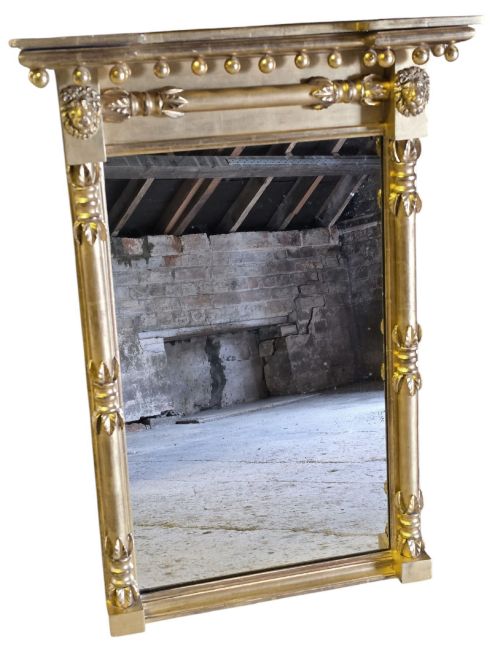
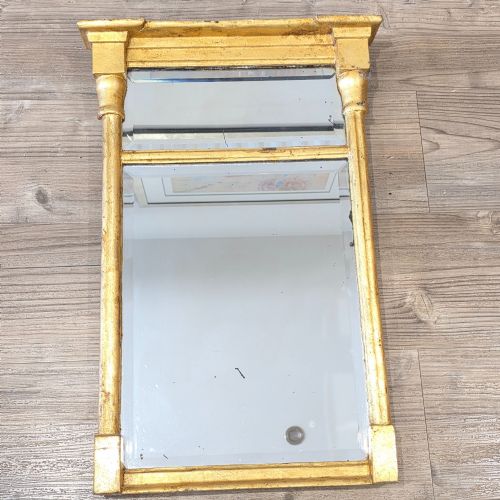
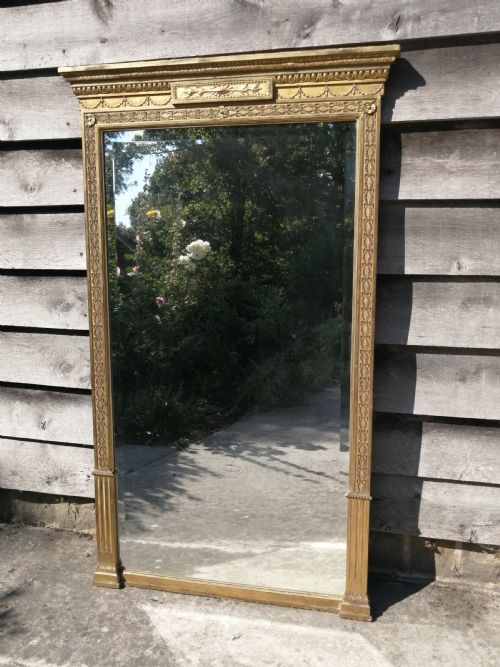
A classical architectural mirror draws upon the vocabulary of ancient building forms, translating pediments, columns, and pilasters into decorative wall furnishings. Buyers seeking this phrase encounter pieces designed to anchor a room, reflecting light while imposing a strong structural presence.
The selections span predominantly from the nineteenth century, including Regency, Victorian, and Edwardian interpretations, alongside earlier Georgian roots. Forms range from expansive overmantels intended for chimney breasts to tall pier mirrors positioned between windows and compact wall hangings.
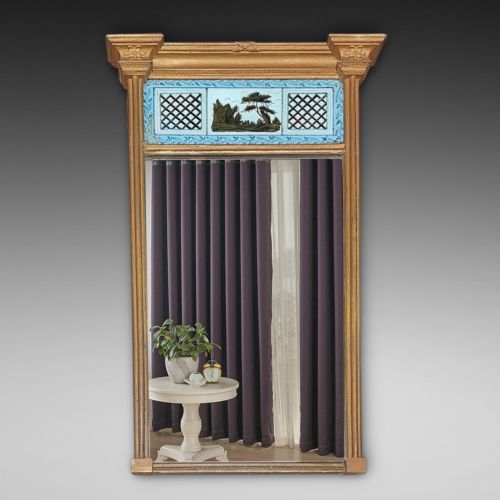
Gilded pier mirrors and column-framed overmantels dominate the offerings, frequently incorporating classical motifs such as Vitruvian scrolls and verre eglomise panels. These domestic items merge the functional utility of glass with the monumental scale of neoclassical architecture.
Materials and Construction
Makers constructed these frames primarily from carved wood, gesso, and composition applied over a timber substrate, achieving crisp relief and intricate ornamentation. Giltwood finishes required layers of gold leaf laid over red bole, which could be burnished to a high gloss or left matte.
Alternative aesthetics rely on painted wood, rosewood, walnut, and birchwood, sometimes combined with faux marble effects or ebonised surfaces for contrast. Original mirror plates, occasionally paired with reverse-painted glass panels, retain the slight distortions and ageing characteristic of period manufacture.
Some towering overmantels reach heights of over two metres, demanding sturdy walls and ambitious decorators to hoist them into place.
Assessing Quality and Execution
The distinction between tiers rests upon the depth of the carving and the crispness of the applied gesso mouldings rather than simple surface brightness. Superior examples display hand-carved wooden details where lesser pieces rely entirely on moulded composition ornament.
Proportional harmony dictates the success of architectural mirrors, with top-tier items maintaining precise classical ratios across pilasters, friezes, and cornices. The integrity of the original mercury or silvered glass plate and the retention of primary gilding further separate masterworks from later restorations.
The Classical Architectural Mirror Glossary
- Giltwood
- Timber coated with gold leaf applied over a prepared gesso and bole ground. This finish provides a warm, reflective surface that catches interior candlelight or daylight.
- Overmantel Mirror
- A large mirror specifically proportioned to hang above a fireplace mantelpiece. These pieces often span the width of the hearth and serve as the visual centrepiece of a reception room.
- Pier Mirror
- A tall, narrow mirror designed to hang on the wall space between two windows, known as the pier. They frequently sat above small console tables to maximise light in dark nineteenth-century interiors.
- Verre Eglomise
- A cold decoration technique where designs are painted and gilded on the reverse side of glass. It appears frequently in the friezes of Regency pier mirrors.
- Vitruvian Scroll
- A classical decorative band composed of wave-like scrolls or running ornamental shapes. It derives from ancient Roman architectural friezes and ornaments many nineteenth-century frames.
Classical Architectural Mirror: Frequently Asked Questions
Where should an architectural mirror be hung?
These mirrors suit principal reception rooms, traditionally positioned above a fireplace mantel or between tall windows to amplify natural daylight. Their substantial scale requires sturdy wall fixings anchored directly into structural masonry or studwork.
Lower placements allow the glass to reflect furniture and floorboards rather than ceiling details, grounding the piece within the domestic interior.
How do I identify a Regency period mirror?
Regency pieces often display restrained classical motifs, such as reeded columns, ebonised slips, ball-studded cornices, and verre eglomise frieze panels. The gilt surfaces tend to rely on a combination of carved wood and composition ornaments.
Construction methods visible on the reverse, including older pine secondary woods and hand-cut fixings, help confirm the nineteenth-century origin.
Are original mirror plates common?
Many surviving pieces retain their original glass plates, which frequently exhibit minor foxing, dark spots, and gentle silver degradation. These natural signs of age confirm the glass has not been replaced in recent times.
Clean, modern replacement glass appears in mirrors that underwent restoration during their working life to maintain reflective clarity.
How do I care for antique giltwood?
Giltwood surfaces require gentle dusting with a dry, soft ostrich feather duster or a clean microfibre cloth, avoiding any moisture or chemical cleaning products. Water and commercial sprays can dissolve the underlying gesso and lift the delicate gold leaf.
Stable indoor humidity prevents the wooden substrate and composition ornaments from shrinking, which otherwise causes cracking in the moulded details.