






Openwork Carved Frame
An openwork carved frame brings remarkable depth and intricate detail to any room, offering a rich historic texture that flat glass or plain timber simply cannot match.
Openwork Carved Frame
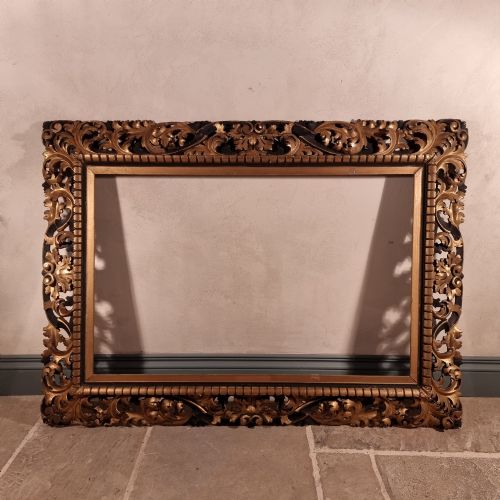
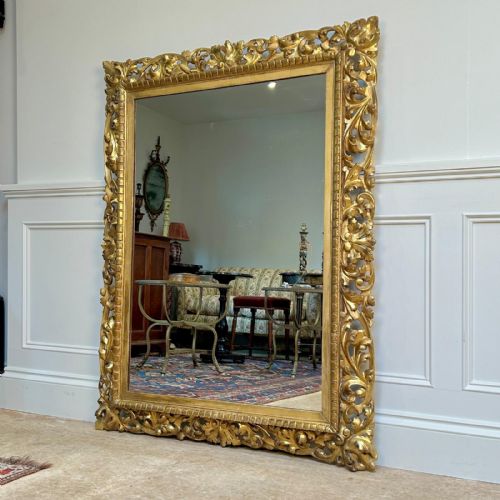
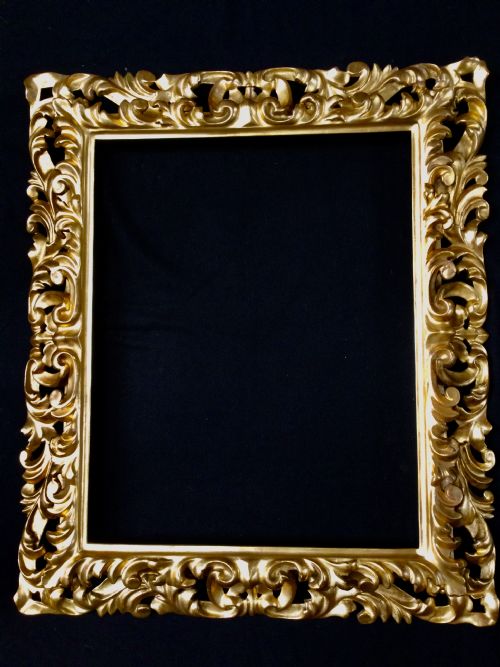
An openwork carved frame is defined by pierced, pierced-through ornamentation that creates space and shadow within the structure of the border itself. When you search for an openwork carved frame, you encounter wall mirrors, picture frames, and occasional seating items built across several centuries.
The pieces on this page span the seventeenth, eighteenth, and nineteenth centuries, alongside early twentieth-century examples. Italian Florentine styles and French Rococo revivals dominate the selection, bringing heavily worked surfaces and ornate profiles to the forefront.
Wall mirrors and picture frames form the vast majority of the listings here, often finished in rich gilding or retaining scrubbed oak and pine surfaces. Alongside these wall hangings, occasional furniture pieces such as settees incorporate carved wooden elements into their overall design.
Materials and construction methods
Makers shaped these pieces from woods such as oak, pine, mahogany, and hardwood, applying gesso and gold leaf to create brilliant gilded surfaces. Skilled carvers cut deep recesses and pierced motifs straight through the timber or built up relief decoration with plaster compositions.
Giltwood and parcel gilt finishes required meticulous layers of preparation before the final application of gold leaf, while other pieces relied on the natural grain of scrubbed oak or inlaid mahogany. Mirror glass, frequently original or period replacement, was fitted into rebated backs behind the heavy frames.
Several pieces require dusting with a soft artist's brush to reach the dusty corners of deep seventeenth-century scrolls.
What distinguishes finer examples
Quality rests in the crispness of the carving and the depth of the pierced work, where confident hand-chiselling creates sharp undercut details rather than soft, rounded edges. The preservation of the original gesso and gold leaf surface also dictates the standing of a piece.
Proportion and structural integrity matter greatly, as larger frames require robust joinery to support heavy glass or dense timber without sagging. Finer examples display harmonious balance across every corner and scroll, executed by makers who understood how light interacts with pierced woodwork.
The Openwork Carved Frame Glossary
- Giltwood
- Timber that has been coated with gold leaf over a prepared gesso ground. This finish catches the light and warms interiors.
- Gesso
- A plaster-like mixture applied to wood surfaces as a smooth base for gilding or painting. It allows carvers to achieve fine, sharp relief details.
- Openwork
- Design work pierced completely through the material to create patterns of solid and void. It adds lightness and complex shadows to heavy frames.
- Parcel Gilt
- A finish where only specific portions of an object are gilded while the underlying wood remains visible. This highlights particular carved details.
- Cushion Mirror
- A mirror frame with a broad, outward-sloping profile resembling a cushion. This style was particularly popular in seventeenth-century and revival designs.
Openwork Carved Frame: Frequently Asked Questions
How do I hang a heavy carved frame?
Heavy frames require robust wall fixings anchored directly into studs or masonry rather than standard plasterboard hooks. Professional mirror hangers often utilise mirror plates screwed securely to the reverse framework.
Ensure the weight is distributed evenly across multiple points to protect both the historic timber joints and your wall surface.
Are these frames suitable for modern interiors?
These pieces contrast brilliantly against clean, contemporary walls, adding warmth, history, and textural depth to minimal spaces. An ornate gilded border brings a striking focal point to a hallway or living room.
When paired with simpler furnishings, the intricate woodwork stands out as a distinct sculptural element.
What is a Florentine frame?
A Florentine frame originates from the Italian city and is renowned for its elaborate, scrolling foliage and rich gilding. These pieces often feature deep cavetto profiles covered in intricate pierced carving.
They were designed primarily to frame important Renaissance paintings and grand wall mirrors.