




Florentine Carved Frame
A florentine carved frame brings Italian craftsmanship and rich gilt surfaces to paintings and mirrors, offering a distinct focal point for any room.
Florentine Carved Frame
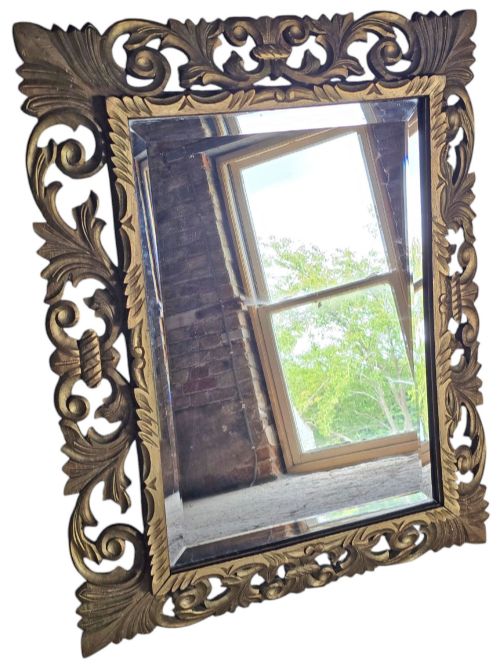
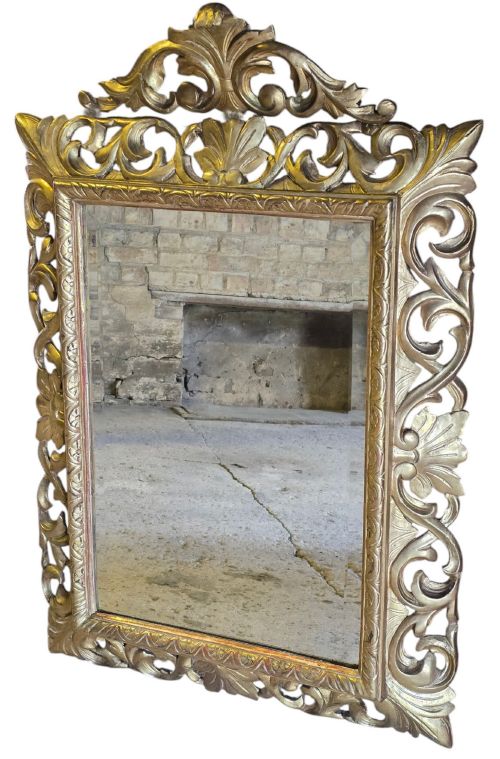
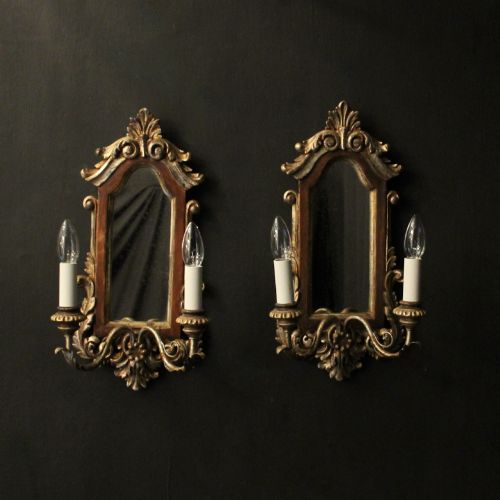
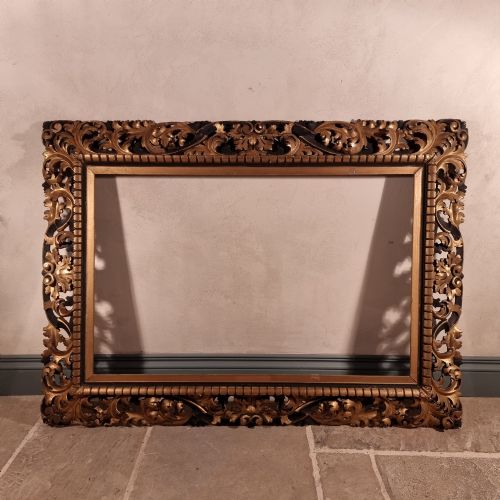
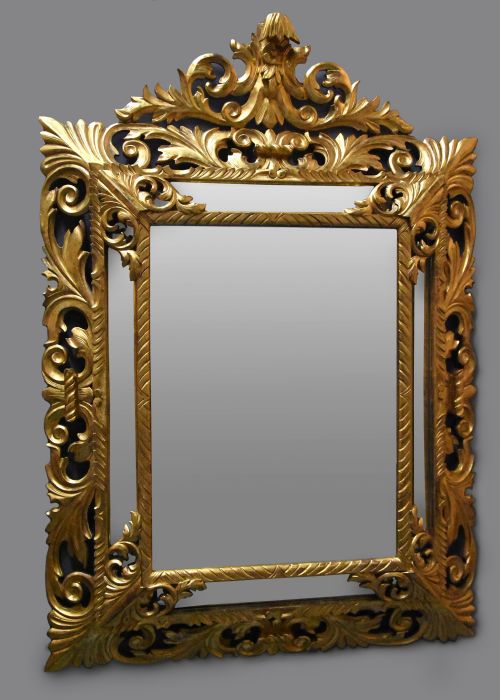
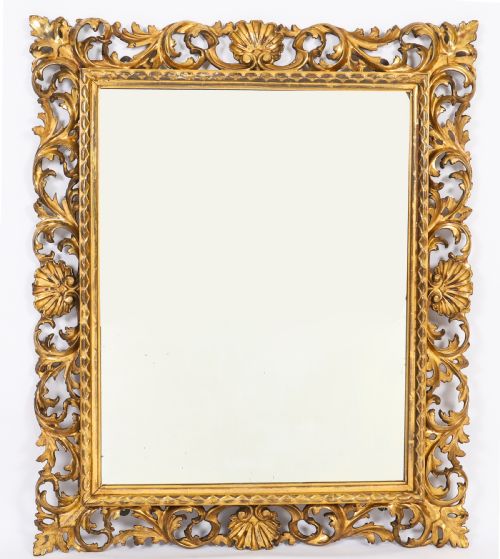
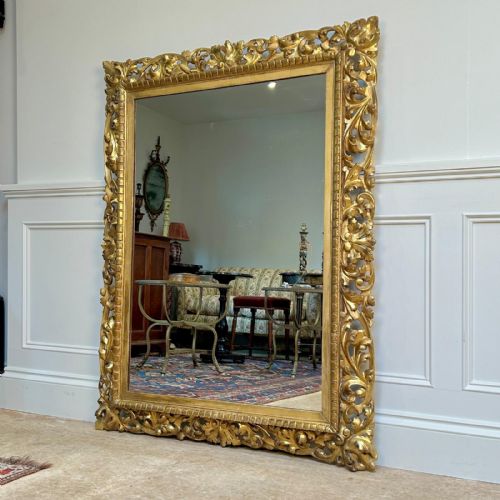
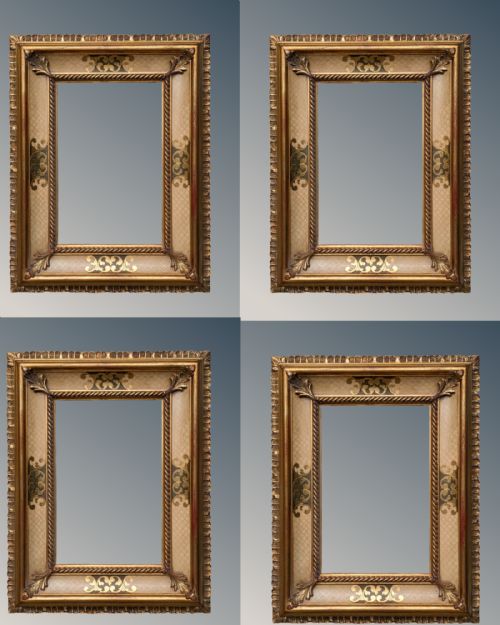
When searching for a florentine carved frame, buyers encounter pieces designed primarily as wall mirrors, picture frames, and girandoles. These objects originate predominantly from the nineteenth century, with eighteenth-century examples and early twentieth-century revivals also appearing.
The most common form on this page is the giltwood wall mirror, often incorporating intricate carving such as fruiting vines or rococo scrollwork. Picture frames and drawings enclosed in these carved housings complete the selection available to collectors.
How they were made
Maker workshops relied on carved wood, timber, and gesso as the foundational base for these pieces. Artisans shaped the wood by hand before applying layers of gesso to smooth the surface and prepare it for decoration.
Finishing techniques involved the application of gold leaf or water gilding to achieve a brilliant metallic sheen. Some pieces also feature hand-painted elements or glass inserts to complement the gilded wood.
Some frames incorporate carved fruiting vines so detailed you might find yourself hunting for a stray wooden grape.
What varies in quality
The depth and crispness of the carving dictate much of the distinction between ordinary and superior examples. Skilled hands produced deep, undercut foliage and scrolls that retain sharp definition, whereas lesser versions rely on shallow, softer moulding.
The application of the gilt surface also separates standard items from the finest pieces. Smooth, burnished gold leaf reflects light evenly and ages gracefully compared to flat or unevenly coated metallic paint.
The Florentine Carved Frame Glossary
- Giltwood
- Wood that has been coated with gold leaf or a gold-coloured finish. This material forms the bright, reflective surface characteristic of many Italian frames.
- Girandole
- A wall mirror featuring attached candle arms or sconces. These fixtures multiplied candlelight within a room by reflecting the flames off the glass and gilt frame.
- Gesso
- A plaster mix applied to carved wood to create a smooth surface for gilding. It allows carvers to crisp up fine details before applying gold leaf.
- Overmantle mirror
- A large horizontal mirror designed to hang above a fireplace mantelpiece. They often dominate a wall through their scale and decorative framing.
- Pier glass
- A tall mirror intended to be hung on the pier, the section of wall between two windows. These tall glasses brightened darker spaces in period rooms.
Florentine Carved Frame: Frequently Asked Questions
Where should I hang a large mirror?
These large mirrors suit placement above a fireplace mantelpiece or on a prominent living room wall where they can act as a focal point. Their reflective glass and gilt frames help to bounce light around larger spaces.
Ensure the wall structure supports the substantial weight of timber and glass before hanging. Positioning them opposite a window maximises the natural light brought into the room.
How do I clean a giltwood frame?
Dust the carved wooden surfaces gently with a soft, dry brush to remove particulate matter without disturbing the delicate gold leaf. Avoid using water, liquid cleaners, or chemical polishes, which can strip or damage the historic finish.
Professional conservation is recommended if the gilt surface shows signs of flaking or detachment. Regular, careful dusting prevents grime accumulation that dulls the metallic sheen over time.
What is the difference between baroque and rococo styles?
Baroque designs tend to be heavier, more symmetrical, and monumental in feel, emphasising drama and structural grandeur. They feature bold architectural elements and rich, commanding proportions.
Rococo styling introduces asymmetry, lighter scrollwork, and organic motifs such as shells and C-scrolls. These later pieces appear more fluid and playful compared to the strict symmetry of baroque work.
Can I use these frames for modern art?
Pairing an antique frame with contemporary artwork creates a striking contrast between old craftsmanship and modern aesthetics. Many collectors successfully house modern drawings or prints within historical carved surrounds.
Ensure the dimensions of the artwork align with the rebate of the frame to secure the piece safely. A professional framer can assist with mounting contemporary works into antique housings.