
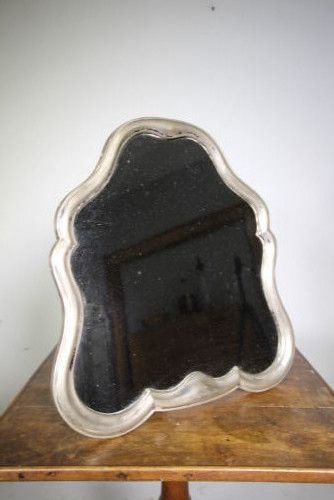
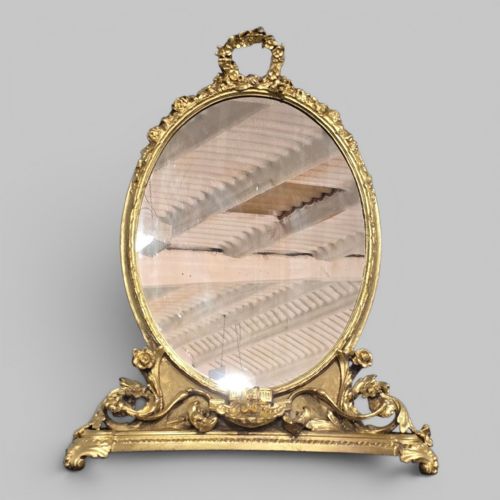
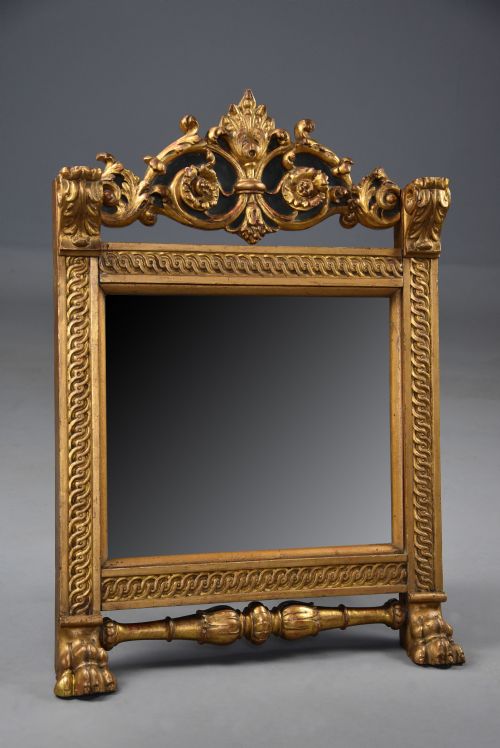
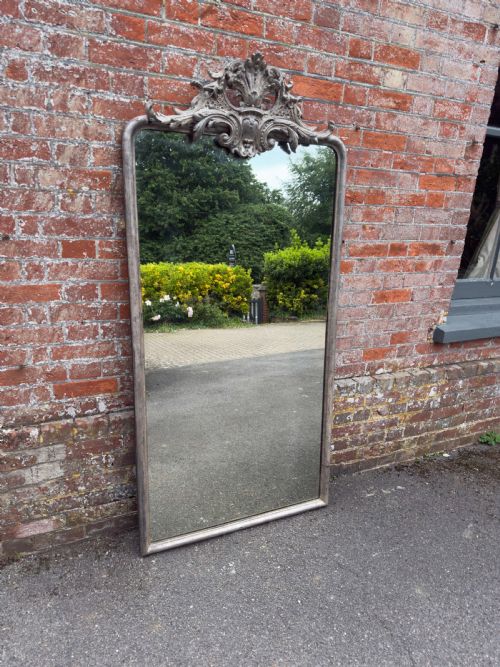


French Style Dressing Mirror
A french style dressing mirror brings a reflective sweep of continental elegance into a room, offering both practical utility and decorative grace.
French Style Dressing Mirror
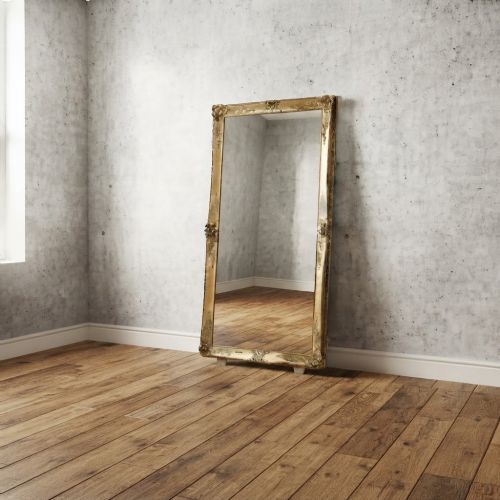
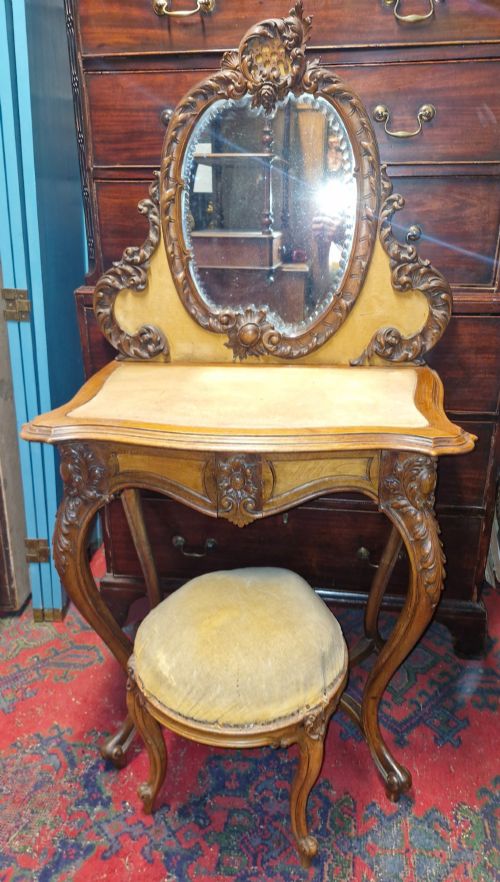
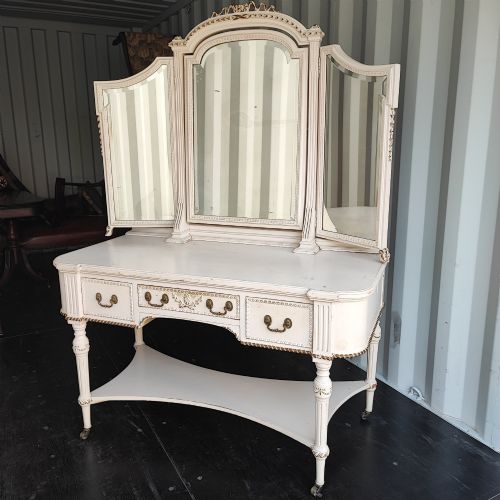
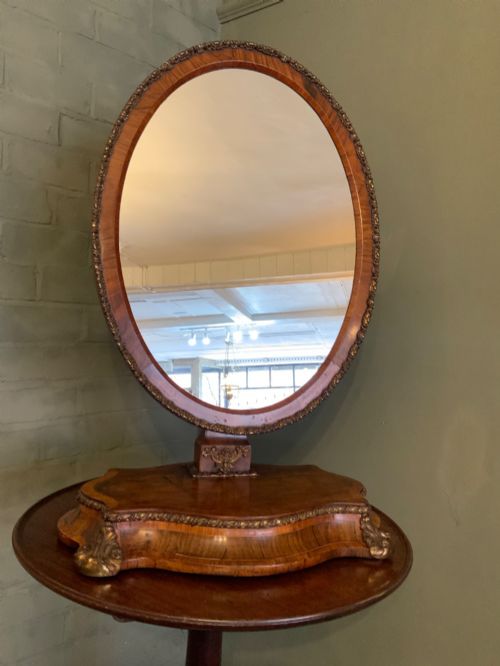
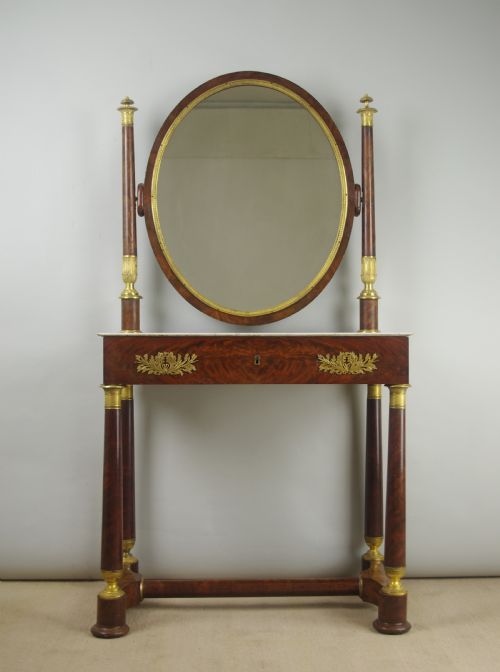
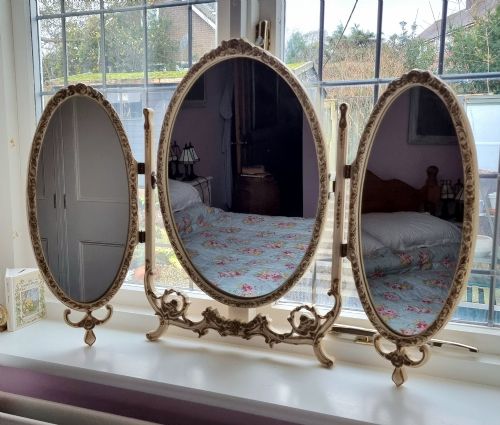
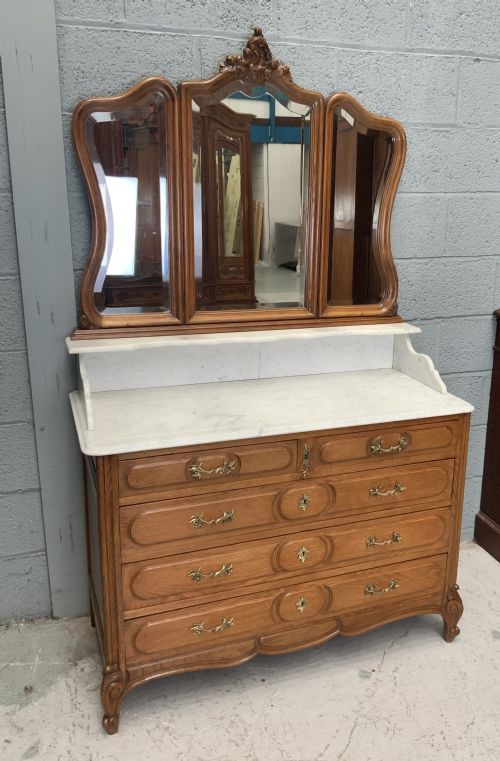
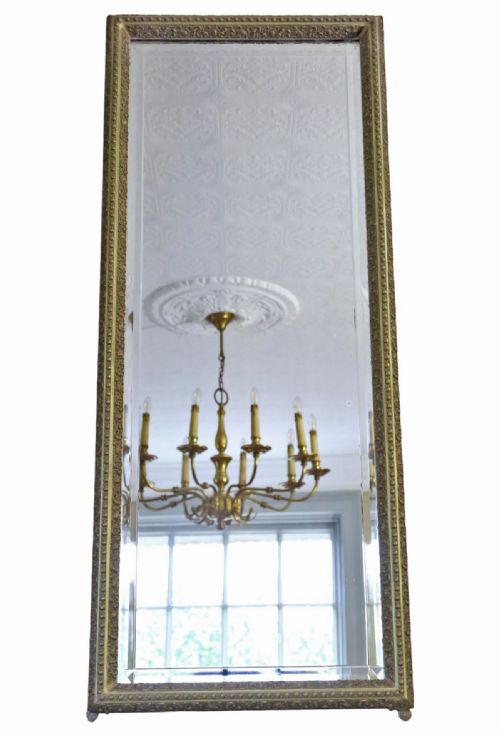
A french style dressing mirror encompasses a variety of reflective pieces designed for personal grooming and interior adornment, drawing heavily on continental design traditions. When exploring this selection, buyers encounter everything from compact table top toilet mirrors to grand cheval glasses and triple-folding triptychs.
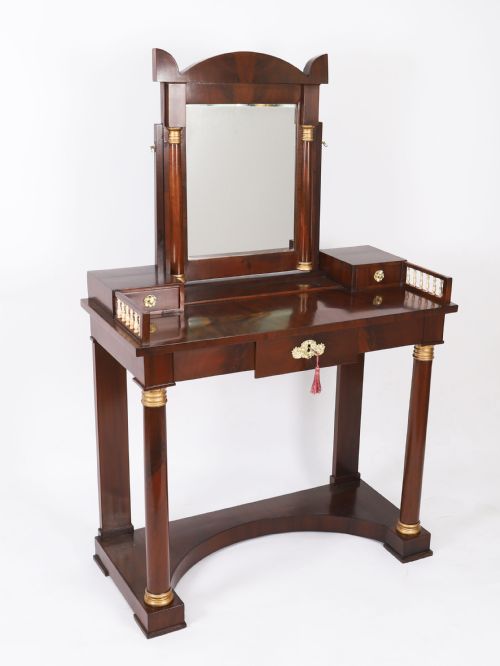
The objects span multiple decades from the nineteenth century into the early twentieth century, reflecting stylistic shifts from French Empire severity to exuberant Rococo Revival curves. Many pieces arrive integrated into dressing tables or washstands, while others stand independently as floor or wall fixtures.
Originating from periods influenced by French chateau aesthetics and Victorian interpretations of continental tastes, these items serve as focal points in bedrooms and dressing rooms. The selection demonstrates how makers adapted traditional forms for domestic use across different eras.
Materials and construction methods
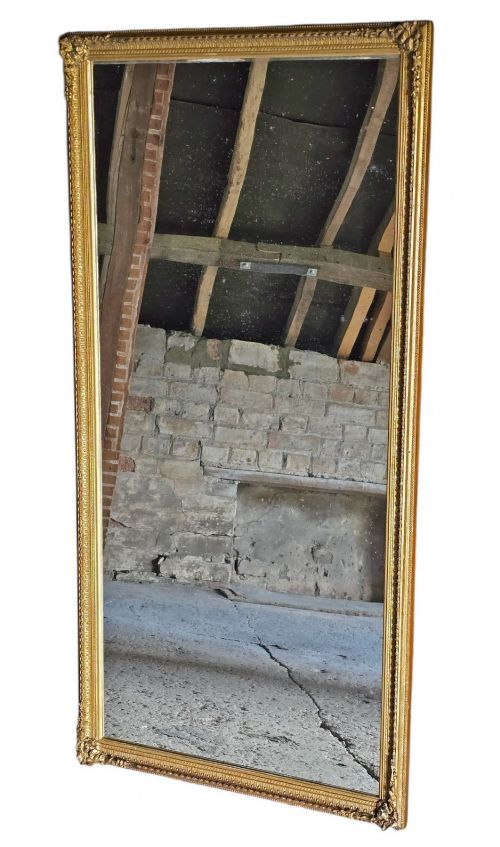
Makers constructed the frames of a french style dressing mirror using timbers such as mahogany, walnut, fruitwood, and oak, often applying gesso to build up intricate surface ornamentation. Gilding with gold or silver leaf, along with paint finishes, provided the luminous surfaces characteristic of chateau and revival styles.
Metal mounts in brass and ormolu reinforced structural joints while adding decorative contrast to the timber and gilt frames. Glass plates were bevelled and set into adjustable pivots on cheval frames or fixed securely within carved wooden surrounds.
Some dressing mirrors feature subtle folding mechanisms designed to catch every possible angle for a final check before stepping out.
Distinguishing quality in design and execution
The distinction between tiers of a french style dressing mirror lies in the depth of hand-carving and the crispness of the gesso mouldings. Finer examples display meticulous joinery and substantial timber thickness rather than applied composition ornaments on weaker softwood bases.
Quality also manifests in the proportion of the hardware, such as solid brass ormolu mounts and smoothly functioning pivoting mechanisms on cheval and toilet glasses. Original mercury or silvered glass plates with authentic foxing carry more integrity than modern replacements.
Maples of London and Paris
The French Style Dressing Mirror Glossary
- Cheval mirror
- A freestanding full-length mirror suspended on a vertical frame with pivots that allow the glass to tilt. This form gained popularity for dressing rooms during the eighteenth and nineteenth centuries.
- Ormolu
- Gilded bronze ornamentation applied to furniture and mirror frames. The technique involves treating brass or bronze with a mercury and gold amalgam.
- Gesso
- A plaster-like mixture applied to wood frames to create a smooth surface for gilding or deep relief carving. It allows for intricate scrollwork and floral motifs.
- Triptych mirror
- A three-panel folding glass arrangement where the side panels adjust inwards. This design provides multiple angles for viewing during grooming.
- French Empire
- A neoclassical design style spanning the late eighteenth and early nineteenth centuries. It relies on mahogany timbers, symmetrical lines, and classical military or floral ormolu motifs.
French Style Dressing Mirror: Frequently Asked Questions
How do I date a french style dressing mirror?
Dating relies on observing the timber species, construction joints, and decorative vocabulary linked to specific periods like French Empire or Rococo Revival. Secondary woods and the composition of mirror glass often provide further chronological clues.
Examining the backboards, screw types, and mounting brackets also helps determine whether a piece belongs to the nineteenth century or later revival periods.
Where should I place a cheval mirror?
A freestanding cheval glass works best in bedrooms or dressing areas where natural light can reflect across the room. Positioning it near a window maximises illumination for daily dressing.
Ensure the floor surface is level so the pivoting frame operates smoothly without straining the side supports.
What is the difference between a toilet mirror and a cheval mirror?
A toilet mirror sits on a tabletop, dresser, or washstand, designed specifically for close-up grooming. A cheval mirror stands independently on the floor to reflect the entire figure.
Both types utilise pivoting frames, but their scale and intended placement within a room differ significantly.
How do I care for antique giltwood frames?
Giltwood frames require gentle dusting with a soft, dry brush to protect fragile gold leaf and gesso mouldings. Avoid using liquid cleaners or commercial polishes which strip the metallic surface.
Maintaining stable room humidity prevents the wooden substrate from expanding and causing the gesso ornamentation to crack.