




Classic Wood Frame Mirror
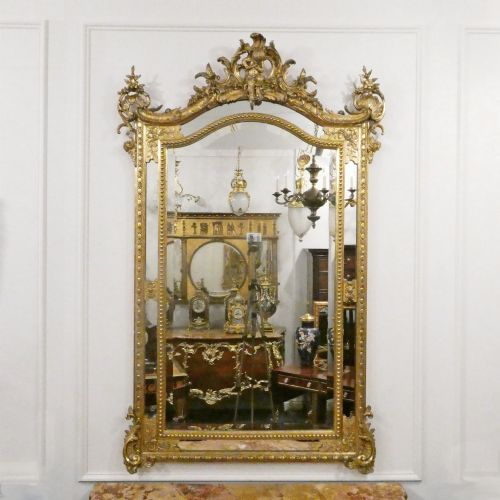
A classic wood frame mirror brings warmth and reflective depth to a room, drawing on centuries of craftsmanship in timber, gesso and giltwood.
Classic Wood Frame Mirror
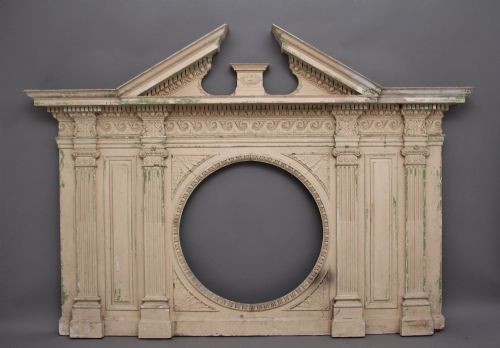
A classic wood frame mirror encompasses wall mirrors, overmantels, and picture frames spanning from the eighteenth century through to the early twentieth century. Buyers seeking a classic wood frame mirror encounter pieces ranging from imposing overmantels designed for nineteenth-century fireplaces to elegant oval frames shaped in oak, pine, mahogany, and rosewood.
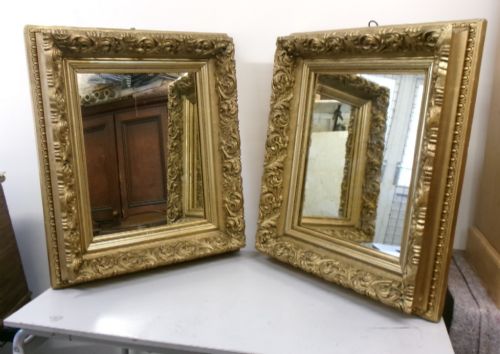
Overmantel mirrors dominate the larger formats, whilst pairs of pier glasses and oval frames offer vertical or balanced horizontal options. These forms reflect both domestic utility and decorative ambition across multiple decades of design.
Materials and construction
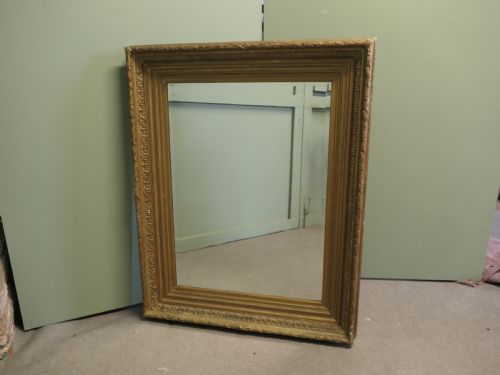
Makers constructed these frames using native and imported timbers such as oak, pine, mahogany, and rosewood, often building up decorative reliefs with gesso and composition applied over a wooden base. Carved details were shaped directly into the timber or modelled in relief composition before finishing.
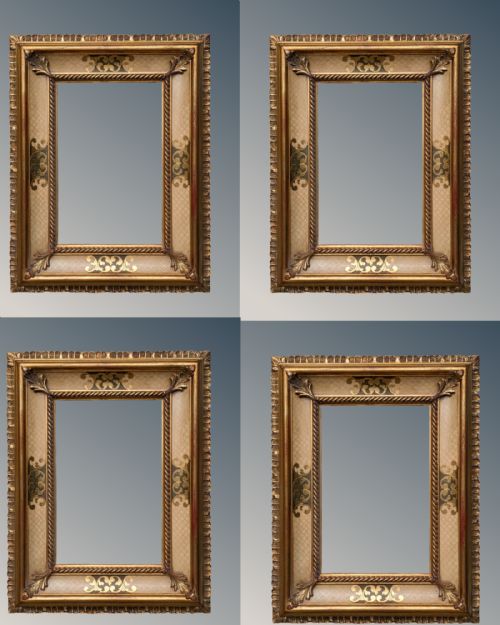
Gilding was applied using gold leaf onto prepared bole surfaces, creating the characteristic reflective sheen seen on giltwood and gilded wood pieces. Alternatively, surfaces were left as natural wood, simulated wood finish, or painted to achieve specific aesthetic effects.
Classic Wood Frame Mirror Retail Price Guide 2026
Typical asking prices for classic wood frame mirror among the pieces listed under this phrase on Sellingantiques today, from the lower quarter to the upper quarter. They describe what is for sale here now, not the wider market.
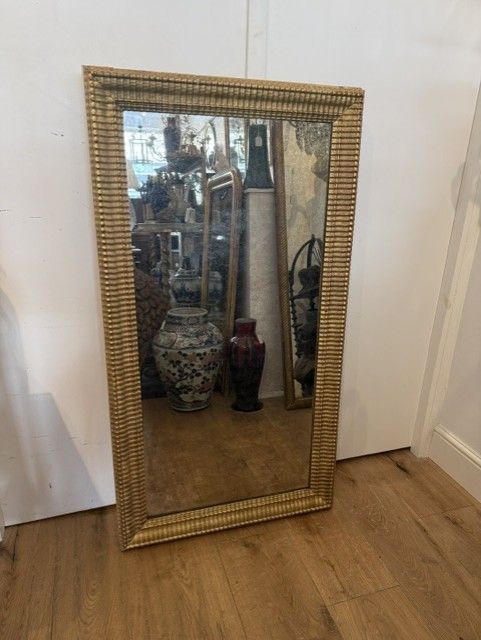
Ripple frames offer a hypnotic, undulating wooden texture that seems to capture the Victorian fascination with tactile geometry.
Distinctions in quality
Quality reveals itself in the depth and crispness of the carving and the dexterity with which gesso and composition ornaments are applied to the wooden substrate. Finer examples display hand-carved relief work rather than repetitive moulded composition.
The choice of primary timber and the execution of the gilt or painted finish dictate the refinement of the piece. Substantial timber frames with well-preserved original gilding and structural joinery represent the upper tier of surviving examples.
The Classic Wood Frame Mirror Glossary
- Giltwood
- Wood that has been coated with gold leaf or gold powder. This finish appears frequently across nineteenth-century and eighteenth-century frames.
- Gesso
- A plaster-like mixture applied to wood frames to provide a smooth surface for gilding or painting. It allows intricate low-relief ornamentation to be moulded onto the timber.
- Overmantel
- A large mirror designed to hang specifically above a fireplace mantelpiece. These pieces often span considerable horizontal widths to balance the hearth below.
- Pier glass
- A tall, narrow mirror designed to hang on the wall space between windows. They frequently appeared as pairs in nineteenth-century interiors.
- Ripple frame
- A frame featuring concentric undulating wave-like mouldings carved or shaped into the wood. This technique creates a distinct tactile pattern around the glass.
Classic Wood Frame Mirror: Frequently Asked Questions
How do I date a wood frame mirror?
Dating relies on examining the timber species, construction methods, and the style of the carving or gesso ornamentation. Secondary woods at the back of the frame often provide clear clues to the period.
Stylistic markers such as neoclassical motifs or Victorian proportions further help narrow down the decade of manufacture.
Where should I hang an overmantel mirror?
Overmantels traditionally sit directly above a fireplace mantelpiece to reflect light and anchor the room's central focal point. Their substantial width requires secure wall fixings tied directly into structural studs or masonry.
They also function effectively on large expanse walls in reception rooms to amplify natural daylight.
Are antique mirrors heavy to hang?
Many larger pieces utilise dense timbers, thick glass, and heavy gesso ornamentation that add substantial weight. Proper weight-rated hardware is essential for safe wall mounting.
Professional installation is recommended for oversized overmantel and pier glass formats.