

Mahogany Frame Mirror
A mahogany frame mirror brings warmth and depth to a room, offering functional reflection through centuries of cabinet-making craft.
Mahogany Frame Mirror
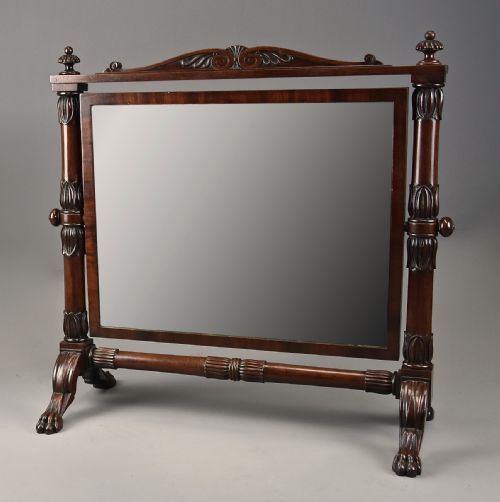
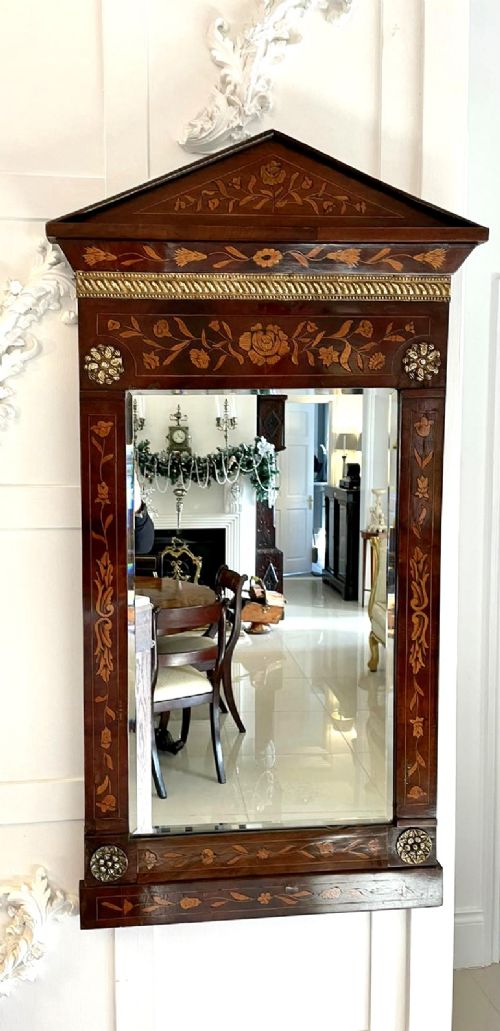
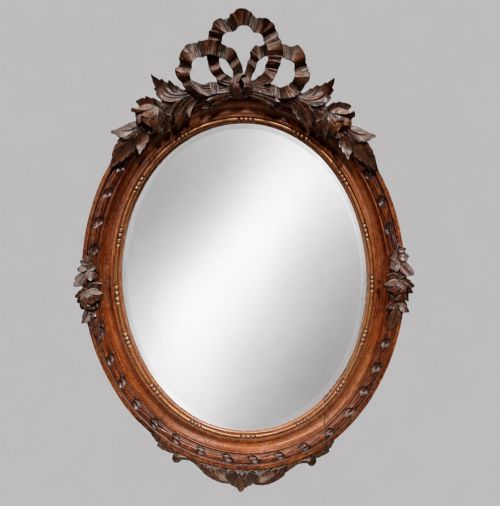
When searching for a mahogany frame mirror, buyers encounter a diverse selection spanning the Georgian, Regency, Victorian, and Edwardian eras. The assortment includes wall-hanging pieces, overmantels, dressing table swings, and full-length cheval mirrors.
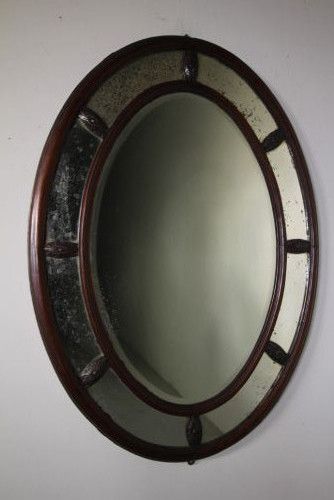
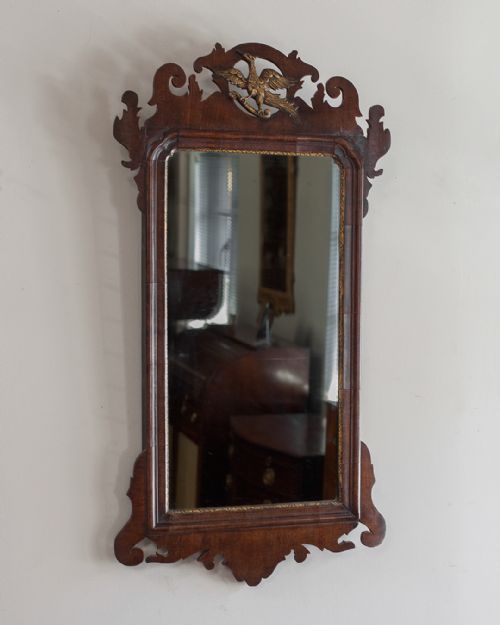
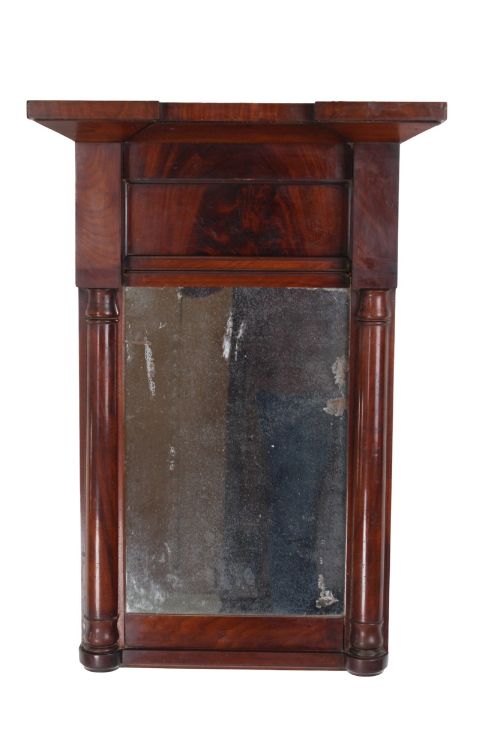
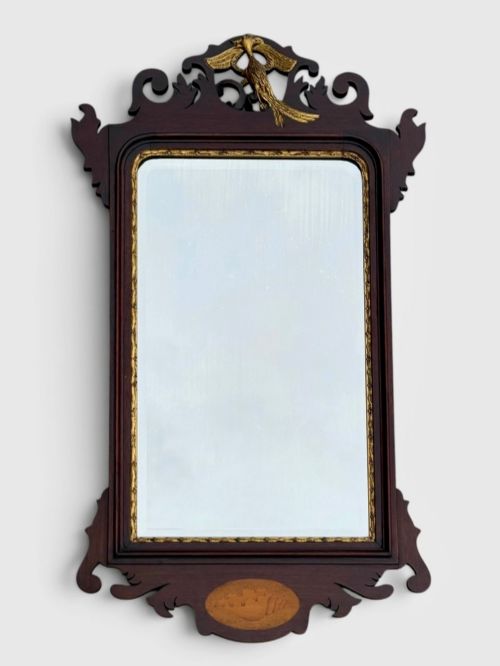
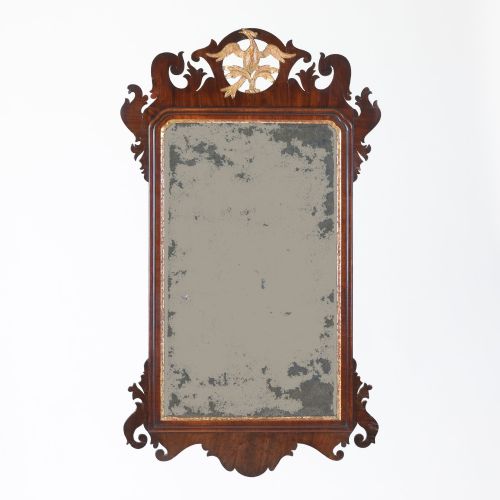
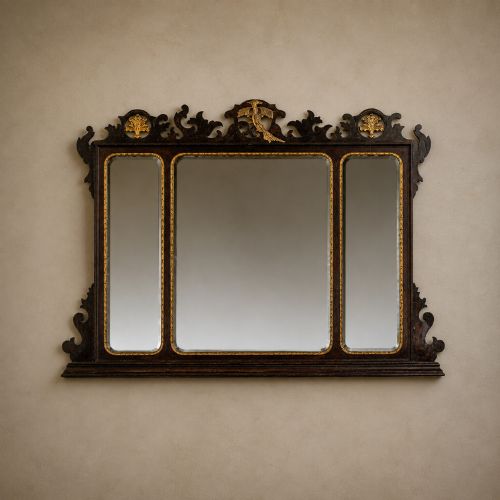
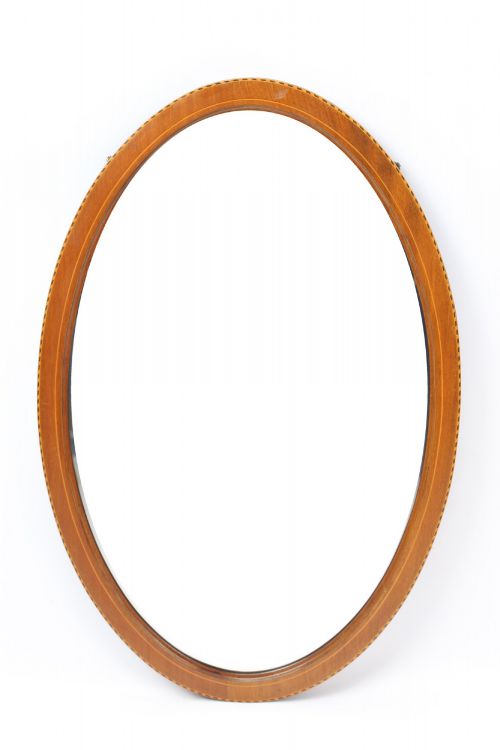
The most common examples on this page are wall mirrors and dressing table mirrors dating from the nineteenth century. These range from simple oval and rectangular frames to ornate fret-cut designs influenced by Chippendale styles.
How they were made
Cabinet-makers constructed these frames using solid mahogany and mahogany veneers applied to secondary woods, often incorporating brass hardware for swing mirrors and drawer pulls.
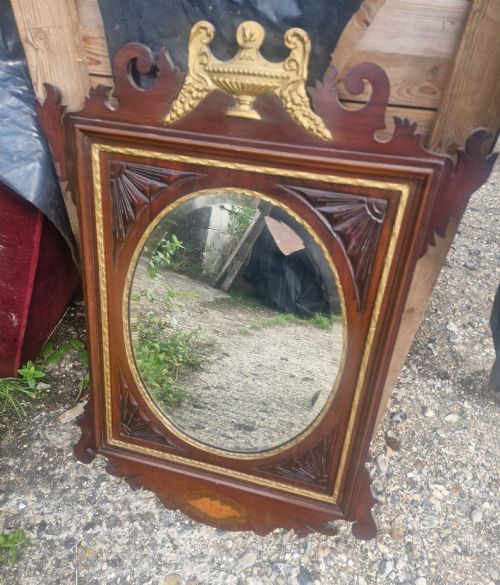
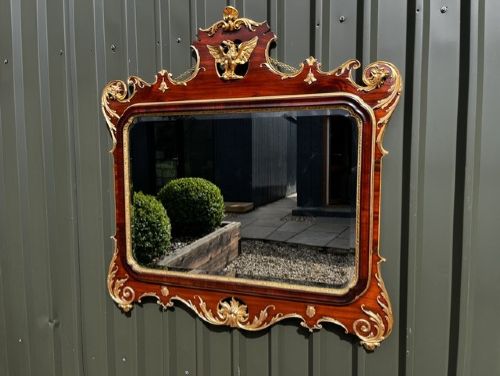
Many formal wall mirrors integrate parcel-gilt details, gold leaf, and carved motifs such as the ho-ho bird, while others utilise wood inlay and marquetry across Edwardian and Georgian examples.
What varies in quality
The distinction between standard production and top-tier pieces rests on the choice of timber, such as figured Cuban mahogany, and the crispness of hand-carved fretwork and mouldings.
Superior examples demonstrate careful joinery, original mirror glass where appropriate, and balanced proportions that reflect the aesthetic standards of periods like the Georgian and Regency eras.
P & MA Nicholson·William Kent·Drew & Cadman·Gillows
The Mahogany Frame Mirror Glossary
- Cheval mirror
- A freestanding full-length mirror mounted on a vertical frame with pivots that allow it to tilt. These standing mirrors often feature supporting legs and occasional drawer bases.
- Fret mirror
- A wall mirror featuring a flat wooden frame cut with decorative scrollwork and pierced fretwork patterns. These are strongly associated with Georgian and Chippendale styles.
- Pier mirror
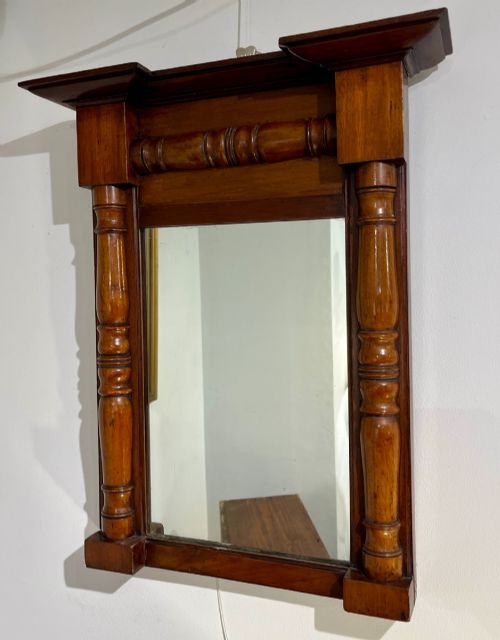
- A tall wall mirror designed to hang on the narrow pier of wall between windows. They frequently incorporate gilt wood details or column supports.
- Overmantel mirror
- A wide mirror designed specifically to be hung above a fireplace mantelpiece. They often match the horizontal proportions of the mantel shelf below.
- Parcel-gilt
- Partially gilded woodwork where gold leaf is applied to specific carved highlights such as mouldings, crests, or inner edges to contrast with the dark mahogany.
Mahogany Frame Mirror: Frequently Asked Questions
How do I date a mahogany mirror?
Dating relies on observing construction methods, timber choice, and stylistic cues such as fret-cut crests or inlay patterns. Georgian and Regency pieces typically show different joinery techniques compared to later Victorian and Edwardian revivals.
Examining the mirror glass itself, the backing boards, and any secondary woods helps confirm the period of manufacture.
Where should I hang an overmantel mirror?
An overmantel mirror is traditionally positioned directly above a fireplace mantelpiece to reflect light and anchor the wall space. Their wide proportions suit placement above sitting room fireplaces or console tables.
Ensure the wall fixings are secure and rated to support the substantial weight of large wood and glass frames.
What is a swing dressing table mirror?
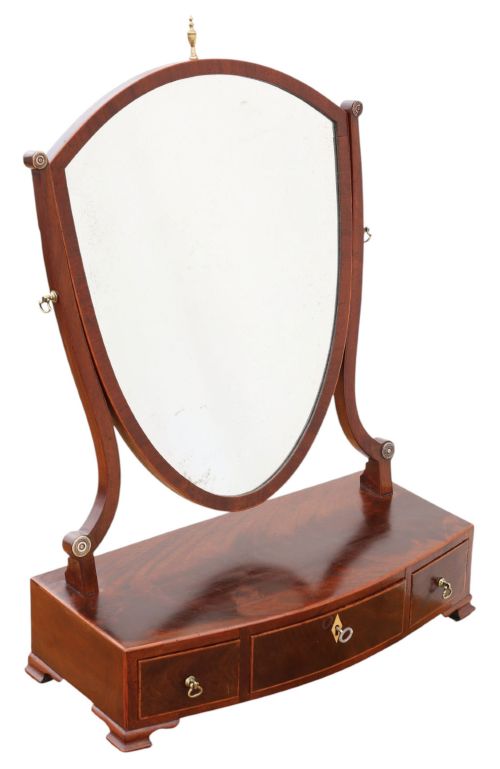
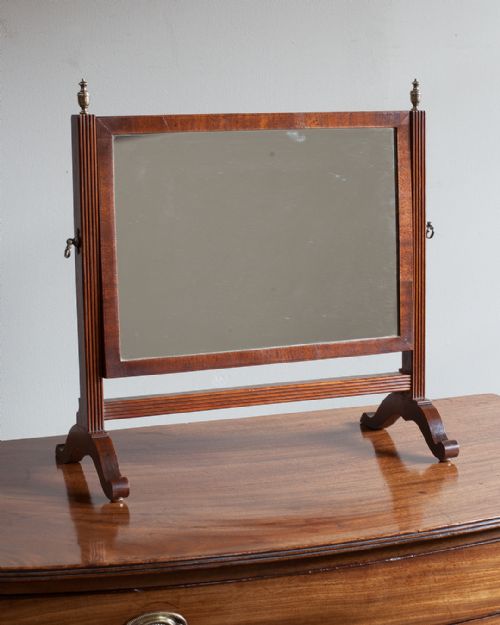
A swing mirror is a smaller table-top glass mounted on pivots between two upright supports, often set on a base containing small drawers. These pieces were historically used on dressing tables for grooming.
They offer adjustable angles for the glass and provide compact storage in bedrooms.
How do I care for mahogany frames?
Maintain mahogany frames by keeping them away from direct sunlight and fluctuating humidity to protect the wood and veneer. Dust gently with a dry, soft cloth rather than using silicone-based polishes.
Check wall hanging hardware periodically to ensure secure mounting.