



Mid Victorian Wall Mirror
A mid victorian wall mirror brings genuine nineteenth-century character to a room, offering both practical reflection and striking architectural presence.
Mid Victorian Wall Mirror
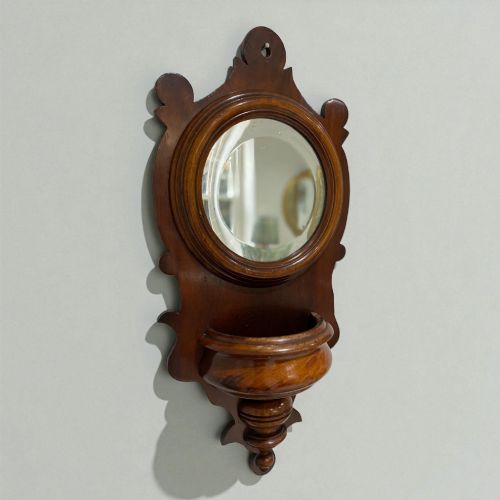
A mid victorian wall mirror is a nineteenth-century furnishing designed to hang in principal rooms, hallways, and over mantelpieces. These pieces reflect the varied aesthetic tastes of the era, drawing inspiration from Rococo, Baroque, and Neoclassical revivals alongside simpler timber designs.
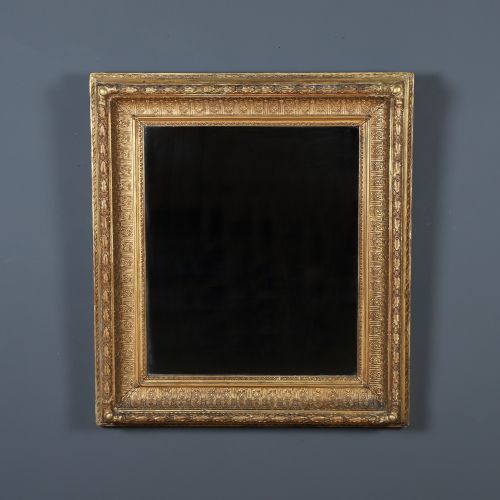
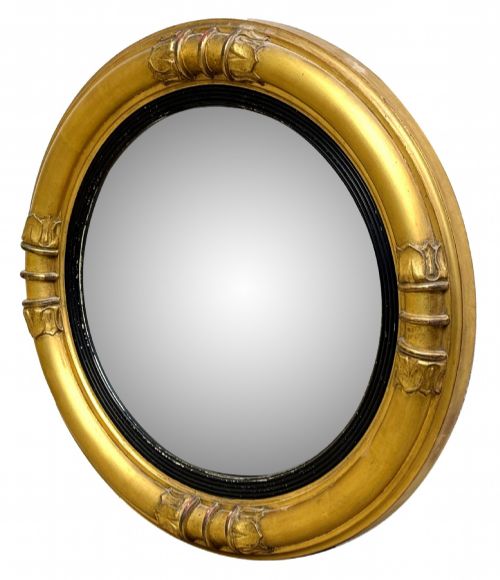
Buyers will encounter several distinct forms on this page, ranging from grand overmantel mirrors and ornate dressing mirrors to smaller circular convex glasses and pier mirrors. Giltwood and composition frames dominate the selection, though substantial mahogany, burr walnut, rosewood, and ebonised wood examples also appear.
Origins span English workshops alongside continental pieces, including French and Italian examples that demonstrate distinct regional carving traditions. Whether circular, oval, or rectangular, each mirror serves as a focal point shaped by nineteenth-century craftsmanship.
Distinctions in quality
Quality rests in the depth and crispness of the hand-carved ornamentation upon the gesso or timber frame, where fluid lines distinguish superior artisan work from heavier, purely moulded plaster. The integrity of the original gilding or timber finish determines the visual authority of the piece.
The relationship between the glass plate and its surrounding frame indicates original harmony, while the stability of the structural joinery dictates how safely the mirror hangs upon the wall today.
Mid Victorian Wall Mirror Retail Price Guide 2026
Typical asking prices for mid victorian wall mirror among the pieces listed under this phrase on Sellingantiques today, from the lower quarter to the upper quarter. They describe what is for sale here now, not the wider market.
Convex mirrors were once called banker's mirrors because their wide-angle reflection let shopkeepers watch the entire room at once.
The Mid Victorian Wall Mirror Glossary
- Giltwood
- Wood that has been covered with a thin layer of gold leaf. This finish catches the light and defines ornate nineteenth-century frames.
- Gesso
- A plaster mixture applied to wood frames to create a smooth surface for carving and gilding. It allows for sharp decorative details.
- Overmantel mirror
- A large mirror designed to hang specifically above a fireplace mantel. These pieces often span significant widths to balance the hearth.
- Convex mirror
- A round mirror featuring a curved glass surface that reflects a wide, sweeping field of view. These are frequently set within circular frames.
- Girandole
- A decorative wall mirror featuring attached candle sconces. The candleholders reflect additional light across the room.
Mid Victorian Wall Mirror: Frequently Asked Questions
Where should I hang a mid victorian wall mirror?
These mirrors suit principal living spaces, grand hallways, and bedrooms where their reflective qualities enhance natural light and spatial depth.
Positioning them securely into structural wall studs is essential due to the substantial weight of the timber and plaster frames.
How do I identify a mid victorian wall mirror?
Examine the construction of the backboards, the weight of the timber, and the style of the carving, which frequently reflects Rococo or Baroque revivals.
Evidence of age often appears in the silvering of the glass plate and the composition of the gesso beneath the gold leaf.
Are these mirrors heavy to mount?
Most pieces possess considerable weight owing to their solid wood frames, thick glass plates, and dense plaster ornamentation.
Professional installation using appropriate heavy-duty fixings ensures the piece remains securely supported on the wall.
Can I clean the original glass and gilding?
Use a soft, dry cloth to gently remove dust from carved gilt surfaces without disturbing the delicate gold leaf application.
Standard glass cleaners should be applied sparingly to the mirror plate to prevent moisture seeping behind the edges of the frame.