


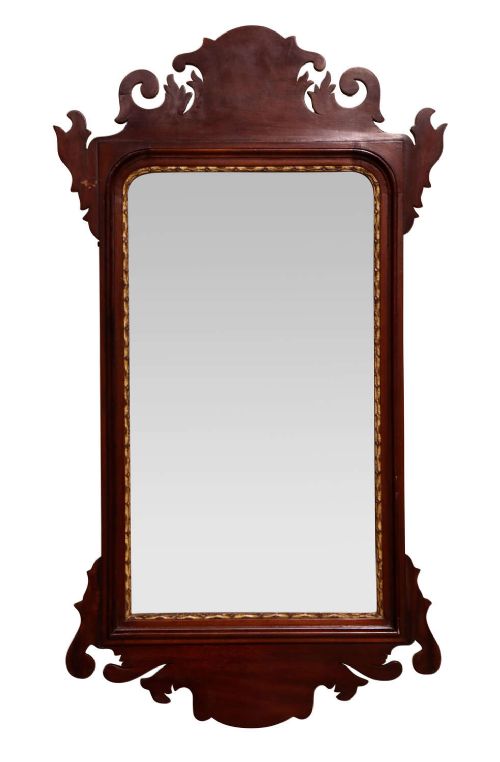
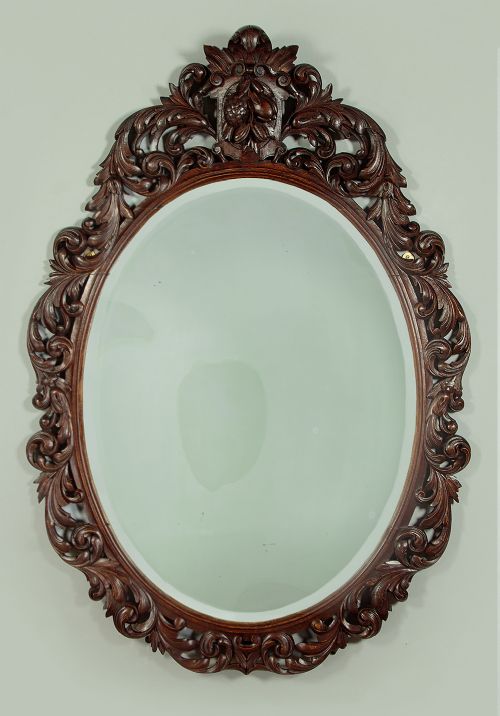
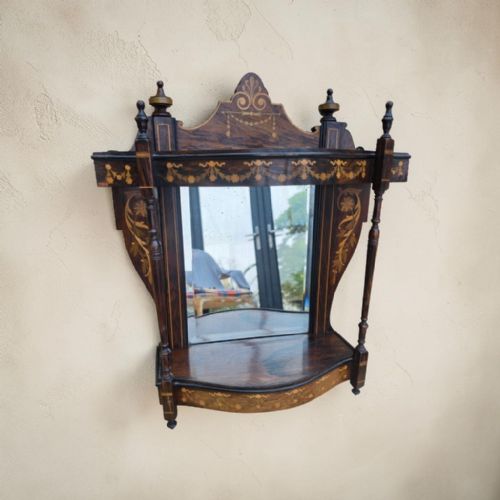
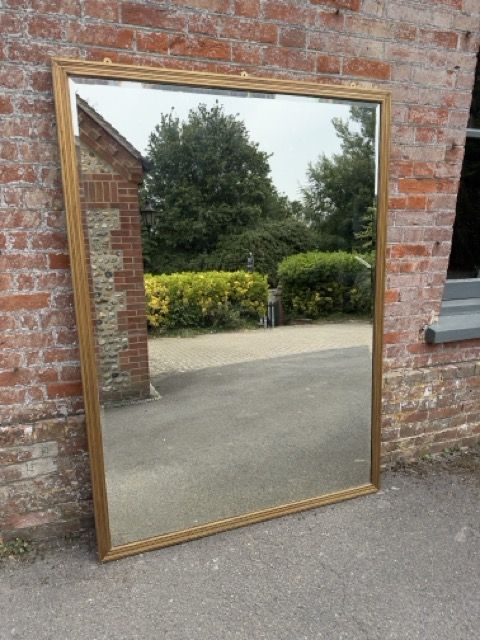
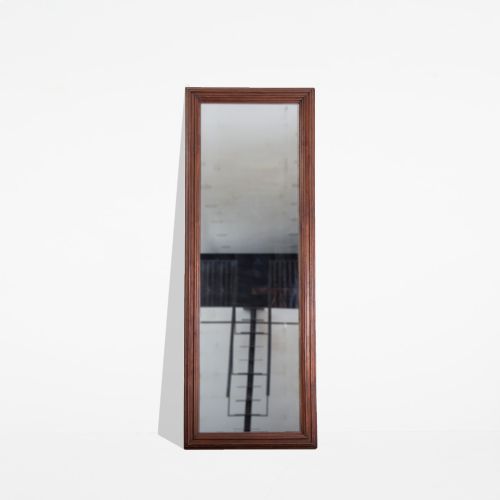
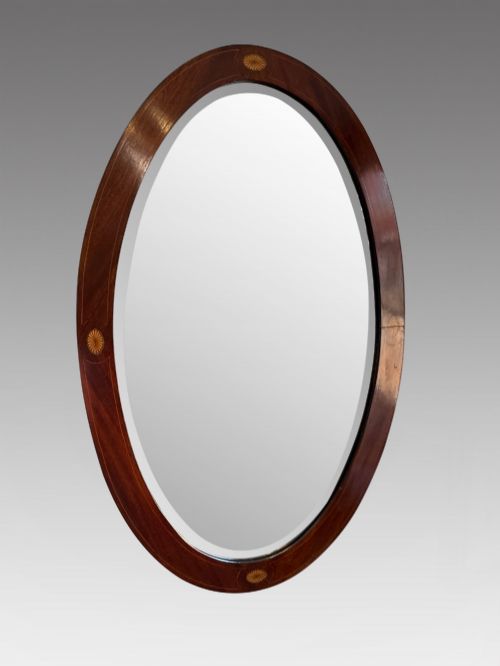
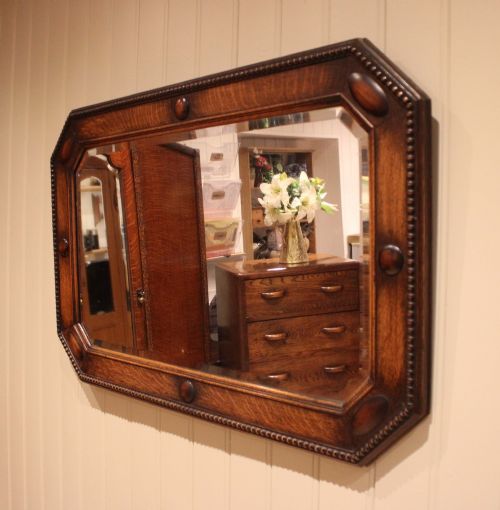
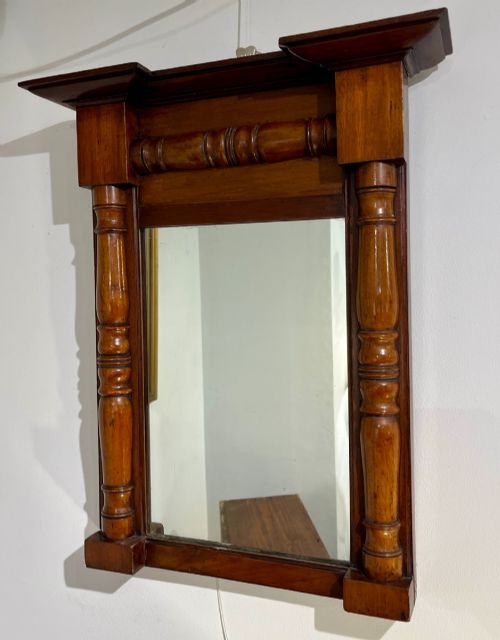
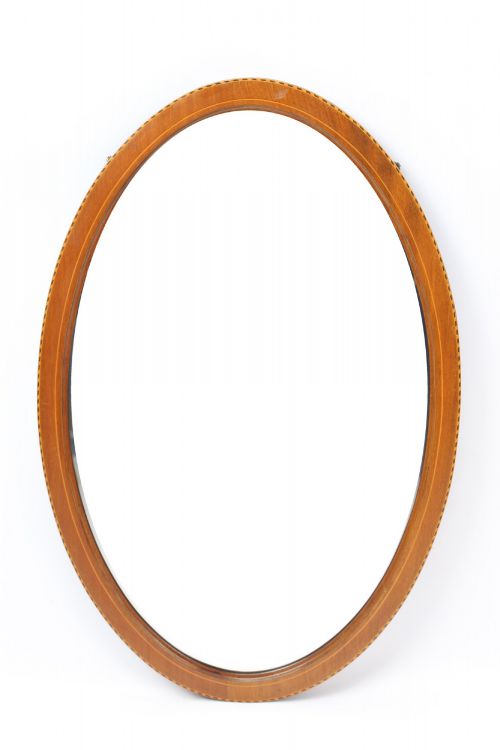
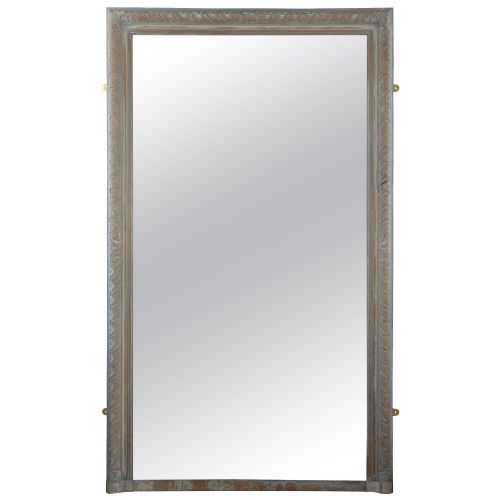
Hallway Wooden Wall Mirror
A hallway wooden wall mirror hangs where a house welcomes you, bringing light and presence to a narrow passage.
Hallway Wooden Wall Mirror
A hallway wooden wall mirror serves as both a practical glass for checking appearance and a focal point for an entrance space. These pieces range from simple rectangular frames to elaborate designs incorporating shelves, coat hooks, and key cabinets.
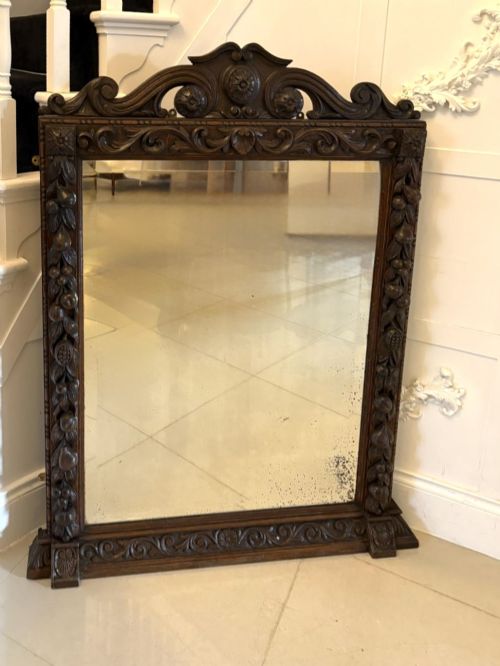
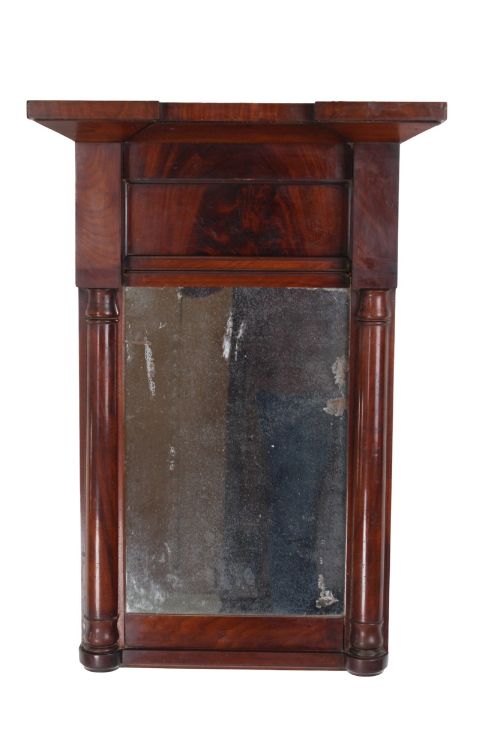
The selections span periods from the Georgian era through the Victorian and Edwardian decades into Art Deco designs. Oak and mahogany dominate the forms, supplemented by walnut, maple, and ebony.
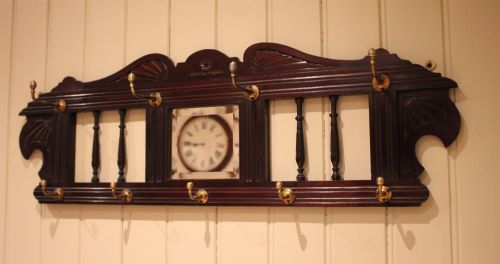
Many examples combine utility with display, appearing as wall racks, pier mirrors, or small hanging cabinets alongside standard wall mirrors. Buyers encounter items sized from small shaving mirrors up to large rectangular and oval plates.
Materials and construction
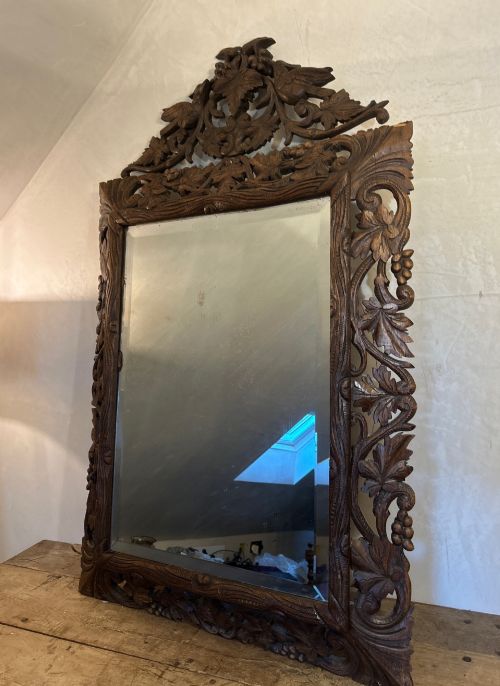
Makers utilised solid hardwoods such as oak, mahogany, and walnut to build durable frames that could support heavy glass and hanging loads. Timber was frequently carved, inlaid, or veneered to achieve rich surface textures.
Brass hardware, including hooks and hinges, was integrated into pieces designed for coats and hats. Mirror glass was held securely within rebated frames, often featuring bevelled edges produced by skilled hand-grinding.
Several mirrors double as secretive key cabinets, proving Victorians loved hiding their front door access behind a looking glass.
Assessing quality
The depth of carving and crispness of detail separate standard production frames from masterworks of the Victorian and Edwardian periods. Superior pieces show careful proportioning in fretwork, mouldings, and applied ornaments.
The choice of timber grain, such as burr walnut or figured mahogany, indicates the care taken in material selection by the maker. Original brass fixtures and intact bevelled mirror plates preserve the integrity of the piece.
The Hallway Wooden Wall Mirror Glossary
- Pier mirror
- A tall, narrow glass designed to hang on the wall space between two windows. These often include small console shelves or lower ledges.
- Fretwork
- Thin wood cut into decorative geometric or scroll patterns using a fretsaw. This technique appears frequently on Chippendale style mahogany frames.
- Overmantle mirror
- A wide glass traditionally hung above a fireplace mantelpiece. Many examples translate well to larger hallway spaces.
- Bevelled glass
- A mirror plate with edges ground and polished to an angled slope. This catches light at the perimeter and adds depth to the reflection.
- Inlay
- Contrasting woods or materials embedded into the surface of the primary timber to create decorative patterns. Edwardian pieces often employ this for delicate borders.
Hallway Wooden Wall Mirror: Frequently Asked Questions
How do I hang a heavy wooden mirror safely?
Heavy antique frames require robust fixings screwed directly into wall studs or heavy-duty wall anchors suited to the weight of the timber and glass. Ensure the hanging wire or integrated brackets on the back of the frame are secure before mounting.
Position the mirror at a height that allows comfortable viewing for household members while clearing any underlying hallway furniture such as console tables or shoe benches.
How do I clean antique mirror glass?
Apply a mild, ammonia-free glass cleaner to a soft microfiber cloth rather than spraying the liquid directly onto the glass. This prevents moisture from seeping behind the plate and damaging the silver backing or the wooden frame.
Wipe the surface gently in straight strokes and dry thoroughly with a clean cloth to avoid streaks. Take care to keep moisture away from unsealed edges and wooden joints.
Can I put a coat rack mirror in a small space?
Combined mirror and coat rack units provide dual functionality by offering hanging storage alongside a reflective glass. These work particularly well in compact hallways where floor space for separate furniture is limited.
Check the projection of the brass hooks to ensure coats will not obstruct the view in a narrow corridor. Many Victorian and Edwardian versions were specifically designed for tight urban entryways.
How do I tell Victorian from Edwardian mirrors?
Victorian mirrors generally feature darker timbers like heavy oak and mahogany, often accompanied by deep, ornate carvings and dense ornamentation. The overall aesthetic tends to be formal and substantial in weight.
Edwardian pieces often introduce lighter woods such as satinwood and maple, alongside delicate stringing inlay and oval glass shapes. The design language shifts towards airier proportions and simpler domestic utility.