


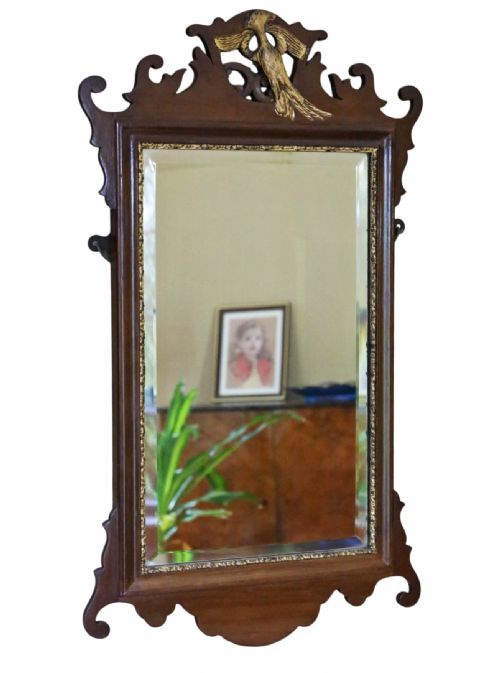


Chippendale Revival Mirror
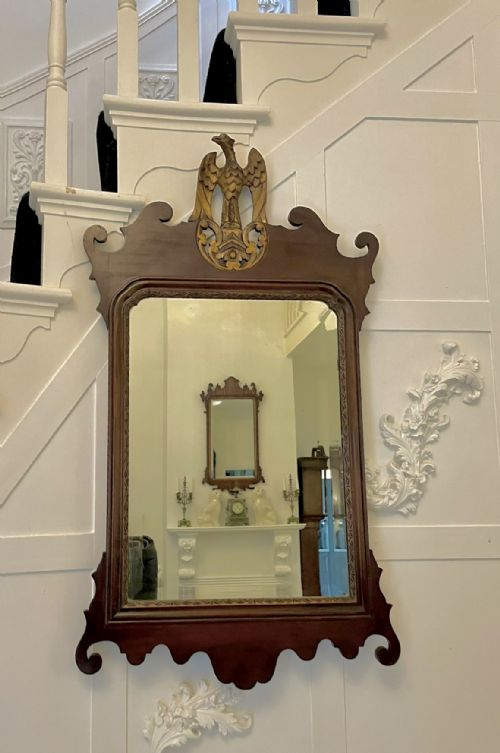
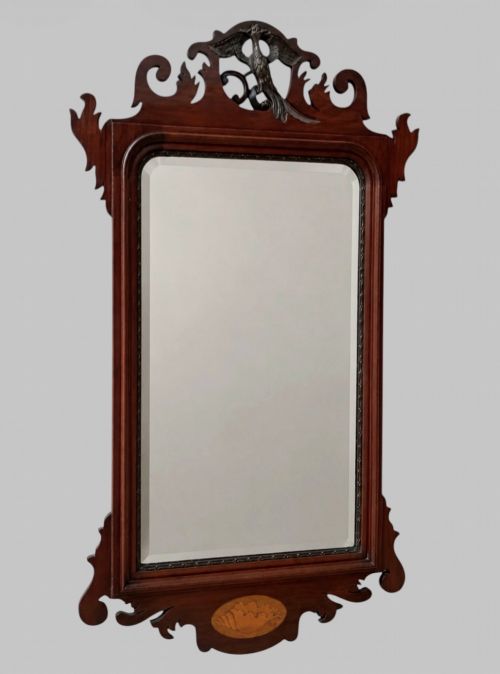
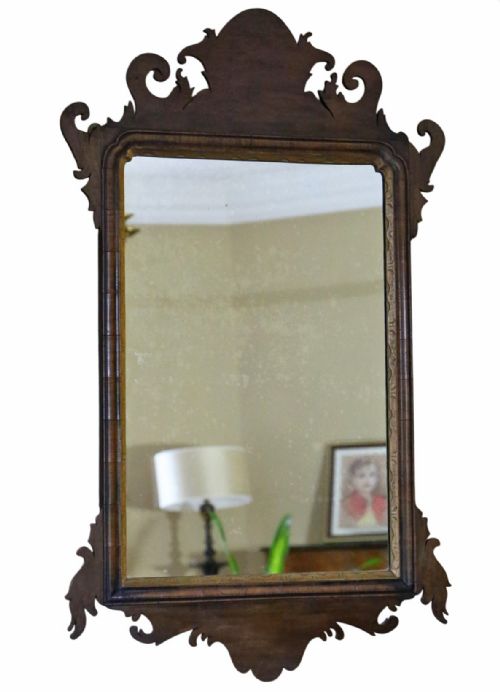
A chippendale revival mirror brings rich mahogany, giltwood, and fret-cut frames into a room, offering classic Georgian elegance reproduced with late Victorian and Edwardian craftsmanship.
Chippendale Revival Mirror
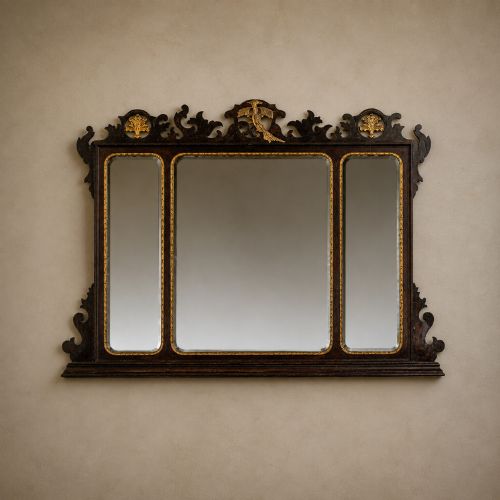
When you search for a chippendale revival mirror, you find pieces originating from periods spanning the late Victorian era through to the 1920s, alongside items influenced by Georgian designs. The most common form you will meet on this page is the wall mirror, frequently constructed with fretted mahogany, parcel gilt details, and bevelled glass. Other related formats appear occasionally, including overmantel mirrors and cheval mirrors, reflecting the broader scope of revival cabinet-making.
These items draw heavily on eighteenth-century aesthetics, incorporating scrollwork, crestings, and stylistic elements reminiscent of Chinese Chippendale and Rococo tastes. Dating typically ranges from the 1880s up to c.1920, capturing decades when workshops eagerly reinterpreted earlier Georgian grandeur for contemporary homes. The materials and forms consistently gesture back to historical precedents while maintaining the structural hallmarks of their actual manufacture dates.
Materials and construction
Makers utilised solid mahogany and walnut, often applying veneers and parcel gilt highlights to accentuate the intricate outlines of the fret-cut frames. Giltwood and gold leaf provide the luminous finish seen on crestings and mouldings, contrasting with the dark grain of the timber underneath.
Techniques relied heavily on precise fretsawn joinery to achieve the complex silhouettes characteristic of the style. Bevelled glass plates were fitted securely into the rebated frames, completing pieces that balanced decorative lightness with sturdy wooden backings.
Chippendale Revival Mirror Retail Price Guide 2026
Typical asking prices for chippendale revival mirror among the pieces listed under this phrase on Sellingantiques today, from the lower quarter to the upper quarter. They describe what is for sale here now, not the wider market.
Listings on this page span several decades, featuring pieces from the Victorian era, the Edwardian period, and the 1920s.
Assessing quality in revival mirrors
The sophistication of the fret-cut silhouette and the crispness of the carved details largely define the upper tier of these pieces. Hand-carved elements, delicate pierced scrolls, and well-executed parcel gilding demonstrate a higher standard of workmanship than simpler, flatter mouldings.
The choice and preparation of the timber also distinguish finer examples, particularly where figured mahogany or rich walnut veneer is selected. Original bevelled glass and well-preserved gilding further elevate a piece, showing sustained care alongside superior initial manufacture.
The Chippendale Revival Mirror Glossary
- Fret-cut
- Wood cut into decorative geometric or scrolling patterns using a fretsaw. This technique creates the characteristic pierced silhouette seen on many frames.
- Parcel Gilt
- Partially gilded, where gold leaf is applied only to specific raised carved details rather than the entire surface. This highlights particular decorative motifs against a dark wood background.
- Overmantel Mirror
- A large mirror designed to hang specifically above a fireplace mantelpiece. These often feature an extended horizontal proportion to match the width of the fireplace below.
- Cheval Mirror
- A full-length dressing mirror suspended on a vertical swivelling frame between two upright posts. This freestanding form allows the glass to tilt at various angles.
Chippendale Revival Mirror: Frequently Asked Questions
How do I date a chippendale revival mirror?
Dating relies on examining the timber construction, the backing boards, and the characteristics of the glass plate. Revival pieces commonly date from the late nineteenth century through to the 1920s, showing Victorian or Edwardian manufacturing traits.
Clues also lie in the style of the screws, fixings, and the wear patterns on the gilt or wood finish. Comparing the proportions and decorative motifs helps confirm whether a piece belongs to the primary revival eras.
What is Chinese Chippendale style?
Chinese Chippendale refers to eighteenth-century designs incorporating Asian-inspired motifs such as pagodas, lattice work, and exotic birds. Revival pieces frequently adopt these elaborate, fretted patterns.
In mirrors, this style typically manifests as intricate fret-cut wooden frames featuring distinctive crestings like the Ho-Ho bird. These decorative elements set them apart from plainer Georgian or Victorian wall mirrors.
How were overmantel mirrors used?
Overmantel mirrors were traditionally hung on the wall directly above the fireplace in principal reception rooms. Their generous scale helped to reflect candlelight and natural daylight around the room.
Today, they serve a similar function in domestic interiors, anchoring a chimney breast and adding depth to a space. Their horizontal format makes them a natural focal point above a mantel.
Are these mirrors made of solid mahogany?
Many examples utilise solid mahogany or walnut for their primary frames, particularly where intricate fretwork requires strong timber. Other pieces employ mahogany veneers over secondary woods.
The choice of material often depends on the date of manufacture and the complexity of the carved scrollwork. Inspecting the grain and edges helps reveal how the frame was constructed.