
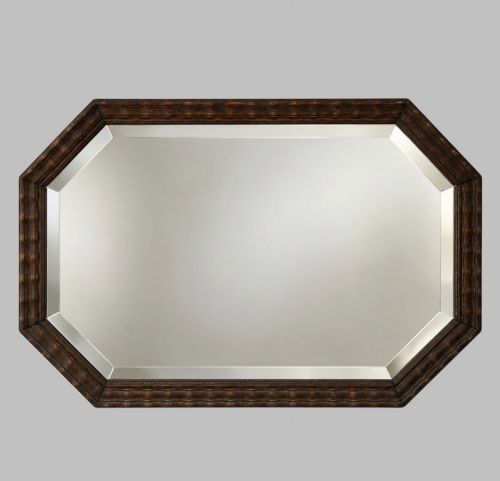
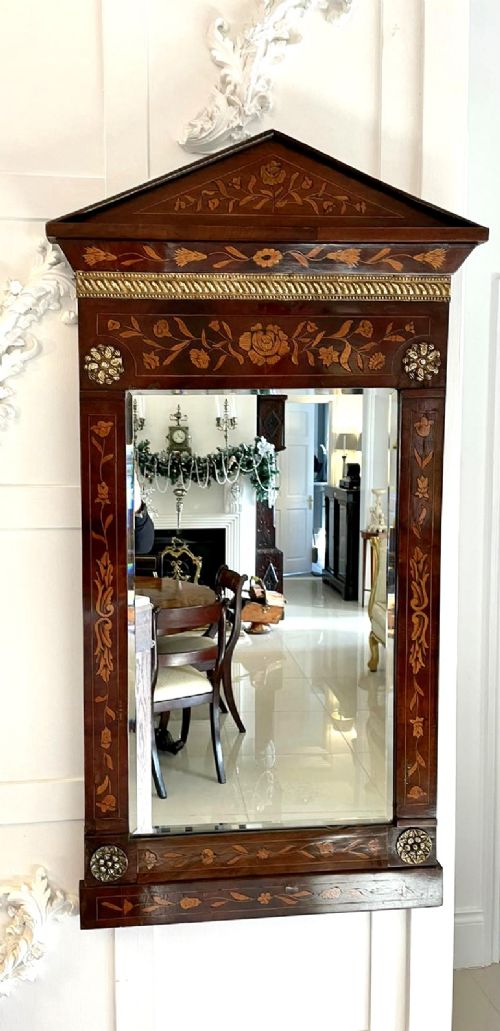
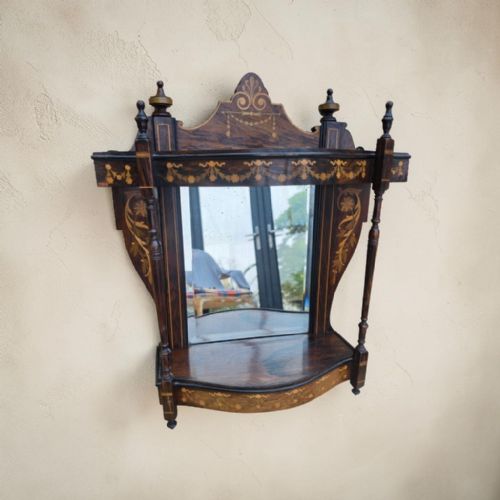
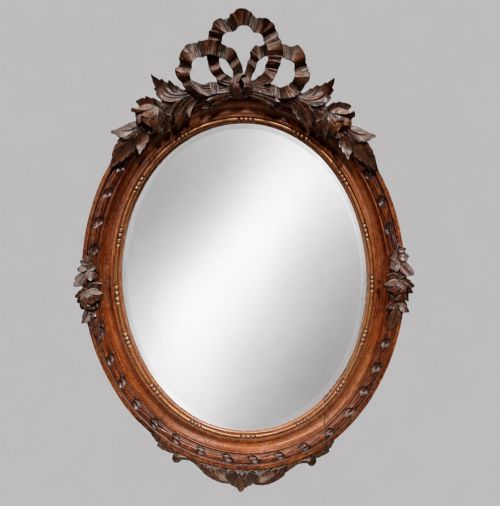
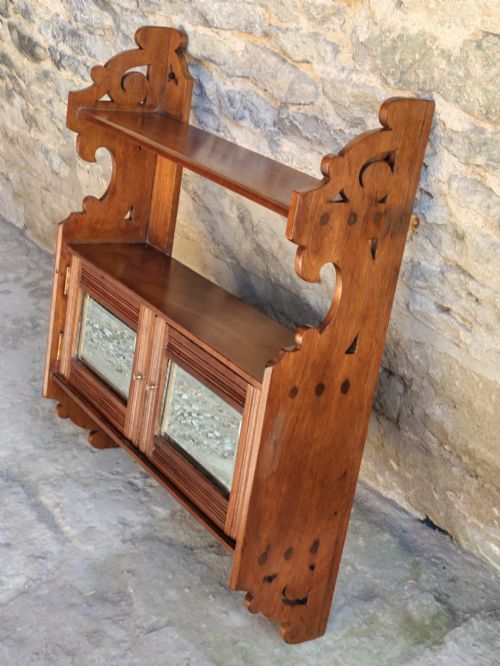

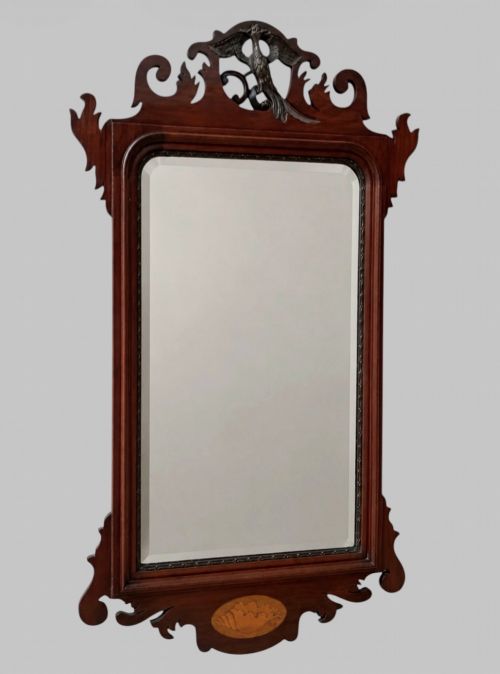
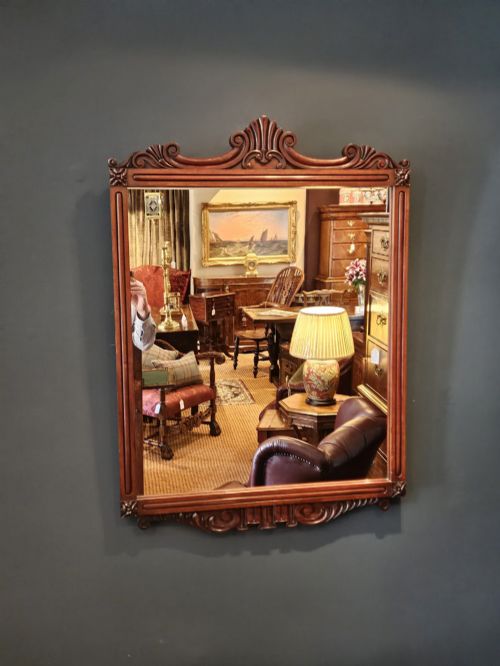
Dark Wood Hanging Mirror
These dark wood hanging mirror pieces offer warm tones and traditional craftsmanship, bringing character and practical reflection to any interior.
What these pieces are
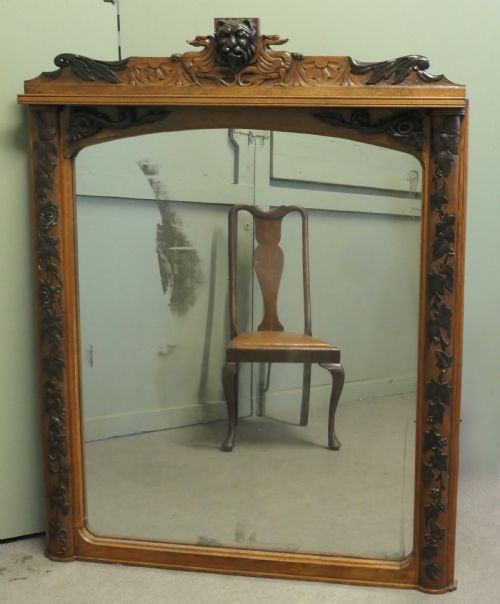
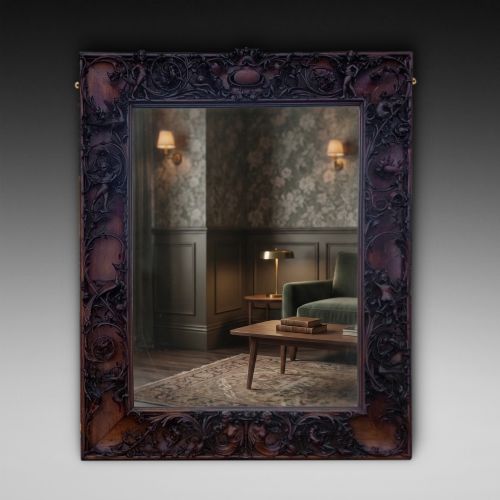
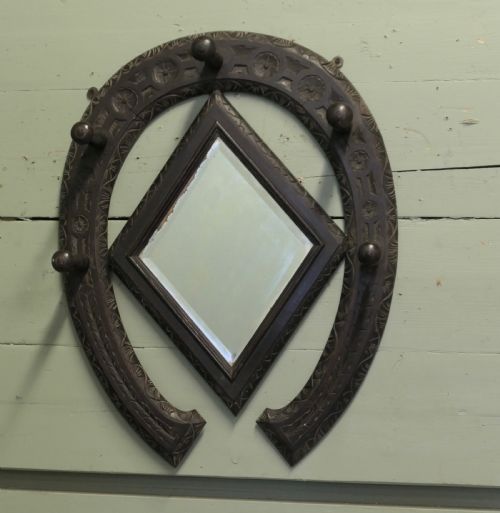
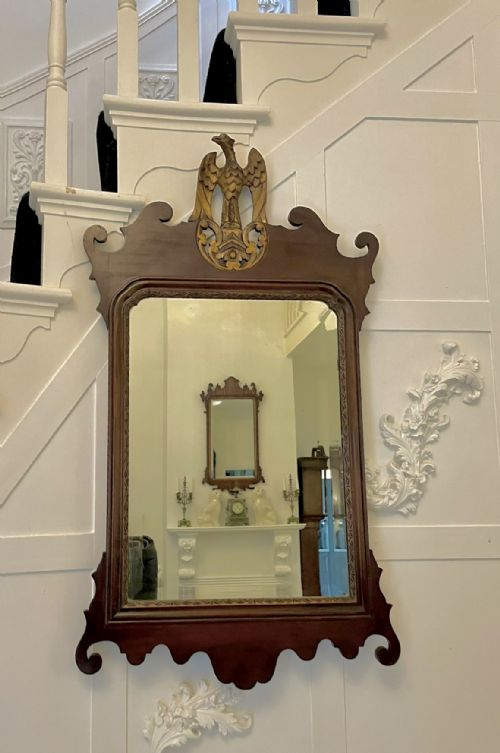
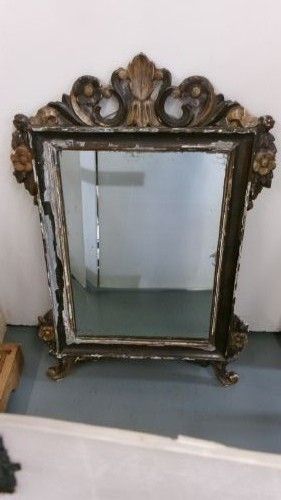
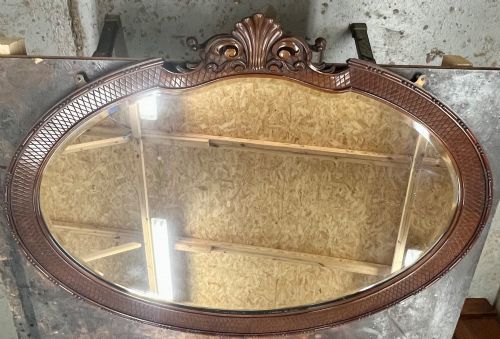
A dark wood hanging mirror brings practical reflection and rich historic timber into a room, spanning wall mirrors from the Georgian and Victorian eras through to Edwardian interpretations. These pieces function as focal points in hallways and reception rooms, combining utility with decorative presence.
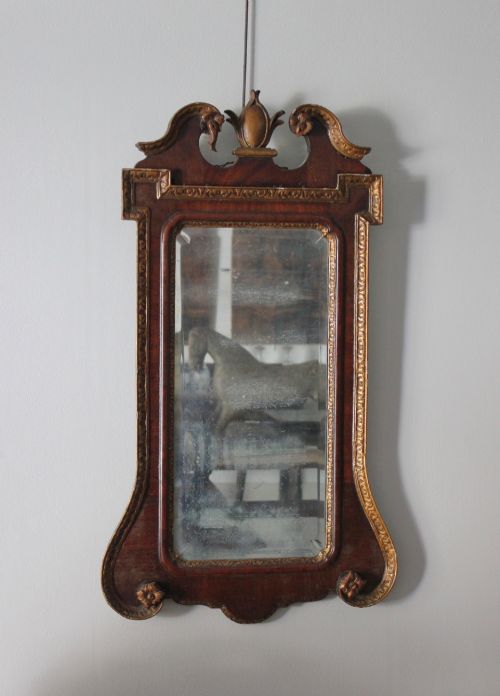
Buyers encounter a variety of revivals alongside earlier origins, including Chippendale Revival and 18th century Baroque styles. This mix provides both restrained domestic furnishings and grander decorative statements.
How they were made
Constructed primarily from solid mahogany and oak, these frames utilise traditional timber preparation and joinery techniques. Carved wood details, gesso work and parcel gilt highlights provide decorative contrast against the dark wood grounds.
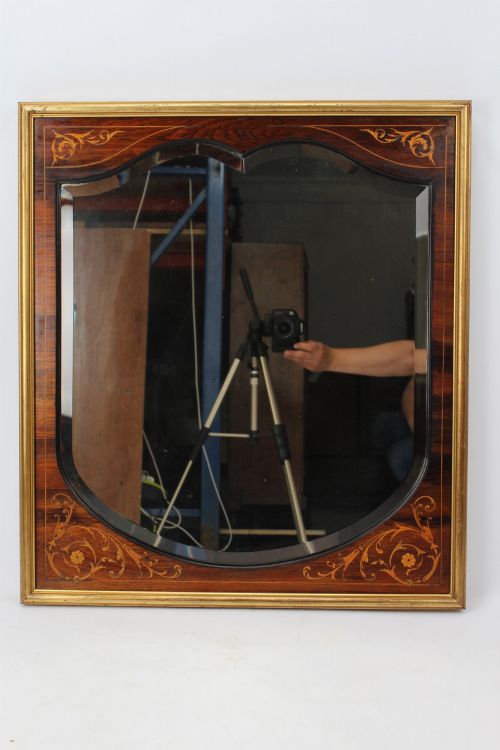
Glass components include bevelled glass plates set securely within hand-worked wooden rabbets. Fretwork elements and shaped crests demonstrate skilled hand-cutting and shaping by period makers.
Retail Price Guide 2026
Typical UK retail prices for dark wood hanging mirror, calculated from the Sellingantiques database of over a million retail prices indexed since 2003. This retail price guide relies exclusively on Sellingantiques data; no external sources or auction records are used, so the figures do not describe the wider market.
The listings feature wall mirrors spanning the Georgian period, the Victorian era, and Edwardian 1900 designs.
What varies in quality
Quality rests in the crispness of the carved wood details and the depth of the mahogany or oak grain. Finer examples display precise fretting and well-executed parcel gilt applications that complement rather than overwhelm the timber.
The integrity of the frame construction and the clarity of the glass plate distinguish finer pieces. Original surfaces and well-preserved gesso enrich the character of the mirror.
The Dark Wood Hanging Mirror Glossary
- Mahogany
- A dense tropical hardwood prized for its rich reddish-brown colour and stable grain, frequently used in high-status furniture and mirror frames.
- Gesso
- A plaster-like mixture applied to wood surfaces to create a smooth base for gilding or painting, often seen on parcel gilt frames.
- Parcel Gilt
- A decorative technique where specific areas of a wooden object are highlighted with thin layers of gold leaf, contrasting with the dark wood.
- Fretwork
- Openwork ornamentation cut from thin wood panels using a fretsaw, characteristic of Chippendale and revival wall mirrors.
- Bevelled Glass
- Mirror glass with angled, polished edges that refract light and add a refined decorative border to the reflection.
Frequently Asked Questions
How do I hang a heavy wooden mirror safely?
Heavy frames require sturdy fixings screwed directly into wall studs or appropriate masonry anchors to support the weight securely.
Ensure the hanging wire or integrated brackets on the back of the mirror are robust and properly tensioned before mounting.
How do I clean an antique mirror frame?
Dust the dark wood gently with a soft, dry cloth to prevent accumulation without disturbing the finish or gilt details.
Avoid using harsh chemical sprays or abrasive liquids that might damage historic wood surfaces or original gesso.
Are these mirrors suitable for bathrooms?
Excessive moisture and humidity in bathrooms can damage historic timber frames, gesso and mirror silvering over time.
Positioning these pieces in dry living areas, hallways or bedrooms helps preserve the integrity of the wood and glass.
How do I distinguish a Georgian mirror from a revival piece?
Examination of the timber characteristics, backboards and construction fixings reveals clues regarding the period of manufacture.
Georgian originals display period-specific joinery and tool marks, whereas revival pieces like Chippendale Revival items reflect later interpretations of earlier styles.