
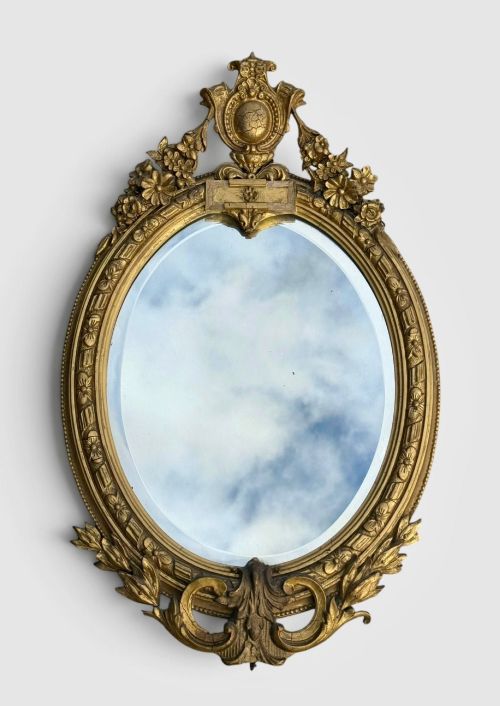
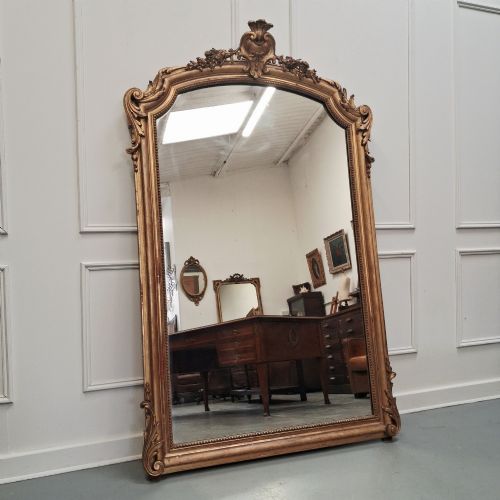
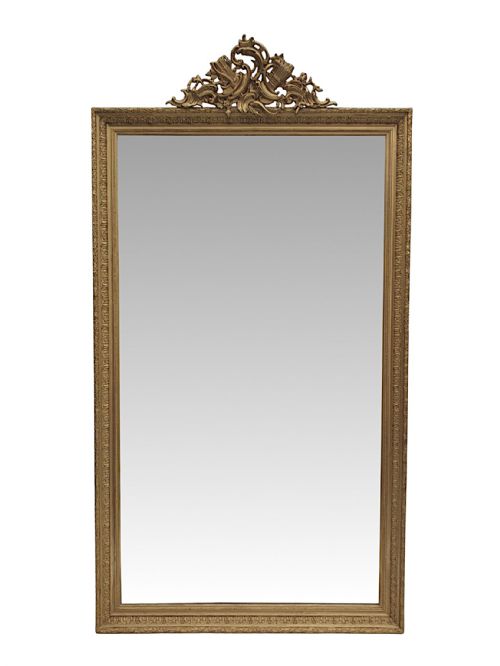
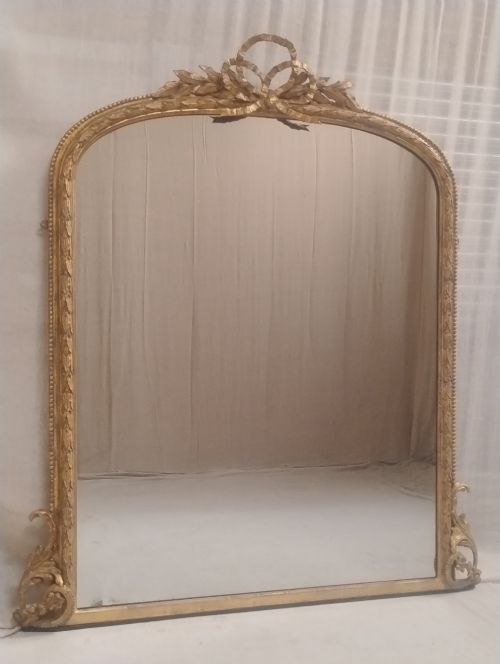
Victorian Crest Mirror
When you search for a victorian crest mirror, you are looking at substantial decorative glass framed by carved wood, gesso, and gilt finish, designed to anchor a room.
Victorian Crest Mirror
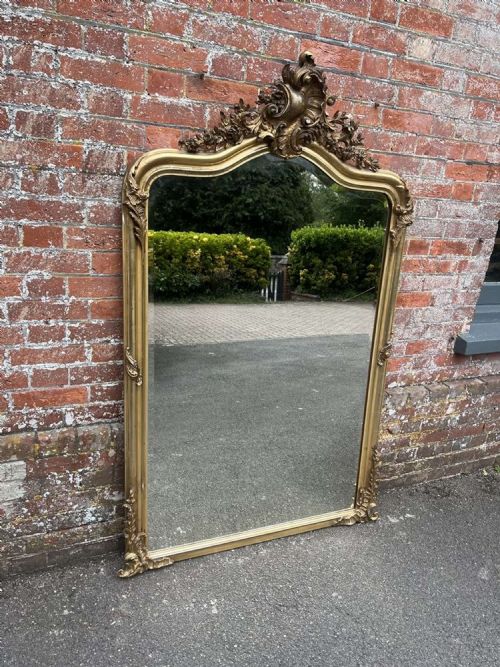
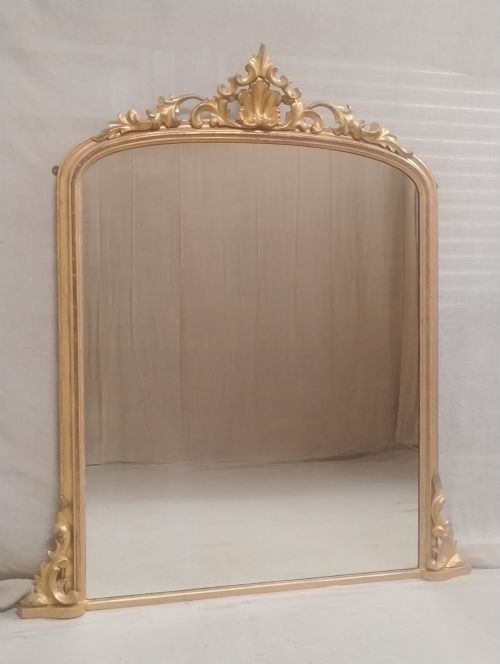
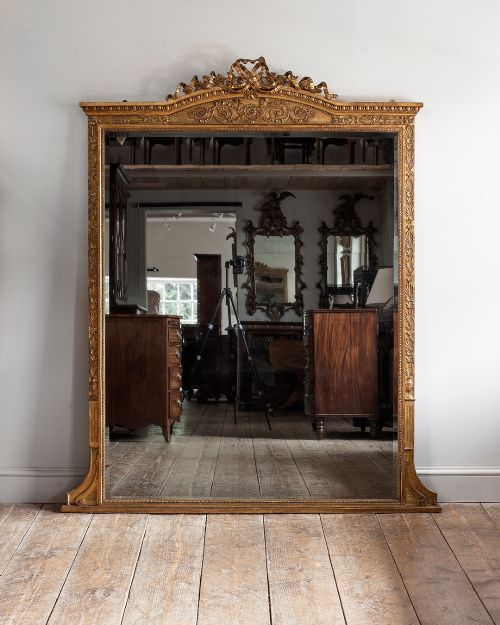
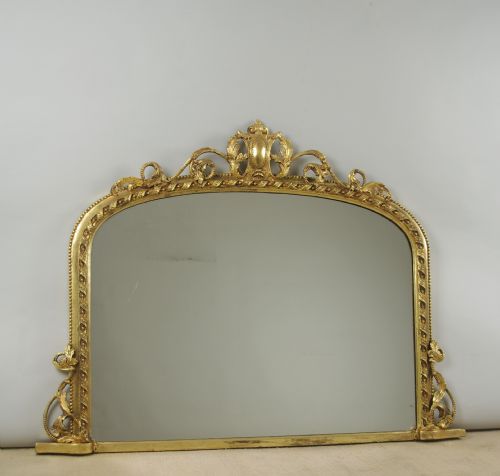
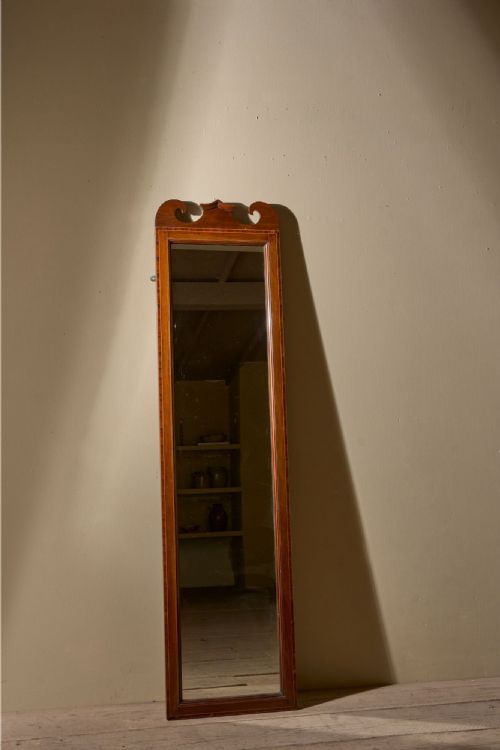
A victorian crest mirror brings together the heavy proportions of the nineteenth century and the decorative ornamentation applied to the top of the frame. These pieces appear as large overmantels, tall pier glasses, and smaller wall-hung formats with carved wooden motifs.
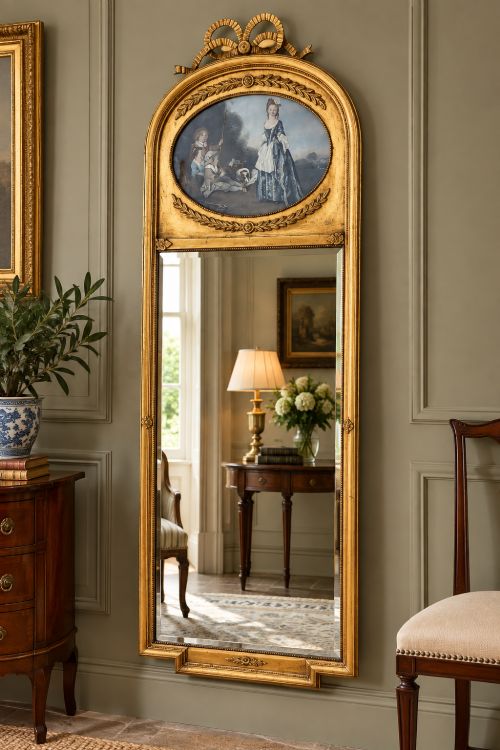
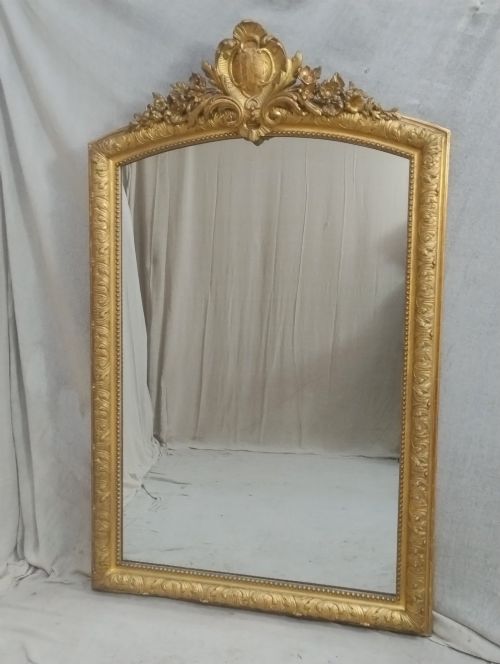
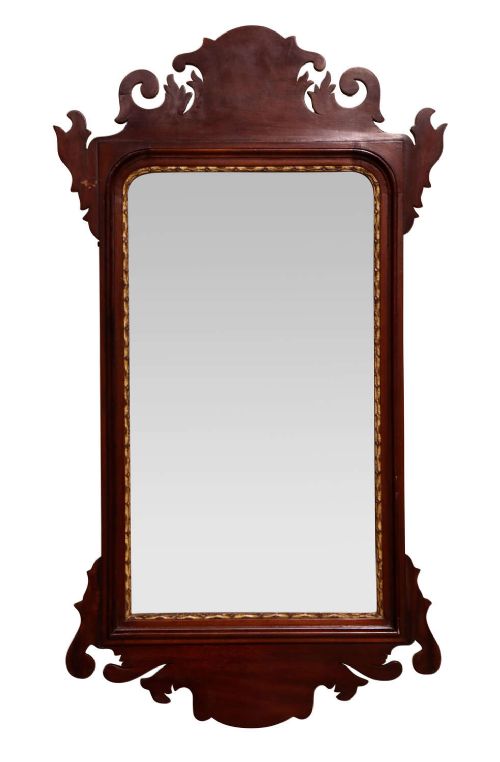
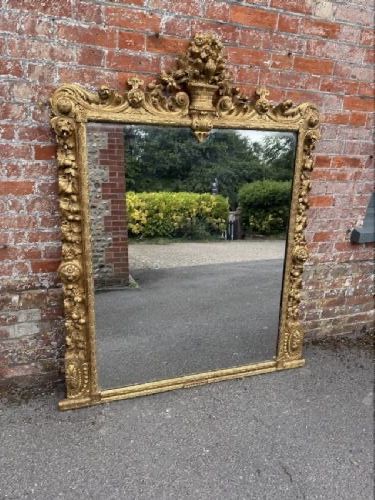
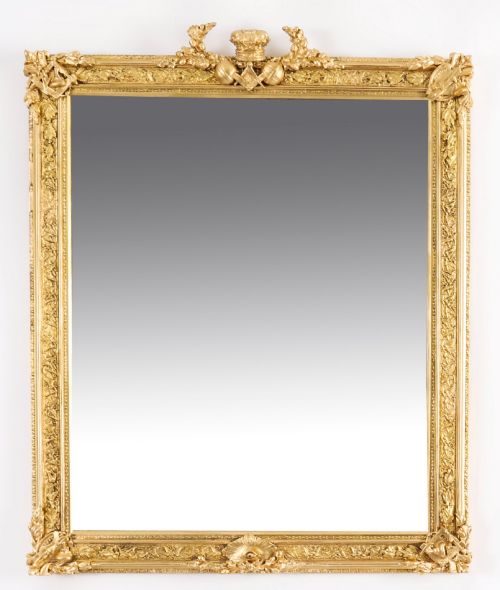
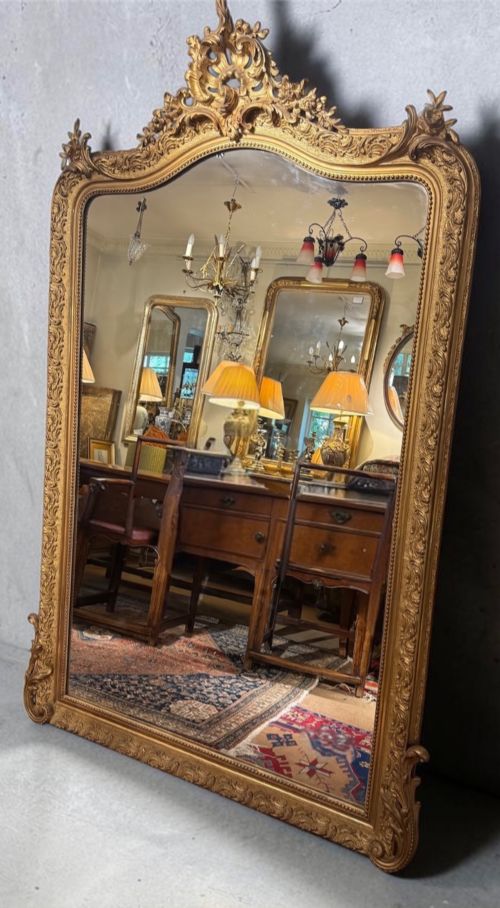
The selection here draws primarily from nineteenth-century English and French workshops, utilising styles that range from simple arched tops to ornate Chippendale revival fretwork and neoclassical swags. The defining feature is the cresting above the main glass plate, whether formed as a carved bird, a cartouche, or floral detailing.
Buyers will find that many examples incorporate giltwood and gesso over a wooden base, while others utilise solid mahogany, ebonised timber, or parcel-gilt finishes. These mirrors served both functional dressing purposes and decorative display above mantelpieces in period interiors.
How they were made
The frames of these pieces rely on carved wood such as mahogany or underlying softwood carcasses built to support heavy glass plates. Craftsmen applied layers of gesso - a mixture of plaster and glue - directly to the wood to build up relief details and mouldings before gilding.
Gilt finishes were achieved by applying thin sheets of gold leaf or composition metal over the prepared gesso surfaces, often burnished to create contrasting matte and bright areas. For more sombre furniture, makers utilised ebonisation or polished mahogany surfaces accented with parcel-gilt highlights.
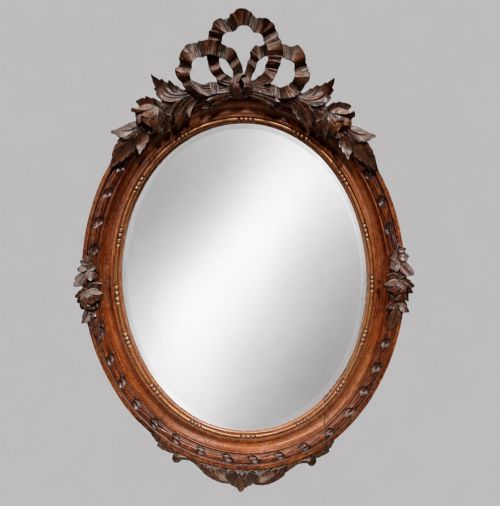
The crests positioned at the top of the frame were typically carved separately and joined to the main structure, utilising motifs such as ribbons, rosettes, urns, or birds like the Ho-Ho bird. Mirror glass itself was held within the rebate and secured from the rear with wooden backing panels.
Object types recorded across the inventory include wall mirrors, overmantel mirrors, pier mirrors, cheval mirrors, and table mirrors.
What varies in quality
The distinction between standard examples and finer pieces rests on the depth and crispness of the hand-carving on the frame and crest. Superior mirrors display sharply defined foliage, urns, and figures rather than soft, moulded composition ornaments.
Originality of the gilding and the mirror glass itself dictates the standing of an individual piece within its period. Traces of original gold leaf, untouched surfaces, and period mirror plates showing natural foxing hold greater merit than modern replacements.
Structural integrity of the joints, particularly where heavy overmantel crests and display brackets meet the main frame, determines how well the piece has survived. Careful assembly and substantial timber thickness separate robust domestic mirrors from lighter decorative items.
The Victorian Crest Mirror Glossary
- Gesso
- A prepared mixture of chalk, gypsum, and size used as a smooth base for gilding and relief moulding on wooden frames. It allows intricate decorative details to be formed around the edges of the mirror.
- Giltwood
- Timber that has been coated with gold leaf or metal leaf applied over a prepared ground. This material provides the bright reflective surfaces characteristic of grand nineteenth-century frames.
- Overmantel Mirror
- A wide mirror specifically designed to sit on the mantelpiece above a fireplace. These large formats often feature pronounced cresting to fill the vertical space of the chimney breast.
- Pier Mirror
- A tall, narrow mirror made to hang on the wall space between two windows, known as the pier. They frequently incorporate lower console tables or display brackets.
- Parcel-Gilt
- A finishing technique where only specific raised details or carved elements of a dark wooden frame are highlighted with gold leaf. This creates a striking visual contrast against ebonised or polished mahogany.
- Cartouche
- An ornamental framed tablet or oval shield motif, often placed centrally within the cresting of a mirror. It provides a focal point for carved decoration and heraldic designs.
Victorian Crest Mirror: Frequently Asked Questions
Where should I hang a large overmantel mirror?
These mirrors were originally designed to sit directly upon a fireplace mantelpiece, anchored securely to the wall to support their substantial weight. Placing them in this traditional position reflects light back into the room and balances the hearth below.
Alternatively, they function effectively mounted lower down on main living room walls as standalone focal points. Ensure the wall construction can bear the combined weight of the heavy wooden frame and glass plate.
What is a cresting on a mirror?
The cresting refers to the decorative element mounted at the very top of the mirror frame. In nineteenth-century pieces, these decorative additions include carved ribbons, urns, birds, and floral swags.
Cresting serves to break the rectangular line of the glass and adds vertical height to the overall composition. It is often carved separately from the main body and joined during assembly.
How can I tell a Victorian mirror from a later copy?
Examine the construction methods visible from the rear, including the type of screws, nails, and timber used for the backing boards. Nineteenth-century pieces typically exhibit hand-cut joints, older fixings, and natural shrinkage in the wood.
The mirror glass itself often displays subtle distortions, tiny bubbles, or age-related foxing spots that differ from modern float glass. Additionally, the composition ornaments on older frames show the wear patterns of genuine age.