


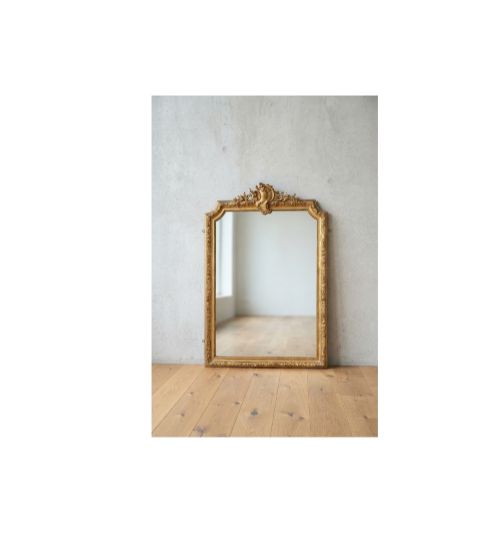
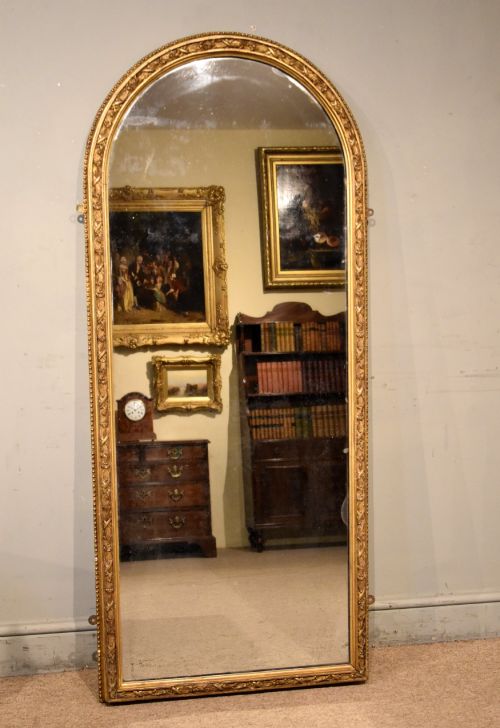
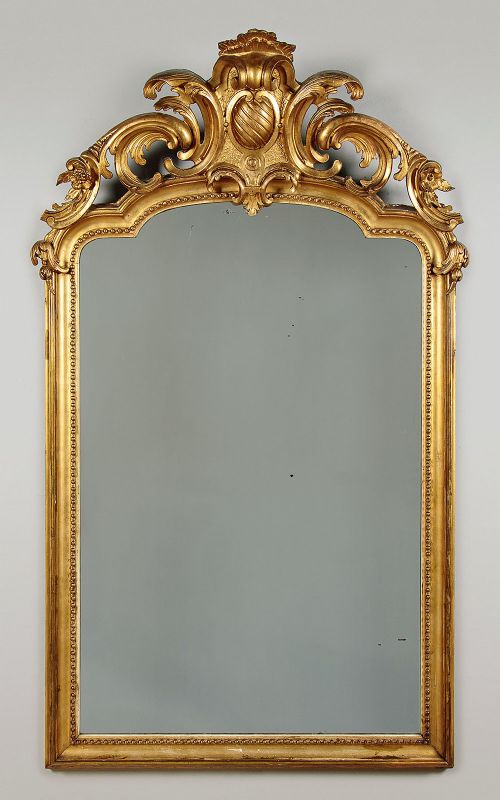
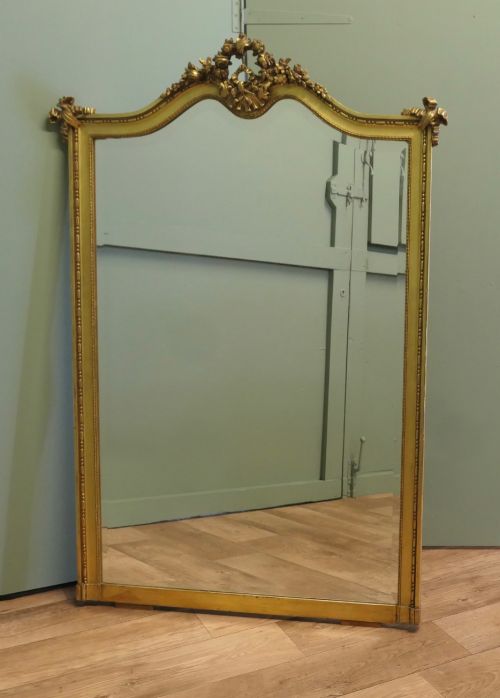
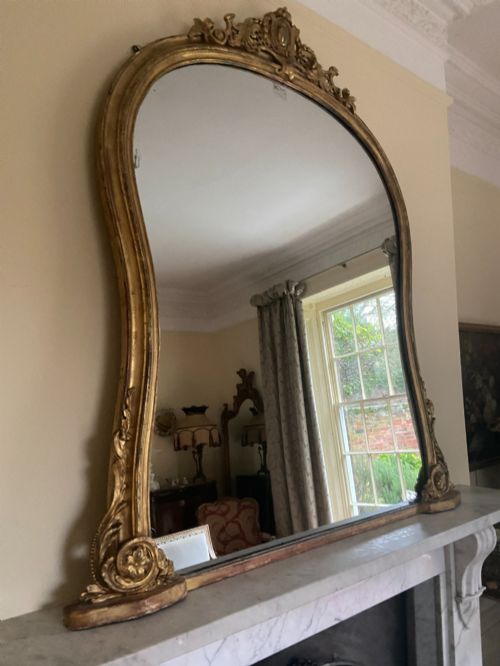
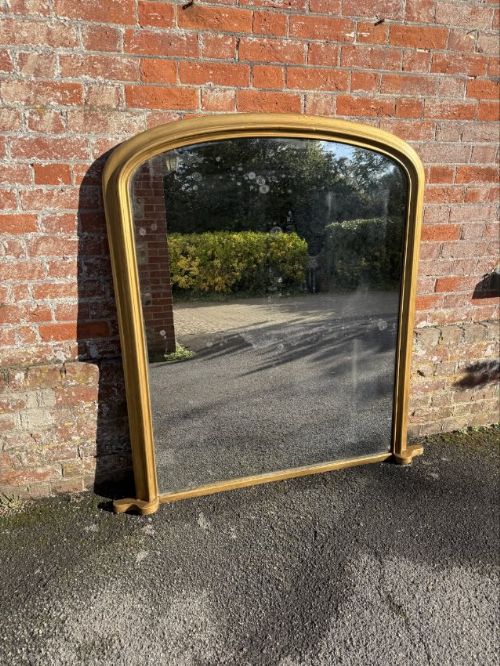
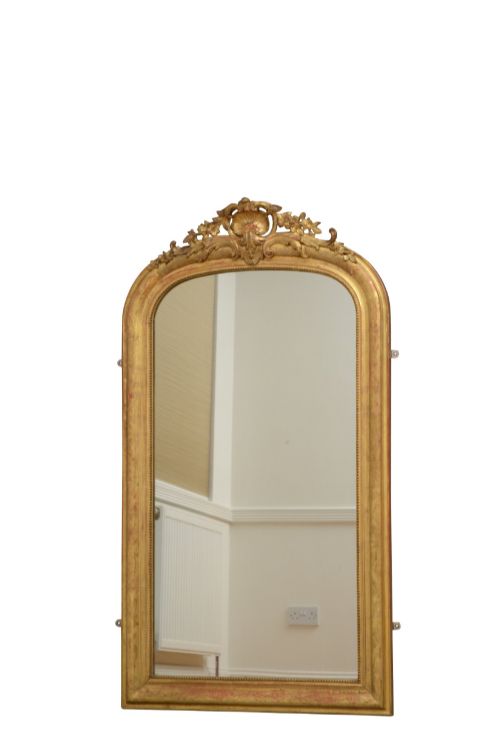
Arched Giltwood Mirror
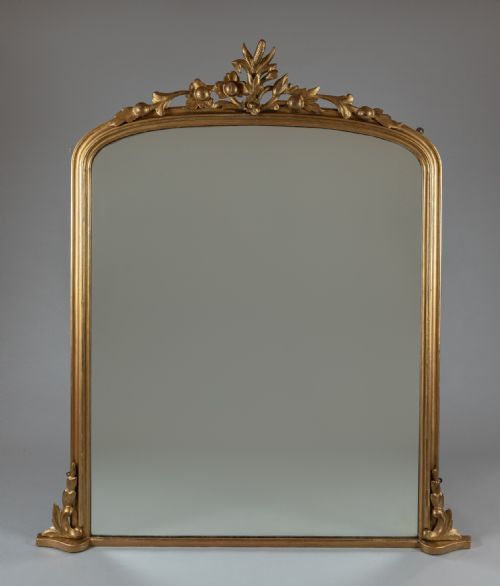
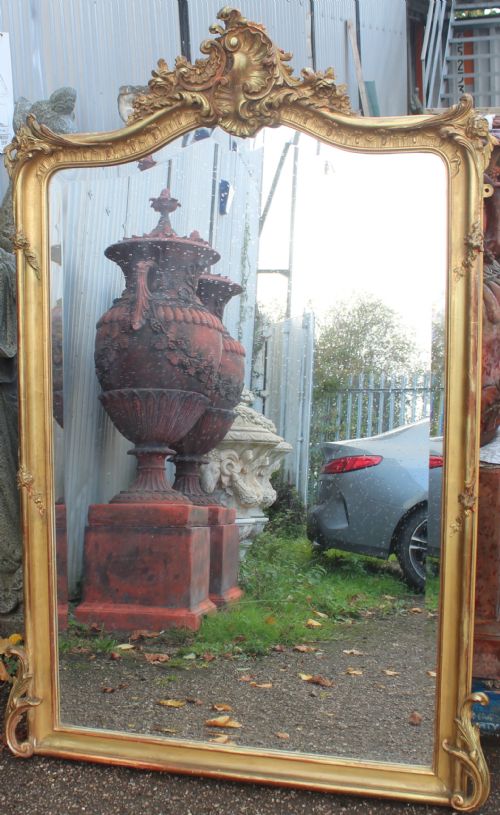
An arched giltwood mirror brings light and scale to a room, drawing the eye with curved timber frames finished in gleaming gold leaf.
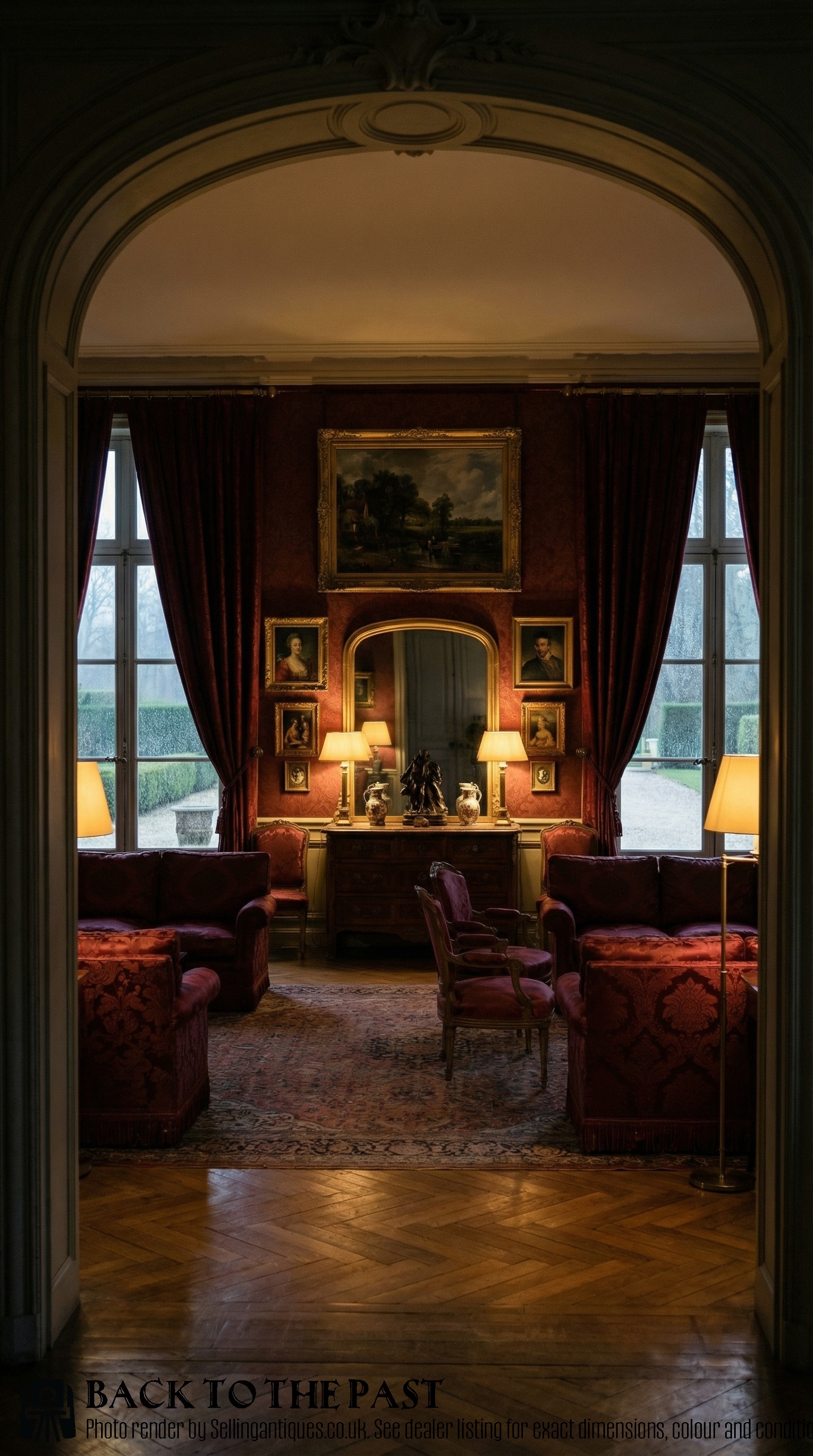
Arched Giltwood Mirror
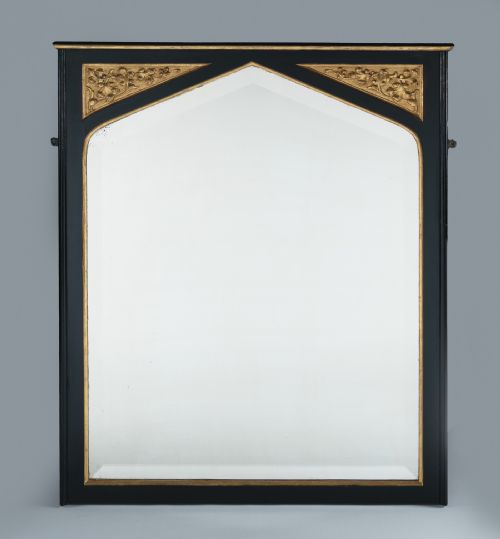
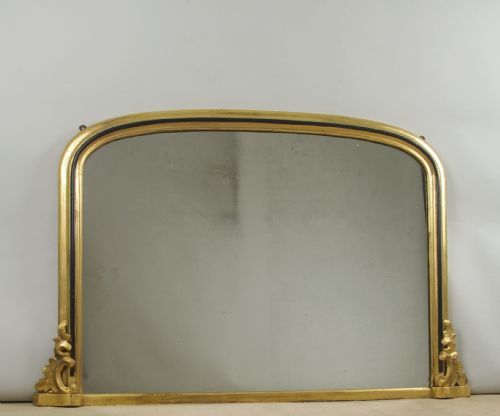
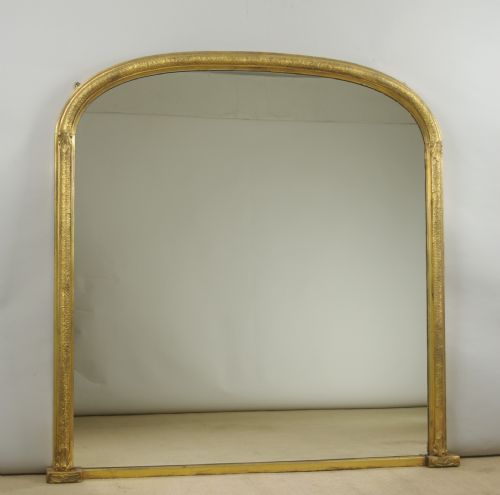
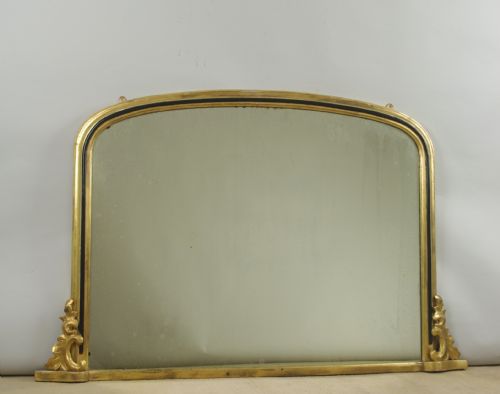
An arched giltwood mirror is a decorative looking glass defined by a curved upper frame and a gilded wooden surface. These pieces range from substantial overmantle mirrors designed to sit above fireplace hearths to tall pier and wall mirrors intended for vertical spaces.
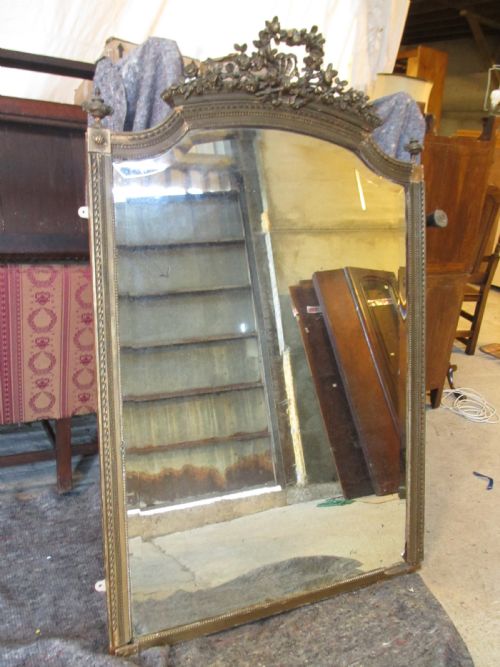
The versions most commonly met on this page date from the nineteenth century, including Victorian and French Louis Philippe periods. Many carry shaped tops and substantial proportions designed to anchor a room.
Makers shaped these frames in wood, gesso, and composition, applying gold leaf or paint to create rich reflective surfaces. They appear in styles from understated Regency lines to elaborate Rococo revival curves.
How they were made
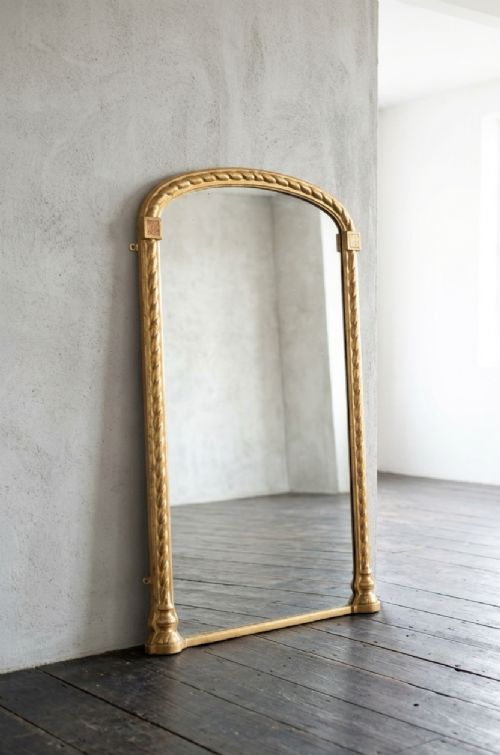
Craftsmen built the core frames from timber such as wood, applying layers of gesso and composition paste to shape intricate details like rope twists or floral motifs. This compound layer provided a smooth, receptive surface for subsequent gilding.
Workers applied thin sheets of gold leaf over the prepared gesso, burnishing sections to achieve a bright metallic finish while leaving other areas matte for contrast. Painted wood variations also appear, combining pigment with gilt accents.
Glaziers set mercury glass or standard mirror plates into the assembled frames, sometimes securing them with original wooden backs. Over decades, these plates developed characteristic foxing and age spots.
Arched Giltwood Mirror Retail Price Guide 2026
Typical asking prices for arched giltwood mirror among the pieces listed under this phrase on Sellingantiques today, from the lower quarter to the upper quarter. They describe what is for sale here now, not the wider market.
Listings feature arched giltwood mirrors spanning the Georgian, Victorian, and French Louis Philippe periods, constructed in wood, gesso, and gold leaf.
What varies in quality
The depth and crispness of the carved gesso decoration separate standard production from finer work. Superior examples display sharp relief in their scrollwork, rope twists, and floral elements without the softening seen in hurried composition moulds.
The integrity of the original gold leaf finish dictates much of the visual weight. Pieces retaining their early gilding exhibit a warm, complex patina, whereas heavy overpainting or clumsy regilding flattens the surface texture.
Proportion and scale define the best examples in this category. Well-balanced frames maintain structural harmony across large overmantle and pier formats without appearing clumsy or over-adorned.
The Arched Giltwood Mirror Glossary
- Giltwood
- Wood that has been coated with gold leaf. This technique provides a durable metallic finish that catches ambient room light.
- Gesso
- A plaster mix applied to wooden frames before gilding. It allows artisans to carve intricate relief details onto the substrate.
- Overmantle
- A large mirror designed to hang specifically above a fireplace mantelpiece. These pieces often feature wide arched tops to fill tall wall spaces.
- Pier mirror
- A tall, narrow looking glass built to hang on the wall space between two windows. They frequently incorporate lower console supports or simple frames.
- Foxing
- Small dark spots and speckles that develop on antique mirror plates over time. This chemical ageing process occurs as the silvering backing degrades.
- Louis Philippe
- A French nineteenth-century style characterised by restrained curves and simple arched profiles. These frames favour understated elegance over heavy ornamentation.
Arched Giltwood Mirror: Frequently Asked Questions
Where should an arched giltwood mirror be hung?
These mirrors traditionally anchor spaces above fireplace hearths or anchor walls between tall windows. Their curved tops draw the eye upward, making them effective focal points in reception rooms.
Ensure the wall construction can support the weight of timber and gesso frames. Secure them properly using heavy-duty fixings matched to the scale of the piece.
How do I identify a nineteenth-century mirror?
Examine the construction of the frame behind the gilding, looking for hand-carved wood elements alongside moulded gesso composition. Older pieces often retain original backboards and hand-beveled glass plates.
Check for signs of age in the reflective plate, such as subtle foxing or uneven thickness. Nineteenth-century examples typically display construction methods distinct from later mass-produced reproductions.
What is the difference between an overmantle and a wall mirror?
Overmantle mirrors are specifically proportioned to sit horizontally or vertically above fireplace surrounds, often featuring wide frames designed to fill the chimney breast. Wall mirrors serve general decorative functions across any room.
Both forms share arched top silhouettes, but overmantle variants generally offer broader proportions suited to grounding large architectural wall spaces.
How do I care for antique gilt surfaces?
Dust the frame gently with a soft, dry brush to prevent accumulation in the carved gesso crevices. Avoid chemical cleaners or moisture, which can damage delicate gold leaf layers.
Keep the mirror away from direct sunlight and damp environments to protect the historic gilding and prevent further degradation of the glass plate.