
Ornate Giltwood Frame
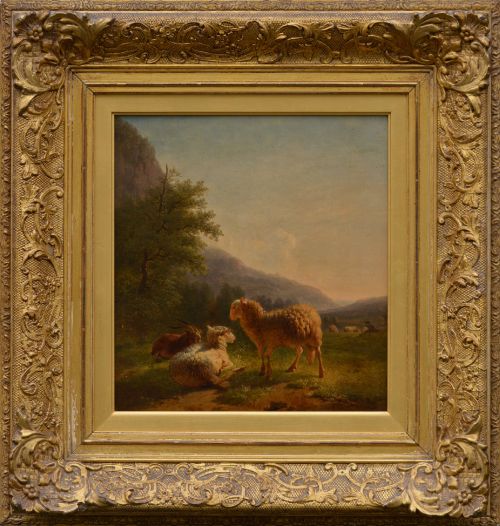
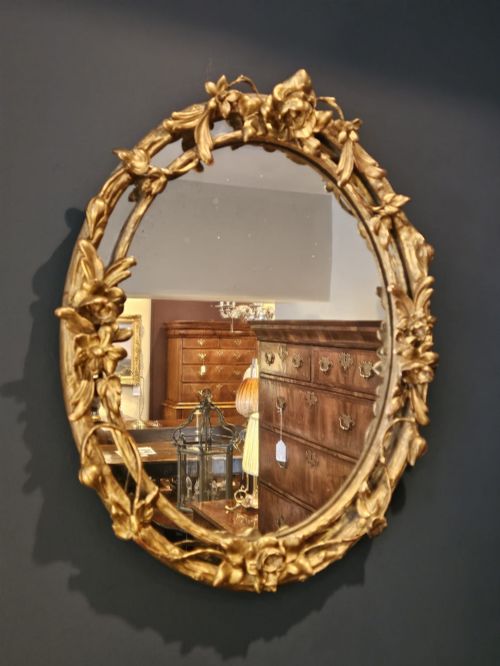
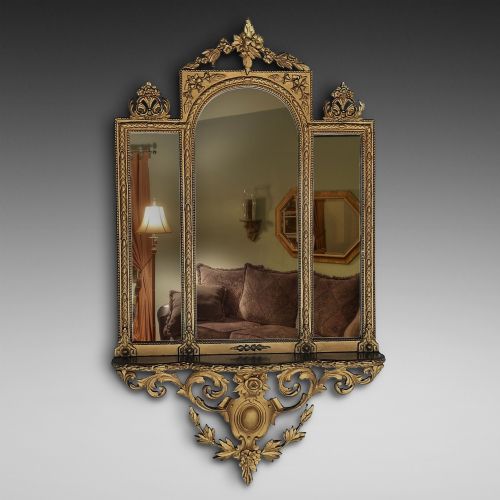
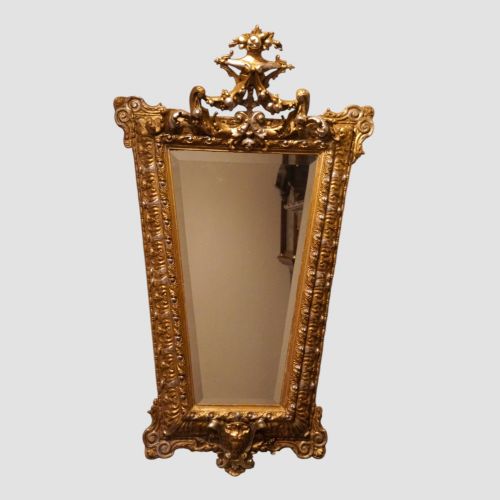
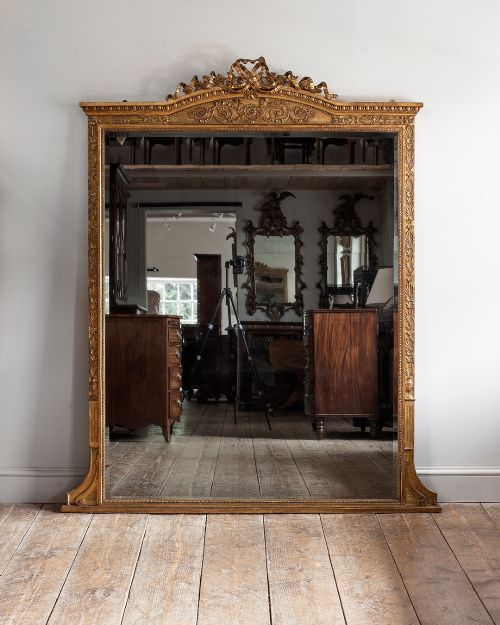
An ornate giltwood frame catches the candle- and daylight with centuries of layered gold leaf, bringing architectural depth and heavy theatrical presence to any wall.
Ornate Giltwood Frame
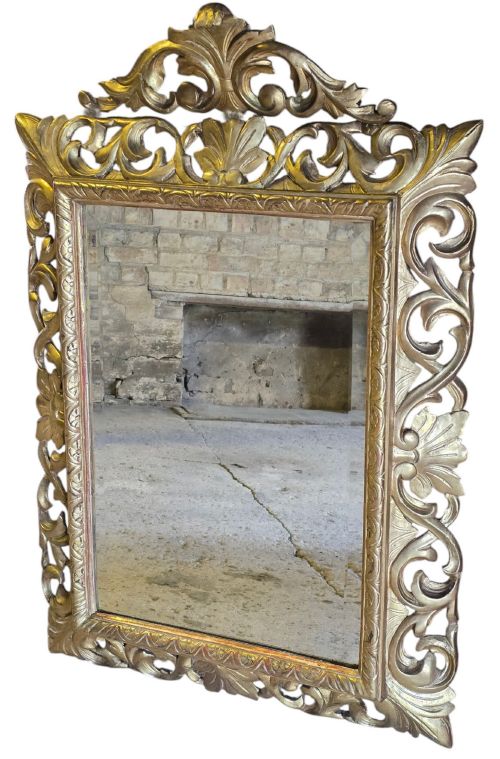
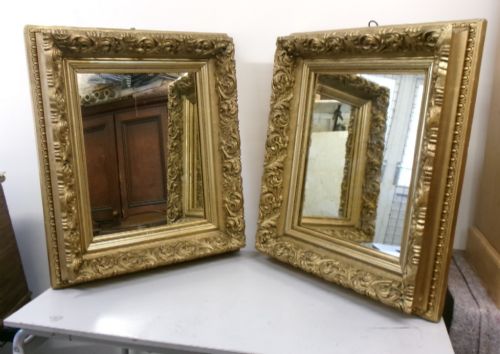
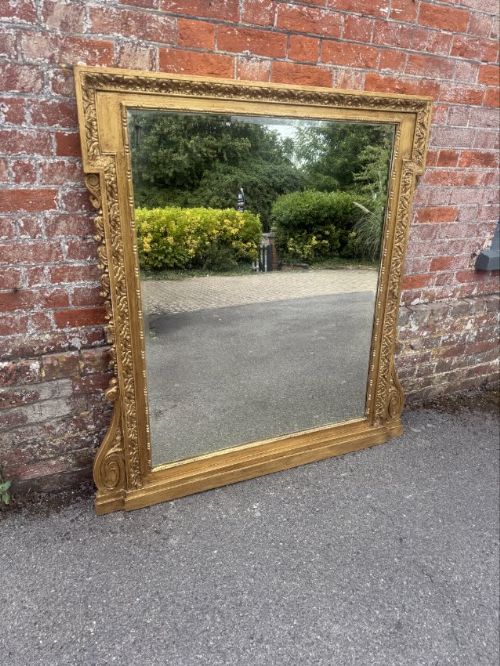
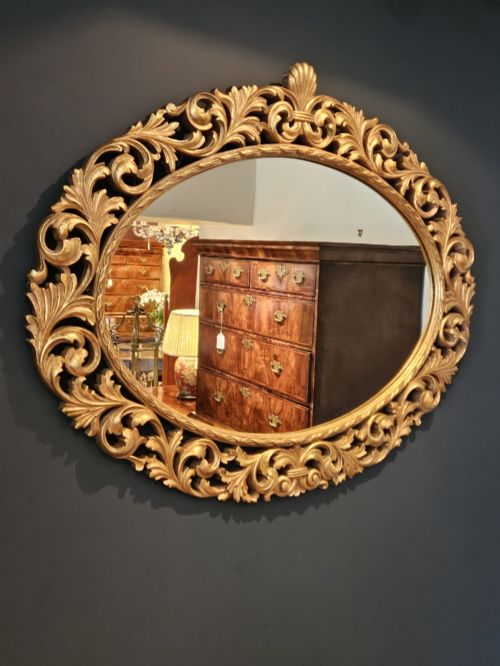
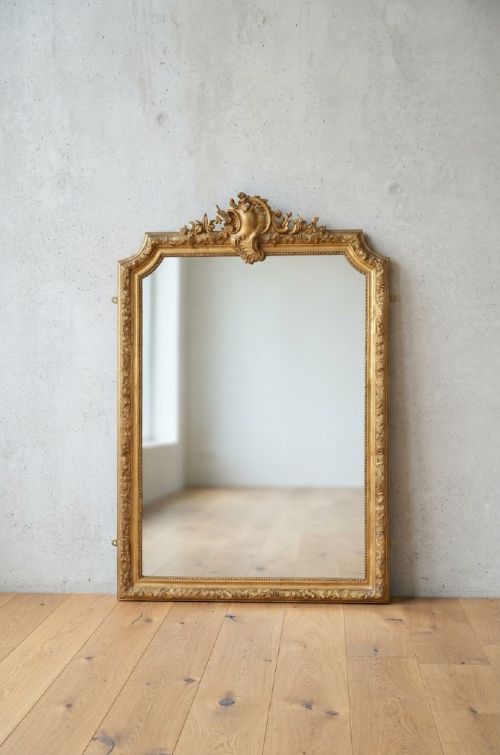
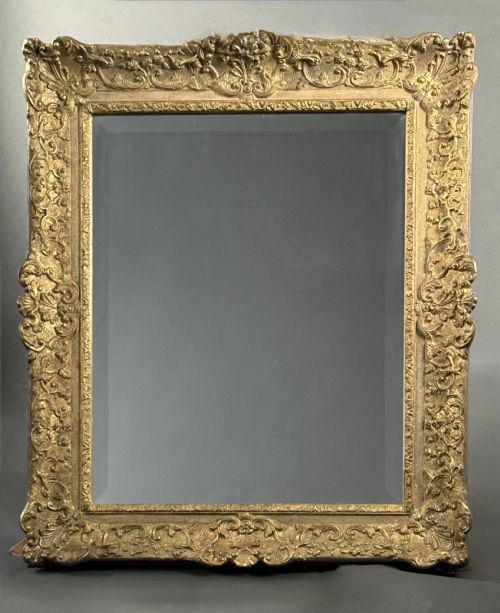
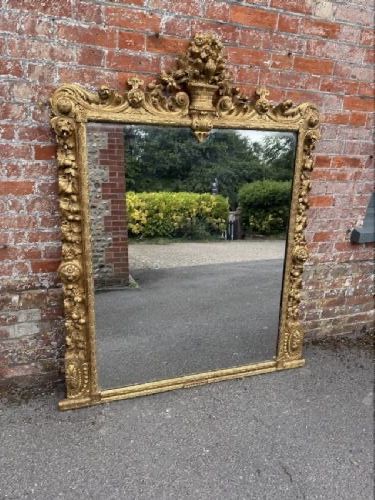
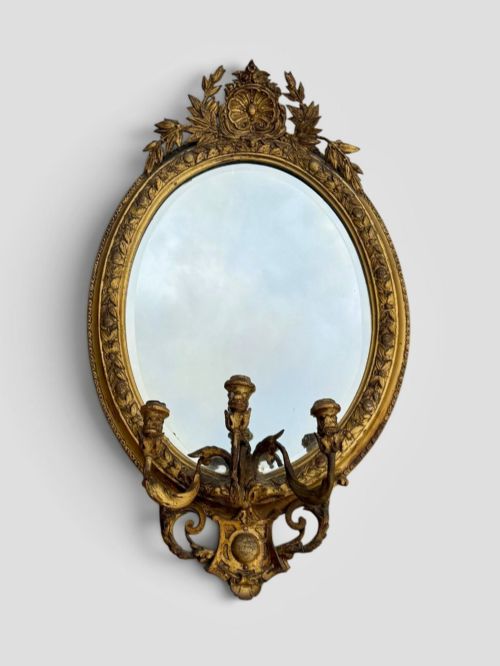
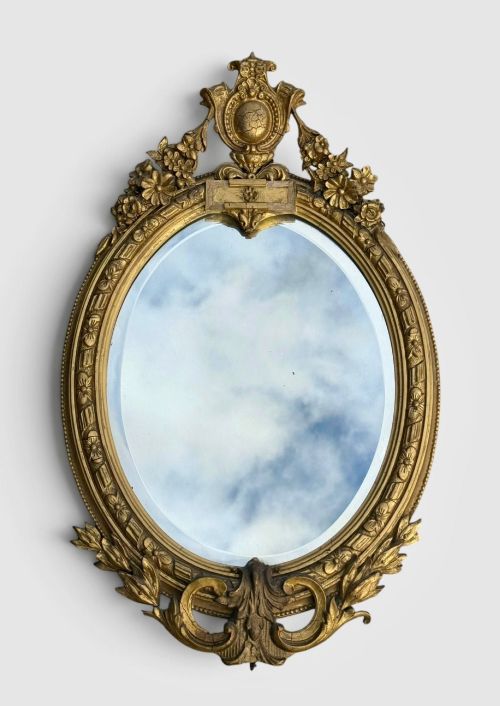
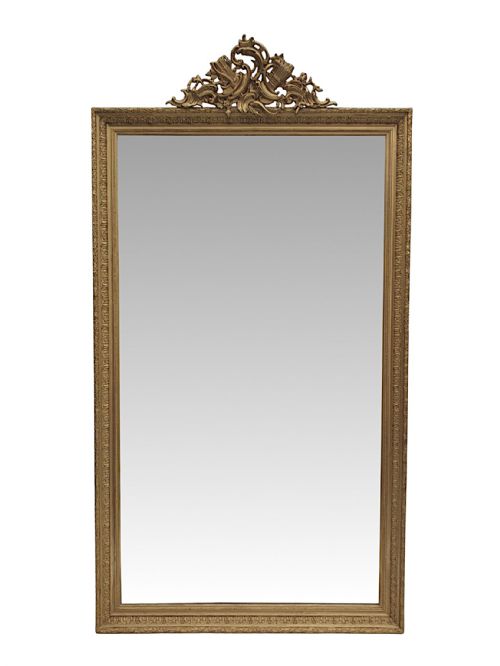
When you search for an ornate giltwood frame, you encounter heavy wall mirrors, overmantel glasses, pier mirrors, and picture surrounds dating primarily from the eighteenth and nineteenth centuries. These pieces span English country house taste, French chateau decoration, and Italian Florentine workshops, fulfilling grand decorative functions.
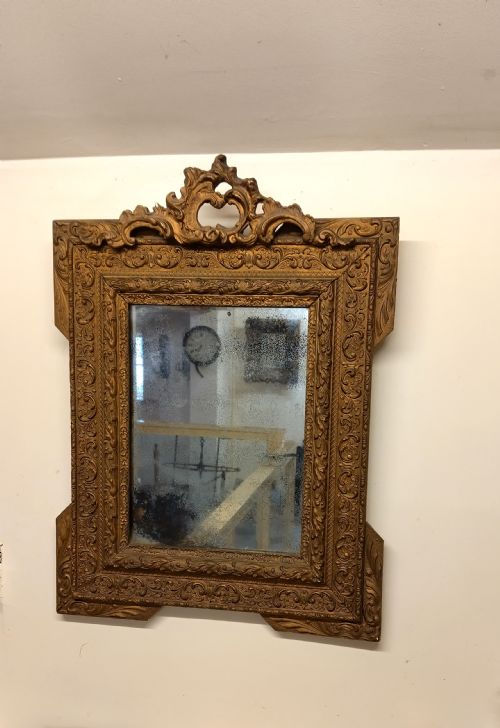
The version you are most likely to meet on this page is a nineteenth-century Victorian or French overmantel mirror, moulded with deep scrolling foliage and heavy crestings. Alongside these hang oval mirrors, dressing glasses, and architectural frames designed to anchor a room.
The surviving selection includes works styled in the Rococo Revival taste, complete with asymmetrical C-scrolls, floral motifs, and pierced crests. Some pieces house early mercury glass plates or foxed mirrors, whilst others frame period oil paintings or portraits.
How they were made
Makers built the structural carcases of these frames from solid timber, typically carving the pine, wood, or timber directly by hand. Upon this wooden base, artisans applied layers of gesso - a fine plaster mixture - to build up high-relief scrolls, leaves, and decorative masks.
Detailing relied on composition ornament, pressed into moulds and laid over the carved elements to achieve sharp floral and rocaille definition. Gilders then applied thin sheets of gold leaf or silver-gilt over a red bole base, burnishing the metal to create a deep, warm metallic sheen.
Glass plates were silvered using traditional mercury methods or early chemical processes, housed securely behind rebated frames. Frames designed as picture surrounds or mirrors often incorporated corner blocks and pegged joints to manage the natural movement of the wood underneath.
One cheerful eighteenth-century frame hides a decorative carved mask among its golden scrolls, silently watching every room it has decorated for centuries.
What varies in quality
The depth and crispness of the carving separate the finer pieces from simpler commercial work, distinguishing hand-chiselled acanthus leaves from soft, shallow composition mouldings. Superior examples retain their original gesso groundwork without heavy over-plastering or clumsy modern repairs.
The quality of the gilding alters the visual weight of the object, as genuine gold leaf ages with a softer, warmer patina compared to flat bronze paints. Original mirror plates with deep foxing, bevelling, and mercury reflection command greater appreciation than later replacement glass.
Structural integrity depends on how well the timber and joints resist warping under the weight of heavy gesso and glass. Frames with intact pinned corners and original backing boards demonstrate superior workshop practice from their period.
Eugène Verboeckhoven·Toussaint Gelton·Renato Moretti
The Ornate Giltwood Frame Glossary
- Giltwood
- Wood that has been coated with thin leaves of gold metal. This finish provides a luminous, durable surface that responds to cleaning and atmospheric ageing.
- Gesso
- A plaster mixture applied to carved wooden frames to create a smooth surface for gilding. It accepts deep relief carving and moulding before the gold leaf is laid.
- Overmantel Mirror
- A large mirror designed to hang specifically above a fireplace mantelpiece. These pieces often feature wide proportions to reflect the hearth and light the room.
- Pier Glass
- A tall mirror intended to hang on the wall space between two windows. They reflect natural daylight back into deep nineteenth-century rooms.
- Foxed Glass
- Mirror plates showing spots, clouding, and discoloration caused by the degradation of the backing silver over time. This ageing process creates a mottled, atmospheric reflection.
- Rococo Revival
- A nineteenth-century design style mimicking the asymmetrical curves, shells, and C-scrolls of the eighteenth-century French Rococo movement.
Ornate Giltwood Frame: Frequently Asked Questions
Are original mirror plates common?
Many nineteenth-century pieces retain their original glass, often identifiable by slight distortions, hand-bevelling, or natural foxing spots. Replacement plates do appear frequently because mirrors were fragile and susceptible to damp environments.
Examine the edges of the glass and the backing boards to determine whether the plate shares the age of the carved frame. Both original and replaced plates hold distinct character depending on the piece's history.
How do I hang a heavy overmantel mirror?
Secure these substantial frames directly into wall studs using heavy-duty steel brackets or mirror plates rated for the specific weight. Distribute the load evenly across multiple fixing points to prevent the wooden joints and gesso crests from straining.
Due to the considerable weight of timber, gesso, and glass, professional installation ensures the piece remains safely anchored. Avoid relying solely on plasterboard fixings when mounting large decorative frames.
What defines the Rococo Revival style?
Rococo Revival pieces feature asymmetrical C-scrolls, flowing floral motifs, pierced crests, and naturalistic shell work. Popular during the Victorian era, this style reinterpreted eighteenth-century French designs with dramatic, high-relief carving.
Look for dynamic movement across the frame corners and rich application of composition ornaments. These exuberant details distinguish Rococo Revival work from stricter classical or neoclassical framing.