

Historical Art Print
When searching for a historical art print, collectors discover framed works on paper that capture centuries of portraiture, cartography, and narrative scenes.
Historical Art Print
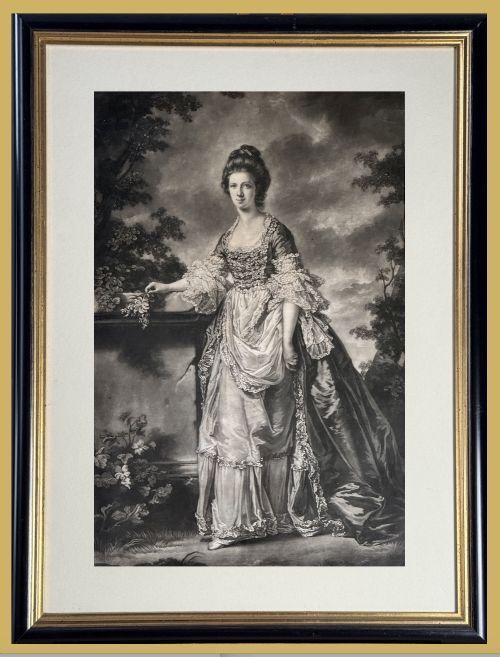
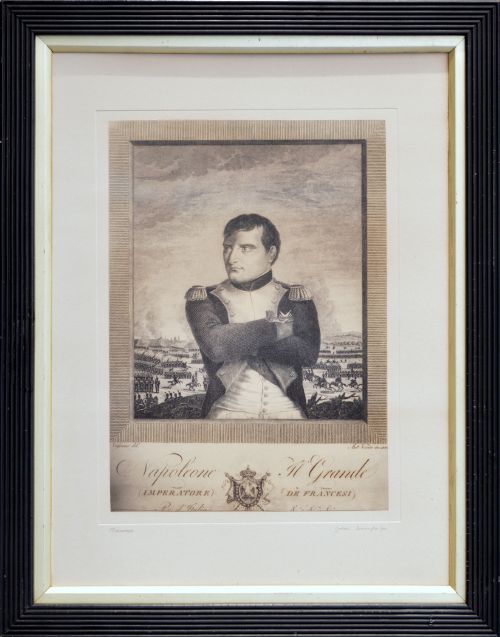
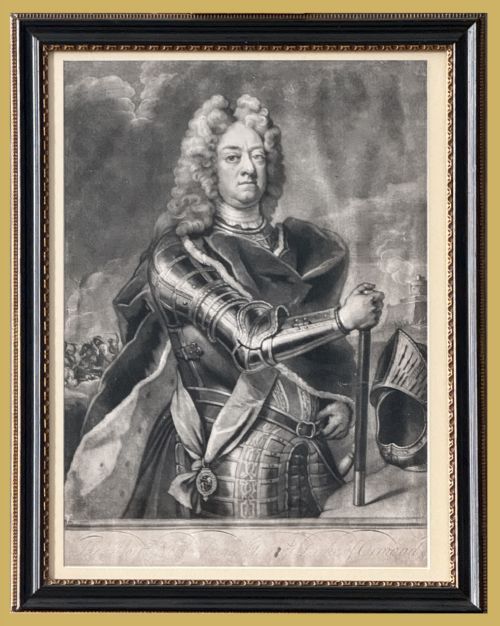
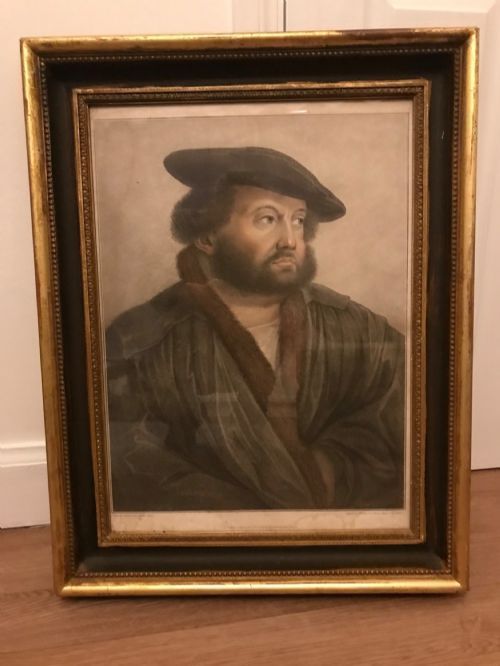
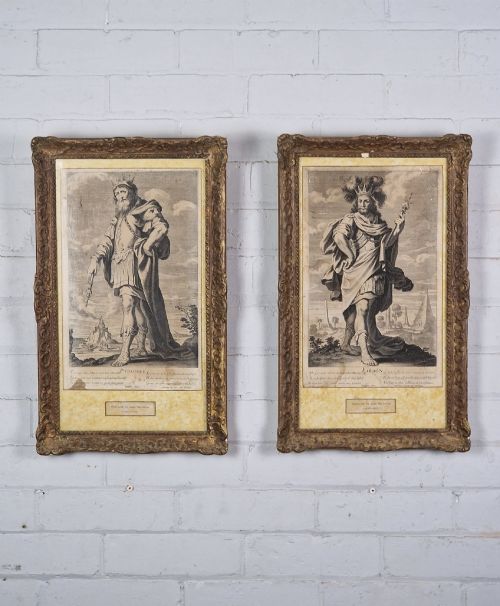
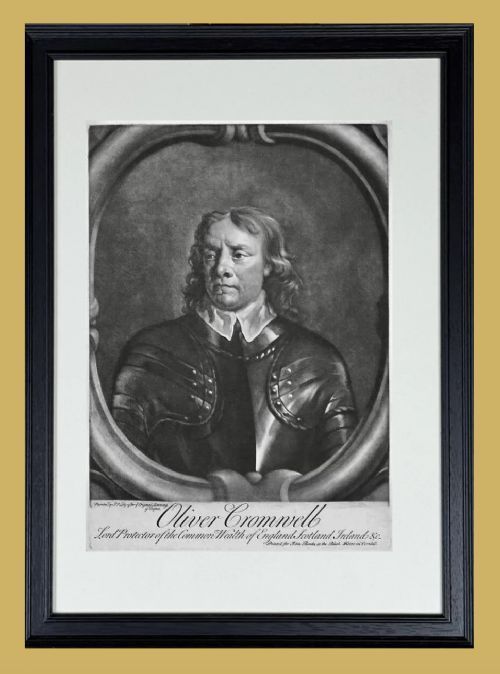
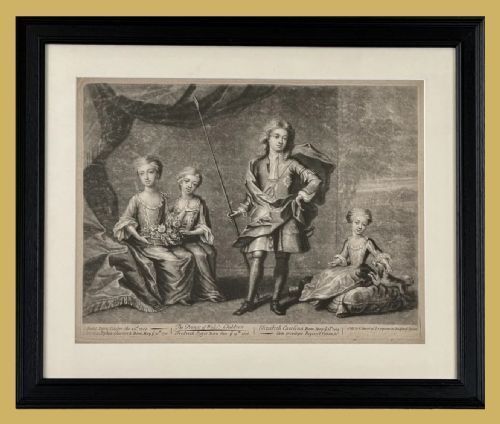
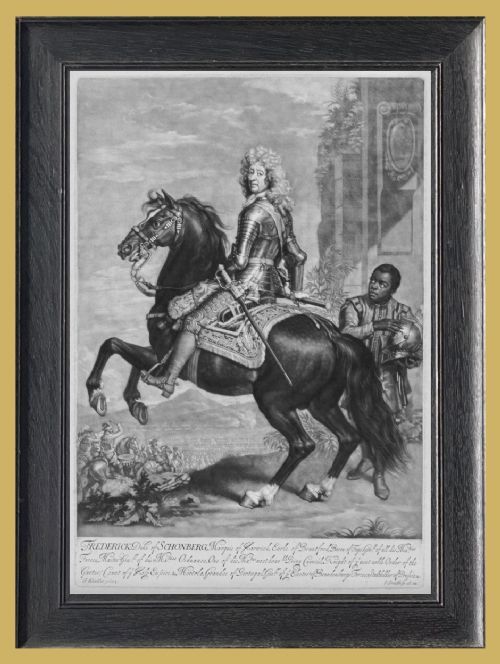
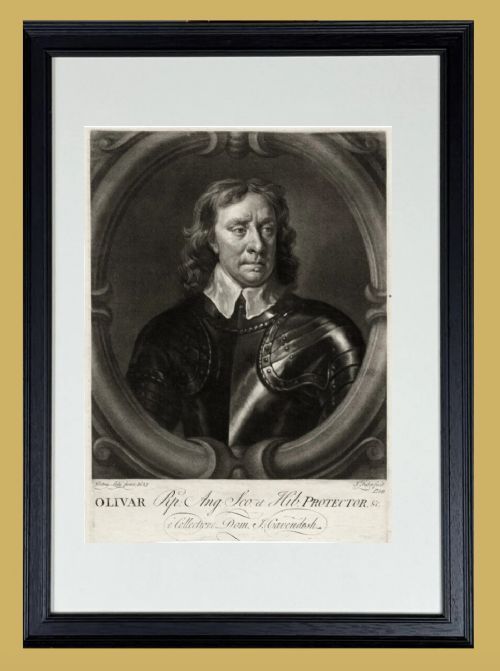
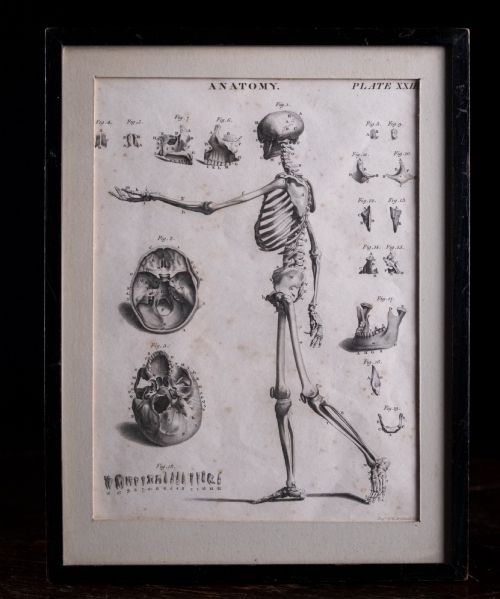
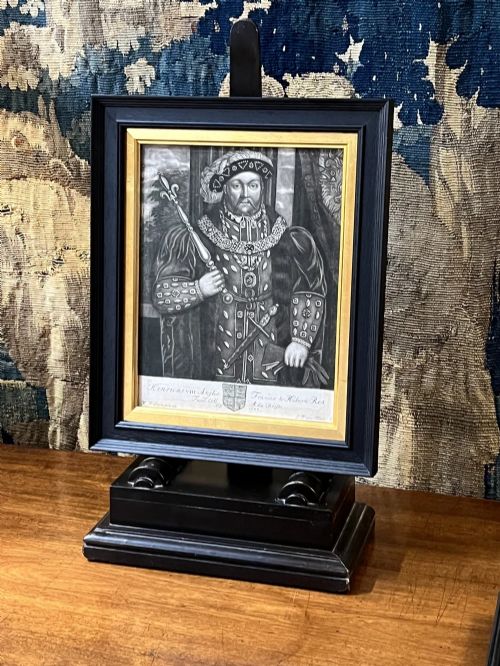
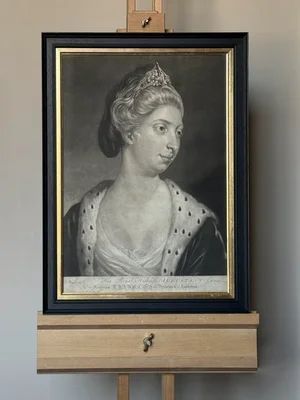
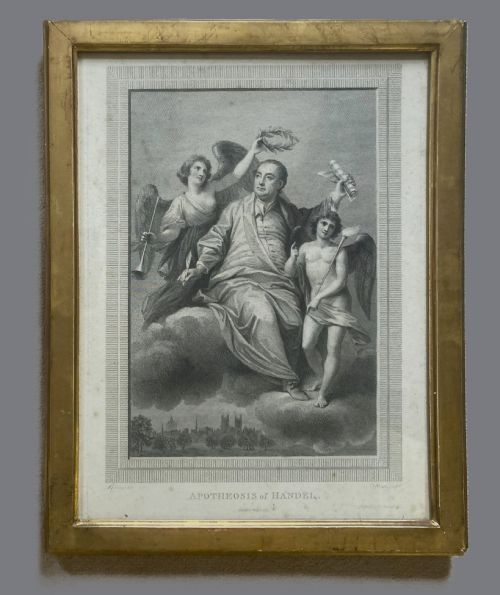
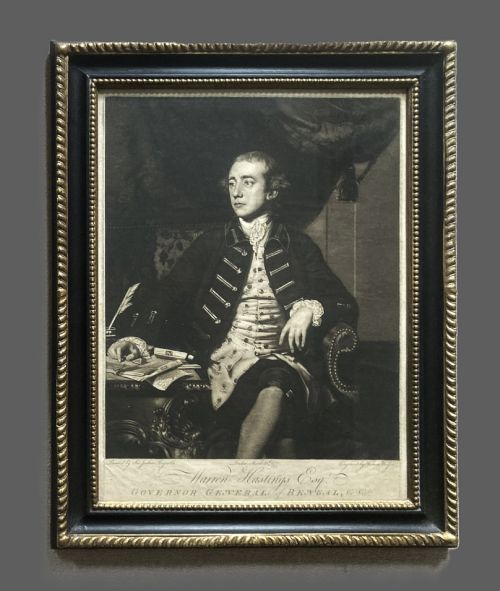
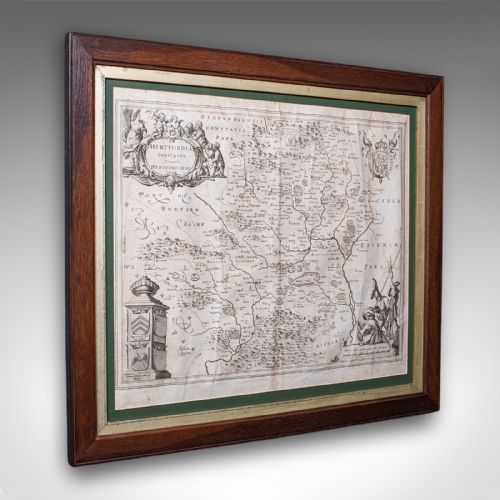
A historical art print on this page typically takes the form of a framed engraving, mezzotint, or lithograph originating from the seventeenth, eighteenth, or nineteenth centuries. Subjects range from British and European nobility to detailed county maps and classical allegorical scenes.
The assortment leans heavily toward portraiture and cartography, rendered through techniques like stipple engraving and reverse glass printing. Buyers encounter works framed in period timber, often retaining original glass and mounts.
Pieces span eras from the Georgian and Victorian periods back to seventeenth-century Dutch cartography. These works served as wall art and visual documentation long before modern photography.
Materials and Technique
Makers utilised high-grade paper as the primary support, applying black or coloured ink through copperplate engraving, mezzotint, or lithographic methods. Master printmakers worked from painted portraits by leading artists, translating oils into textured monochrome shadows.
Many surviving examples retain their original wooden frames, constructed from giltwood, gesso, or simple dark mouldings. Gold leaf accents and protective glass complete the historical presentation of these works on paper.
Listings feature paper, ink, and gold leaf housed within seventeenth-, eighteenth-, and nineteenth-century wood and giltwood frames.
Standards of Quality
The distinction between tiers rests upon the impression's crispness and the prominence of the printmaker and artist. Early impressions pulled directly from a fresh copperplate show deep ink saturation and fine tonal gradients that fade in later reprints.
The housing contributes significantly to a piece's standing, particularly when the work survives in an original Hogarth or giltwood frame. Provenance linking the print to notable publishers and historical collections elevates the status of the item.
Francesco Bartolozzi·Jacobus Houbraken·John Smith·William Hogarth·Sir Peter Lely
The Historical Art Print Glossary
- Mezzotint
- A printmaking process where the copper plate is roughened uniformly to hold ink, producing rich dark tones and subtle graduations of light. This technique was widely favoured for eighteenth-century portraiture.
- Engraving
- A method of cutting design lines directly into a metal plate using a sharp tool called a burin. The resulting incisions hold the ink for transfer under pressure.
- Lithography
- A planographic printing process based on the repulsion of oil and water, enabling the reproduction of drawings and watercolours. It became common during the nineteenth century.
- Cartography
- The science and art of mapmaking, represented here through seventeenth- and eighteenth-century county and regional maps. These often feature decorative cartouches and hand-coloured borders.
- Stipple
- An engraving technique that uses a pattern of dots rather than continuous lines to create softer tonal effects and flesh textures. It gained popularity during the late eighteenth century.
Historical Art Print: Frequently Asked Questions
How do I care for a historical art print?
Keep prints away from direct sunlight to prevent the ink and paper from fading over time. Maintain stable room temperatures to protect the paper fibres and the original wooden frames.
Avoid hanging pieces in damp environments like kitchens or bathrooms. Leave original backing papers intact where possible to preserve the historical integrity of the framing.
How do I date an antique print?
Examine the paper characteristics, watermark evidence, and typography used in the margins or titles. Stylistic clues in the subject's clothing or the cartography details also point to specific eras like the Georgian or seventeenth century.
Compare the plate marks and engraving style with documented works by known printmakers from the same period. Original framing styles often align with the manufacturing date of the print.
What is the difference between an engraving and a mezzotint?
An engraving relies on precise lines cut into metal with a burin to build up an image. Mezzotints work from dark to light by roughening the entire plate surface first, creating velvety tones and gradients.
Mezzotints were particularly popular for portraits because they captured the soft fabrics and shadows of oil paintings. Engravings offered sharper detail, making them ideal for maps and architectural scenes.
Are these prints original to their stated period?
The listings comprise period impressions pulled during or close to the dates indicated on the plates. Master engravers produced these works contemporaneously with the subjects they portray.
Original frames and historical paper stocks help verify the age of each piece. Documentation within the title usually notes the exact active years of the artist and engraver.