
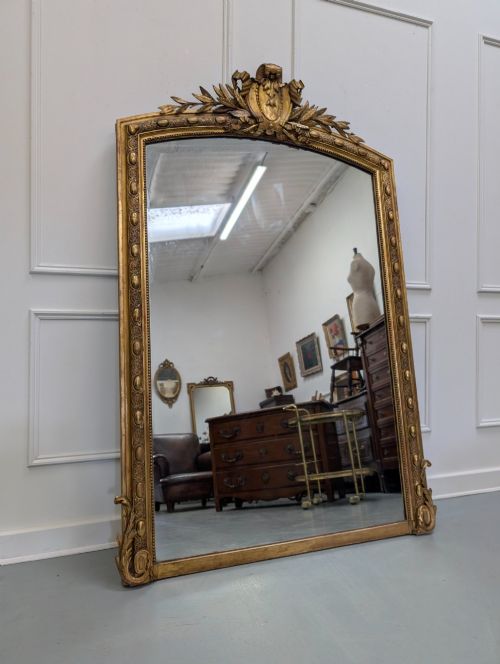
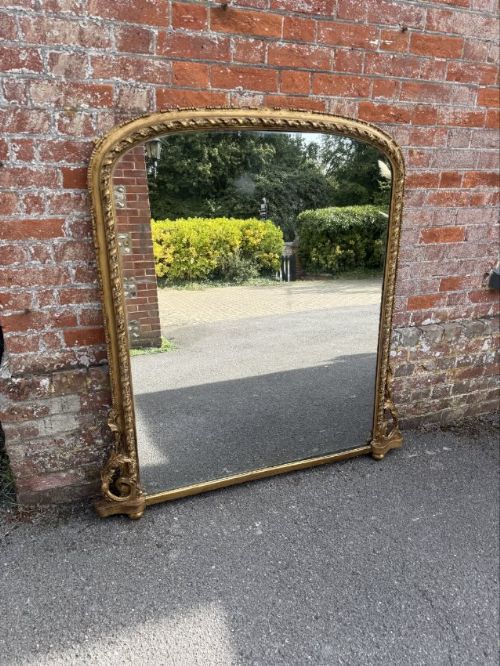
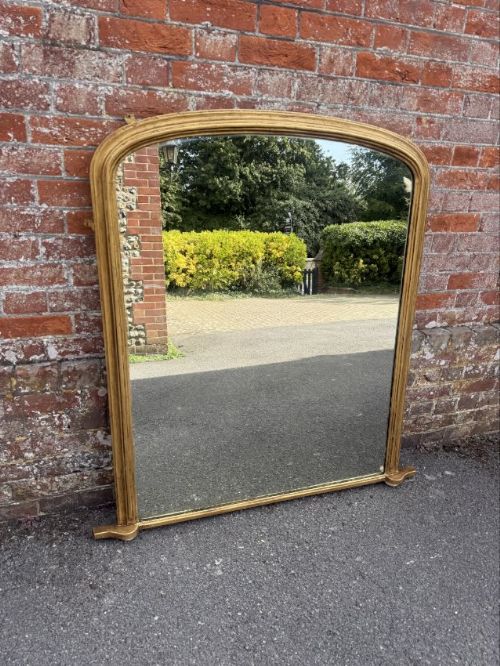
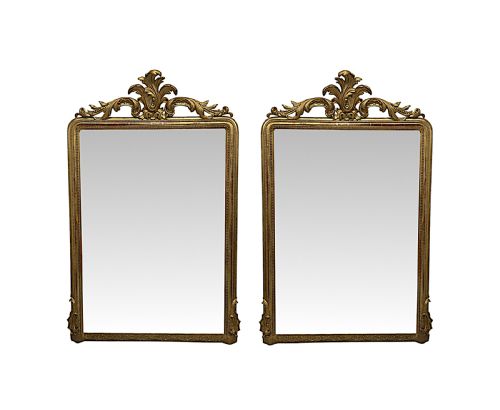




Large Victorian Frame
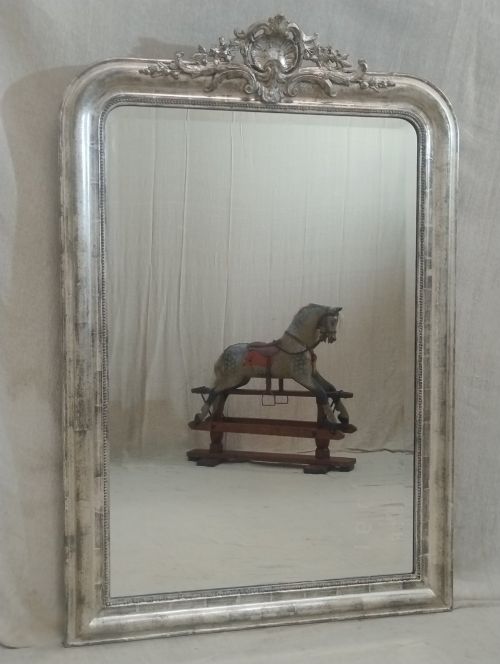
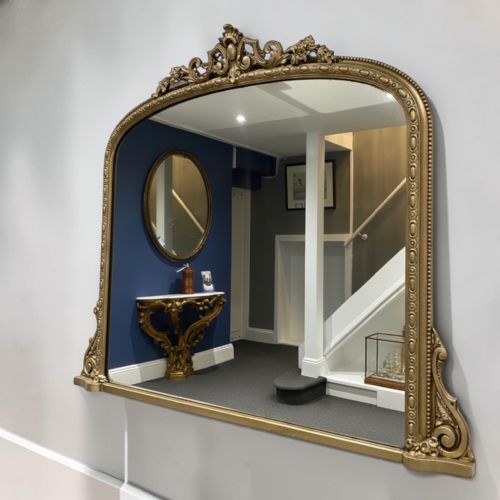
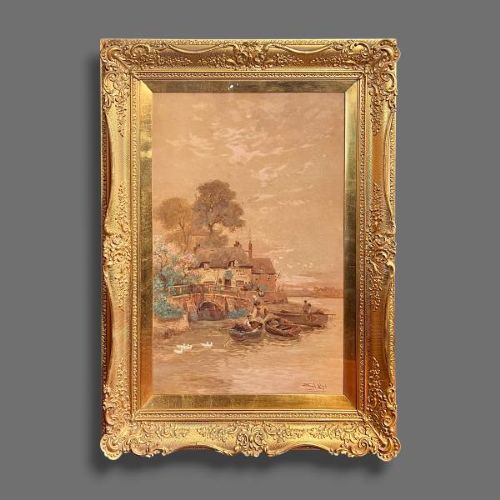
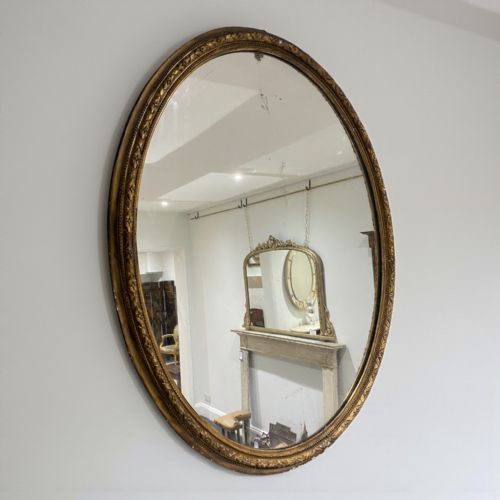
When searching for a large victorian frame, collectors encounter grand giltwood overmantels, picture borders, and mirrors designed to command a room.
How They Were Made
Makers constructed the core structure of pine, oak, or mahogany, joining corners with traditional housing to support heavy glass or canvas.
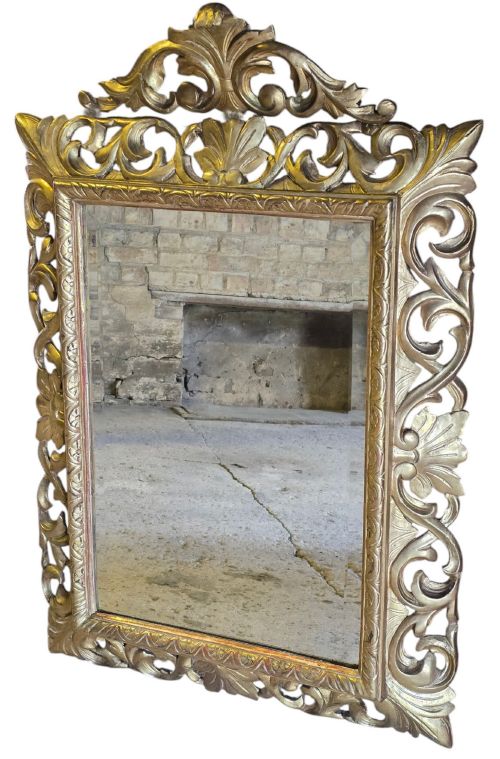
Carved wooden ornaments and applied gesso layers created high-relief rope twists, columns, and floral motifs before the application of gold leaf or gilding.
What Varies In Quality
The depth and crispness of hand-carved wood elements versus mass-moulded composition paste dictate the tier of craftsmanship in any given piece.
Original mercury or plate glass retention, the intactness of the underlying gesso beneath the gilding, and the survival of the original backing boards separate masterworks from routine workshop output.
Listings feature 19th-century materials including oak, mahogany, glass, gesso, giltwood, and gold leaf.
Richard Sebastian Bond·Felix Stone Moscheles·Thomas Smythe·W R Waters·Bennett Hubbard
The Large Victorian Frame Glossary
- Gesso
- A plaster-like mixture applied to wood frames to create a smooth surface for gilding. It holds intricate relief moulding very well.
- Giltwood
- Timber coated with gold leaf or metallic powder. This material defined high-status 19th-century interior decoration.
- Overmantle
- A large mirror or frame specifically proportioned to hang above a fireplace mantelpiece. They often feature arched or shaped tops.
- Rope twist
- A carved decorative motif resembling twisted cord. This pattern frequently borders Victorian mirror plates.
- Pier glass
- A tall mirror designed to fit on the wall space between windows. These pieces required sturdy joinery to support their height.
Large Victorian Frame: Frequently Asked Questions
How do I hang a heavy overmantle mirror safely?
These substantial wooden and gesso pieces require professional wall fixings secured directly into masonry or deep structural studs. Weight distribution across multiple brackets prevents distortion of the frame.
Ensure the hanging wire or integrated metal loops match the immense load of the heavy glass and wooden carcass before mounting.
Can I clean original giltwood frames safely?
Dusting gently with a dry, soft artist brush removes surface particulates without disturbing fragile gold leaf or flaking gesso. Moisture can dissolve historical water-gilding.
Avoid chemical cleaning agents entirely, as modern solvents strip delicate 19th-century finishes instantly.
What distinguishes an overmantle from a standard wall mirror?
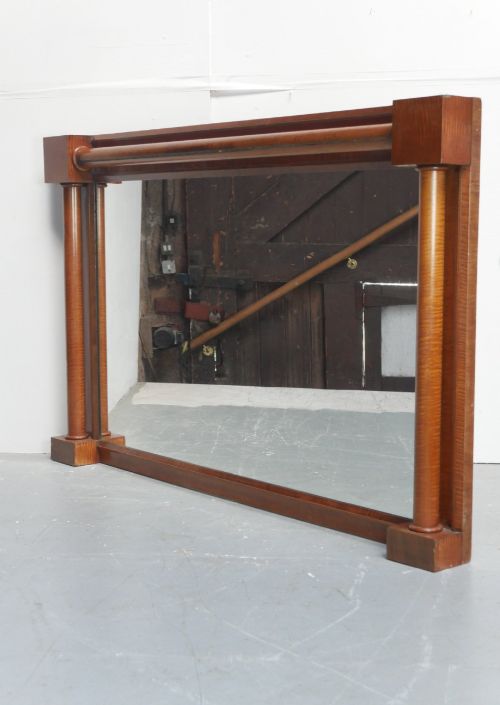
Overmantle mirrors are specifically scaled to sit above domestic fireplaces, often featuring landscape orientations and architectural framing like columns or arched tops.
Standard wall mirrors follow portrait or square proportions designed for general room placement rather than hearth integration.
How do I identify a Victorian frame from later reproductions?
Examine the backboards, fixings, and timber shrinkage to gauge true 19th-century age. Hand-cut joinery and aged patination on the wood indicate authenticity.
Victorian gesso develops a distinct fine craquelure over decades, whereas modern resin copies age uniformly without natural wear.