






Ornate Swept Frame
An ornate swept frame brings sculptural curves and gilded depth to art and mirrors, transforming plain walls with nineteenth-century and mid-century character.
Ornate Swept Frame
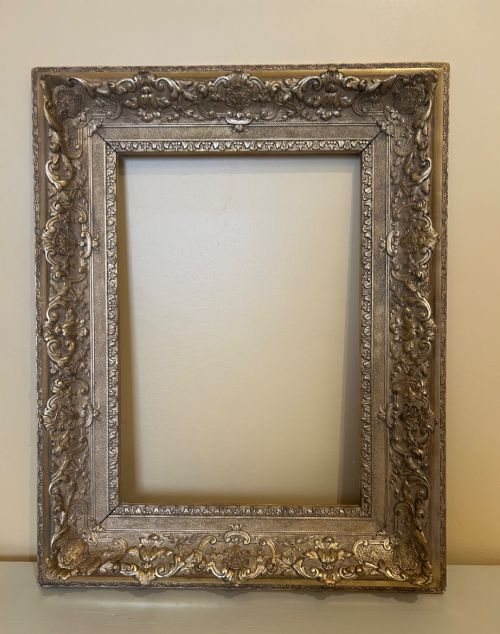
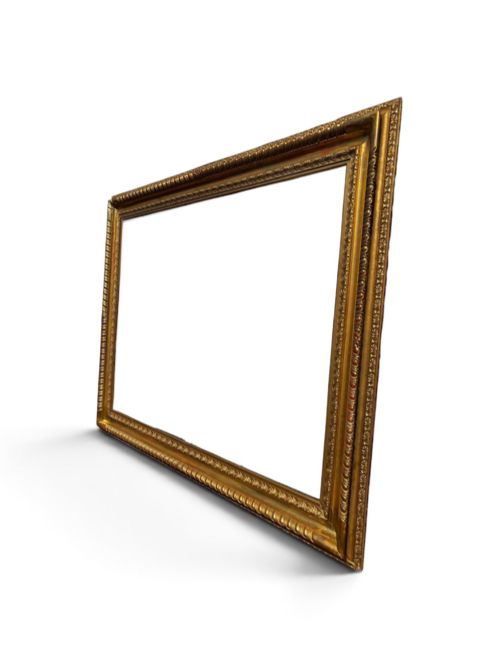
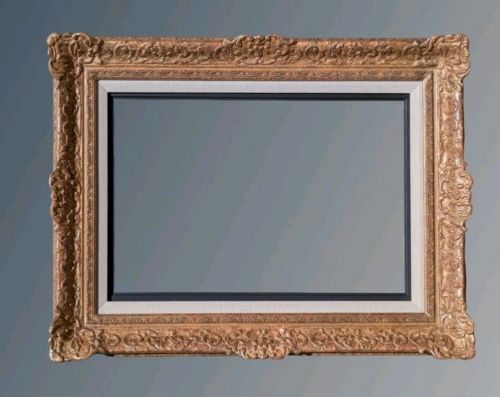
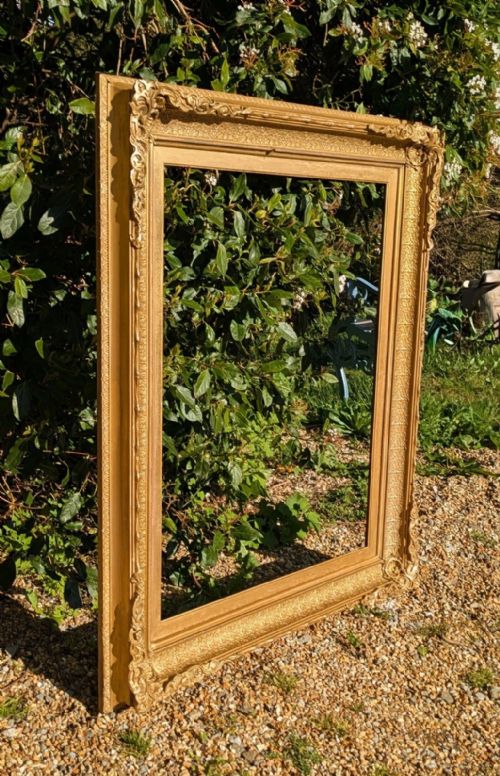
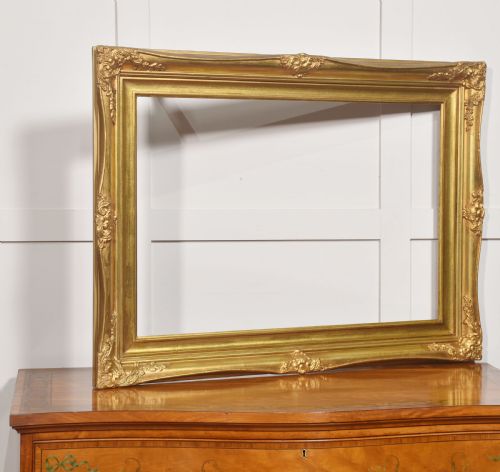
An ornate swept frame is a decorative border designed to house picture frames, oil paintings, wall mirrors, and framed artwork. These pieces appear in forms ranging from small portrait surrounds to massive overmantle wall mirrors and large painting frames.
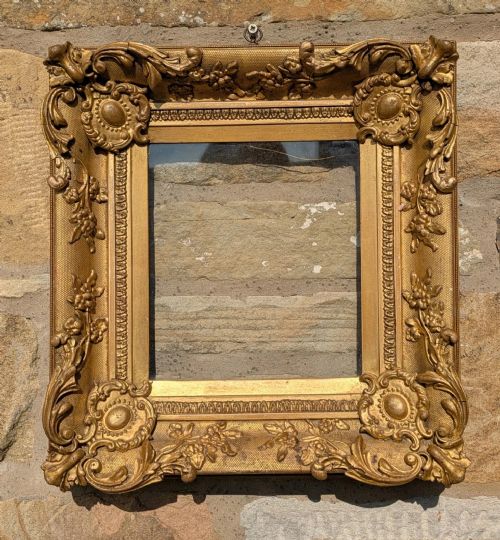
The version you are most likely to meet on this page is the nineteenth-century gilt gesso picture frame, often reflecting Victorian taste or Rococo Revival curves. Examples span various periods including the Georgian era, the nineteenth century, and mid-century Italian production.
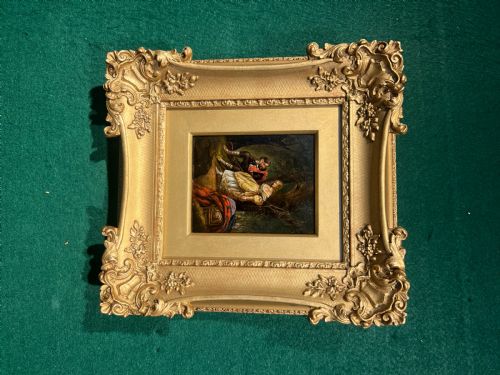
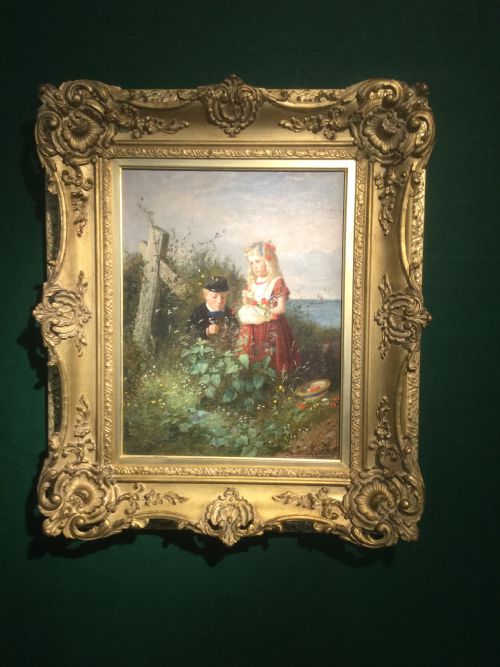
Beyond empty frames, the selection encompasses complete works such as framed paintings, oil on canvas pieces, watercolours, and pastels housed within their original or period surrounds.
How they were made
Makers constructed the foundational structure using wood, shaping the deep profiles required for swept and curved moulding designs. Over this wooden base, artisans applied layers of gesso to build up the intricate scrollwork and decorative relief details.
Surfaces received their luminous finish through the application of gold leaf or giltwood, catching the light across elaborate Rococo and Victorian motifs. Paintings and mirrors were then secured within these elaborate housings alongside canvas, glass, and panel supports.
Materials recorded across these frames include traditional gesso, carved wood, gold leaf, giltwood, and glass.
What varies in quality
The crispness and depth of the gesso modelling dictate much of the visual hierarchy, separating sharply cast decorative relief from softened or obscured ornament. The quality of the gilding itself, whether true gold leaf or burnished giltwood, dictates how light plays across the sweeping curves.
Scale and proportion also define the upper tier, where large Victorian overmantle frames and substantial French Montparnasse examples demonstrate superior architectural presence. Structural integrity in the underlying wooden corners and minimal loss to the intricate gesso ornamentation distinguish the finest survivals.
Charles Hunt·Robert Eadie·William Miller Frazer·John Holland Snr·Michael Scott
The Ornate Swept Frame Glossary
- Swept frame
- A picture or mirror frame featuring undulating, ogee-shaped mouldings that curve dramatically away from the central viewing window. This dynamic profile creates deep shadows and prominent corner flourishes.
- Gesso
- A plaster-like mixture applied to wood bases and carved or moulded into intricate decorative relief before gilding. It provides the smooth, responsive surface necessary for ornate scrollwork.
- Giltwood
- Wood that has been coated with thin sheets of gold leaf or gold paint to create a rich, metallic surface. It forms the glowing exterior characteristic of formal antique frames.
- Overmantle
- A large mirror or painting specifically proportioned to hang on the wall directly above a fireplace mantel. These pieces often feature expansive swept frames designed to dominate a room.
- Montparnasse frame
- A distinct style of twentieth-century frame, often associated with French artistic circles, featuring simpler yet sculptural swept wooden profiles. They typically complement mid-period oil paintings.
Ornate Swept Frame: Frequently Asked Questions
How do I date an ornate swept frame?
Dating relies on examining the underlying wood construction, the composition of the gesso, and the style of the gilding. Nineteenth-century examples often display heavier Victorian proportions and dense plaster ornamentation compared to mid-century variants.
Secondary clues include the backing materials, fixings, and whether the frame houses an original period oil painting or mirror glass. Comparing the rebate depth and corner joinery to documented period pieces helps clarify the timeline.
Can I hang a heavy gilt mirror safely?
Large overmantle frames and substantial wooden wall mirrors require robust wall fixings anchored directly into structural studs or masonry. Because gesso and wood assemblies carry considerable weight, standard picture wire is rarely sufficient for large pieces.
Professional mirror hangers often utilise heavy-duty z-bars or mirrored brackets distributed across the upper frame structure. This ensures the weight of the gilded woodwork is supported securely against the wall.
How do I clean a gilded surface?
Dusting requires only a very soft, dry brush or a clean microfibre cloth used with extreme gentleness. Moisture, commercial cleaning sprays, and abrasive cloths will strip the delicate gold leaf and damage the underlying gesso.
If grime is stubborn, consult a professional conservator rather than attempting solvent cleaning at home. Gilt finishes are notoriously fragile and easily dissolved by improper liquids.
What is the difference between Rococo and Victorian frames?
Rococo frames emphasise asymmetrical C-scrolls, shell motifs, and exuberant, flowing natural curves derived from eighteenth-century French design. Victorian interpretations often synthesize these elements with heavier proportions and denser, more symmetrical gesso enrichment.
While a Rococo Revival piece aims for theatrical lightness and fluid movement, Victorian iterations frequently prioritize imposing scale and deep, solid wooden construction.