



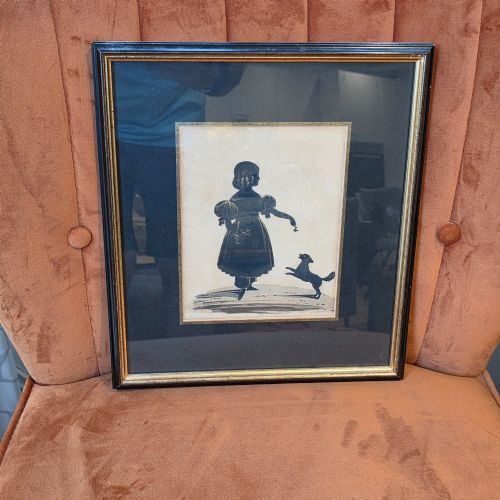
English Gilt Frame
An English gilt frame brings warmth and historic presence to a room, framing oil portraits, landscapes and grand mirrors alike.
English Gilt Frame
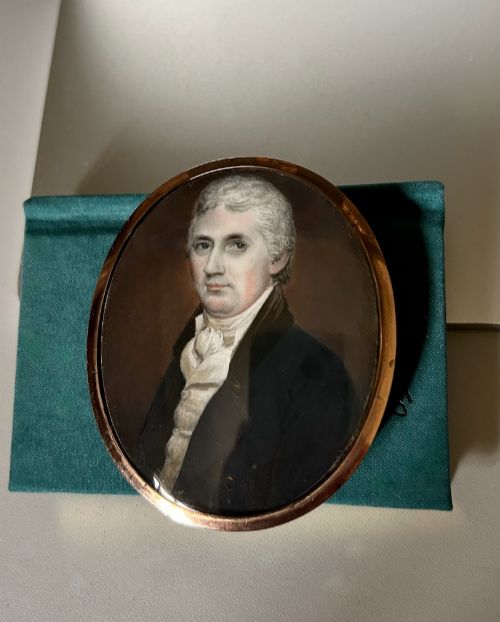
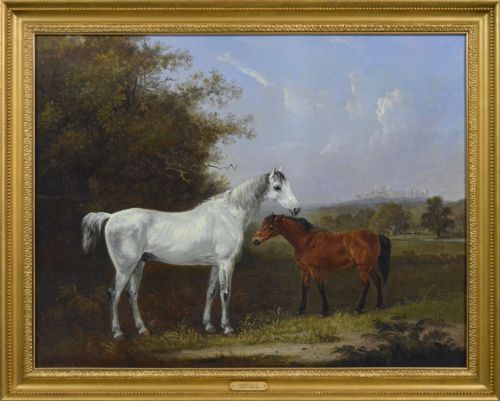
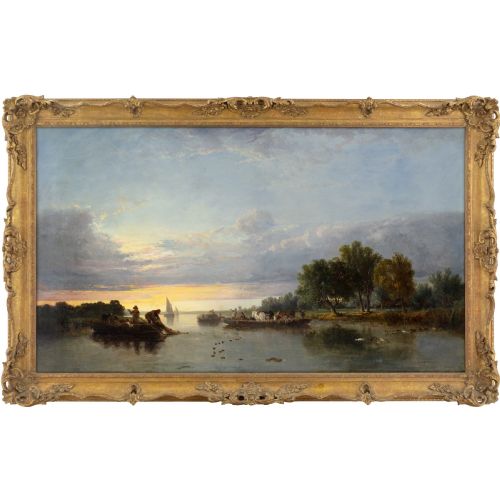
When searching for an english gilt frame, a buyer encounters two distinct categories of objects: standalone frames housing period oil paintings, watercolours and pastels, and large decorative mirrors designed for the wall or overmantel. The selection spans centuries of British craftsmanship, running from seventeenth-century canvases through eighteenth-century ovals to nineteenth-century domestic and formal mirrors.
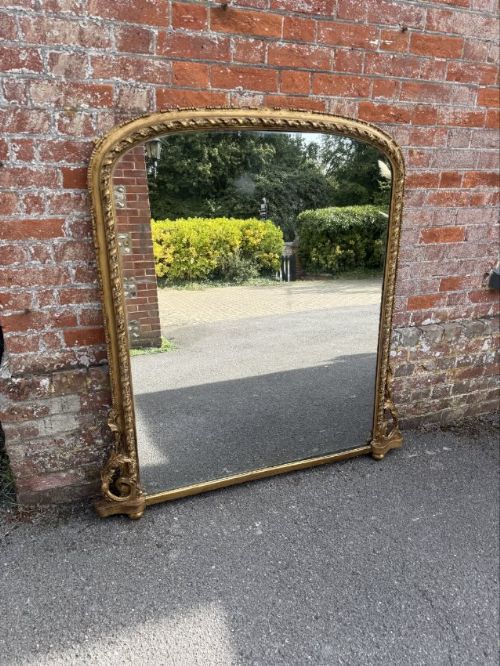
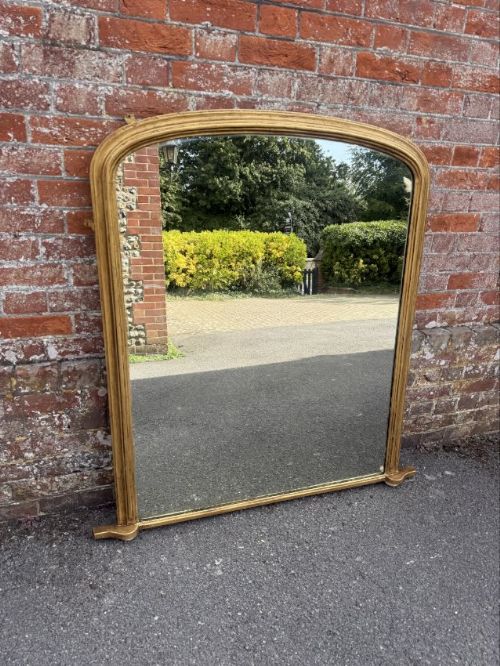
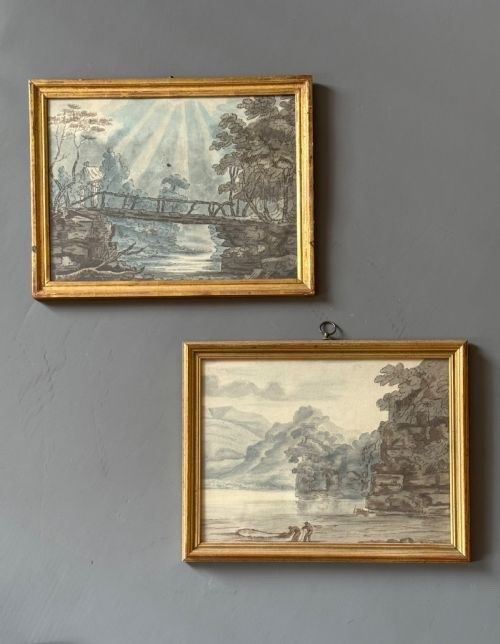
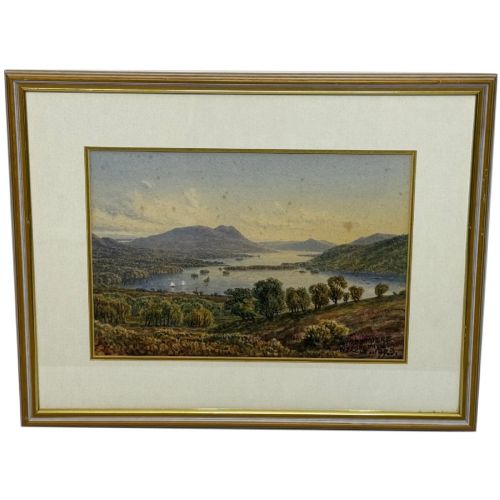
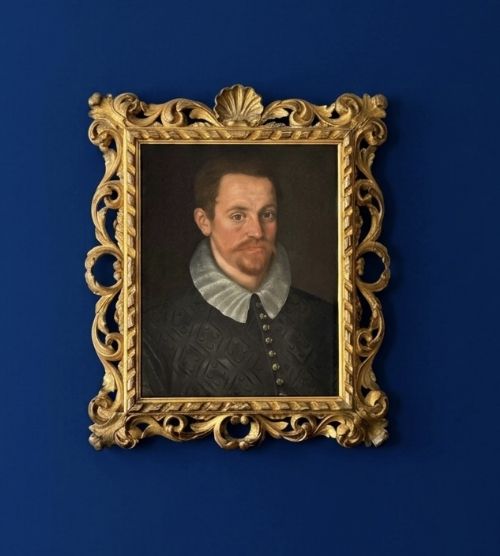
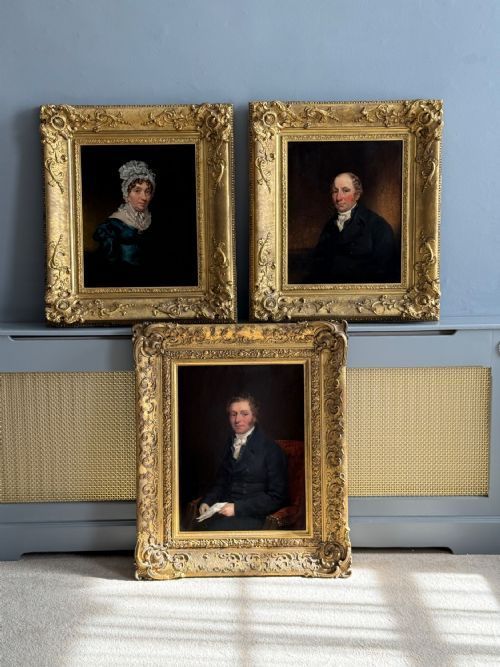
The overmantel mirrors dominate the available mirror forms, frequently featuring arched tops, column sides, and intricate rope twist or beaded mouldings. Alongside these hang portrait paintings by British schools and named artists, preserved in their original or period wooden gilt housings. Domestic interiors are further represented by nineteenth-century watercolour landscapes and occasional brass photo frames.
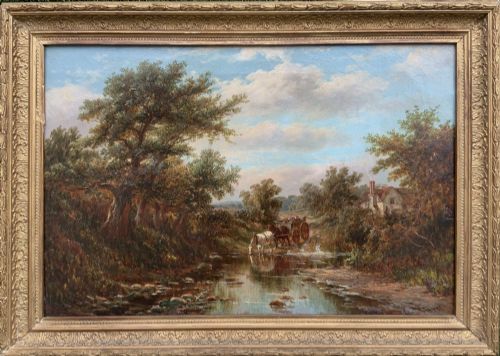
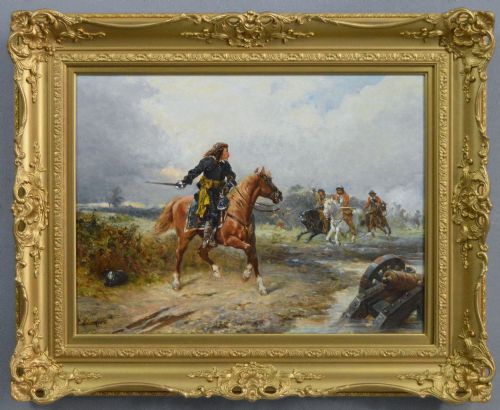
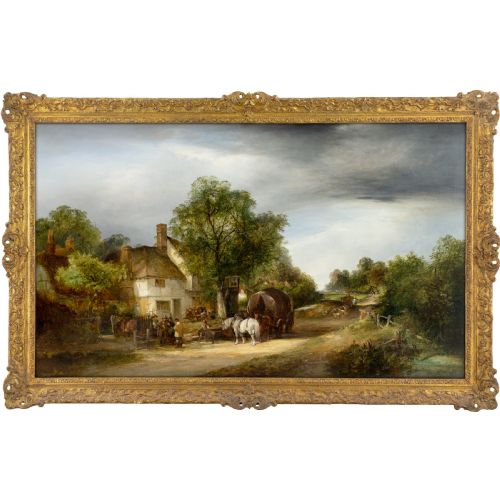
Dating ranges widely across the offerings, with heavy representation from the nineteenth century alongside Georgian, Regency, Edwardian and seventeenth-century examples. Whether encasing an oil portrait of a noblewoman or a landscape scene, these gilt pieces serve as focal points that reflect both period aesthetics and traditional interior decoration.
How they were made
Makers built the structural foundations of these pieces from carved wood, utilising timber substrates to support intricate surface decoration. Over this wooden base, craftsmen applied layers of gesso, a plaster-like mixture that provided a smooth, responsive ground for fine carving and moulding work.
The golden finish was achieved through the application of gold leaf or gilt leaf directly onto the prepared gesso and wood surfaces. Skilled hands shaped decorative motifs including rope twists, columns, beads and ornate scrolling into the gesso before gilding, creating the characteristic reflective brilliance of the period.
Several frames proudly preserve historical portraits of noblewomen, prizepshorthorn bulls, and spirited canine companions.
What varies in quality
The distinction between standard examples and the finest items rests in the depth and execution of the carved wood and gesso ornamentation. Superior pieces display crisp, deeply undercut mouldings and elaborate decorative framing, whereas lesser examples rely on simpler, shallower profiles.
Originality of surface also dictates standing, with untouched period gilding holding greater integrity than later repainted or heavily restored finishes. The harmony between the artwork or mirror glass and its specific housing further defines the calibre of the piece.
William James Hubard·Joseph Clover RA·Percy Lancaster·Arthur Wardle·John Horace Hooper·A Marie Parsons·Thomas Murray·Kershaw Schofield·John Faber Snr·Hans Holbein The Younger·William Banks Fortescue·Thomas Barker of Bath·David Bates·John Closterman·Walter Heath Williams·Robert Byng·Robert Thorne Waite·William Hogarth·John Opie RA·Singleton Jowett·Robert Weir Allan·Bennett Hubbard
The English Gilt Frame Glossary
- Gesso
- A prepared mixture of chalk, gypsum and size used as a base for moulding and gilding on wood frames. This substance allowed artisans to carve intricate relief patterns before applying gold leaf.
- Giltwood
- Timber that has been coated with gold leaf or metal leaf for a decorative metallic finish. It forms the primary structural and visual medium for high-status antique frames and mirrors.
- Overmantel Mirror
- A large mirror specifically proportioned to hang above a fireplace mantelpiece. These pieces frequently incorporate architectural elements such as columns and arched tops.
- Rope Twist
- A carved decorative moulding resembling the helical strands of a rope. This pattern appears frequently on nineteenth-century mirror frames to add texture and movement.
- Mezzotint
- A printmaking process of the tonal engraving method, allowing smooth gradations of light and shade. Examples are often found preserved within historical frames.
English Gilt Frame: Frequently Asked Questions
How do I date an antique gilt frame?
Dating relies on observing the construction methods of the underlying wood, the profile of the moulding, and the composition of the gesso layers. Stylistic indicators like seventeenth-century proportions or Victorian rope twist details also provide clear chronological markers.
Examining the reverse of the frame often reveals period fixings, historical labels, or canvas stamps that help narrow down the decade of production. Comparing the frame style to contemporary artwork housed within it offers further confirmation of its age.
Can I hang an overmantel mirror safely?
These large mirrors require secure wall fixings distributed across heavy structural points to bear the combined weight of the wood, gesso, and glass. Professional installation into masonry or proper wall studs is strongly advised for safety.
Due to their substantial size and substantial wooden frames, checking the integrity of the hanging cord or D-rings before mounting is essential. Ensure the weight capacity of your chosen wall fixings exceeds the mass of the mirror.
How should I clean a gilt wood surface?
Maintenance requires gentle dusting with a soft, dry brush or a feather duster to remove surface particles without disturbing the delicate gold leaf. Moisture and modern chemical cleaners must be avoided entirely to prevent lifting the gesso and gilding.
Professional restoration is recommended if the surface shows significant flaking or structural instability. Regular, careful dusting preserves the historic sheen of the antique finish over generations.
What is the difference between gesso and carved wood?
Carved wood forms the structural skeleton of the frame, providing the heavy support needed for large mirrors and paintings. Gesso is the supplementary plaster layer applied over that wood to create a smooth surface for fine detailing.
Skilled artisans carved intricate patterns directly into the dried gesso layer rather than cutting every minor detail into the hard timber underneath. This combination allowed for sharp relief work that defines classic frame aesthetics.