
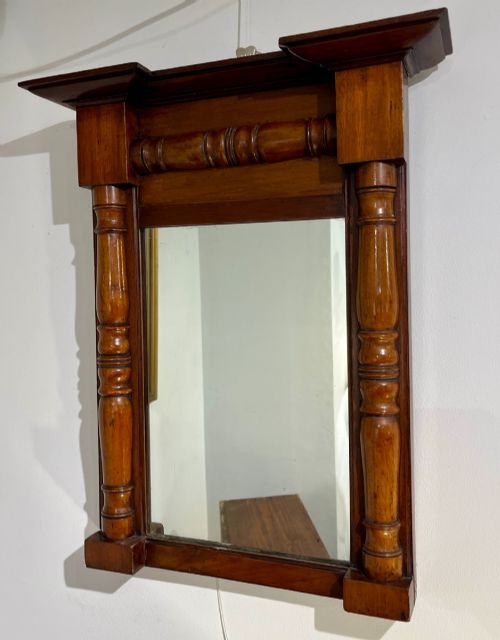
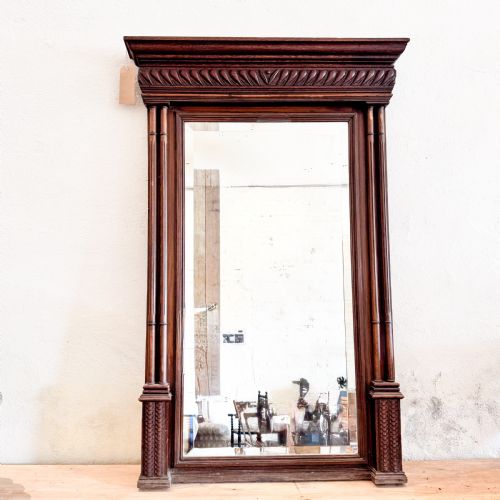

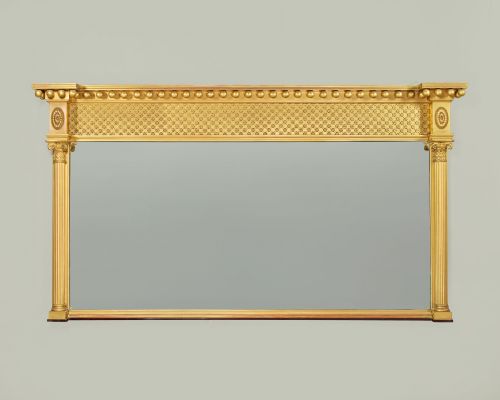


Column Frame Mirror
A column frame mirror brings architectural dignity to a room, combining clear glass with structural uprights derived from classical design.
Column Frame Mirror
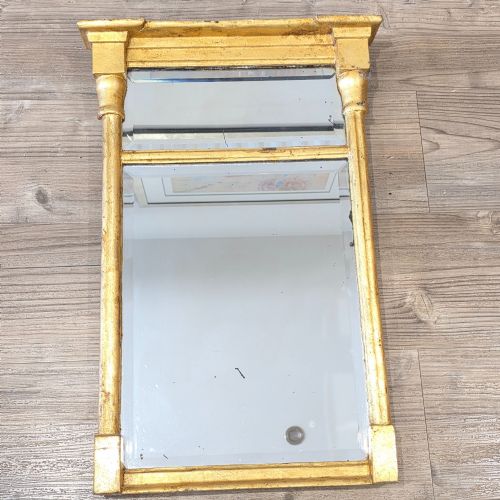
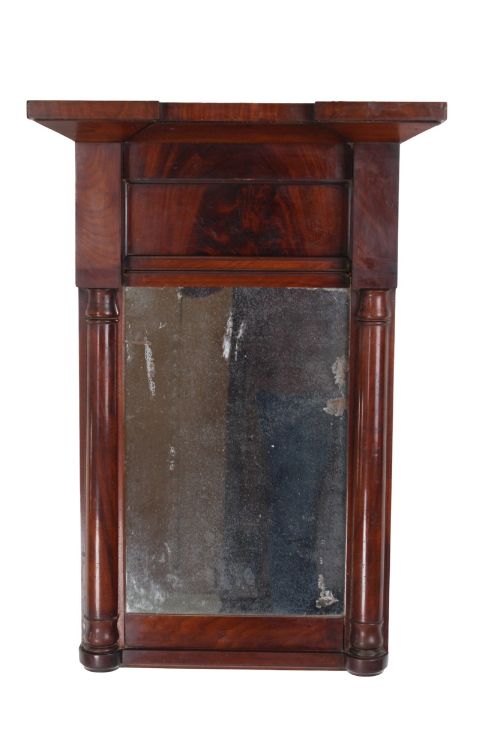
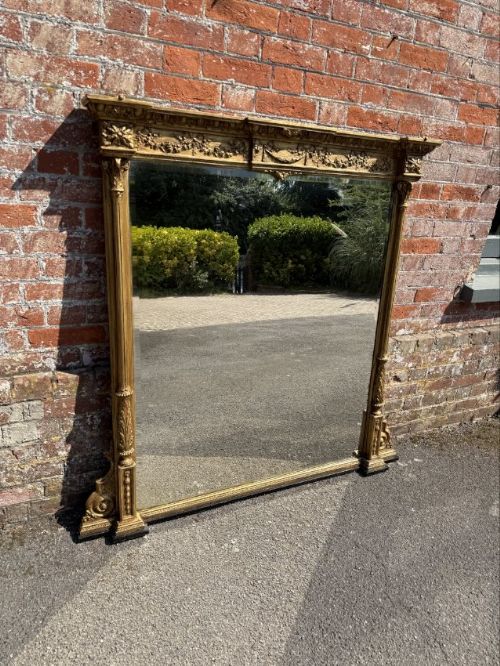
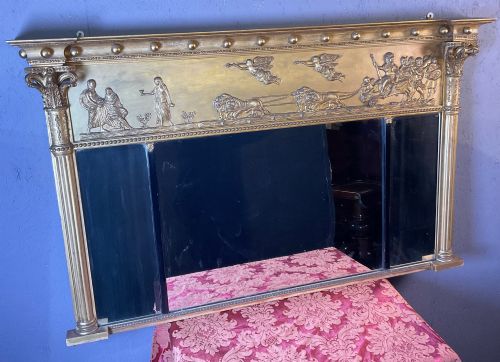
When searching for a column frame mirror, buyers encounter a distinct category of antique looking-glasses defined by vertical architectural supports flanking the reflective glass. These pieces span the Regency, Victorian, and Edwardian periods, appearing primarily as substantial overmantel mirrors or tall, narrow pier mirrors designed for placement between windows.
The architectural format draws heavily on Neoclassical design principles, integrating fluted, twisted, or plain side columns that support the upper cornices or frame edges. Examples emerge in both English and French workshops, showing variations from simple rectangular formats to grand arched tops and triptych divisions.
Domestic interiors from the nineteenth century utilised these heavy glass pieces to amplify natural light within principal rooms. The structural framing shifts between giltwood splendour intended for formal reception spaces and warm mahogany or oak suited to more modest domestic settings.
Materials and construction methods
Makers constructed the core structures using solid timbers such as mahogany, oak, and walnut, often applying veneers like birds eye maple or burr walnut to primary display surfaces. Carved wood and gesso formed the decorative enrichment, building up complex relief details on cornices, capitals, and column bases before receiving gilding or paint.
Gilding techniques involved applying gold leaf over prepared gesso grounds, whilst other pieces received ebonising or simple painted finishes, sometimes combined with parcel-gilt highlights. Brass components occasionally appeared on column details, and specialised twist or rope-turn lathes shaped the distinctive profiles of the upright columns.
Column frame formats encompass wall mirrors, overmantels, and pier glasses incorporating both French and English regional cabinet-making traditions.
Evaluating standard and execution
Quality separates along the crispness of the carved wood and gesso enrichment applied to the frame, where deeper undercutting and sharper architectural details distinguish superior workshop output. The retention of original gilding or early painted surfaces dictates the visual integrity of the piece, as later re-gilding can soften delicate mouldings and mask original patination.
Construction methods also reveal tier, seen in the solidity of the timber frame joints and whether the mirror plate remains original to the rebate. Secondary woods behind the frame and the quality of the turning on the side columns further separate standard commercial output from exceptional commissions.
The Column Frame Mirror Glossary
- Gesso
- A plaster-based mixture applied to wood frames to provide a smooth surface for gilding or painting. Artisans carved intricate decorative motifs directly into this layer.
- Pier glass
- A tall mirror designed specifically to hang on the narrow pier of wall space situated between two windows. These pieces often incorporated column supports to match interior architecture.
- Overmantel mirror
- A wide looking-glass created to sit directly on the mantelpiece above a fireplace. They frequently adopted horizontal formats with multiple mirror plates or triptych divisions.
- Parcel-gilt
- A decorative treatment where only specific portions of a wood or painted surface receive gold leaf. This technique highlights carved column capitals, bases, or inner mouldings.
- Triptych
- A mirror divided into three distinct vertical sections within a single frame. This format distributed reflections across wider expanses of nineteenth-century drawing rooms.
Column Frame Mirror: Frequently Asked Questions
Where should I hang a column frame mirror?
These mirrors suit principal living spaces, traditionally anchoring the wall above a fireplace mantel or occupying tall wall spaces between windows to reflect light.
The vertical emphasis of the side columns requires secure wall fixings, particularly for large overmantel formats built with heavy timber and gesso frames.
How do I date a column frame mirror?
Dating relies on combining the timber species, framing style, and structural proportions observed across the piece. Regency examples lean toward architectural restraint and giltwood, while mid-nineteenth-century iterations often introduce ebonised finishes or elaborate gesso ornamentation.
Backboards, screw types, and the condition of the silvering on the glass plate provide additional physical clues regarding the manufacturing era.
Are the mirror plates usually original?
Mirror plates vary; some retain their early or original glass showing soft oxidation and foxing, whilst others received replacement glass during subsequent centuries.
Original plates often sit deep within the rebate and display subtle surface irregularities characteristic of older manufacturing methods.