



Horizontal Mantel Mirror
These horizontal mantel mirror selections are classic fireplace accompaniments designed to reflect light and anchor a room, appearing frequently in Regency and Victorian styles.
Horizontal Mantel Mirror
A horizontal mantel mirror sits above a fireplace, taking up the broad wall space where an overmantel sits to draw light across the room. These pieces function both as architectural elements and decorative fixtures designed to widen the visual space of a chamber.
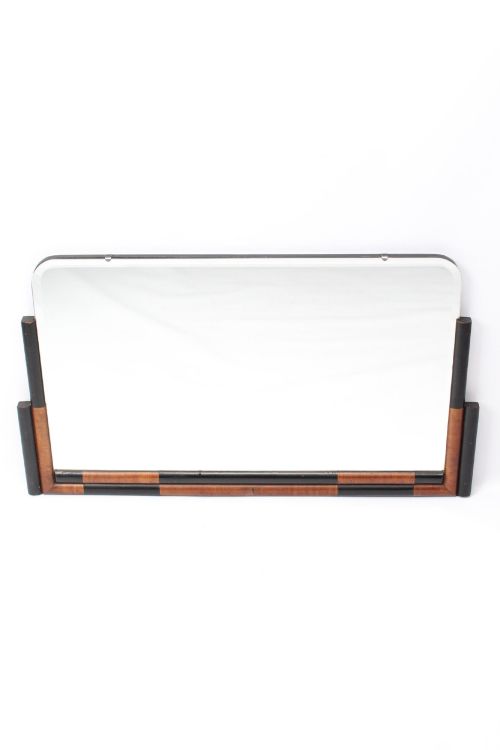
The horizontal mantel mirror designs span several distinct eras, appearing most frequently in Regency, Victorian, and nineteenth-century iterations alongside occasional Georgian rococo and Art Deco examples. Buyers encounter formats ranging from carved giltwood frames to dark timber surrounds made of walnut, mahogany, and rosewood.
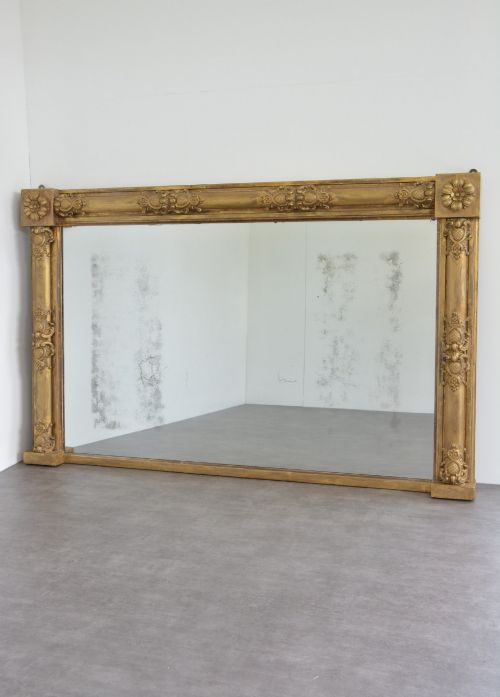
Makers historically sized these mirrors to match standard mantelpieces, resulting in wide proportions relative to their height. Surviving examples often retain original glass plates, some displaying light foxing that speaks to their age.
Materials and construction
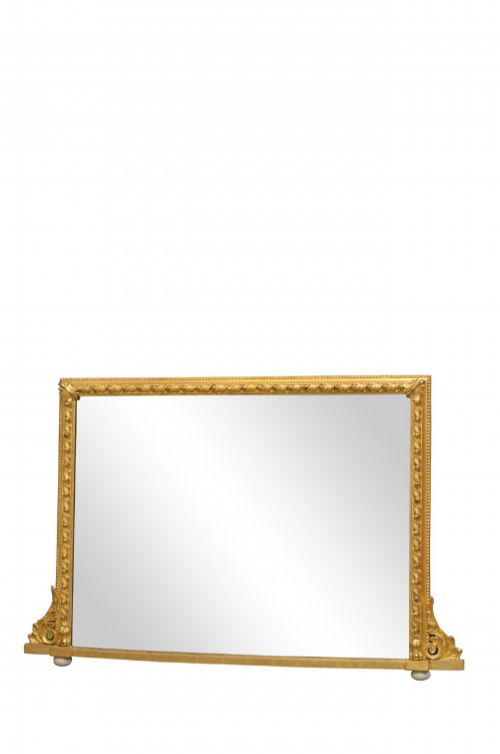
Makers constructed the primary frames of a horizontal mantel mirror using timber foundations such as pine or hardwood, applied with gesso and composition ornaments for moulded details. Gilding was then applied over these surfaces to create the metallic finishes seen on Regency and Victorian examples.
Cabinetmakers utilised veneers of birdseye maple, walnut, mahogany, and rosewood for wood-finished frames, highlighting natural grain patterns. Glass plates were set into the rebates behind wooden beads or gilt slips, occasionally framed by ebonised wood details.
Some nineteenth-century mirrors hide small wooden wedges behind their frames that have held the glass securely in place for generations.
Distinctions in quality
The quality of a horizontal mantel mirror rests upon the crispness of its carved or moulded gesso decoration and the depth of its original gilding. Finer pieces display sharp detail in the composition ornaments and retain their original glass plates with natural ageing rather than modern replacements.
Construction methods also separate standard production from superior craftsmanship, visible in the joinery of the pine carcass and the selection of timber veneers. Frames that maintain structural rigidity without excessive movement or clumsy repairs represent the higher tier of surviving examples.
The Horizontal Mantel Mirror Glossary
- Giltwood
- Timber carved and coated with gold leaf applied over a prepared gesso ground. This finish defines many traditional overmantel frames.
- Gesso
- A plaster mixture applied to wood frames to create a smooth surface for subsequent gilding or painting. It allows intricate relief ornaments to be moulded onto the structure.
- Composition
- A moulded material made from whiting, oil, resin, and glue used for decorative reliefs on picture and mirror frames. It is pressed into moulds while warm and applied to the wooden base.
- Foxed glass
- Mirror glass affected by oxidation behind the silvering layer, producing characteristic dark spots and cloudy patches. This condition occurs naturally over long periods.
- Tryptic
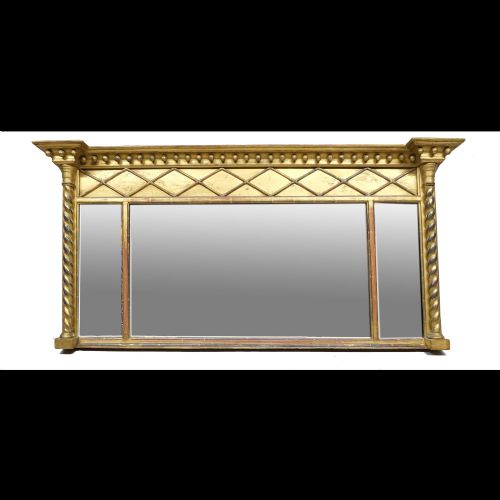
- A mirror divided into three distinct panels within a single frame. This layout is particularly characteristic of large Regency mantel mirrors.
Horizontal Mantel Mirror: Frequently Asked Questions
How do I measure for a horizontal mantel mirror?
Measure the width of your mantelpiece shelf and the available wall height up to any cornice or picture rail. A well-proportioned mirror typically matches or sits slightly within the footprint of the mantel shelf below it.
Consider the weight and hanging points of the frame relative to your wall construction before purchasing. Horizontal designs require secure fixings distributed across the structure to support the combined weight of timber and glass.
Can I hang a mantel mirror on the wall?
These mirrors are designed to rest securely on a mantelpiece while being anchored to the wall for safety. Using heavy-duty wall brackets prevents the frame from tipping forward.
While some examples can be hung independently without a mantel, the original proportions and weight distribution usually assume a supporting shelf underneath. Professional installation is recommended for larger nineteenth-century giltwood frames.
How do I identify a Regency mantel mirror?
Regency examples often feature neoclassical motifs such as ball-bearing friezes, reeded columns, or giltwood frames with tripartite glass plates. The construction typically relies on pine carcasses finished with composition ornaments and bright gilding.
Comparing the decorative details against known nineteenth-century design patterns helps confirm the period. Look for traditional construction methods in the backboards and frame joints.
What is foxed glass on an antique mirror?
Foxed glass refers to the natural breakdown of the silver backing over decades, creating soft dark spots and mottled patches across the reflection. This appearance is valued by collectors as proof of genuine age.
Original glass plates with light foxing offer a softer reflection than modern silvered glass. They contribute significantly to the authentic character of nineteenth-century and earlier pieces.