

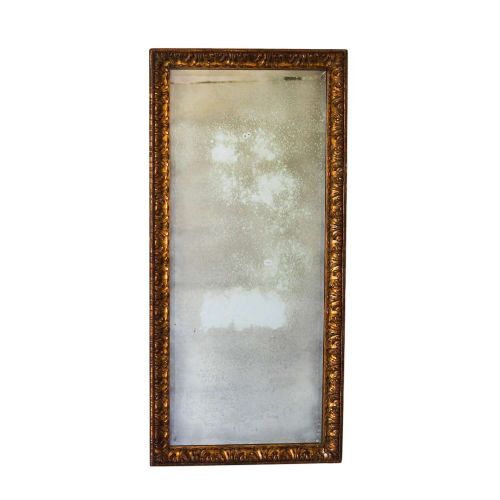
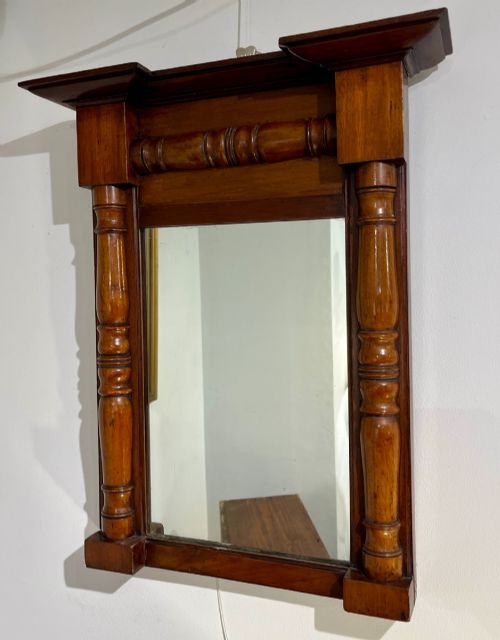
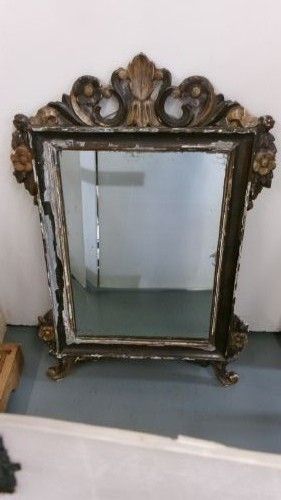
Vintage Pier Glass
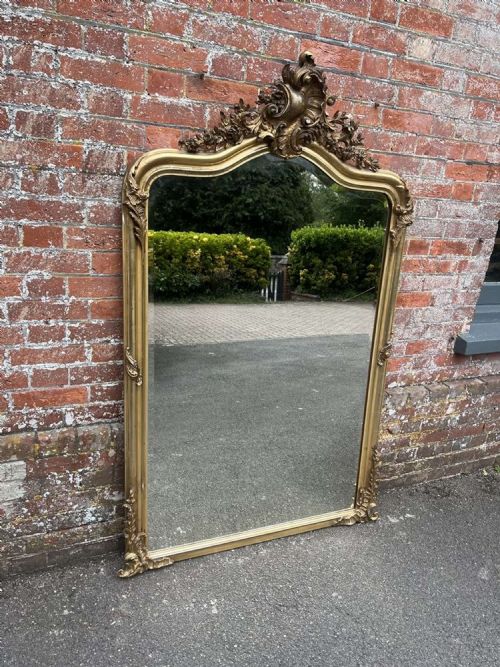
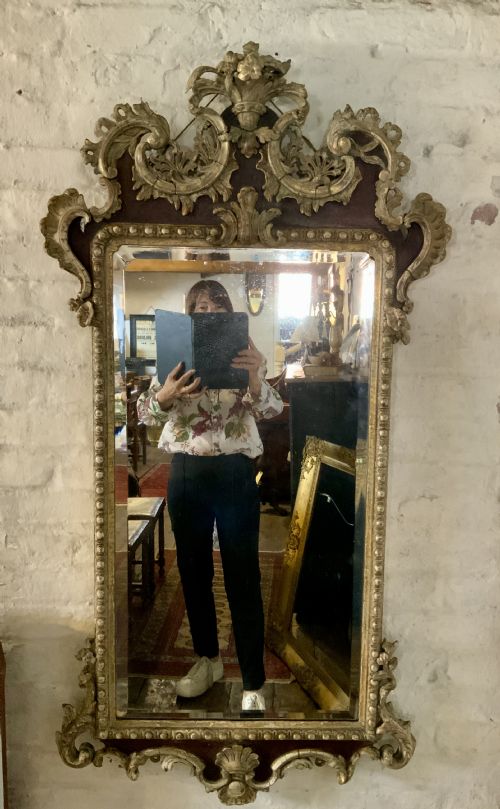
A vintage pier glass hangs tall and narrow, designed specifically for the wall space between two windows to reflect interior light.
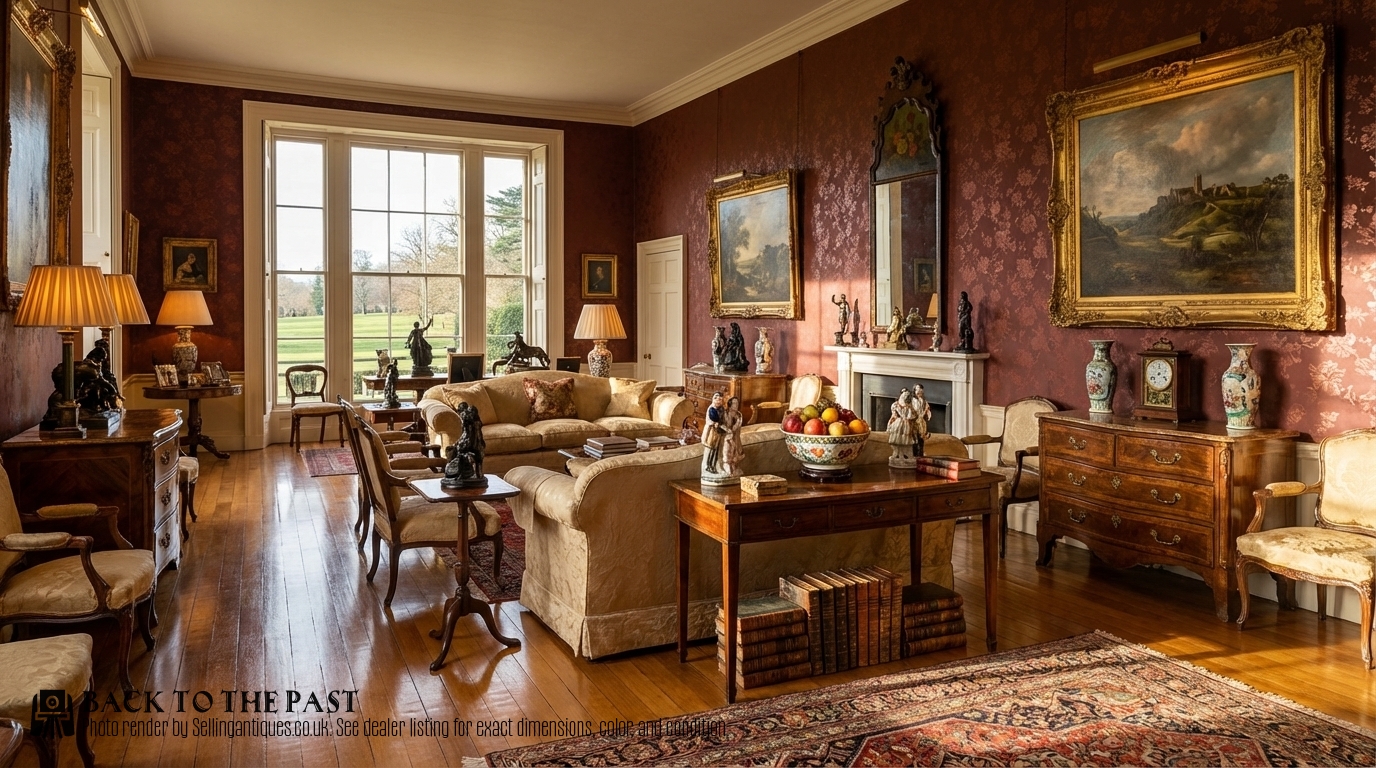
Vintage Pier Glass
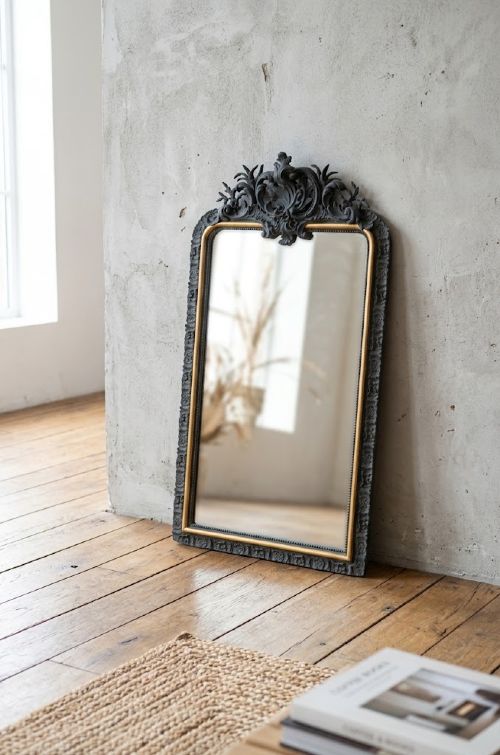
A vintage pier glass represents a tall, upright mirror designed to occupy the narrow wall space situated between two windows in a formal room. The listings here primarily comprise 19th-century and Georgian examples, alongside Victorian and early 20th-century interpretations.
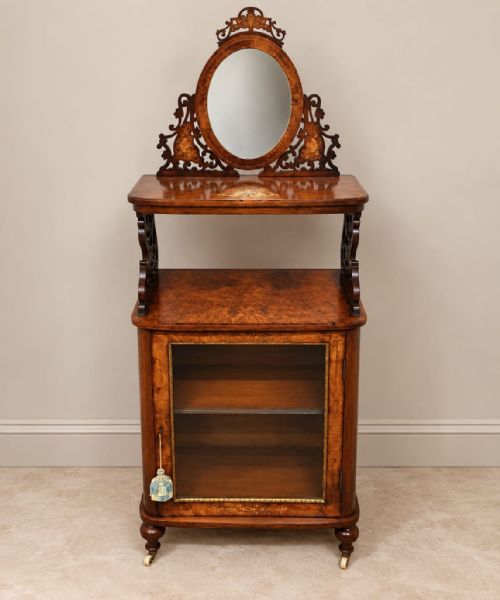
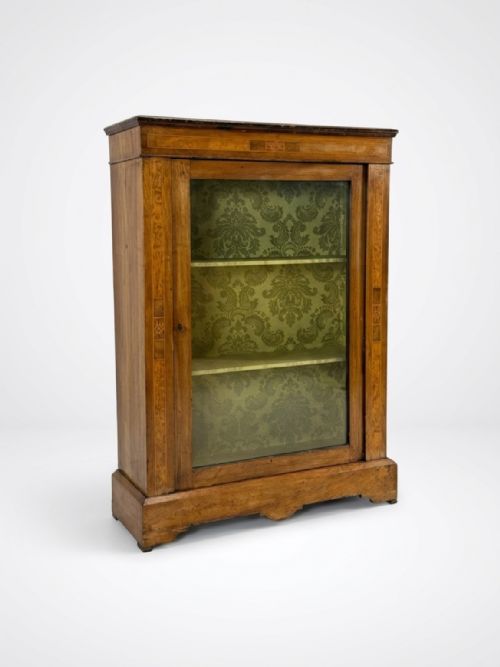
Makers shaped these frames in mahogany, walnut, gesso, and giltwood, drawing on Regency, Rococo Revival, and French stylistic influences. Alongside traditional wall-hanging forms, the selection includes related items such as side cabinets and pier cabinets designed to sit directly beneath the glass.
Materials and Technique
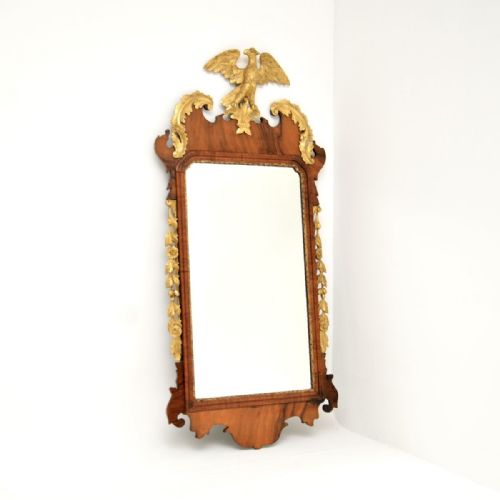
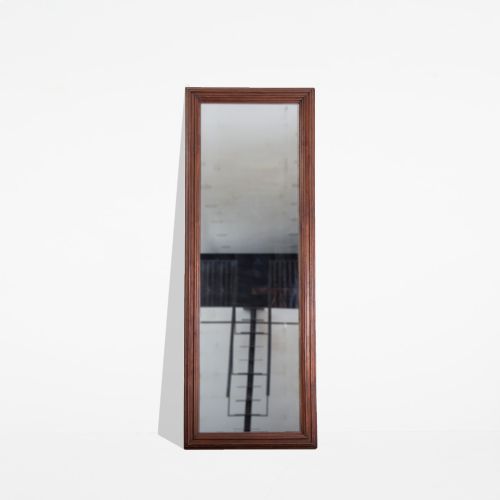
Craftsmen built the underlying structures from dense timbers including mahogany, walnut, and sycamore, often applying intricate fretwork or carved details directly into the wood. Other pieces rely on carved wood and gesso finished with gold leaf, silver gilding, or paint.
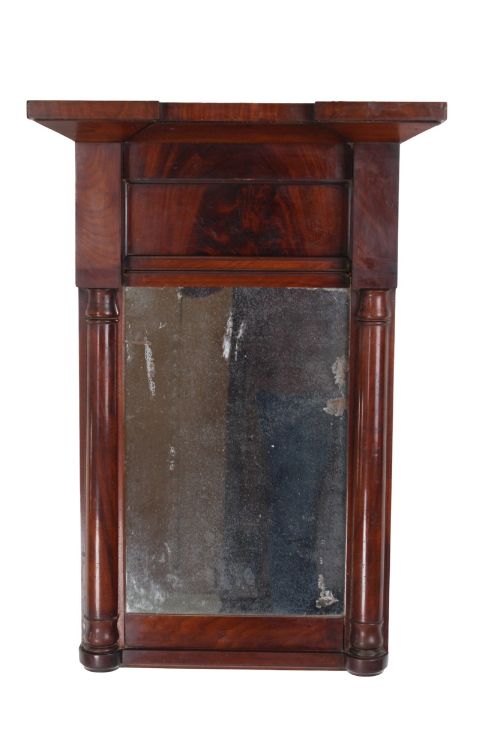
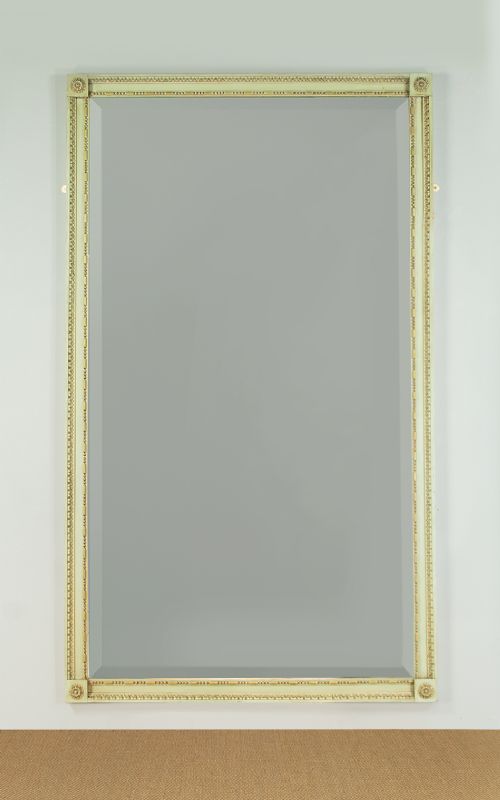
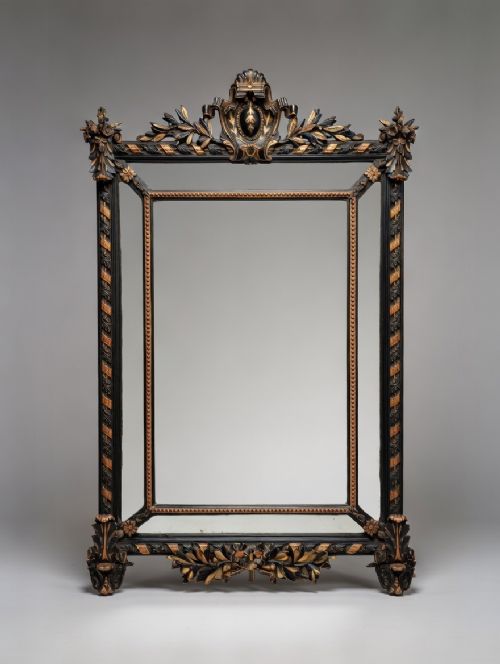
Mirror plates were set into the frames, sometimes divided into two sections with reverse glass prints placed above the main reflecting surface. Parcel-gilt accents and ebonised highlights frequently accentuate the primary timber or gilded ground.
Distinguishing Quality
The standard of a vintage pier glass rests on the crispness of the hand-carved ornament and the depth of the gilding upon the gesso. Finer pieces display refined proportions and deliberate detailing rather than heavy, indistinct moulding.
The integrity of the original mirror plate and the choice of cabinet timbers also divide standard examples from exceptional ones. Cohesion between the frame style and any secondary decorative elements, such as parcel-gilt slips, dictates the overall authority of the piece.
The Vintage Pier Glass Glossary
- Pier glass
- A tall mirror designed to fit the narrow wall space between two windows. It frequently sat above a console table or pier cabinet.
- Gesso
- A plaster-like mixture applied to wood frames to create a smooth surface for carving and gilding. Artisans built up relief ornamentation in gesso before applying gold leaf.
- Parcel-gilt
- Partially gilded, where selected portions of a wood or painted surface receive gold leaf to highlight carved details. This technique creates contrast against a dark timber or painted background.
- Trumeau
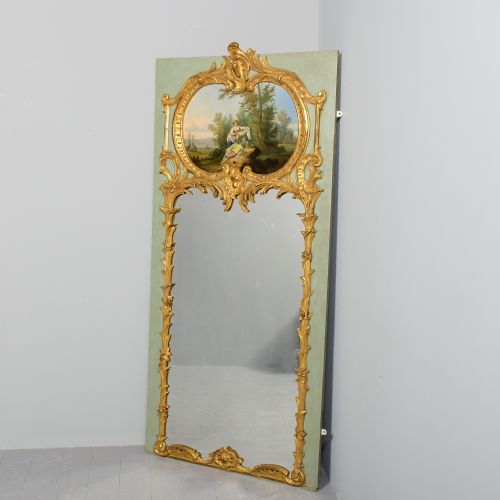
- A decorative wall mirror featuring a painted panel or artwork integrated into the upper section of the frame. These French-origin mirrors often incorporate classical scenes or floral motifs above the glass.
- Fretwork
- Openwork ornamentation cut from thin wood using a fine saw. Georgian craftsmen utilised fretwork extensively to create light, patterned borders on mirror frames.
Vintage Pier Glass: Frequently Asked Questions
Where should I hang a pier glass?
These mirrors suit narrow wall spaces, particularly the expanse of wall situated between two windows. Their tall, slender proportions also function effectively above mantelpieces or console tables.
Because they were originally proportioned to bounce natural light around dark period rooms, positioning them opposite a window maximises their brightness.
How do I identify a Georgian pier glass?
Look for dense timbers such as mahogany and walnut combined with hand-cut fretwork or parcel-gilt ornamentation. The joinery and framing methods on these pieces typically reflect 18th-century cabinet-making traditions.
Georgian mirrors often display restrained classical motifs or early Rococo scrollwork rather than the heavy, ornate gilding seen in later Victorian revivals.
What is a trumeau mirror?
A trumeau mirror is a distinct French wall mirror that incorporates a painted wooden panel or reverse glass print above the main looking glass. These decorative panels frequently depict pastoral scenes or architectural details.
They serve as integrated wall decoration rather than simple functional mirrors, combining painting and glass within a single framed unit.
Why do some pier glasses have divided mirror plates?
Early glass-making technology limited the size of flawless plates that could be cast or blown. Artisans split the glass into an upper and lower section to achieve the desired height.
Divided plates also allowed craftsmen to incorporate reverse glass paintings or decorative panels into the upper portion of the frame.