






Tall Narrow Mirror
A tall narrow mirror solves the problem of a tight wall space by drawing the eye upward and reflecting light.
Tall Narrow Mirror
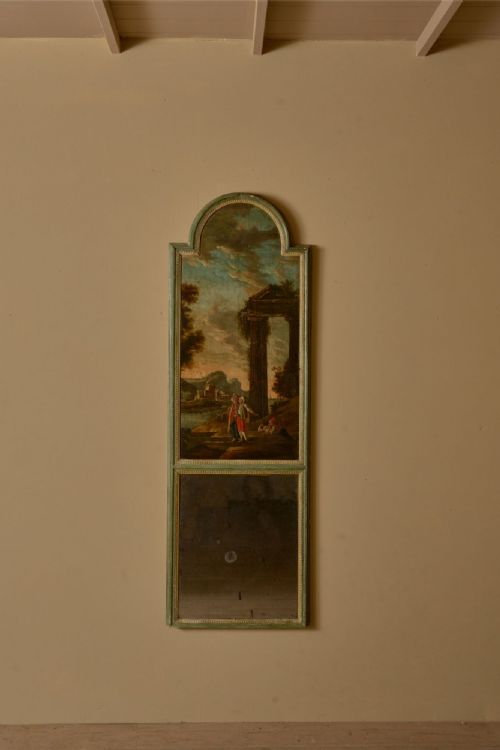
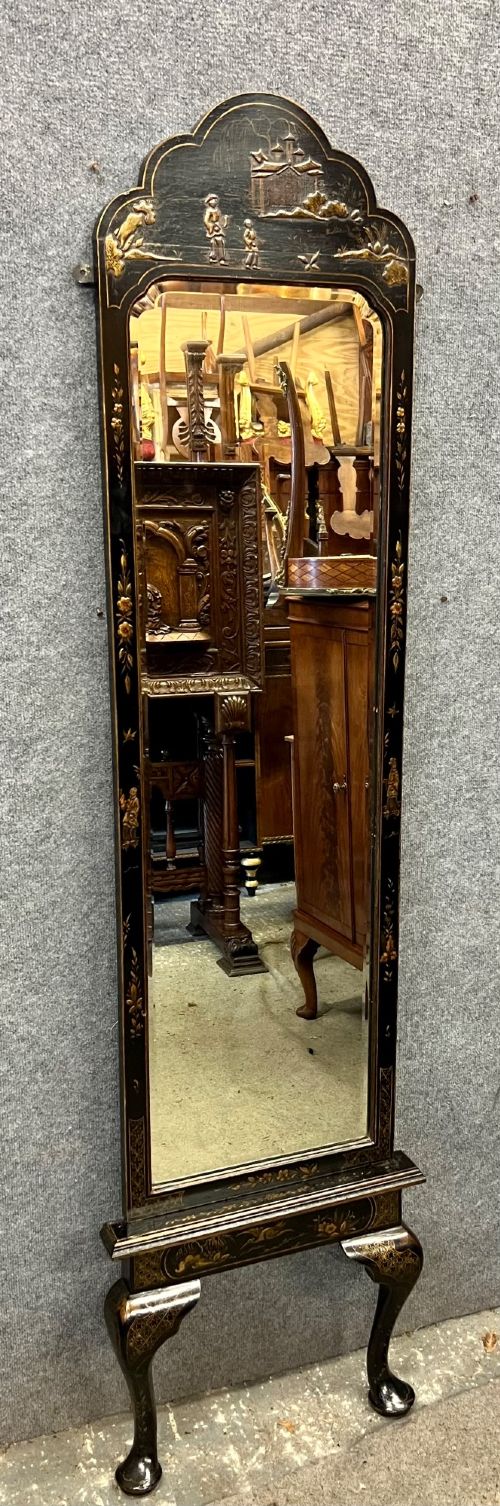
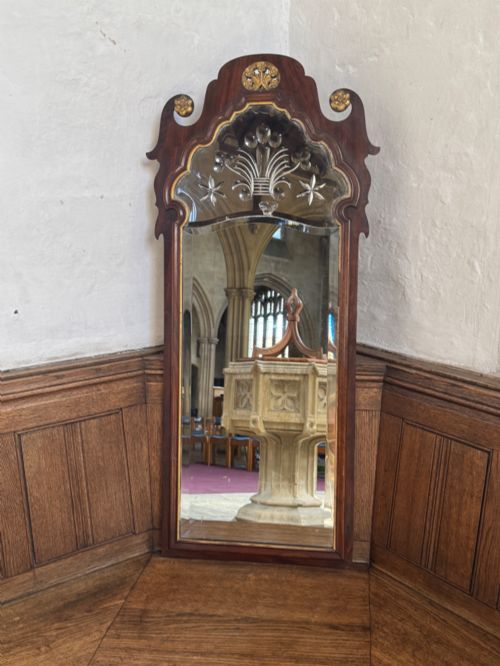
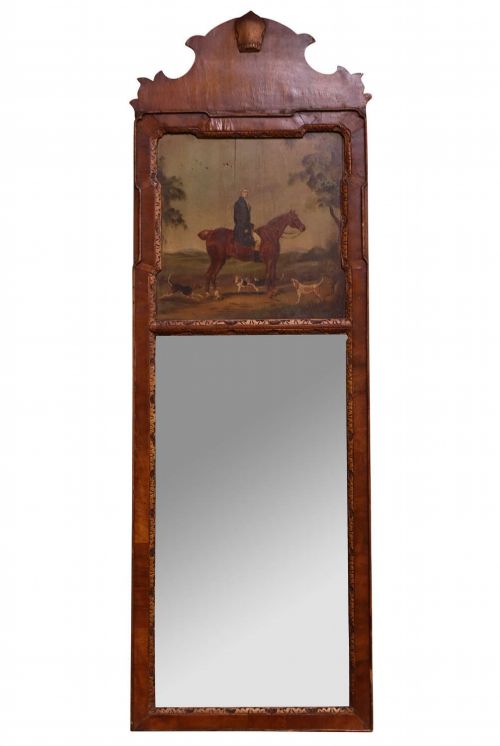
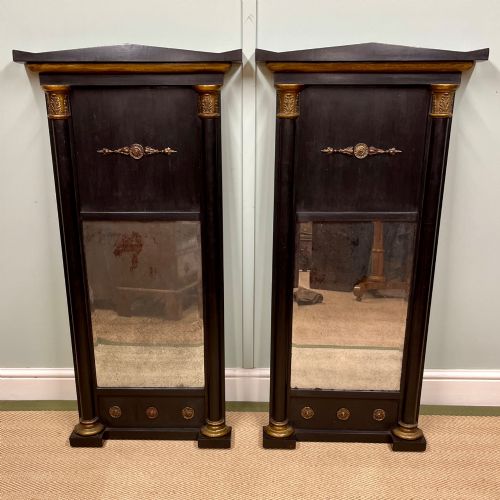
A tall narrow mirror primarily takes the form of a pier mirror or wall glass designed to hang between windows or narrow expanses of panelling. The pieces on this page span several centuries, including Georgian, Victorian, and Edwardian periods, alongside revival designs such as Queen Anne and George I.
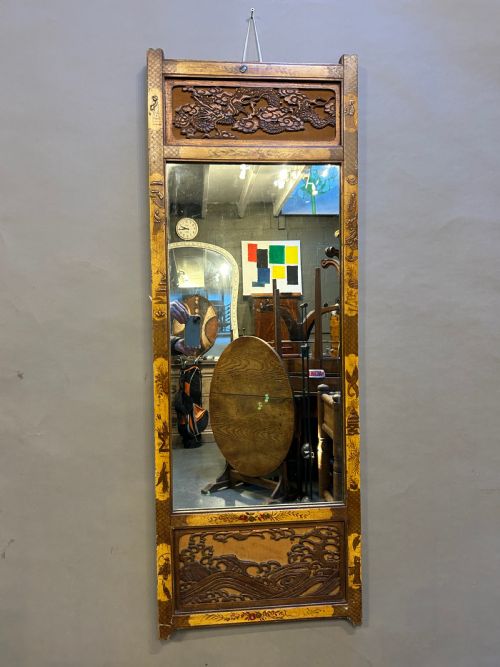
Origins range from English workshops to French and Continental makers, reflecting diverse decorative traditions from chinoiserie to Neoclassical and Regency styles.
How they were made
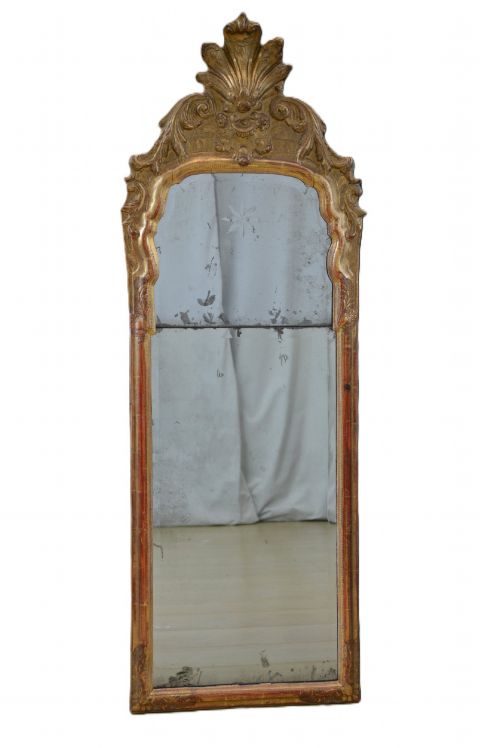
Carved wooden frames provide the structural foundation, utilising timbers such as mahogany, walnut, and rosewood, or softer woods prepared for gilding. Artisans applied layers of gesso to wood before gilding with gold leaf or painting in finishes like red japanning and cream.
Mirror glass plates range from traditional mercury plates to reverse cut plates, set directly into rebated frames or secured behind carved fretwork and parcel gilt mouldings.
Tall Narrow Mirror Retail Price Guide 2026
Typical asking prices for tall narrow mirror among the pieces listed under this phrase on Sellingantiques today, from the lower quarter to the upper quarter. They describe what is for sale here now, not the wider market.
Some pier mirrors include hidden oil paintings tucked neatly into the upper glass panel to double as artwork.
What varies in quality
The sophistication of the woodcarving and the depth of the gesso relief separate standard decorative frames from exceptional pieces. Crisp hand-carved details in giltwood or parcel gilt show the hand of a skilled artisan rather than mass production.
The integrity of the original mirror plate influences the character of the piece, with early bevelled or mercury glass retaining distinct ageing that contrasts with later replacement glass.
John Belchier
The Tall Narrow Mirror Glossary
- Pier mirror
- A tall narrow mirror designed specifically to hang on the pier, which is the narrow wall space between two windows. These pieces often sat above low console tables.
- Gesso
- A plaster-like mixture applied to wood frames as a base for carving and gilding. It allows for intricate, sharp ornamental relief work.
- Parcel gilt
- A decoration technique where only specific parts of a frame are gilded with gold leaf, leaving the underlying wood or paint visible elsewhere.
- Mercury plate
- An older style of mirror plate backed with a tin and mercury amalgam. It produces a mottled, warm reflection distinct from modern silvered glass.
- Japanning
- A type of European finish that emulates East Asian lacquerware. It involves layered varnishes and often incorporates painted Chinoiserie motifs.
Tall Narrow Mirror: Frequently Asked Questions
Where should I hang a tall narrow mirror?
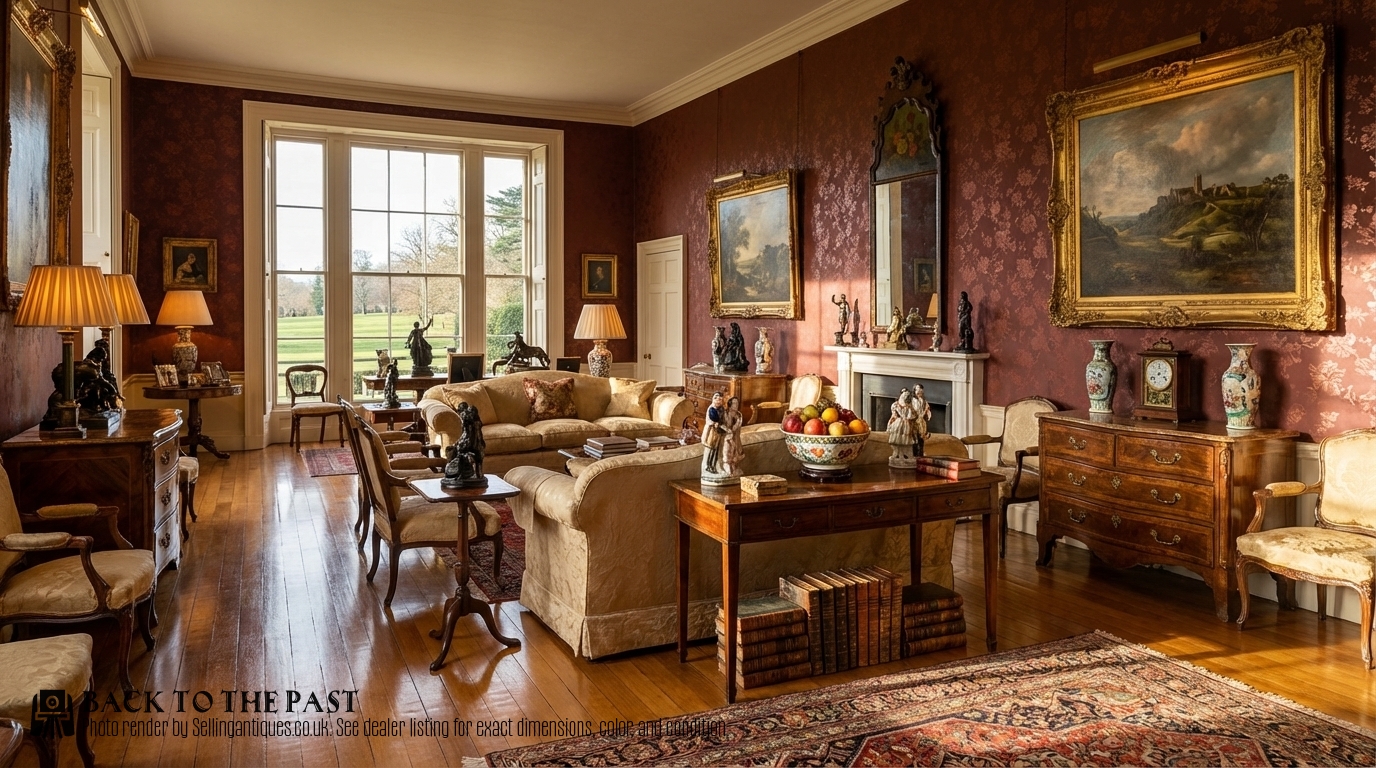
These mirrors suit confined vertical wall spaces, narrow hallways, or the gap between two windows where standard horizontal mirrors do not fit. They also function well placed above console tables or dressing room surfaces.
Because of their proportions, they draw the eye upward and help to bounce light into darker corners of a room without overwhelming the surrounding wall.
How do I identify a pier mirror?
A pier mirror is characterised by its tall, vertical proportion, originally built to fit the narrow strip of wall between windows in period reception rooms. They frequently pair with console tables or incorporate lower shelf brackets.
Look for architectural framing elements like half columns, gesso ornamentation, or top panels that match the classical proportions typical of 18th and 19th-century interior design.
Are the mirror plates original?
Many older pieces retain their original glass plates, which often display foxing, slight oxidation, or the distinct heavy depth of mercury plates. Replacement plates appear in pieces that have undergone restoration over the centuries.
Examining the silvering behind the glass and the way the plate sits within the rebate helps determine whether the glass dates to the construction of the frame.
How do I care for antique giltwood frames?
Giltwood and gesso surfaces require gentle dusting with a soft, dry brush to avoid disturbing fragile or aged leaf work. Moisture and chemical cleaners must be kept away from the gilding entirely.
Stable indoor humidity prevents the underlying wood and gesso from expanding or contracting, which preserves the stability of the carved details over time.