
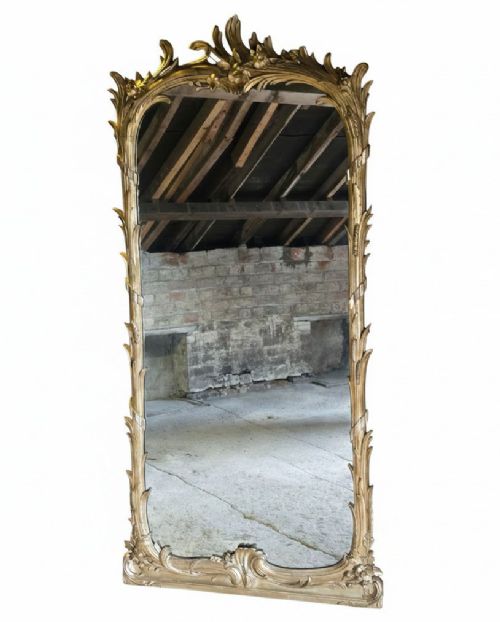
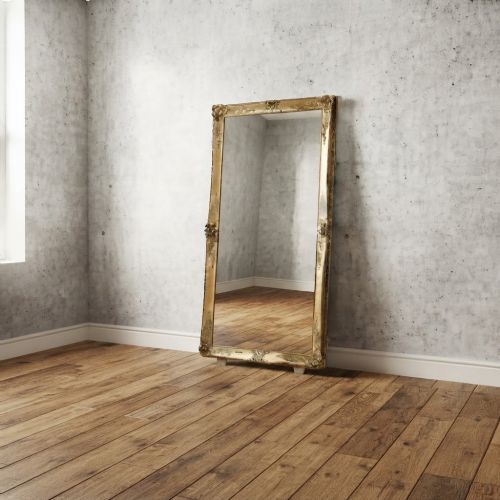
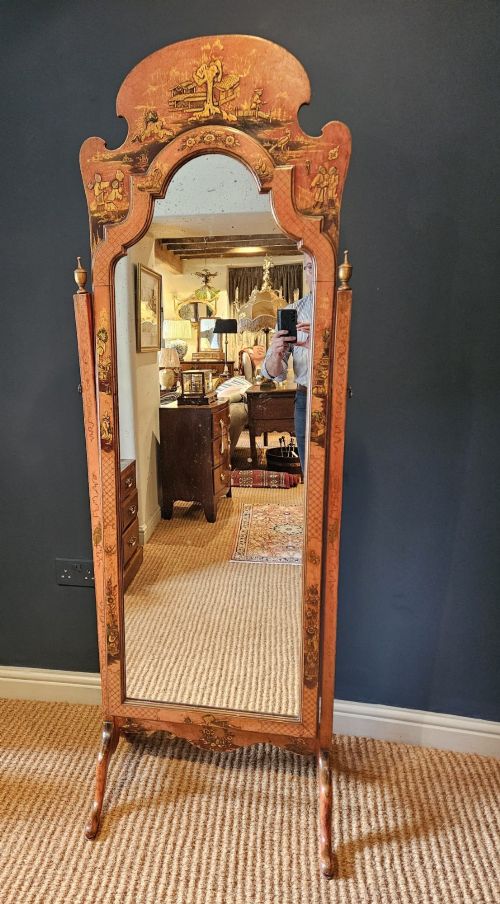
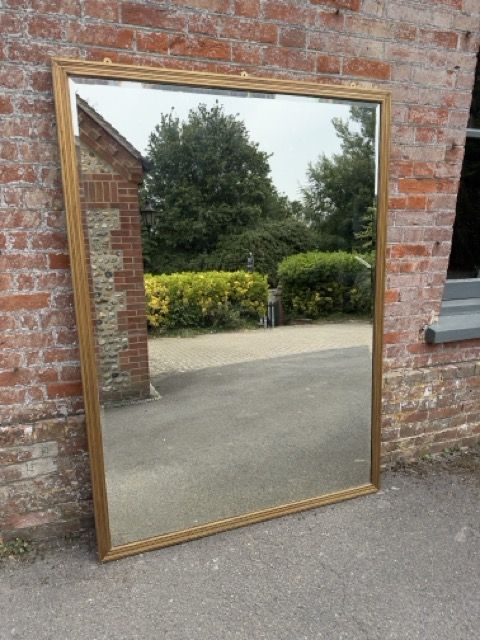
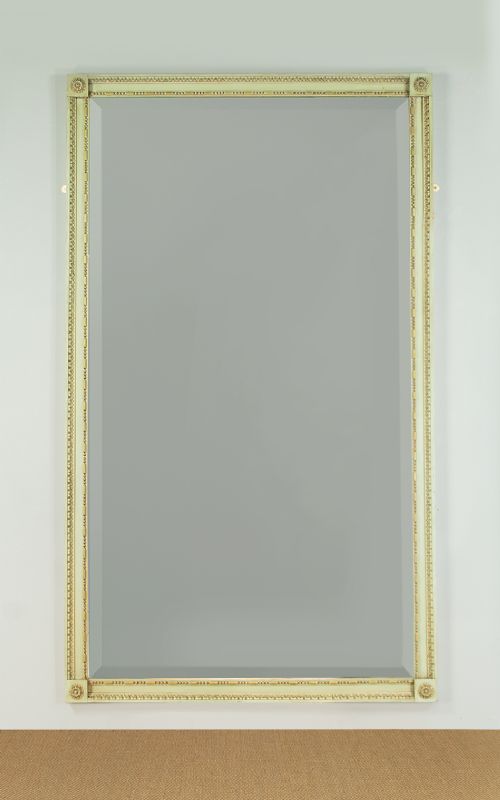
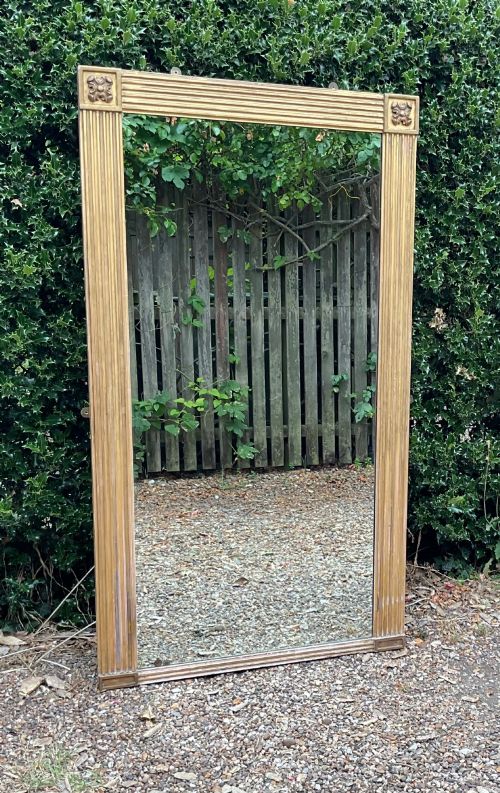
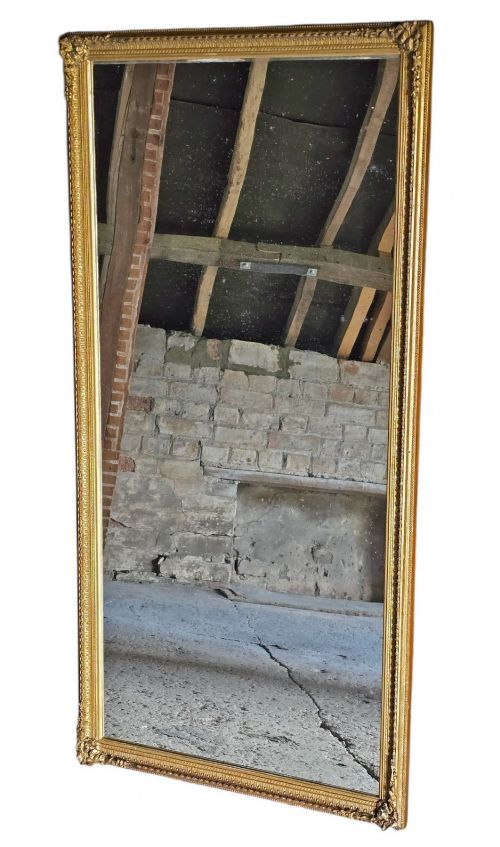
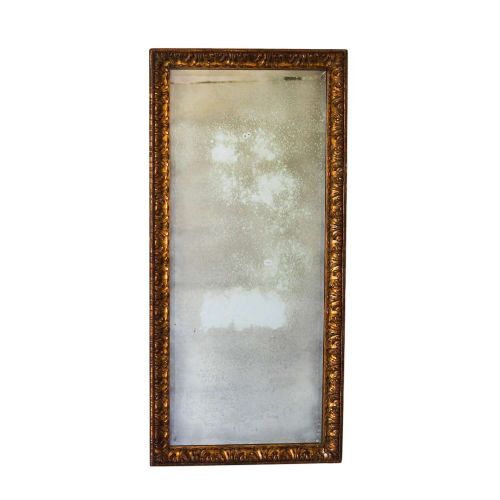
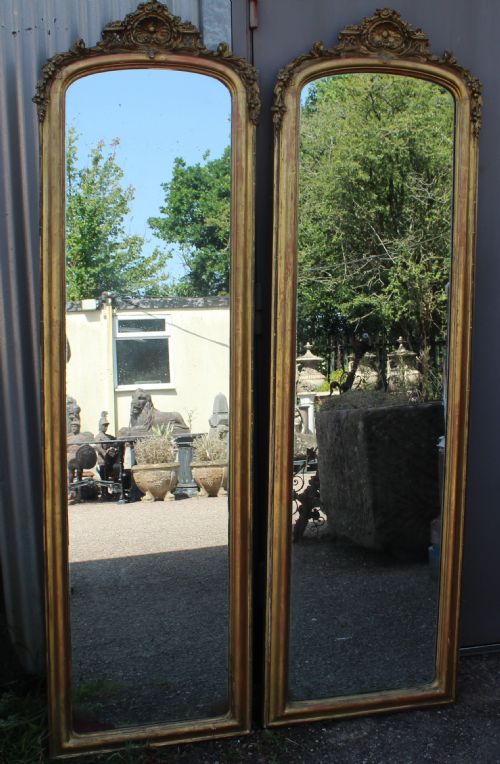
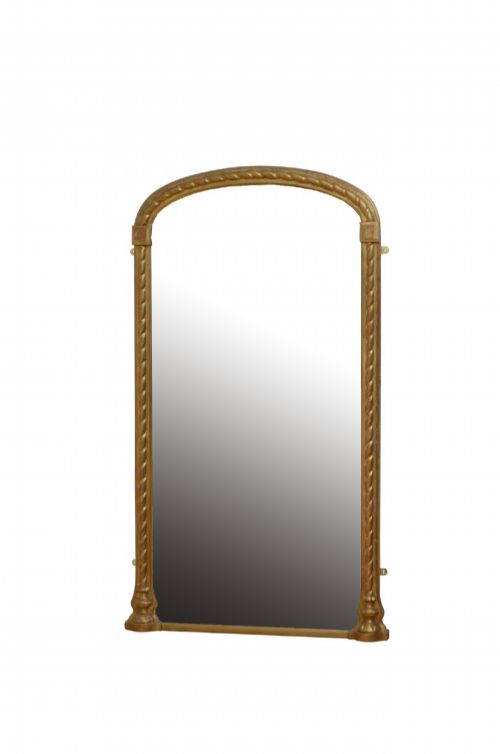
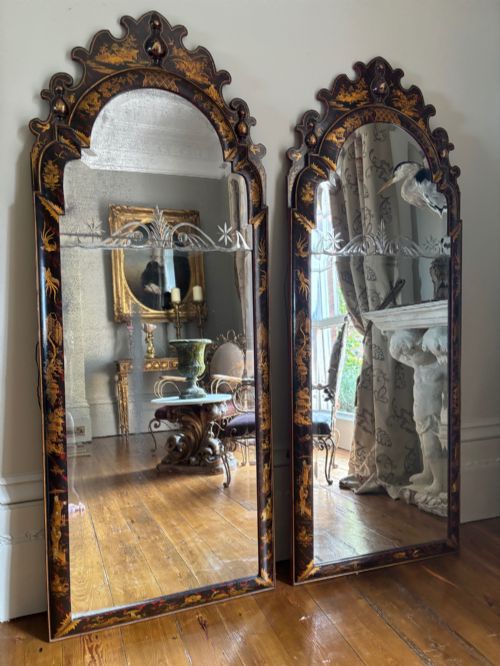
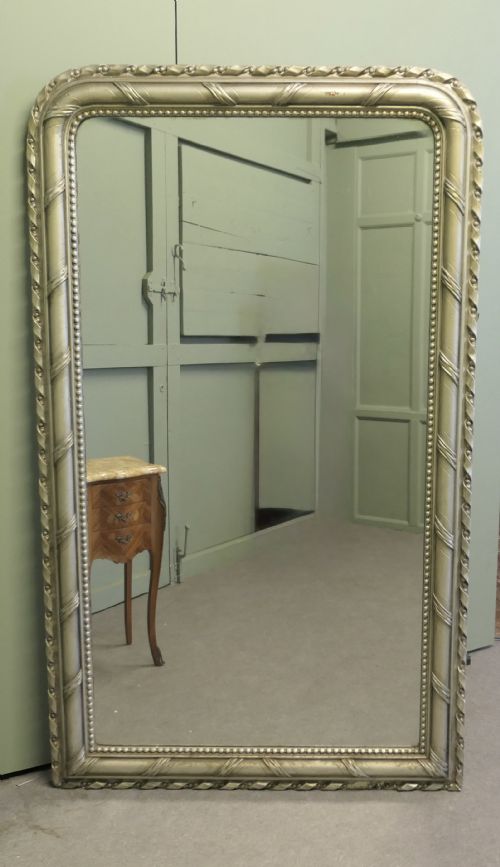


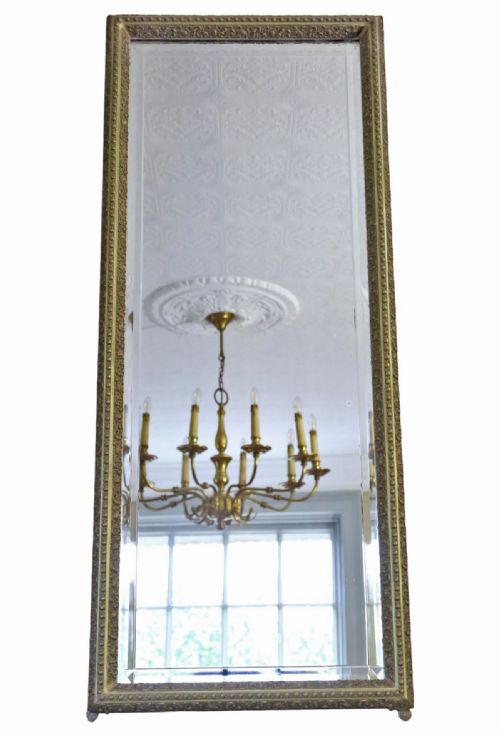
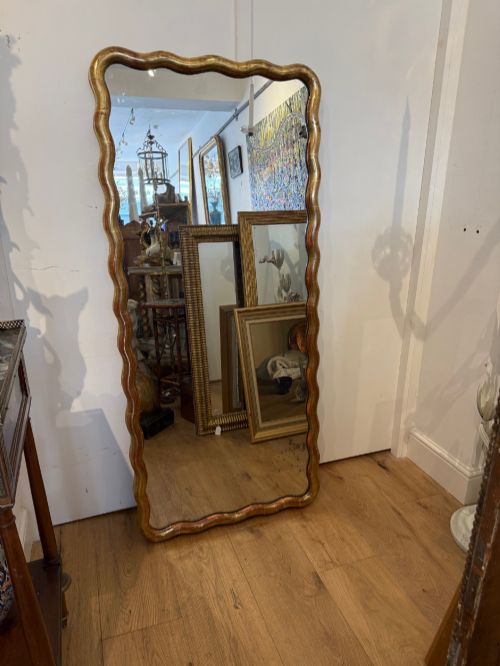
Full Length Gilt Mirror
A full length gilt mirror brings height and reflected light to a room, offering the grand proportions collectors seek in a floor or wall piece.
What They Are
When searching for a full length gilt mirror, you encounter tall vertical pieces designed to stand on the floor as leaners or hang upon principal walls. These imposing items serve both practical dressing functions and decorative architectural roles within an interior scheme.
The examples recorded here span the nineteenth century, including Victorian productions and specific dates such as eighteen eighty and nineteen ten. Makers across this era produced tall formats, incorporating arched crowns and pier glass designs suited to high ceilings.
Origin variations include French and British examples, showing how different regional workshops interpreted large vertical frames. The evidence records leaner mirrors, hall wall mirrors, and matching pairs that demonstrate the variety of domestic settings these tall glasses occupied.
How They Were Made
Makers constructed the primary support from timber, utilising sturdy woods to bear the substantial weight of large vertical glass plates. Artisans applied gesso over the wooden base to create a smooth, malleable surface for subsequent carving and gilding.
Surface decoration involved applying thin sheets of gold leaf over the prepared gesso and bole, secured with size. Carved details such as rope twisting emerged directly from the wood or gesso layers before the application of the gilt finish.
Recorded materials for these listings include glass, gesso, giltwood, and timber.
What Varies in Quality
The sophistication of the carved ornament distinguishes finer frames from simpler production pieces. Crisp rope carving and deeply undercut foliage demonstrate the hand of a skilled artisan rather than routine workshop output.
The integrity of the original gilt surface and the depth of the timber frame define the character of the object. Heavier structural proportions and well-preserved gold leaf retain the visual authority intended by the nineteenth-century maker.
The Full Length Gilt Mirror Glossary
- Giltwood
- Timber that has been gilded with gold leaf over a prepared ground. This material defines the golden surfaces seen on these large frames.
- Gesso
- A plaster mixture applied to wood frames to provide a smooth base for carving and gilding. It allows for crisp decorative details.
- Leaner mirror
- A tall mirror designed to rest against a wall without being hung. These heavy pieces rely on their own base and angle for stability.
- Pier mirror
- A tall glass traditionally hung on the narrow pier of wall between windows. Their vertical proportions maximise light reflection in period rooms.
- Regency
- An English design period spanning the early nineteenth century. Pieces from this era often feature classical restraint and distinct gilded motifs.
Frequently Asked Questions
Where should I place a full length gilt mirror?
These tall glasses suit principal reception rooms or large hallways where their height creates a sense of space and amplifies natural light.
Leaner formats work effectively positioned directly on the floor against a sturdy wall, while lighter wall-hung versions require secure fixings into masonry or heavy studs.
How do I identify a nineteenth-century gilt mirror?
Examine the construction methods, timber types, and the composition of the gesso beneath the gold leaf. Nineteenth-century frames often show specific joinery techniques and heavier timber scantlings.
Look closely at the surface wear and the ageing of the mirror plate, which frequently exhibits the characteristic slight distortions of older glass manufacture.
What is the difference between a leaner and a pier mirror?
Leaner mirrors are constructed with sufficient weight and stability to stand upright directly from the floor, leaning back against the wall without suspension.
Pier mirrors were historically designed to hang on the narrow wall space between windows, often matching the proportions of the architectural gap beneath them.
How should I clean a antique gilt frame?
Dust the gilded wooden surfaces gently with a very soft, dry brush to remove particles without disturbing fragile gold leaf or underlying gesso. Avoid all liquid cleaners and abrasive cloths.
Water and chemical solvents can strip historical gilt finishes and damage the prepared ground layers beneath the metal leaf.