


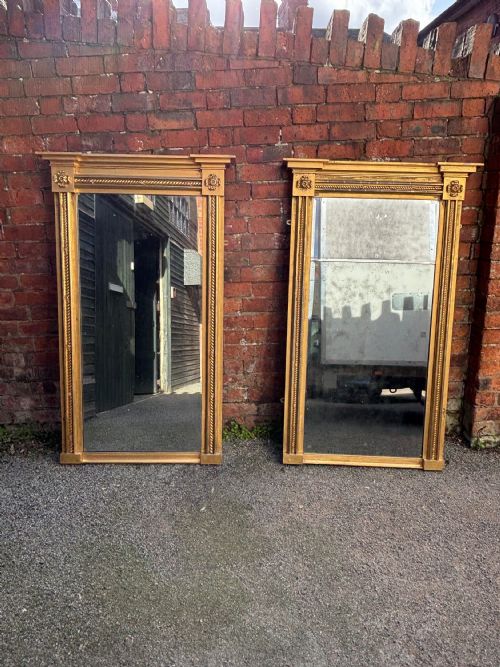


Regency Tall Mirror
A regency tall mirror brings vertical presence and reflected light to a room, drawing the eye upward with its grand proportions.
Regency Tall Mirror
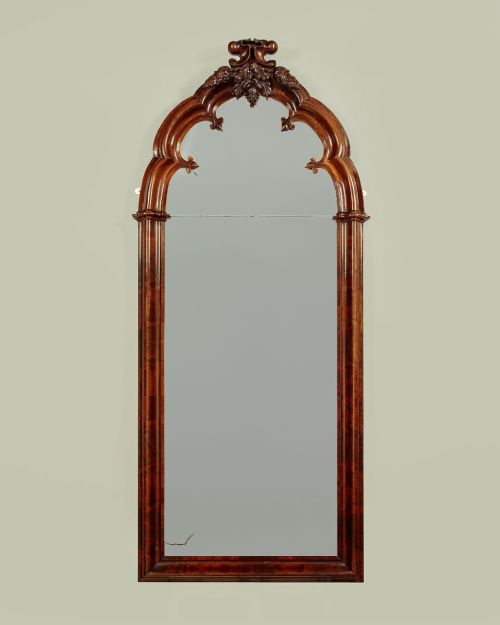
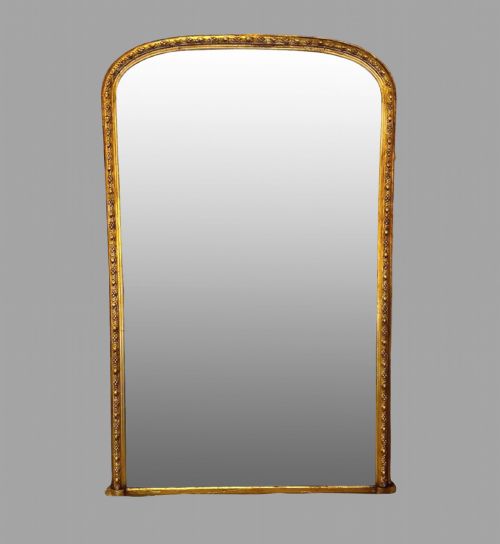
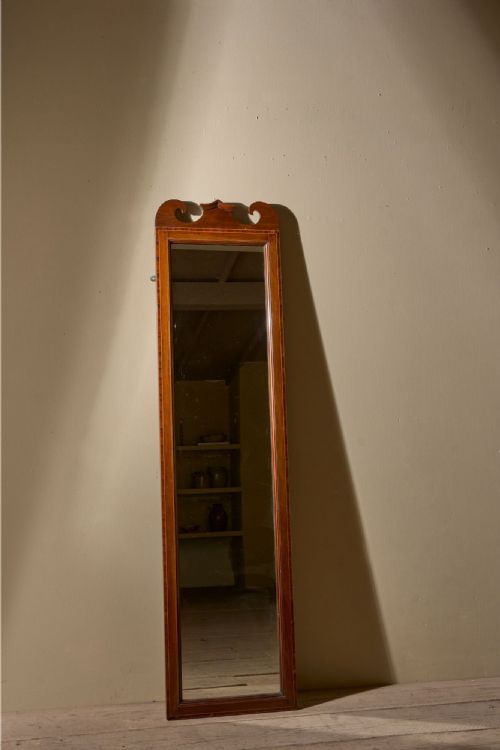
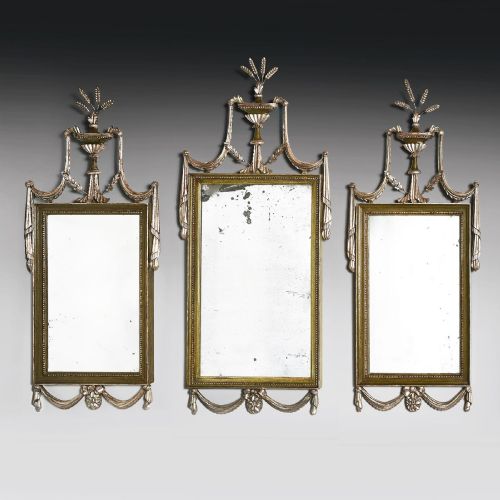
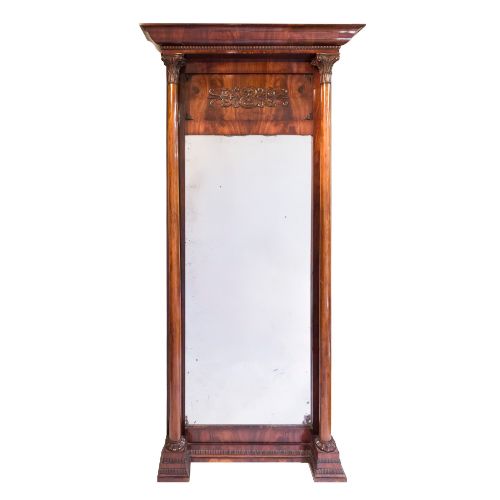
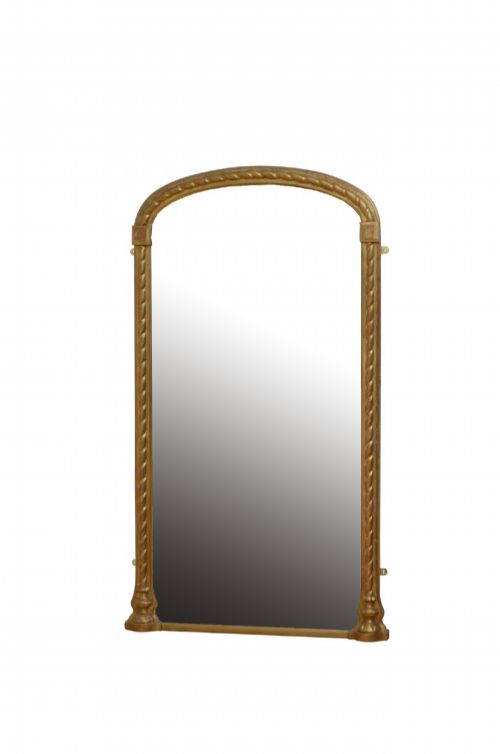
A regency tall mirror primarily appears as a pier mirror, wall mirror, or cheval mirror designed to stand between windows or occupy substantial vertical wall space. These pieces emerge predominantly from the nineteenth century, including the Regency and Georgian periods, alongside later nineteenth and twentieth century interpretations.
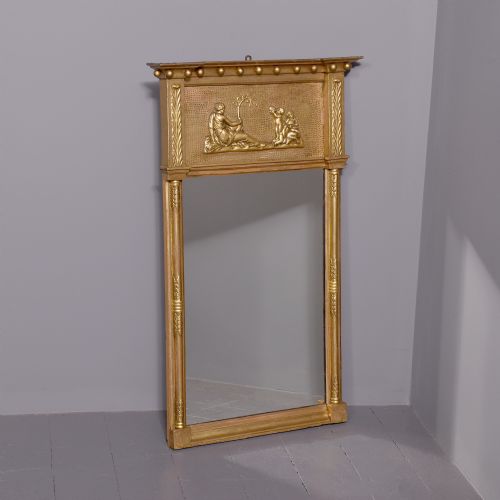
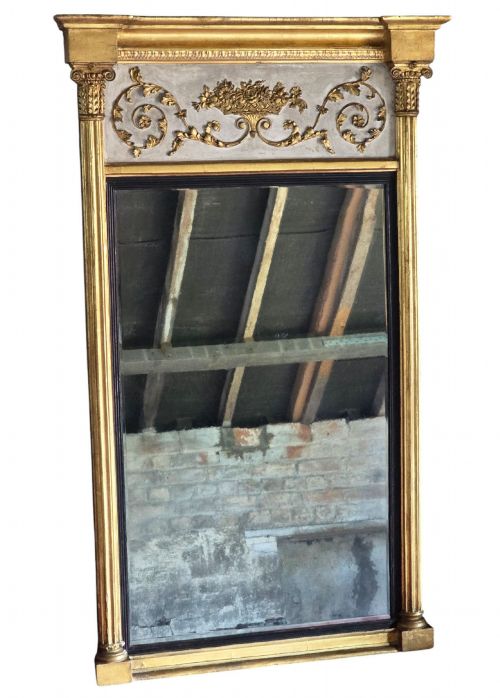
The forms span narrow hall mirrors, overmantle designs, and dressing mirrors paired with console tables. Most examples feature upright rectangular proportions, often framed by architectural columns or pilasters suited to lofty interiors.
What varies in quality
The refinement of the carving dictates much of the distinction, separating crisply executed foliage, columns, and rope work from softer or plainer moulding. The presence of original materials, such as early mercury plates and original gilding, marks a higher degree of preservation.
Proportion and scale also define the standing of a piece, with generous dimensions and balanced architectural elements commanding greater visual authority. Maker attribution, such as work associated with Gillows of Lancaster, further distinguishes select examples.
Regency Tall Mirror Retail Price Guide 2026
Typical asking prices for regency tall mirror among the pieces listed under this phrase on Sellingantiques today, from the lower quarter to the upper quarter. They describe what is for sale here now, not the wider market.
Gillows Of Lancaster
The Regency Tall Mirror Glossary
- Pier mirror
- A tall mirror specifically designed to hang on the pier wall between two windows. These pieces often sat above low console tables or directly against the masonry.
- Giltwood
- Timber carved and coated with gold leaf or metallic paint. This finish creates the characteristic bright, reflective warmth seen on classical frames.
- Gesso
- A plaster mixture applied to wood frames to create a smooth base for gilding. It allows craftsmen to model sharp relief details before applying gold leaf.
- Mercury plate
- An early type of mirror glass made using a tin-mercury amalgam. It produces a deep, slightly mottled reflection distinct from modern silvered glass.
- Cheval mirror
- A freestanding full-length mirror hung on a frame with pivoting pivots. These allow the glass to tilt to various angles for dressing.
Regency Tall Mirror: Frequently Asked Questions
Where should I hang a pier mirror?
These mirrors traditionally hang on the narrow wall space between two windows to maximise light distribution in a room. They also function effectively above mantelpieces or console tables.
Ensure the wall fixings can support the substantial weight of these timber and glass pieces.
What is an original mercury plate?
An original mercury plate is an early form of mirror glass produced using a tin and mercury backing technique. It creates a softer, deeper reflection with characteristic ageing.
Finding a mirror retaining this early glass adds authenticity to nineteenth-century examples.
How do I tell a pier mirror from a cheval mirror?
A pier mirror is designed to be mounted against a wall, frequently above a low table or pier. It remains fixed in one vertical position.
A cheval mirror is a freestanding piece mounted on a frame with side pivots that let the glass tilt.