




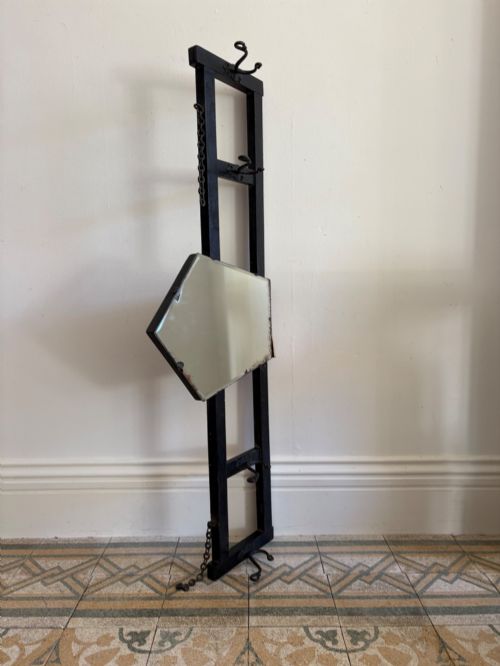
Hall of Mirrors
These hall of mirrors pieces bring functional presence and reflected light to an entrance space, spanning Victorian, Edwardian, and Arts and Crafts periods.
Hall of Mirrors
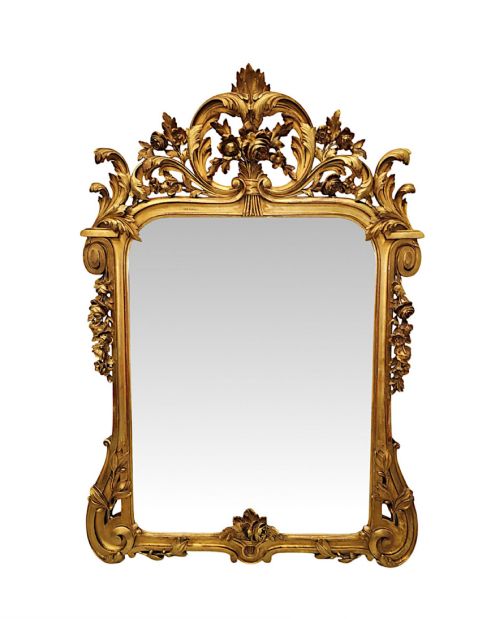
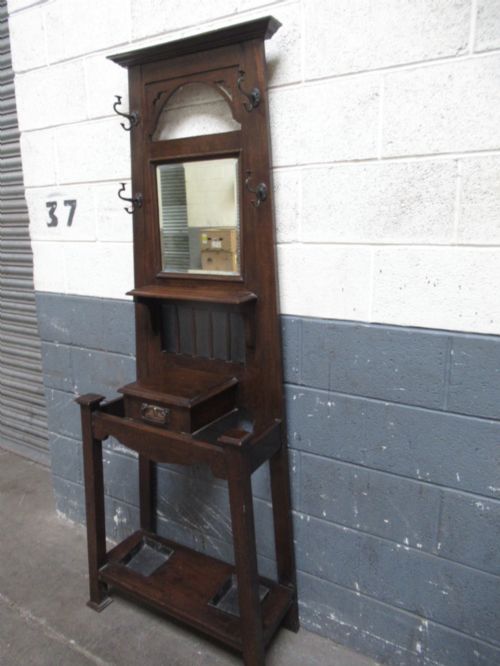
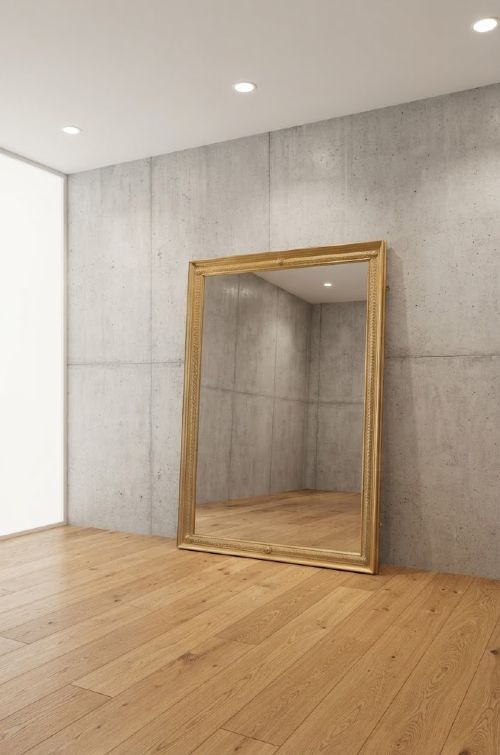
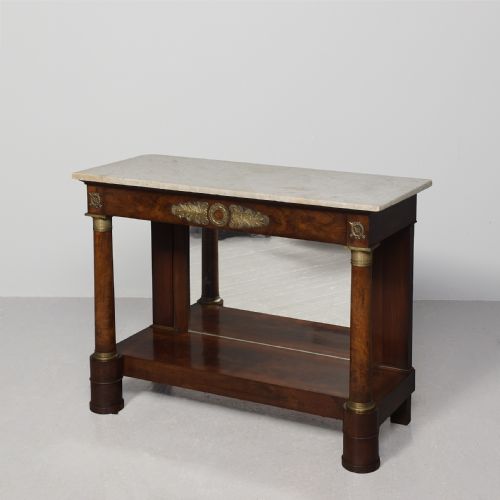
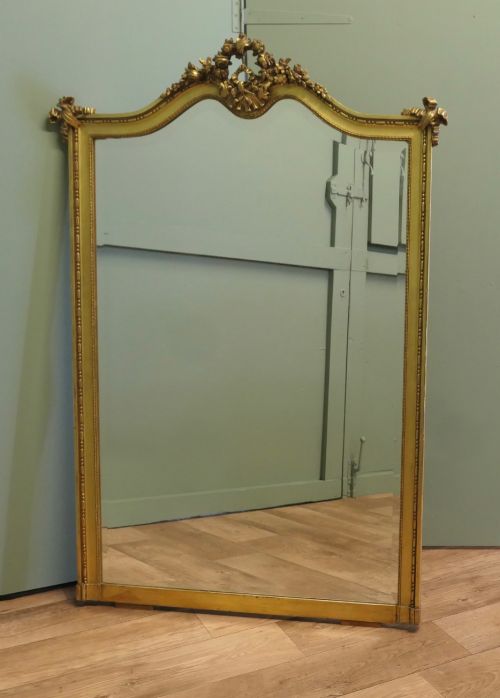
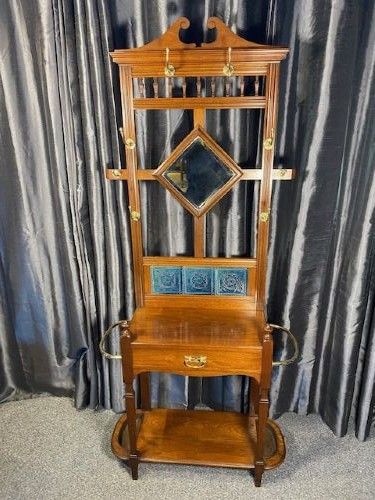
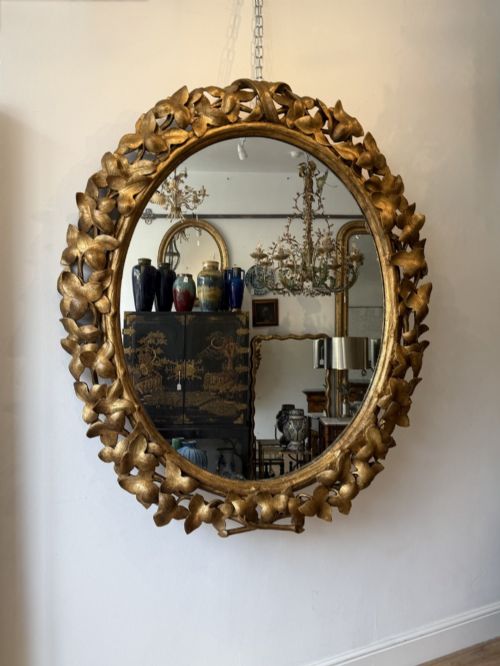
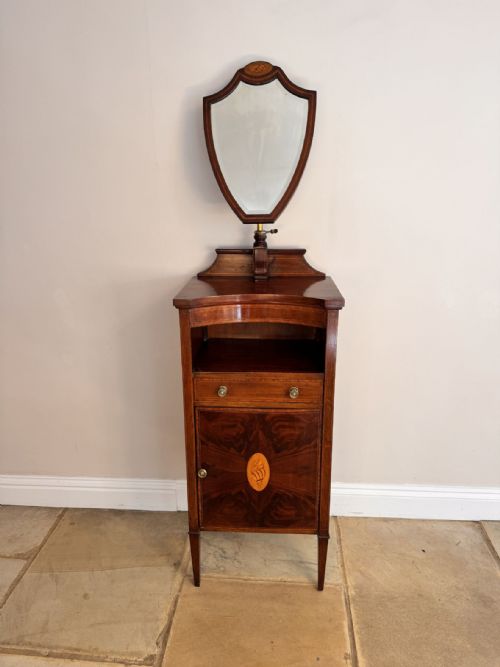
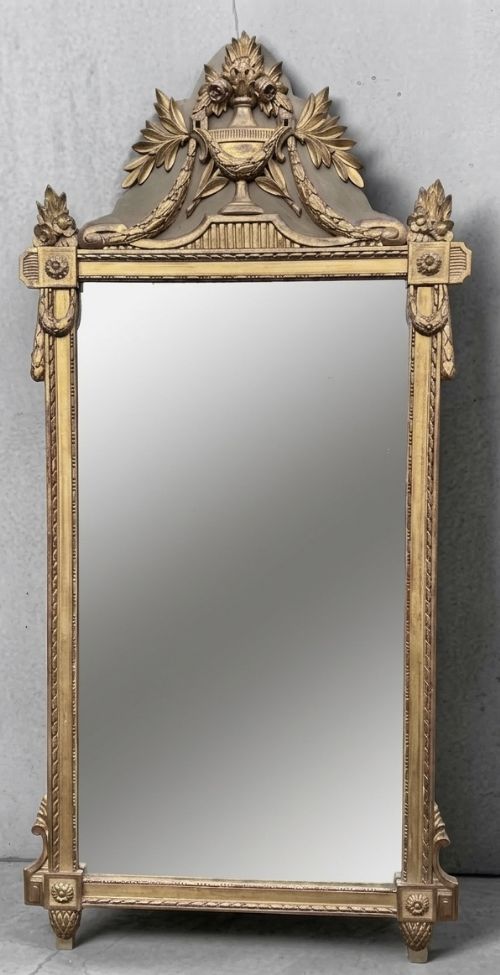
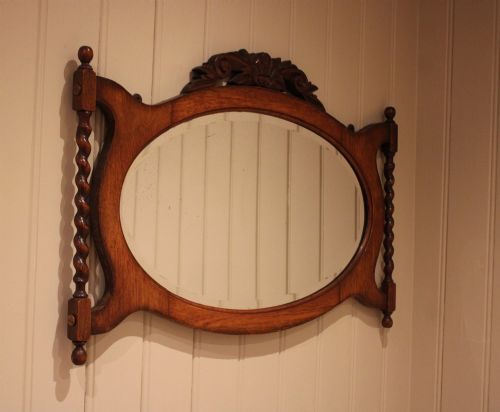
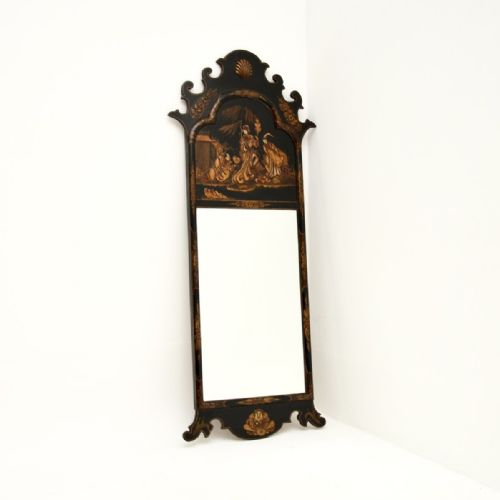
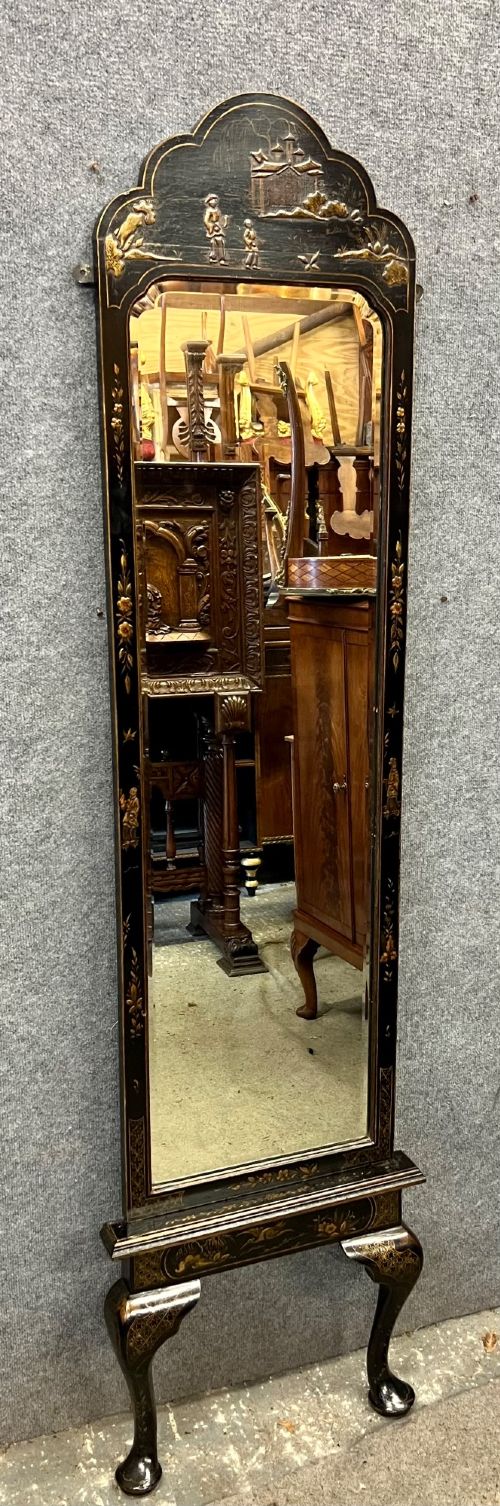
When searching for a hall of mirrors, a buyer encounters a diverse range of furniture designed for entranceways and reception rooms. The selection includes wall mirrors, console tables, pier glasses, and comprehensive hall stands combining coat hooks, umbrella holders, and central glass plates.
The objects span the nineteenth century through the early twentieth century, taking in Victorian, Edwardian, Aesthetic Movement, and Arts and Crafts styles. Oak, mahogany, and walnut dominate the wooden forms, alongside cast iron and giltwood frames.
Most items on this page function as practical hall furniture where mirrors serve both utility and the optical expansion of narrow spaces. Pieces range from compact wall-mounted glass frames to tall combination wardrobes and multi-functional hall seat stands.
How they were made
Carpenters and cabinetmakers utilised solid timbers such as oak, mahogany, and walnut, often applying carved details or parcel gilding to architectural frames. Faux bamboo turning appears on specialised hall stands, while bentwood techniques shape lighter stands.
Glass plates typically feature bevelled edges set into wooden or cast iron structures, sometimes accompanied by brass fittings for coat hooks and umbrella wells. Giltwood and gesso application creates ornate crests and decorative mouldings on larger wall and pier mirrors.
Hall of Mirrors Retail Price Guide 2026
Typical asking prices for hall of mirrors among the pieces listed under this phrase on Sellingantiques today, from the lower quarter to the upper quarter. They describe what is for sale here now, not the wider market.
Several hall stands incorporate integrated drip pans beneath umbrella compartments to protect wooden floors from wet weather.
What varies in quality
Quality rests upon the depth of carving, the integrity of the timber framing, and the clarity of the original glass plates. Substantial exhibition pieces demonstrate meticulous hand-carving and complex multi-functional engineering.
The refinement of brass hardware, the execution of applied gilding, and the joinery of structural elements like hall stands distinguish standard utility items from finer workshop productions.
Waring & Gillow·Shoolbred & Co.·Gillingtons of Dublin·Thonet
The Hall of Mirrors Glossary
- Pier glass
- A tall mirror designed to hang on the pier or wall space between two windows. These tall glasses reflect additional light into the room.
- Console table
- A table fixed to a wall and supported by console brackets or legs, frequently paired with a matching pier mirror above. They form grand arrangements in reception halls.
- Bevelled glass
- Glass with an angled edge polished around the perimeter, creating a framed prismatic effect. This technique adds depth to antique mirror plates.
- Faux bamboo
- Wood turned and painted to imitate natural bamboo stalks, popular during the aesthetic and late nineteenth-century periods. It appears frequently on hallway coat stands.
Hall of Mirrors: Frequently Asked Questions
What is a pier mirror?
A pier mirror is a tall, narrow glass designed specifically to hang on the wall space between windows. They were built to maximise natural light in Victorian and Georgian reception rooms.
These mirrors often sit directly above matching console tables to create a unified architectural furnishing within a grand hallway.
How do I use a hall stand?
Hall stands serve as multi-functional entrance furniture designed to hold outdoor garments, hats, and umbrellas. They keep daily wear organised while presenting an impressive appearance to visitors.
Many incorporate a central mirror and small shelf or glove box, combining storage with a final check of appearance before leaving the house.
How do I date an oak hall stand?
Dating an oak hall stand relies on construction methods, hardware materials, and stylistic cues such as Arts and Crafts simplicity or Victorian carved ornamentation. Examining the timber grain and backboards helps determine the period.
Makers often utilised quarter-sawn oak during the late nineteenth and early twentieth centuries, yielding distinct medullary ray patterns.