

Dark Wood Mirror
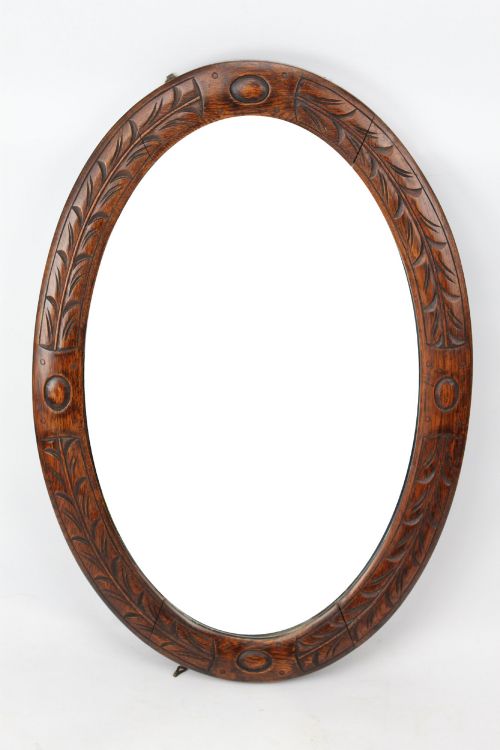
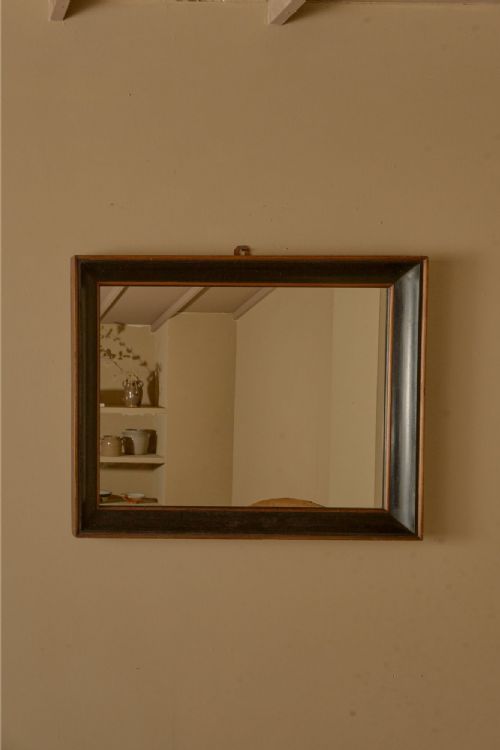
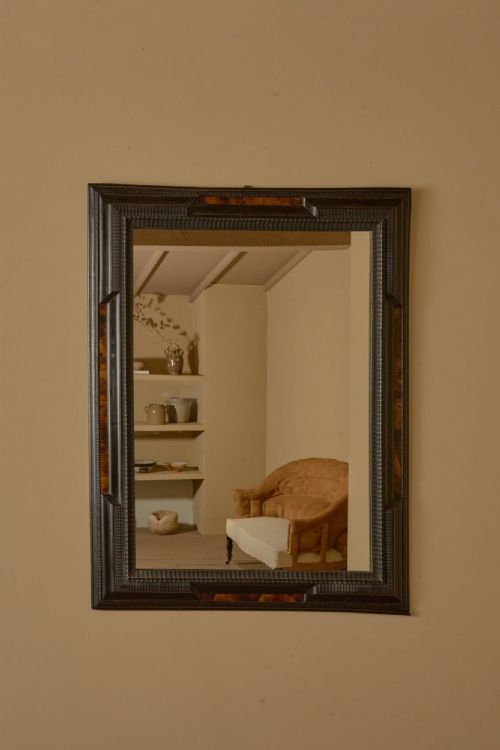
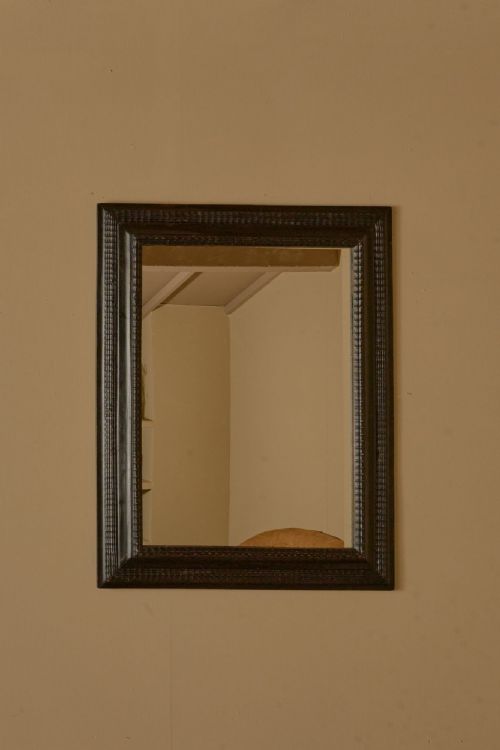
A dark wood antique mirror brings depth and warmth to a room through rich timber frames and silvered glass.
Dark Wood Mirror
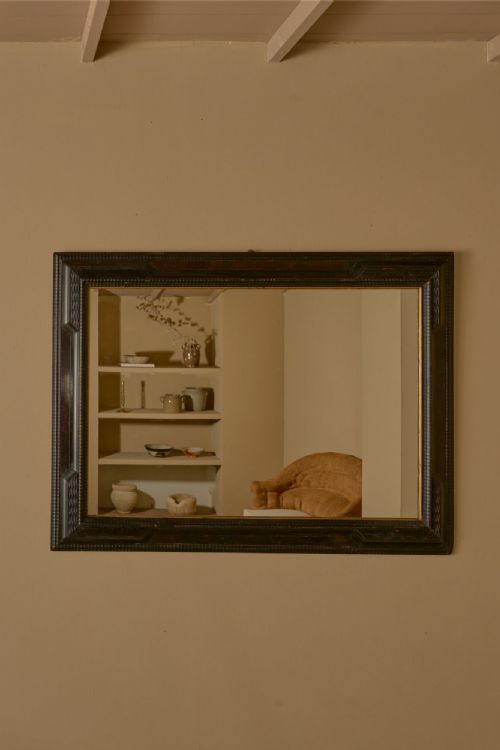
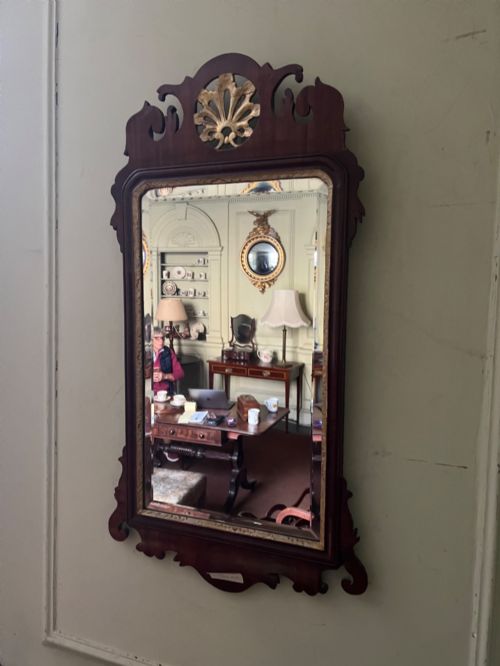
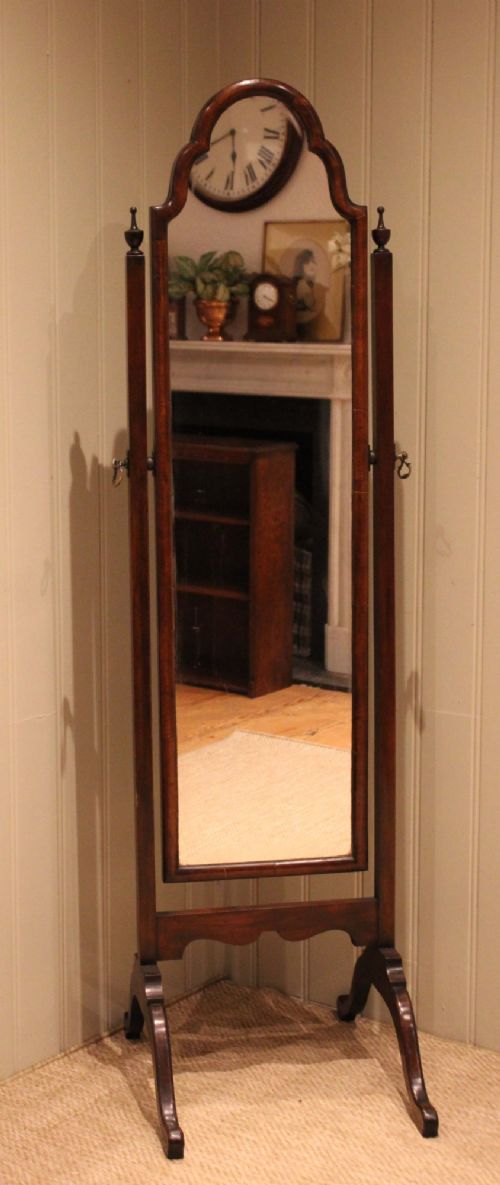
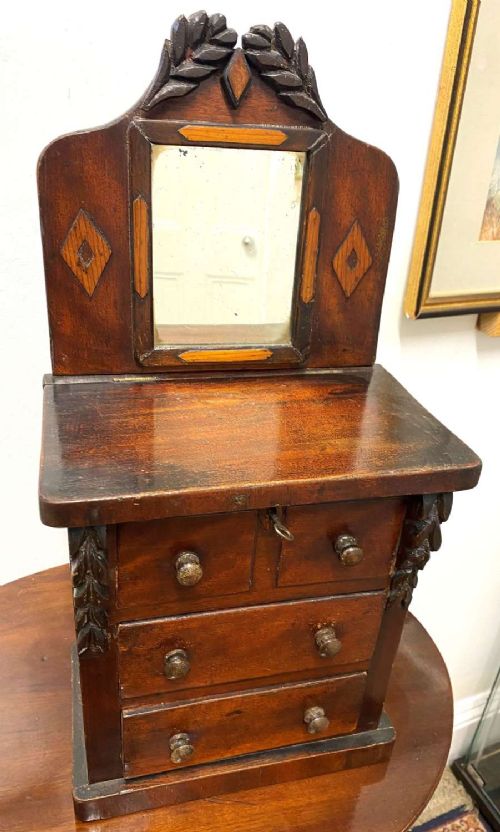
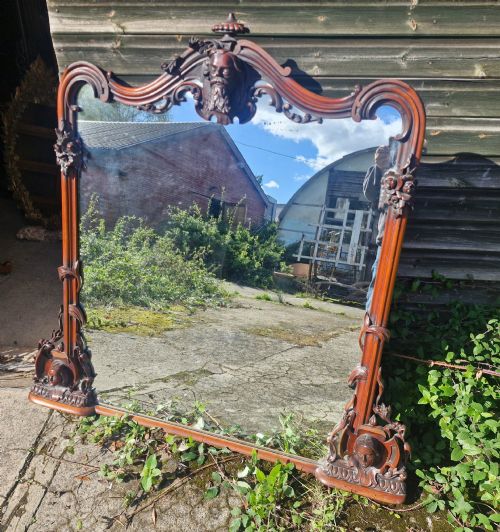
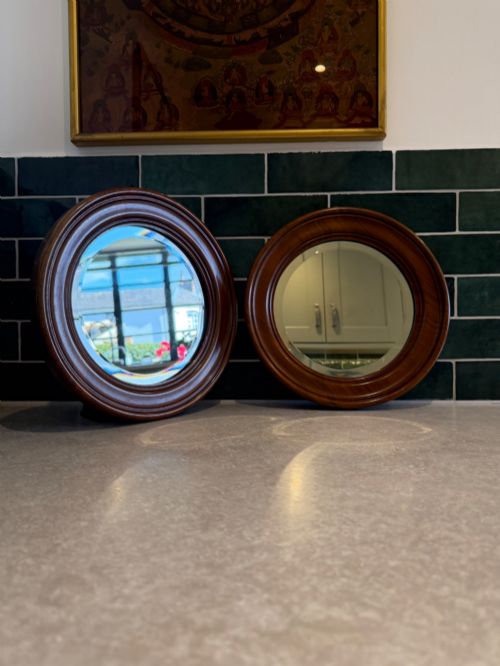
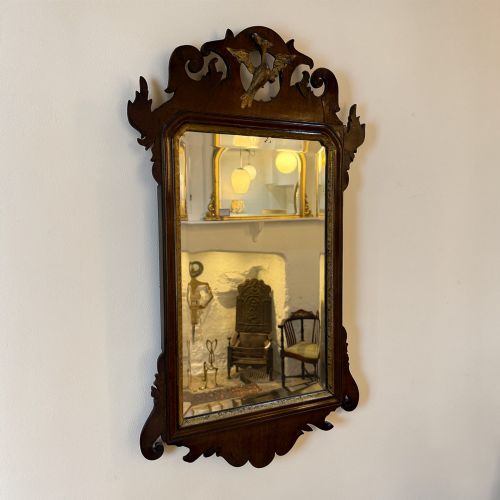
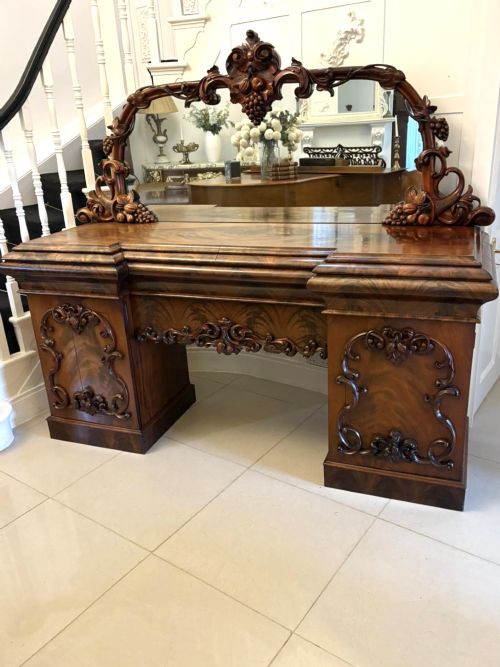
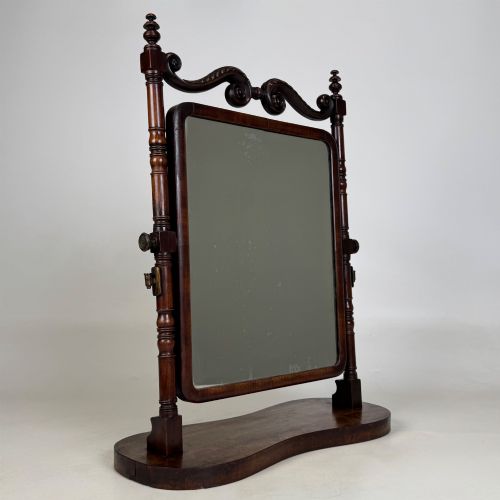
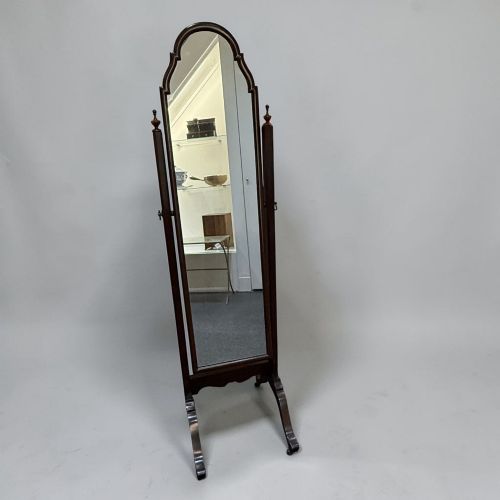
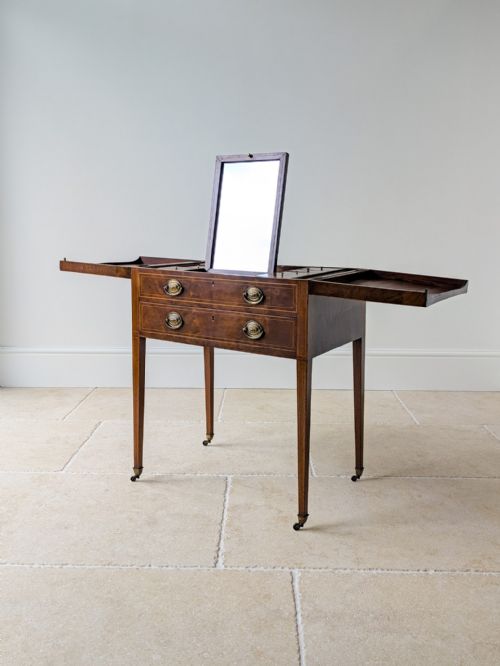
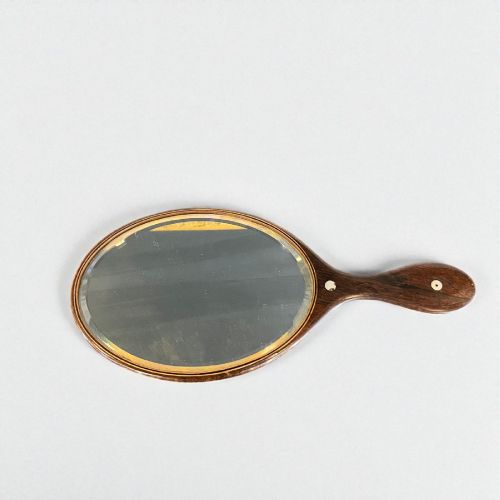
A dark wood antique mirror spans Georgian, Victorian, Edwardian, and Regency periods, appearing in forms from large wall and overmantel pieces to cheval dressing mirrors and small shaving stands.
Mahogany, walnut, and ebonised wood dominate the selection, often taking the shape of fretwork wall mirrors, arched pier glasses, or console companions.
Buyers seeking a dark wood antique mirror frequently encounter carved mahogany frames from the nineteenth century alongside Italian ebonised works and Edwardian dressing variants.
Materials and construction
Frames are built using dense hardwoods such as mahogany, walnut, and oak, occasionally finished with ebonising, boxwood stringing, or parcel-gilt details.
Glass plates are set within timber rebates, sometimes featuring bevelled edges, and backed with secure wooden panels to hold the mirror plate firm.
Dark Wood Mirror Retail Price Guide 2026
Typical asking prices for dark wood mirror among the pieces listed under this phrase on Sellingantiques today, from the lower quarter to the upper quarter. They describe what is for sale here now, not the wider market.
Listings feature mahogany, walnut, and ebonised wood across Victorian, Georgian, and Edwardian wall and cheval mirrors.
Craftsmanship and distinction
The standard of carving defines the upper tier, where details like fretwork scroll margins and applied mouldings remain crisp and deep rather than soft or shallow.
The integrity of the timber and the clarity of the original mirror glass set finer examples apart from later replacements and plain production pieces.
Liberty & Co·Leonard Wyburd·Waring & Gillow
The Dark Wood Mirror Glossary
- Cheval mirror
- A freestanding full-length mirror mounted on a vertical frame with pivoting pivots. It allows the glass to tilt at various angles.
- Fretwork
- Thin wood panels cut with a fretsaw into intricate decorative patterns. Often seen on the flat frames of Georgian style mirrors.
- Ebonised wood
- Timber treated with a dark stain or finish to imitate ebony. This technique was popular in nineteenth-century Italian and Victorian pieces.
- Pier mirror
- A tall mirror designed to hang on the wall space between windows. They often sit above matching console tables or piers.
- Overmantel mirror
- A wide mirror made specifically to hang above a fireplace mantel. These pieces frequently feature carved mahogany or walnut frames.
Dark Wood Mirror: Frequently Asked Questions
How do I hang a heavy antique mirror safely?
Heavy frames require sturdy wall fixings anchored directly into masonry or deep studs rather than plaster alone. Using a weight-rated mirror plate or a substantial French cleat distributes the load evenly across the structure.
Ensure the hanging wire or integrated brackets on the back of the timber frame are secure before mounting the piece at eye level.
Can I place a dark wood mirror in a bathroom?
High humidity and fluctuating temperatures can damage antique timber frames and cause the silver backing of the glass to degrade over time. It is best to keep these pieces in drier living spaces, hallways, or bedrooms.
If placed near moisture, ensure the room has adequate ventilation to protect the wood and original mirror plate.
What is the difference between a cheval mirror and a dressing mirror?
A cheval mirror is a tall, freestanding piece supported by a floor frame that allows the entire glass to pivot. It is designed for full-length viewing in a bedroom or dressing room.
A dressing mirror is smaller and typically sits on top of a table, chest of drawers, or vanity unit.
How should I clean an antique mirror frame?
Dust the timber frame gently with a dry, soft cloth to prevent dirt accumulation in carved recesses. Avoid using commercial liquid polishes or harsh chemical sprays that can strip historic finishes.
For the glass itself, apply a mild glass cleaner to a cloth rather than spraying directly, preventing liquid from seeping behind the frame edges.