



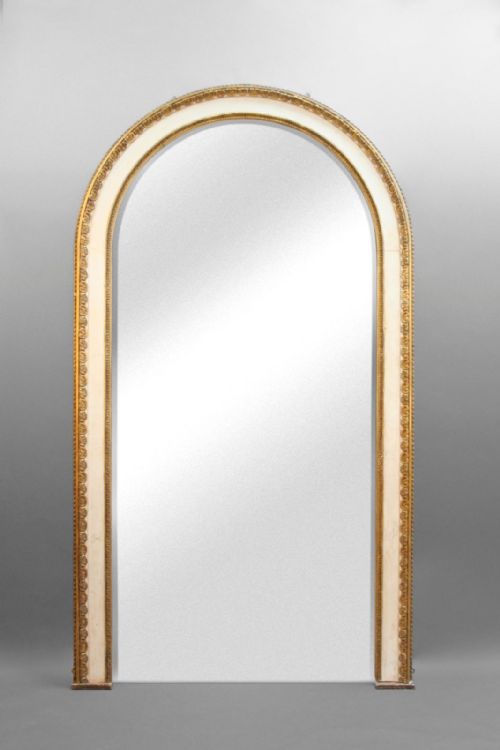

Nineteenth Century Wall Glass
Nineteenth century wall glass comprises ornate mirrors and barometers from the period that bring light and depth to a room.
Nineteenth Century Wall Glass
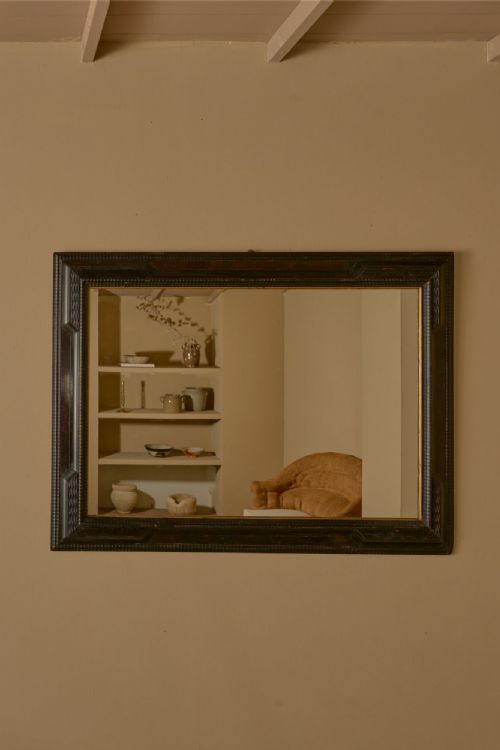
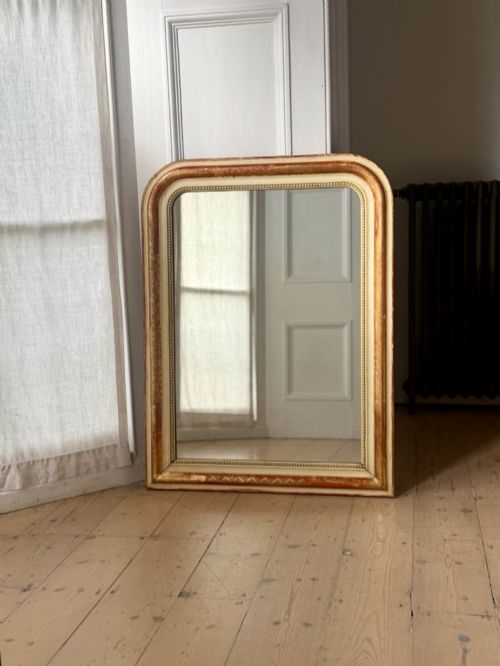
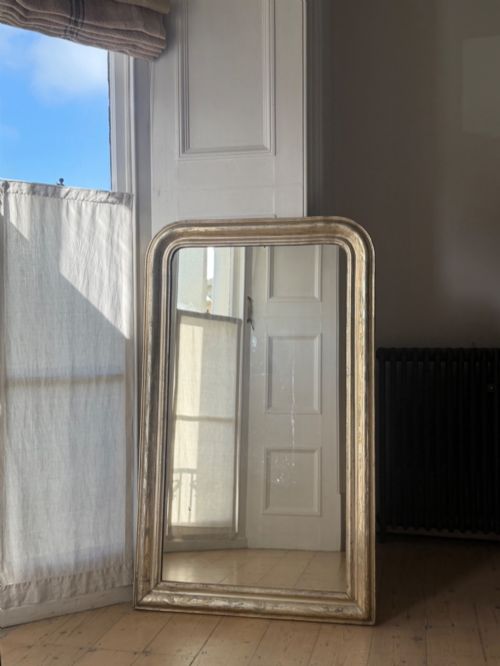
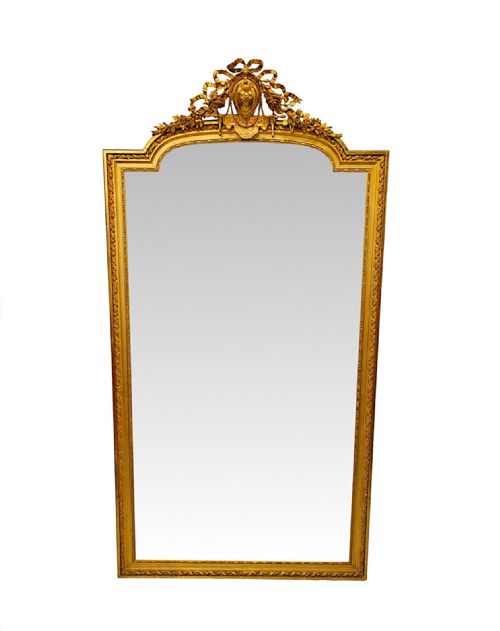
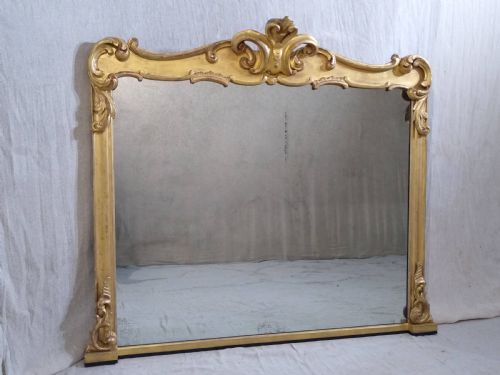
Nineteenth century wall glass encompasses an array of decorative mirrors and barometers designed to hang upon interior walls. Buyers seeking nineteenth century wall glass frequently encounter large overmantel mirrors, pier mirrors, and hanging wall pieces from French, English, and Italian origins.
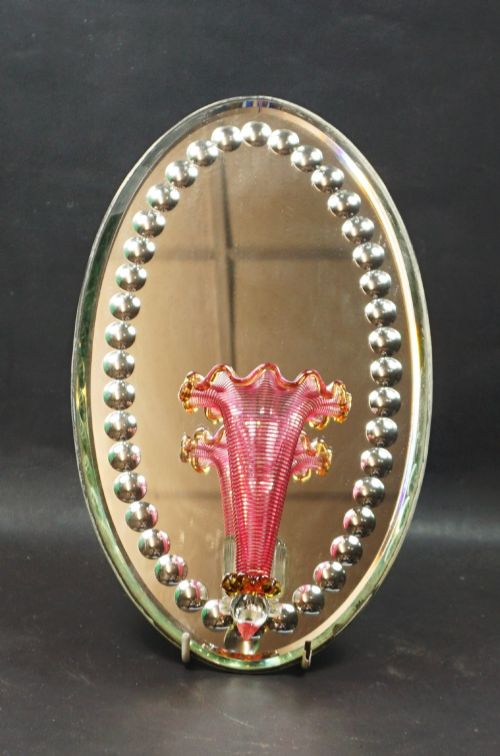
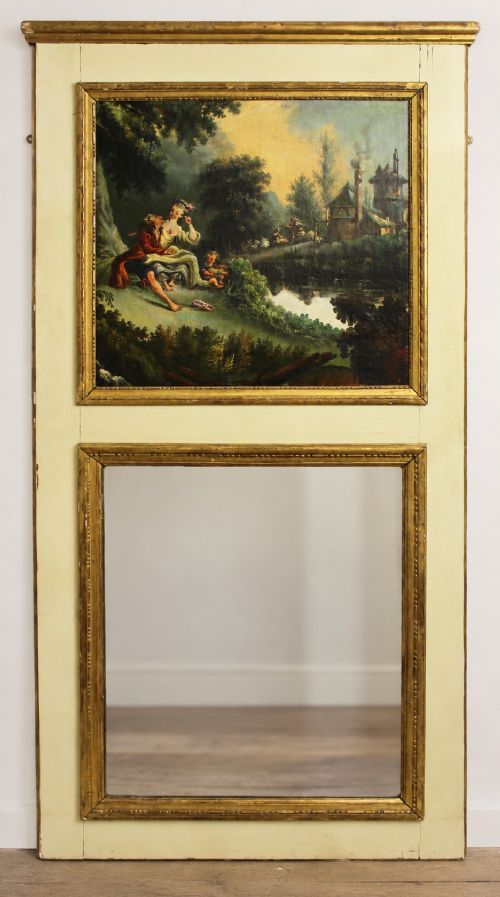
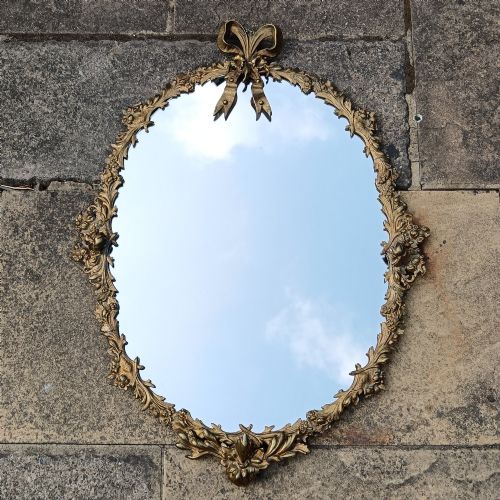
The selection ranges from tall trumeau mirrors incorporating pastoral oil paintings to compact oval wall hanging mirrors with integrated glass flower vases. Barometers constructed from mahogany and mother-of-pearl also appear alongside giltwood frames.
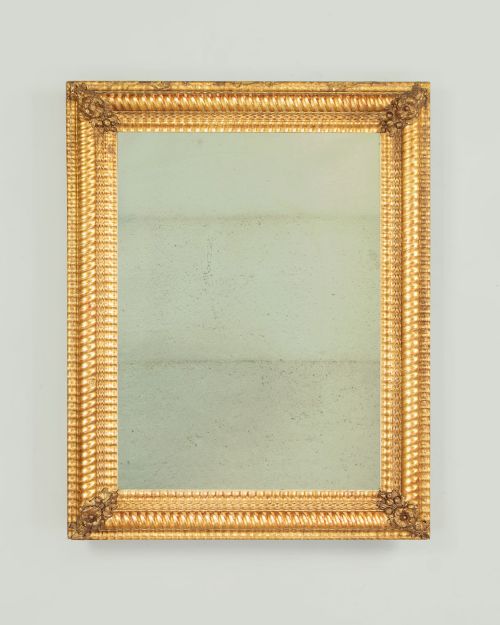
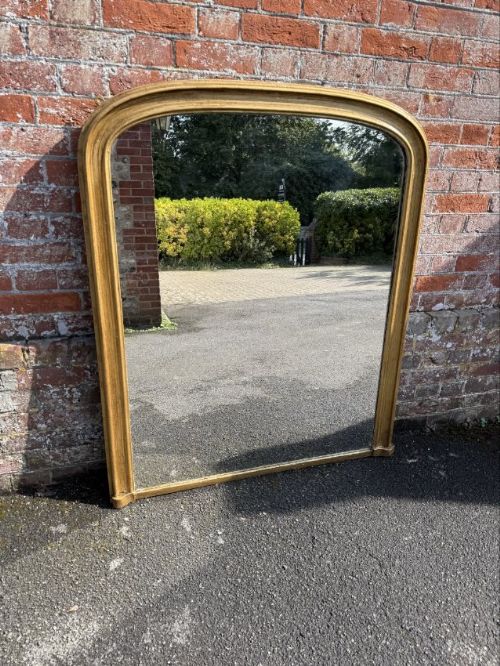
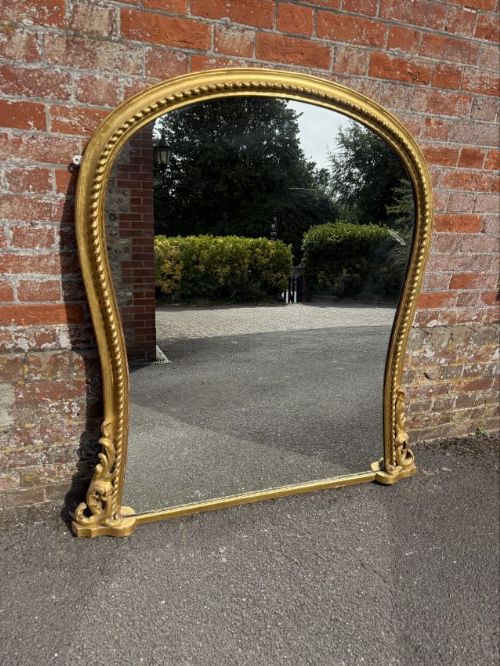
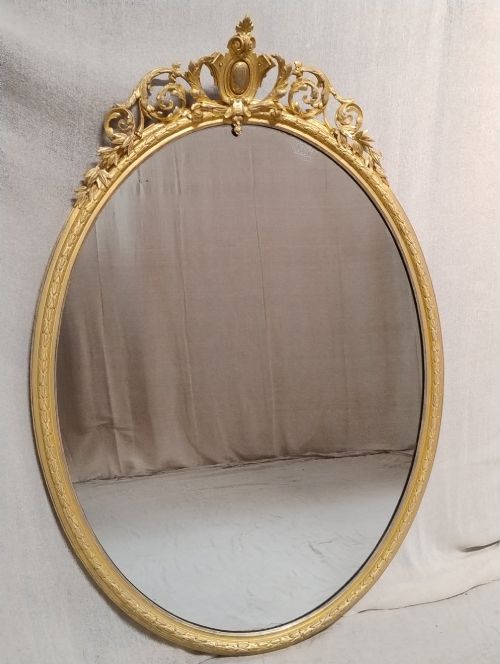
French and English pieces dominate the selection, spanning styles from Regency and Louis Philippe to French Empire and Victorian designs. Arched tops, rectangular frames, and convex forms represent the primary shapes available to collectors.
Materials and construction methods
Frames rely heavily on carved wood, gesso, and giltwood, often finished with gold leaf or silver gilt applied over wooden structures. Mahogany, maple, burr yew-wood, walnut, and brass provide alternative framing materials for specific Victorian and Regency pieces.
Reflective surfaces frequently utilise mercury glass or original bevelled glass plates, alongside reverse glass prints and verre eglomise techniques. Ornate detailing incorporates applied brass, ormolu, and moulded gesso flowers or cherubs.
Nineteenth Century Wall Glass Retail Price Guide 2026
Typical asking prices for nineteenth century wall glass among the pieces listed under this phrase on Sellingantiques today, from the lower quarter to the upper quarter. They describe what is for sale here now, not the wider market.
Distinctions in quality
Quality rests upon the crispness of the carved wood and gesso ornamentation, particularly where floral motifs, arched tops, and elaborate crestings are concerned. Deeply relief-moulded frames demonstrate superior craftsmanship compared to simpler moulded alternatives.
The preservation of original mercury glass plates, silver gilt, and historic reverse glass paintings elevates a piece significantly. Structural integrity within the wooden carcass and the retention of original gilding separate standard items from exceptional examples.
The Nineteenth Century Wall Glass Glossary
- Mercury glass
- A type of silvered glass created by pouring a liquid mercury amalgam between double-walled blown glass before sealing the opening.
- Gesso
- A plaster-like mixture applied to wood frames to provide a smooth base for subsequent gilding with gold leaf.
- Verre eglomise
- A cold decoration technique where artists apply designs and gold leaf to the reverse side of glass.
- Trumeau mirror
- A decorative wall mirror featuring an upper panel containing an oil painting or decorative artwork.
- Overmantel mirror
- A large mirror designed specifically to hang on the wall above a fireplace mantel.
Nineteenth Century Wall Glass: Frequently Asked Questions
How do I hang a heavy overmantel mirror?
Heavy nineteenth century overmantel mirrors require secure wall fixing into masonry or substantial studwork to support the considerable weight of the wooden frame and glass.
Professional mirror fixings and heavy-duty brackets ensure the piece remains safely secured against the wall during daily use.
What is mercury glass in old mirrors?
Mercury glass refers to double-walled blown glass silvered with a reflective liquid mixture rather than modern chemical silvering.
This historic technique gives the reflective surface a characteristic mottled appearance and deep, dark backing.
Where were trumeau mirrors placed?
Trumeau mirrors traditionally hung in grand reception rooms, often positioned directly above a fireplace mantel or between tall windows.
The integrated oil painting or artwork served to draw the eye upward and enhance the vertical proportions of the interior space.
How do I identify a Victorian barometer?
Victorian barometers typically feature carved mahogany or inlaid mother-of-pearl wooden cases housing functional mercury tube mechanisms.
Paper dials and brass indicators distinguish these weather-measuring instruments from standard decorative wall mirrors.