


Antique Rectangular Wall Glass
An antique rectangular wall glass brings depth and light to a room, offering functional reflection alongside period character.
Antique Rectangular Wall Glass
When searching for an antique rectangular wall glass, you encounter wall mirrors, overmantel mirrors, and pier mirrors spanning the eighteenth, nineteenth, and early twentieth centuries. These pieces originate from English, French, and Venetian workshops, taking forms designed to hang above mantelpieces, between windows, or upon principal room walls.
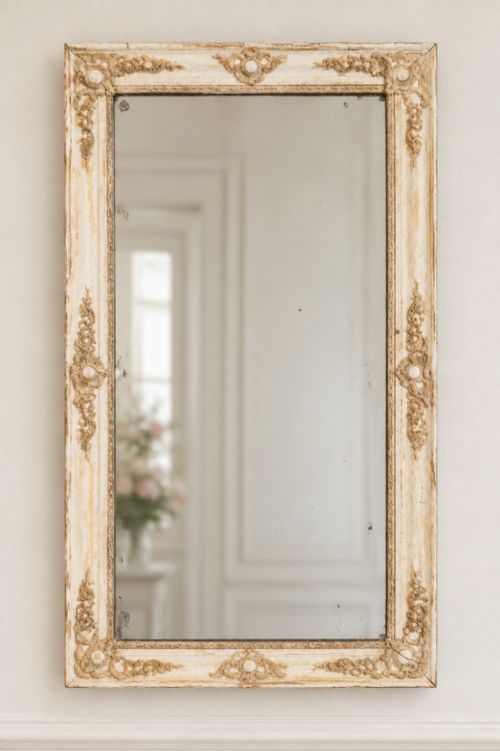
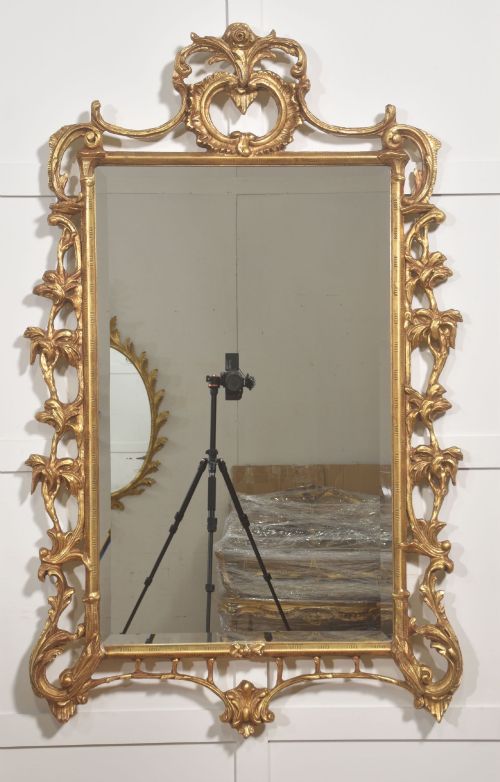
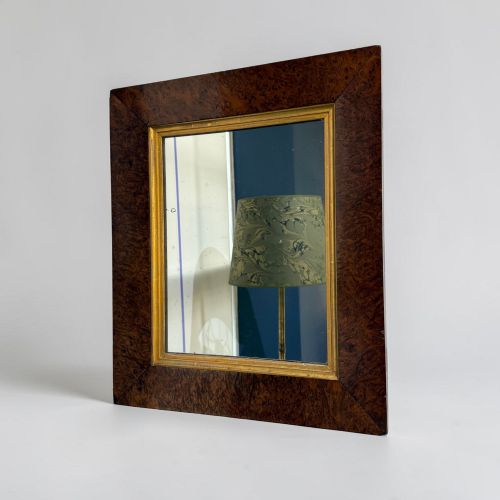
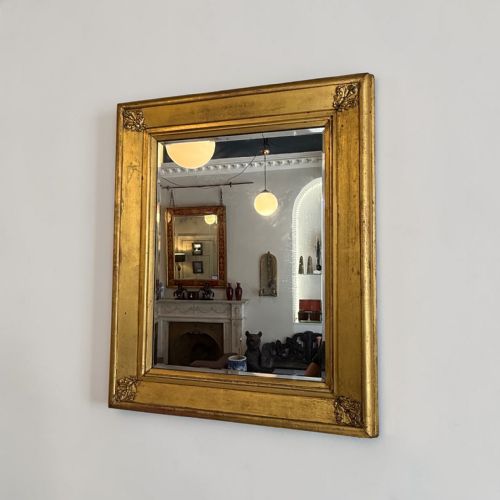
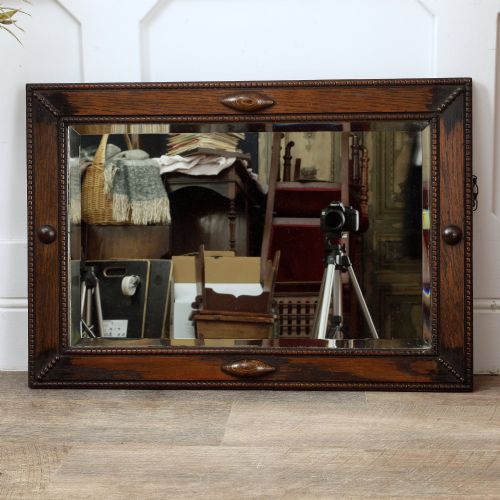
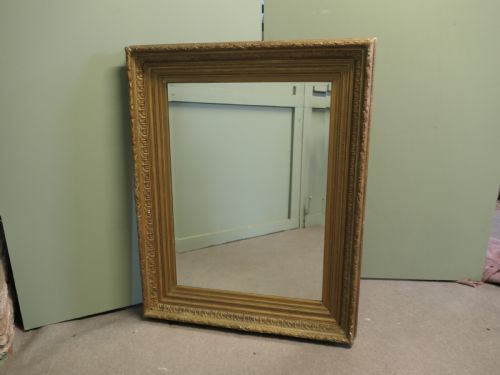
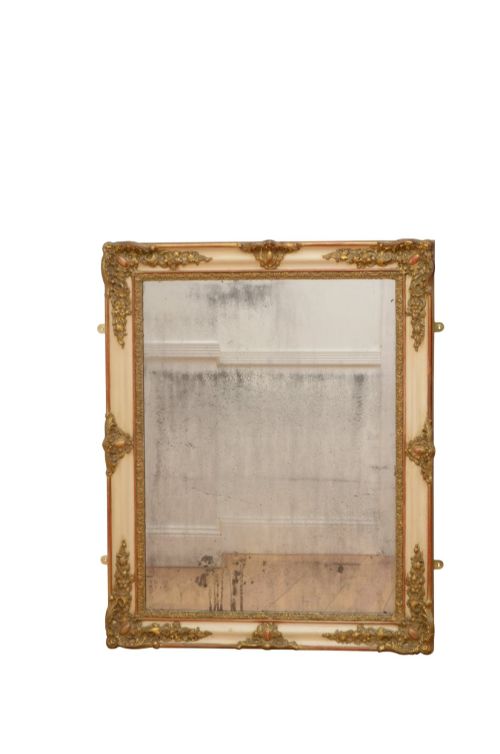
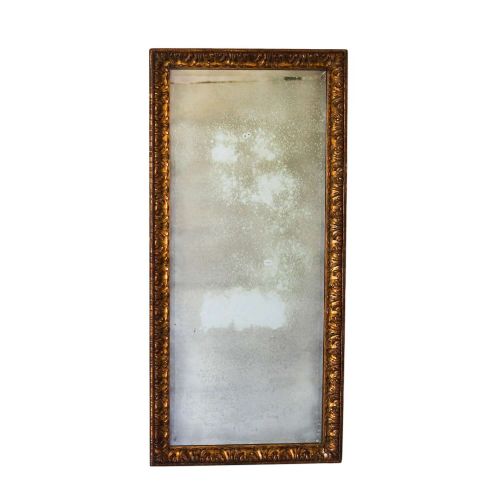
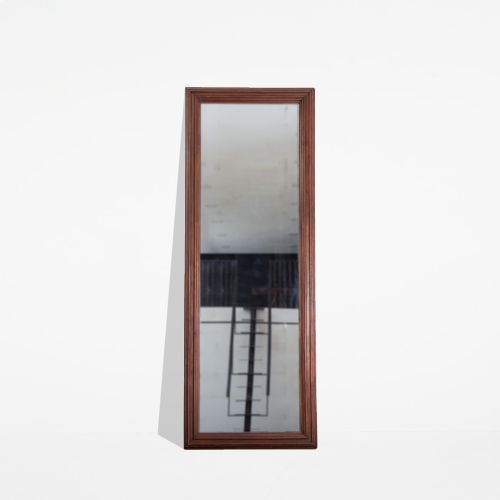
The most common examples on this page date from the nineteenth century, encompassing Victorian, Regency, and Edwardian periods. Frameworks range from simple oak and walnut to heavily carved giltwood and gesso, reflecting the prevailing domestic tastes of their respective eras.
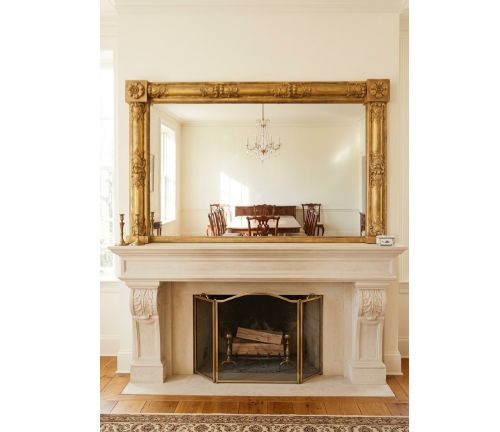
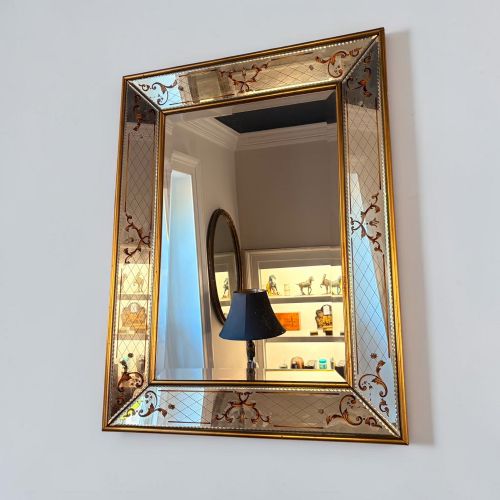
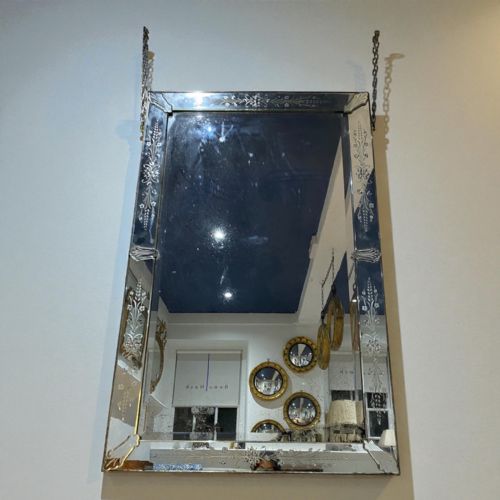
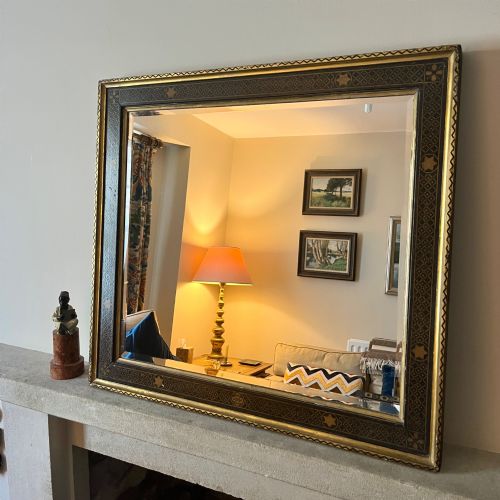
Structural formats vary from tall upright proportions suited for dressing and pier spaces to broad horizontal overmantel shapes meant to anchor a fireplace. Certain pieces incorporate specialised forms such as eglomise panels, blue glass borders, or engraved cushion frames.
Materials and construction methods
Frames rely on traditional timber construction using woods such as oak, walnut, and mahogany, frequently built with pegged or joined corners. Carved ornamentation and applied gesso provide the intricate surface detailing found on giltwood and painted examples.
Gilding techniques involve the application of gold leaf or oil gilt over a prepared gesso and bole ground, creating the metallic lustre seen on French and English frames. Painted surfaces utilise oil-based pigments on timber, sometimes combined with parcel gilt highlights.
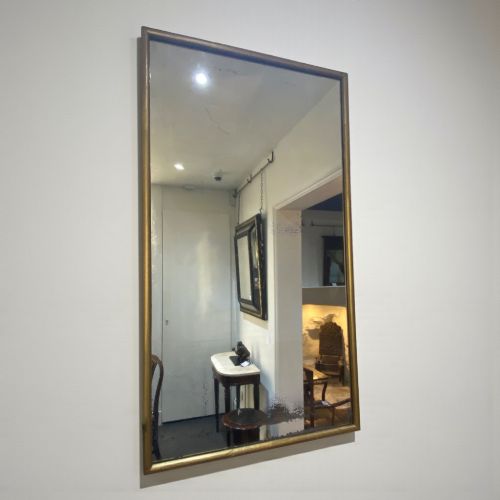
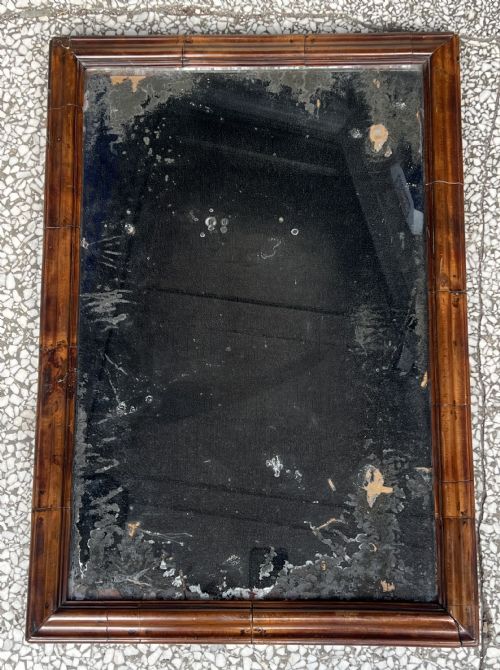
Glass plates are set within the frame rebate, secured by wooden backs. Early plates exhibit hand silvering, foxing, and bevelled edges, whilst replacement plates appear in certain surviving frames.
Antique Rectangular Wall Glass Retail Price Guide 2026
Typical asking prices for rectangular wall glass among the pieces listed under this phrase on Sellingantiques today, from the lower quarter to the upper quarter. They describe what is for sale here now, not the wider market.
Certain Victorian wall glasses include multi-convex sorcerer's plates designed to distort reflections and capture an entire room in a single curved gaze.
Distinctions in craftsmanship and preservation
The standard of carving and the depth of gesso ornamentation dictate the tier of craftsmanship, separating mass-produced nineteenth-century items from finely sculpted bespoke pieces. Crisp undercut foliage and hand-tooled details demonstrate superior artisan skill over flat, moulded plaster decoration.
The condition and age of the mirror plate itself influence the character of the object, with original foxed or bevelled glass carrying historical authenticity. Frames retaining their original gold leaf or untouched painted surfaces hold greater integrity than those subject to modern repainting or heavy regilding.
The Antique Rectangular Wall Glass Glossary
- Gesso
- A plaster-like mixture applied to wood frames as a base for gilding or painting. It is built up in layers and carved or moulded to form decorative motifs.
- Giltwood
- Timber, typically pine or oak, coated with gold leaf over a prepared ground. It provides the reflective metallic frame finish characteristic of Georgian and Regency pieces.
- Overmantel mirror
- A large horizontal mirror designed specifically to hang above a fireplace mantelpiece. These pieces often feature extended widths to match the scale of the hearth.
- Pier mirror
- A tall, narrow mirror designed to hang on the wall space between two windows. They frequently paired with matching console tables in nineteenth-century interiors.
- Foxed plate
- A mirror glass exhibiting age-related spots, tarnishing, or oxidation within the silvering. This natural degradation creates a mottled reflection valued by collectors.
- Eglomise
- A technique involving cold painting and gilding on the reverse side of glass. It produces a glossy, reflective panel with decorative motifs used in frames.
Antique Rectangular Wall Glass: Frequently Asked Questions
How do I hang a heavy antique mirror?
Heavy antique rectangular wall glass pieces require secure wall fixings anchored directly into masonry or substantial wall studs. The weight of giltwood and thick timber frames demands proper load-bearing hardware rather than standard picture hooks.
Professional mirror hangers often utilise mirror plates or heavy-duty brackets screwed into the frame backing. Ensure the hanging wire or D-rings match the total mass of the wood and glass before mounting.
Are antique mirror plates always original?
Many surviving antique mirrors retain their original glass plates, which frequently display age spots, foxing, or minor scratches. These natural imperfections confirm the age and authenticity of the piece.
Due to breakage or deterioration over the centuries, some frames receive replacement mirror plates. Inspect the rebates and backing boards to determine whether the glass matches the period of the frame.
How do I clean an antique mirror glass?
Clean antique mirror glass gently using a soft microfibre cloth and a minimal amount of mild, ammonia-free glass cleaner. Spray the cloth rather than the glass to prevent liquid from seeping behind the plate and damaging the silvering or frame.
Avoid harsh commercial chemicals and abrasive pads, which can scratch vintage glass or strip the finish from original gilt and painted wooden frames.
What is the difference between an overmantel and a wall mirror?
An overmantel mirror is specifically proportioned in a wide horizontal format to sit comfortably above a fireplace hearth. Traditional wall mirrors encompass varied vertical, square, and rectangular dimensions suited for general room placement.
Overmantels were historically manufactured to reflect light across the room from the fireplace, whereas standard wall glasses served functional dressing or decorative purposes in hallways and parlours.