

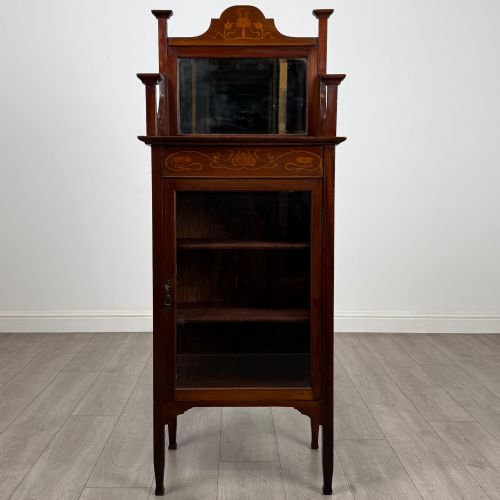
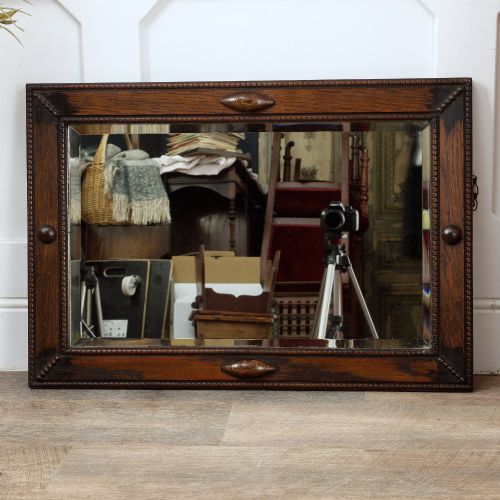
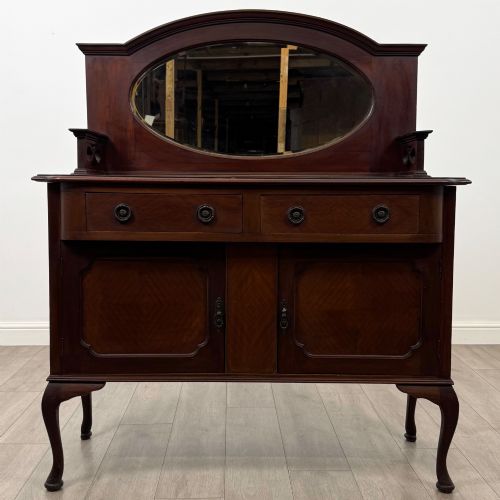
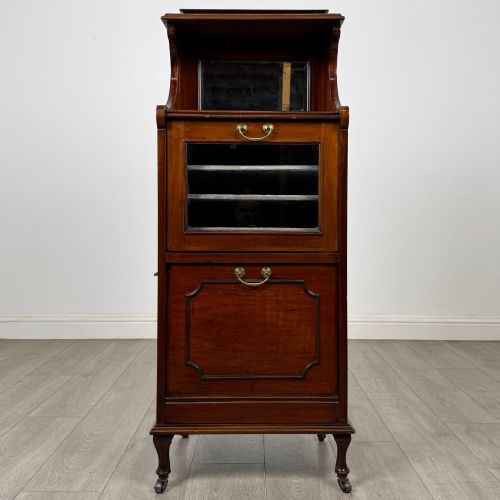
20th Century Mirror
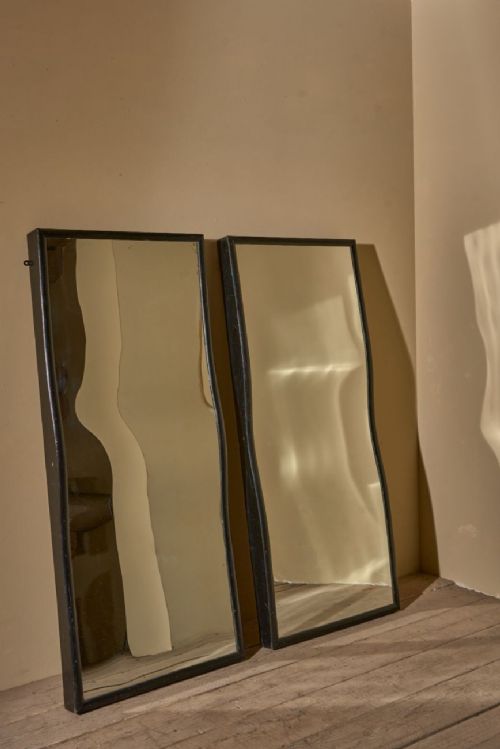
A 20th century mirror brings architectural depth and reflective light to an interior, drawing on diverse stylistic revivals from Edwardian simplicity to elaborate giltwood.
20th Century Mirror
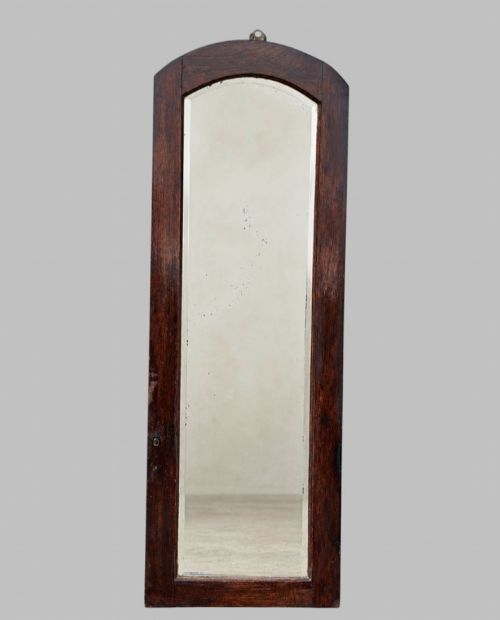
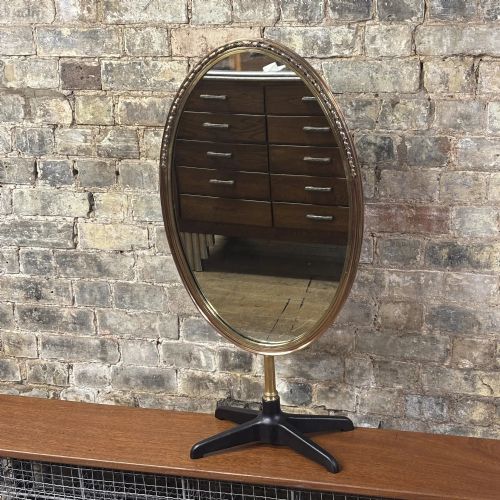
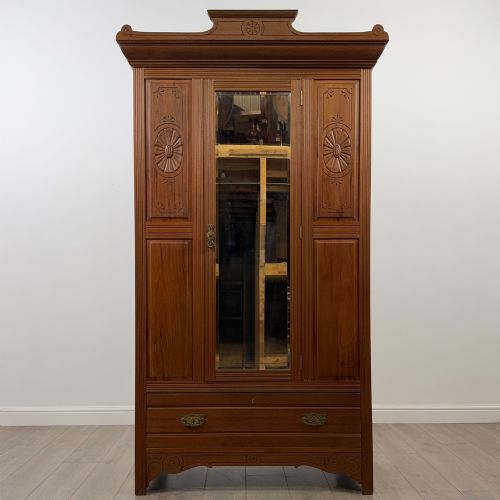
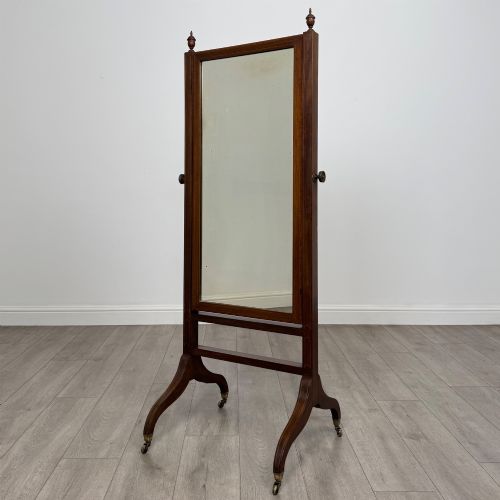
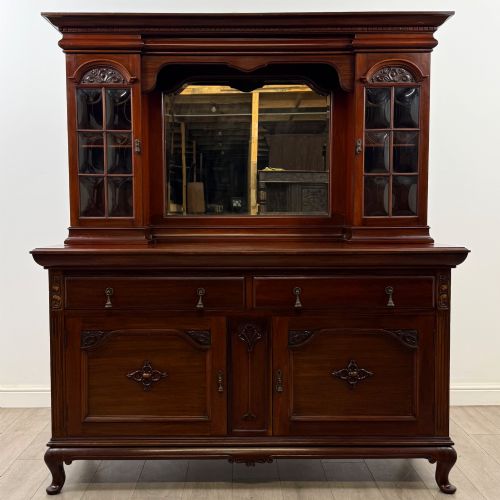
A 20th century mirror encompasses wall-hung plates, overmantels, and freestanding cheval glasses produced across the decades from Edwardian times onward. Buyers meet domestic oak and mahogany frames alongside ornate giltwood pieces influenced by French rococo and Italian taste.
The selection frequently includes specialised forms such as dressing mirrors, girandoles with candle sconces, and convex convex plates. These objects reflect shifting domestic fashions from heavy Edwardian timber furniture to lighter decorative wall hangings.
How They Were Made
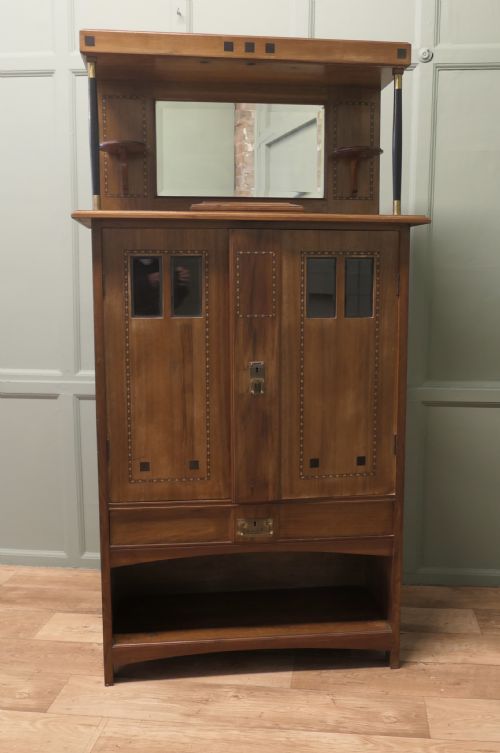
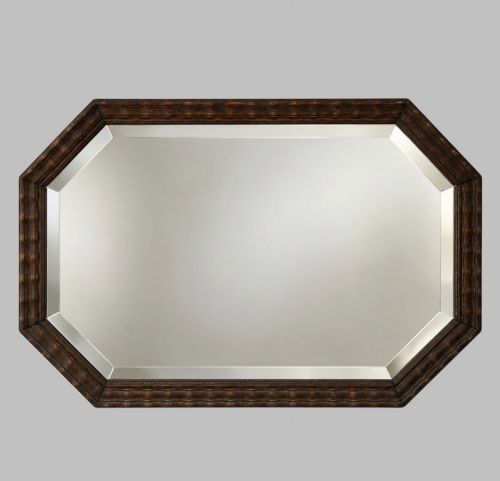
Frames rely on traditional cabinet timbers like oak, walnut, and mahogany, often shaped with bevelled glass plates secured behind timber or metal rebates. Giltwood and gesso pieces combine carved wooden bases with applied plaster ornament finished in gold leaf or paint.
Metal components utilise brass, bronze, and chromed elements, frequently seen in dressing tables, bathroom vanity mirrors, and adjustable shaving stands. Joinery methods range from pegged mortise and tenon joints in Arts and Crafts designs to fine mitred mouldings on French-style frames.
Listings feature periods from the Edwardian era through the 1950s, utilising materials such as brass, giltwood, oak, and mahogany.
What Varies in Quality
Construction standards depend upon the depth of hand-carving in wooden frames and the precision of the mitres at the corners. Heavy overmantels and large giltwood mirrors rely on robust internal framing to support the weight of thick glass plates securely.
Surface finishes dictate the visual appeal, ranging from carefully water-gilded surfaces and hand-rubbed French polish on timber to well-preserved original patination on brass hardware. The clarity and bevelling of the mirror glass itself contribute significantly to the overall execution of the piece.
Waring & Gillow
The 20th Century Mirror Glossary
- Bevelled glass
- Glass whose outer edges are cut and polished at an angle to create a framed border effect. This technique catches the light differently than flat plate glass.
- Cheval mirror
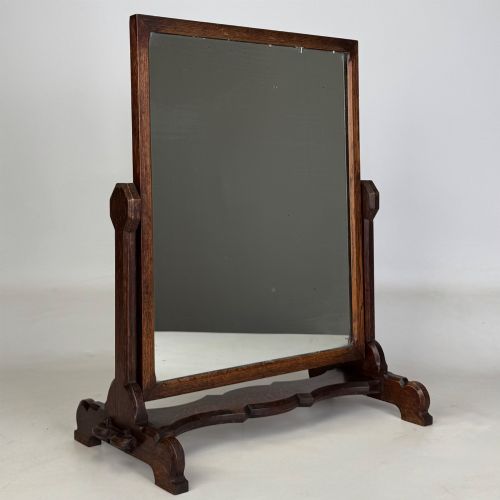
- A full-length floor-standing mirror suspended in a swivelling frame between two upright posts. It allows the user to adjust the angle of reflection.
- Gesso
- A plaster-like mixture applied to wood surfaces as a base for gilding or painting. It provides a smooth ground for intricate carved details.
- Girandole
- A decorative wall mirror fitted with attached candle sconces or branches. The reflective glass multiplies the candlelight within the room.
- Overmantel mirror
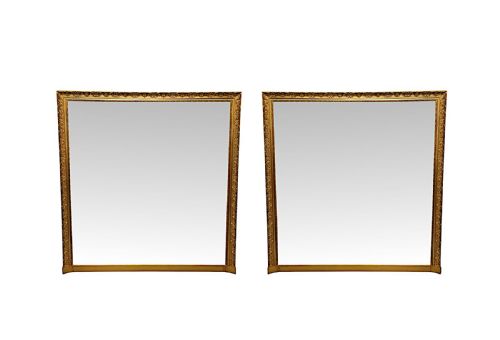
- A large horizontal mirror designed specifically to hang above a fireplace mantel. These pieces often feature arched tops or elaborate crestings.
20th Century Mirror: Frequently Asked Questions
How do I hang a heavy overmantel mirror?
Large overmantel mirrors require secure fixing directly into wall studs or solid masonry using appropriate brackets suited to the weight of the timber and glass.
Professional mirror hangers often utilise French cleats to distribute the load evenly across the wall surface.
Can I place a cheval mirror in a bedroom?
Freestanding cheval mirrors were traditionally designed for dressing rooms and bedrooms to provide a full-length view for attire.
Their swivelling frames make them practical additions to modern sleeping quarters without requiring permanent wall installation.
What is foxed glass?
Foxing refers to the aged spots, speckling, and discoloration that develop on older mirror plates as the silver backing degrades over time.
Many collectors value foxing as an authentic marker of age and decorative character.