


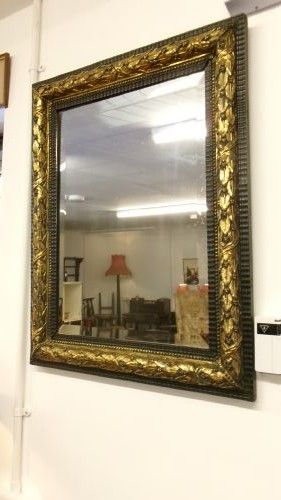
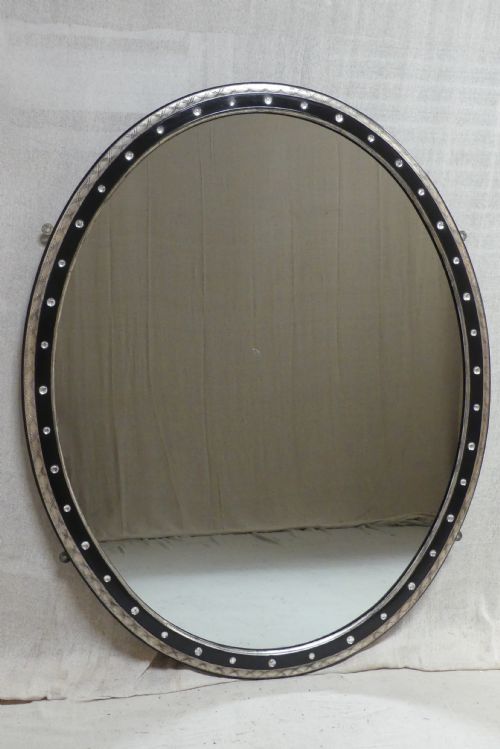
Black Framed Wall Mirror
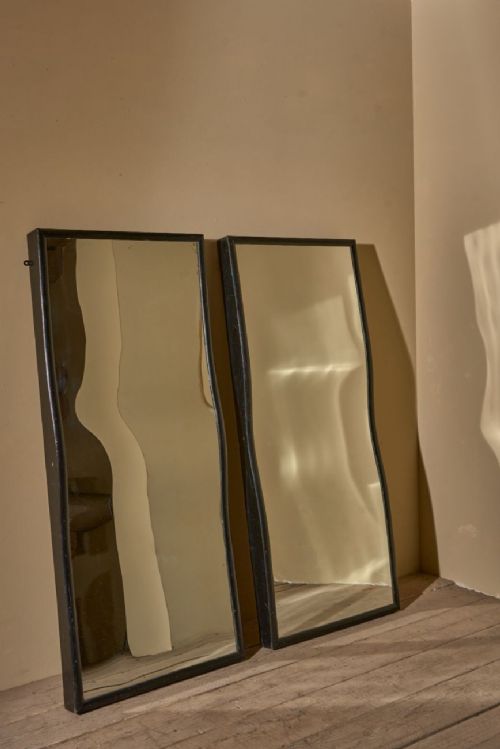
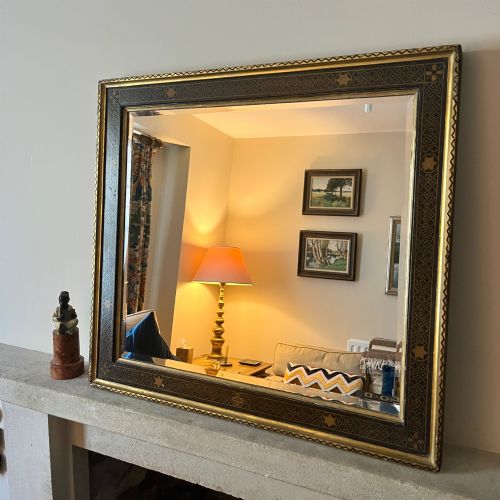
A black framed wall mirror brings depth and focus to a room, using dark timber, ebonising and gilt to anchor an interior.
Black Framed Wall Mirror
A black framed wall mirror encompasses various historical forms designed to reflect light and ornament a room, ranging from compact hall pieces to large overmantel installations. When searching for a black framed wall mirror, buyers encounter numerous nineteenth-century and early twentieth-century examples shaped by Victorian, Edwardian, and continental aesthetic movements.
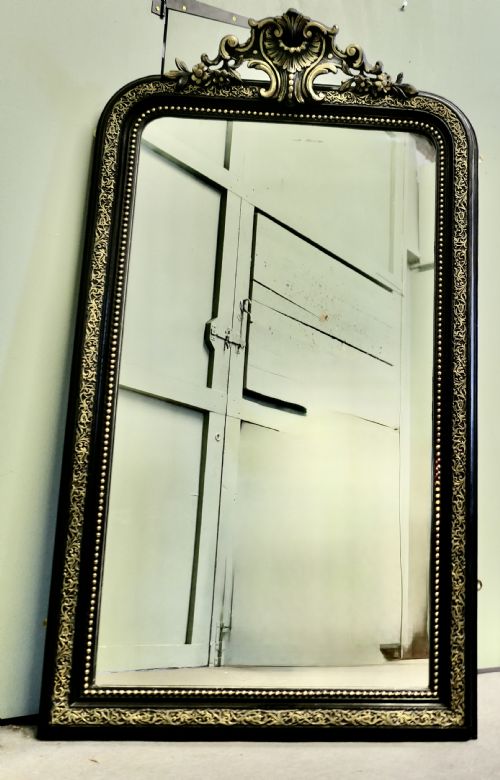
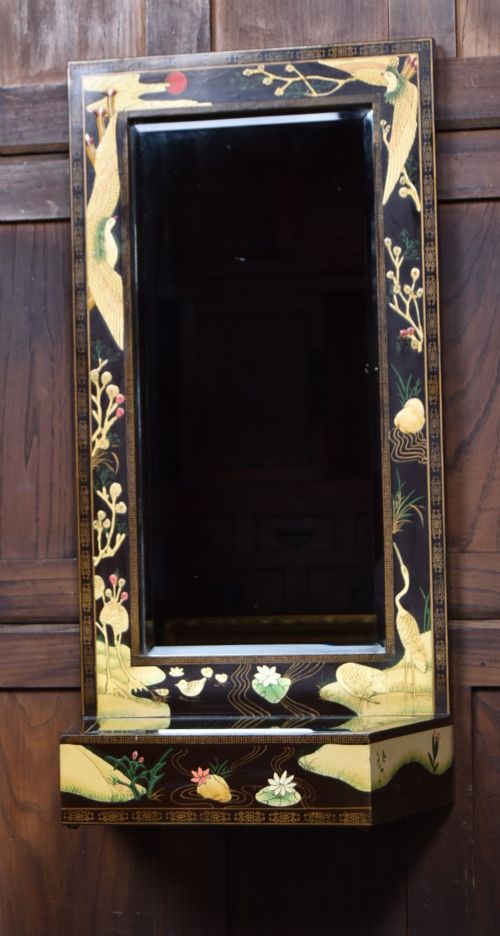
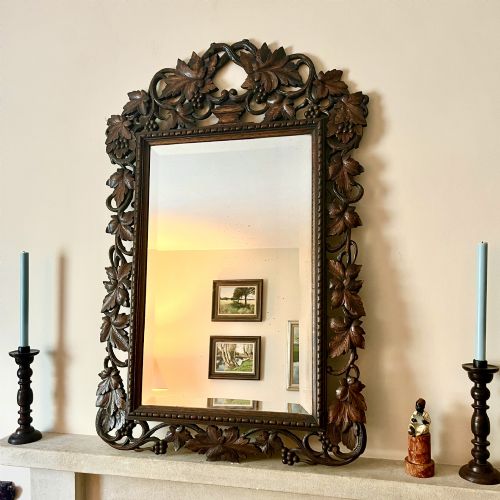
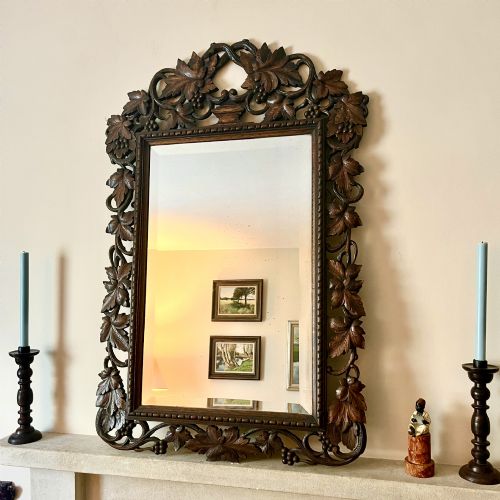
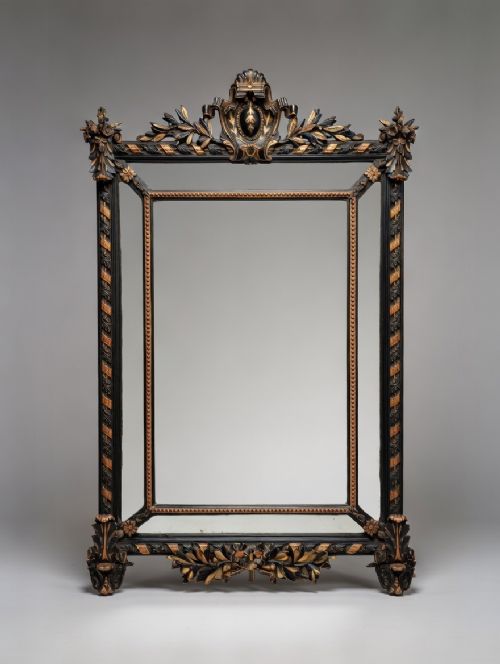
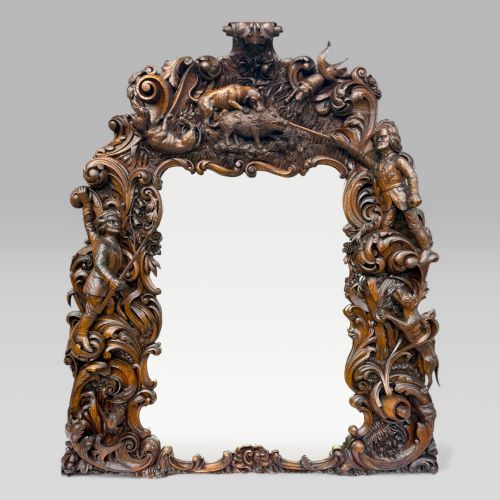
The selection frequently includes ebonised wood frames, parcel-gilt details, and decorative Chinoiserie or Black Forest carvings. These objects served utilitarian and decorative purposes in period hallways, reception rooms, and grand lodges.
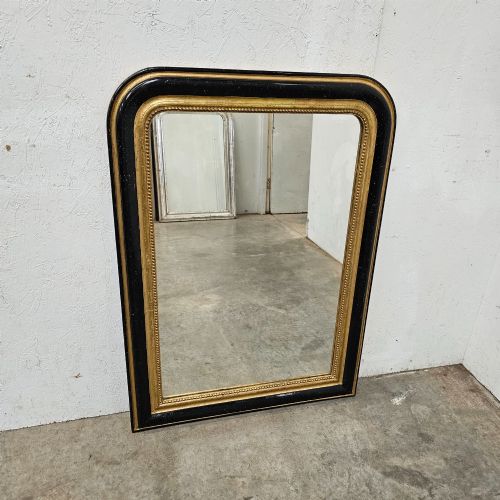
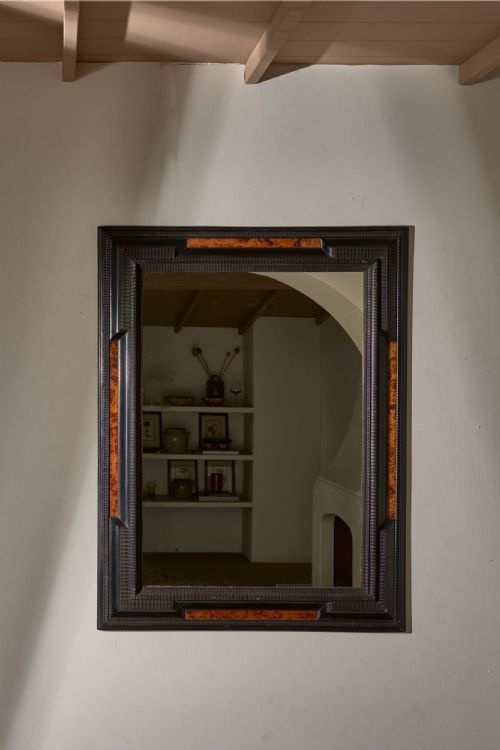
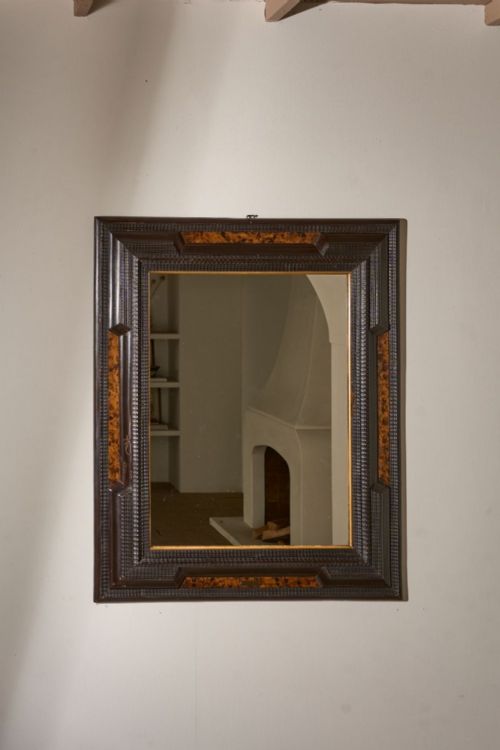
Pieces span distinct regional traditions, from English oak carvings to French Napoleon III cushion frames and Italian faux tortoiseshell finishes. Each style utilises dark framing to create contrast with the reflective glass panel within.
How they were made
Carpenters and carvers shaped frames from solid timber such as oak, applying layers of dark paint or ebonising to simulate costly ebony wood. Gesso and gold leaf or parcel-gilt accents were applied to carved motifs, adding highlights of bright contrast against the darkened surfaces.
Mirrors utilised heavy glass plates, occasionally featuring bevelled edges, acid etching, or reverse painting techniques seen in Chinese and English pub examples. Frames combined structural wooden joinery with applied gesso mouldings to achieve intricate scrollwork, crests, and figurative carvings.
Listings feature nineteenth-century and early twentieth-century examples utilising ebonised wood, gesso, gold leaf, and mirror glass across styles such as Victorian and Chinoiserie.
What varies in quality
The standard of carving and the depth of surface preparation dictate the distinction between everyday items and superior workshop output. Finely executed pieces display crisp detailing in the gesso relief and subtle interplay between ebonised surfaces and parcel-gilt highlights.
The integrity of the original mirror glass and the stability of the underlying wooden frame govern the physical calibre of the piece. Superior examples retain their original gilding, untouched backboards, and harmonious proportions suited to architectural placement.
The Black Framed Wall Mirror Glossary
- Ebonised
- Wood treated with stain or paint to imitate ebony. This dark finish gained popularity during the Victorian and Aesthetic periods.
- Parcel-gilt
- Partially gilded surfaces where gold leaf highlights specific carved details against a contrasting background. It creates a striking visual depth on dark frames.
- Overmantel
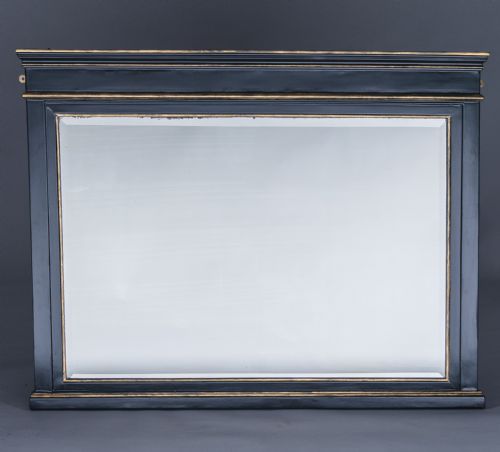
- A large mirror designed to hang specifically above a fireplace mantelpiece. These pieces often feature horizontal proportions to match the width of the hearth.
- Chinoiserie
- European interpretations of Chinese artistic motifs and decorative techniques. These mirrors typically display lacquer work, figures, and landscape scenes.
- Gesso
- A plaster mixture applied to wood frames to create a smooth surface for gilding and relief carving. It allows artisans to shape intricate decorative mouldings.
Black Framed Wall Mirror: Frequently Asked Questions
Where should I hang a large overmantel mirror?
These mirrors traditionally sit directly above a fireplace mantelpiece to reflect light and anchor the hearth within the room.
They also function effectively on main reception walls where their horizontal proportions create a strong focal point.
How do I identify a Victorian ebonised mirror?
Victorian ebonised examples typically feature dark wood finishes combined with parcel-gilt highlights and substantial wooden frames.
Look for period construction methods, original backboards, and decorative styles such as the Aesthetic Movement or Gothic revival.
What is a Black Forest mirror?
Black Forest mirrors originate from nineteenth-century wood-carving traditions in central Europe, particularly Switzerland and Germany.
They are distinguished by deeply carved natural motifs, often incorporating foliage, animals, and rustic architectural elements.
Are Chinoiserie mirrors fragile?
Chinoiserie mirrors require careful placement away from direct moisture and harsh sunlight to protect their painted and lacquered surfaces.
Regular gentle dusting maintains the finish of the delicate applied decoration and reverse-painted glass panels.