


Black Wooden Mirror Frame
These black wooden mirror frame designs bring dark timber depth and historic character to a room.
Black Wooden Mirror Frame
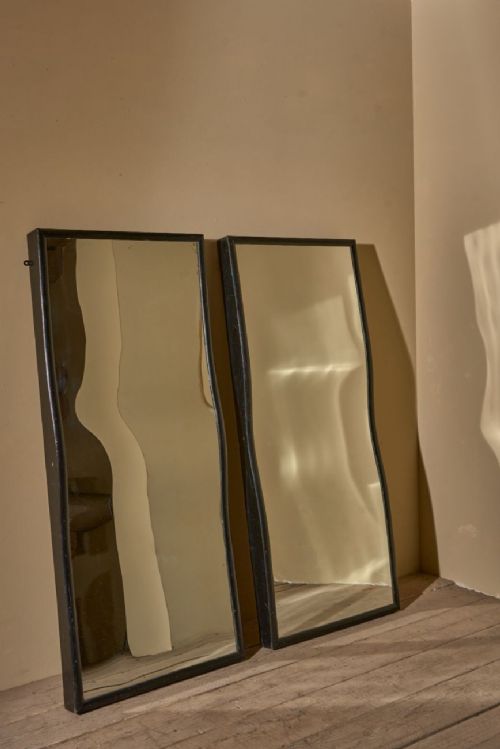
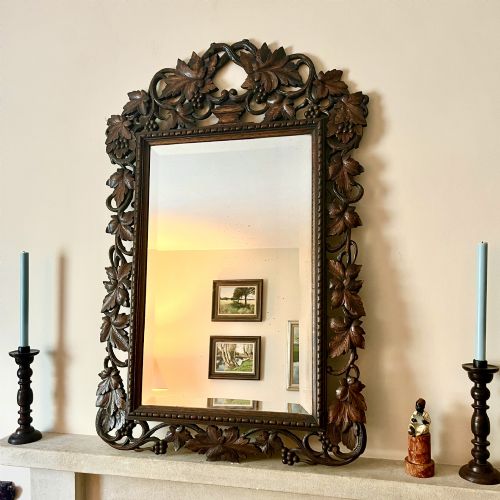
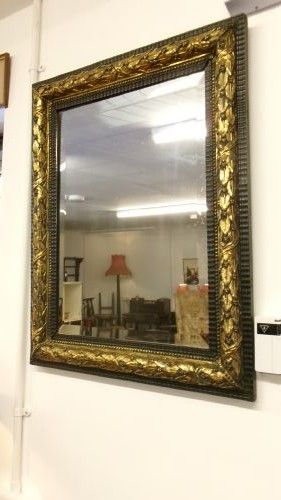
A black wooden mirror frame search leads you to dark timber and ebonised wall hangings, overmantles and floor glasses from the nineteenth and early twentieth centuries. You will regularly encounter Victorian ebonised designs alongside carved oak and ornate German Black Forest framing.
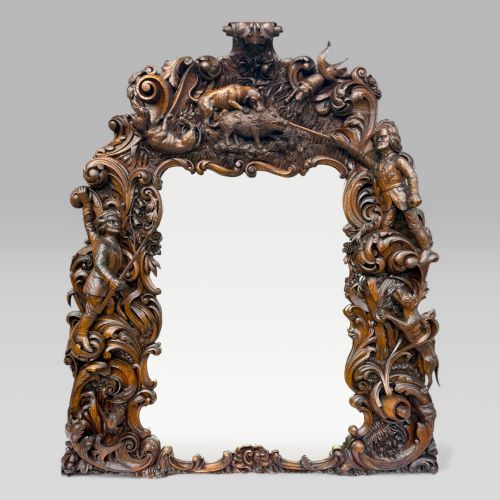
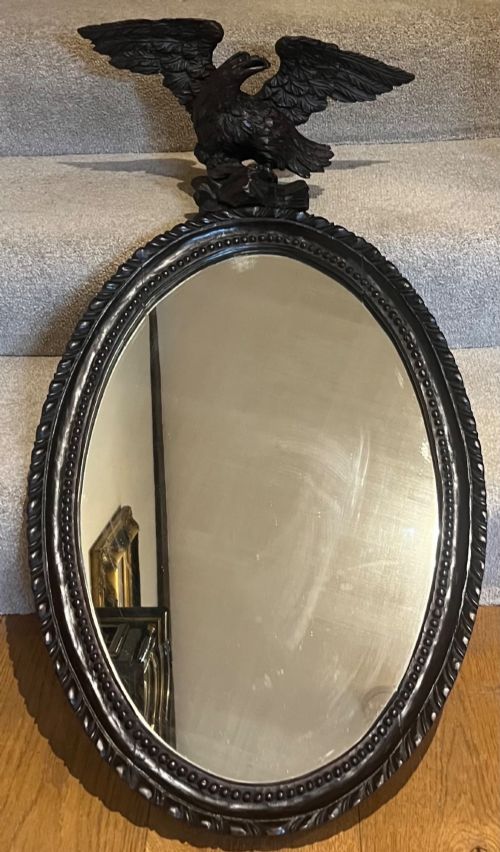
The selection includes large overmantle mirrors finished with gilt highlights, alongside fairground and carousel pieces from the early twentieth century. These items range from simple rectangular mouldings to elaborate carved hunting lodge and eagle motifs.
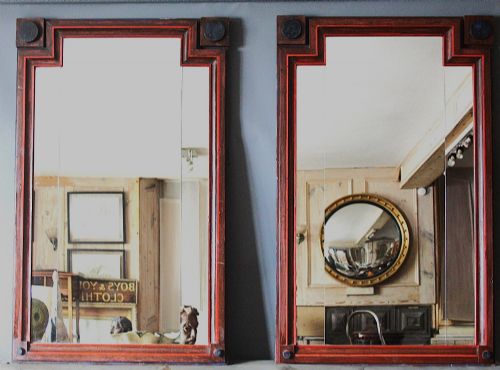
Most examples originate from the Victorian and Edwardian eras, utilising dark woods or blackened finishes to create strong interior accents. Collectors also find specialised Art Deco mirrors and multi-section formats among the available stock.
Factors determining quality
Quality rests on the depth and crispness of the wood carving, particularly visible in Black Forest and architectural overmantle examples. Ornate designs with well-preserved gilt highlights and original bevelled glass sit above plain utilitarian mouldings.
The integrity of the ebonised finish and the stability of the heavy timber construction differentiate superior pieces. Finer items demonstrate careful joinery and well-balanced proportions that maintain their structural strength over the centuries.
Materials recorded across the inventory include solid oak, ebonised wood, original bevelled glass, and applied gold leaf accents.
The Black Wooden Mirror Frame Glossary
- Ebonised wood
- Timber treated with stain or paint to imitate expensive ebony. This finish became especially popular during the Victorian period for formal wall mirrors.
- Overmantle mirror
- A large glass designed to hang directly above a fireplace mantelpiece. These pieces often feature wide frames and horizontal proportions.
- Black Forest
- A nineteenth century style of intricate wood carving originating from central Europe. These pieces typically display naturalistic animal or foliage motifs.
- Bevelled glass
- A mirror plate with edges cut and polished at an angle. This technique creates a refractive border around the perimeter of the glass.
- Gilt
- A thin layer of gold leaf applied to the surface of the wood. It is often used to accent carved mouldings and frame edges.
Black Wooden Mirror Frame: Frequently Asked Questions
Where should I hang a large overmantle mirror?
These large mirrors traditionally anchor the space above a fireplace, reflecting light and expanding the room. They also work effectively on main living room walls where their heavy frames can act as focal points.
Ensure the wall structure and fixings can support the substantial weight of these timber and glass combinations safely.
How do I care for ebonised wood frames?
Dust the timber gently with a soft, dry cloth to prevent surface scratching. Avoid harsh chemical cleaners that might degrade the historic dark finish.
Keep the frame away from direct sunlight and damp conditions to protect the wood from warping and the finish from fading.
What is a Black Forest mirror?
Black Forest pieces are characterised by deep, naturalistic wood carvings, often depicting animals, birds or foliage. They reflect a specific nineteenth century craftsmanship tradition from European forest regions.
These frames stand out for their dramatic three-dimensional relief work and distinctive regional motifs.