
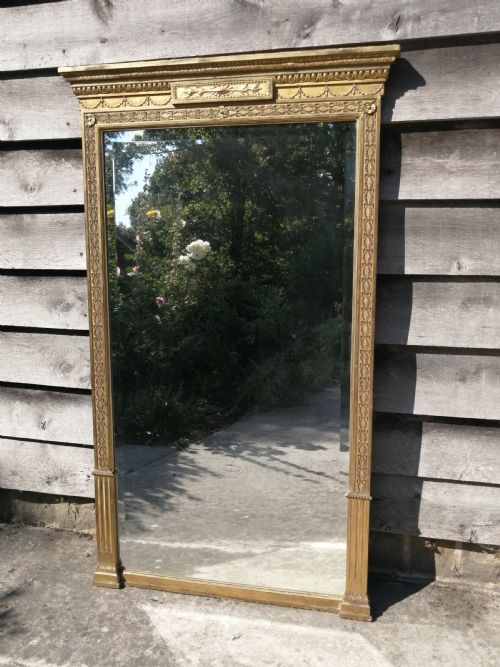
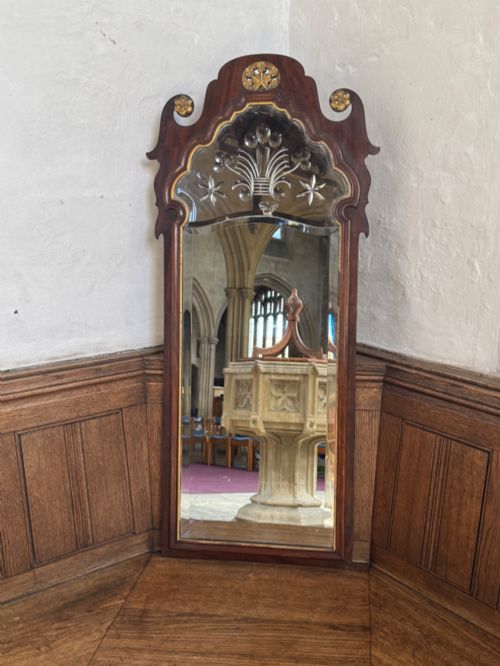
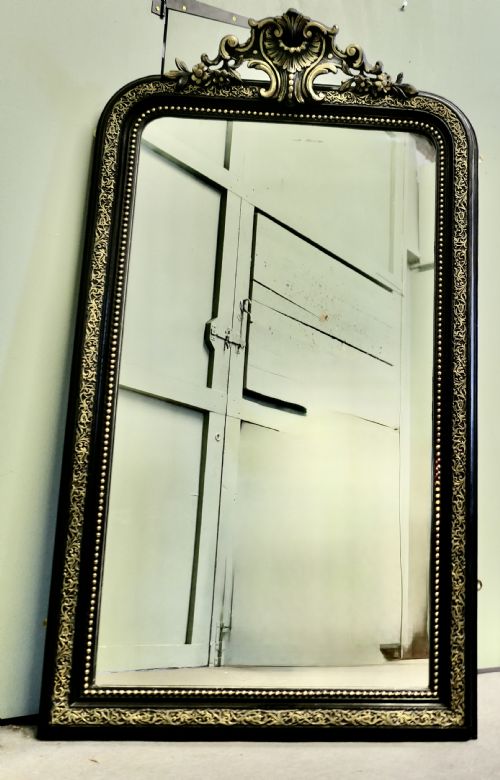
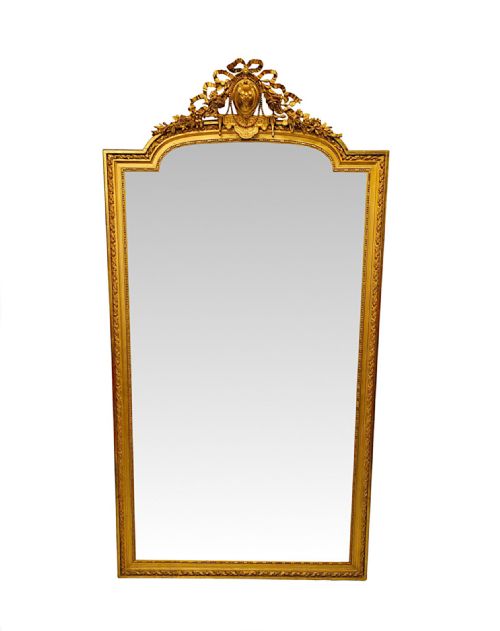
Antique Tall Glass Mirror
An antique tall glass mirror brings vertical presence and reflected light to a room, drawing the eye upward with period proportion.
Antique Tall Glass Mirror
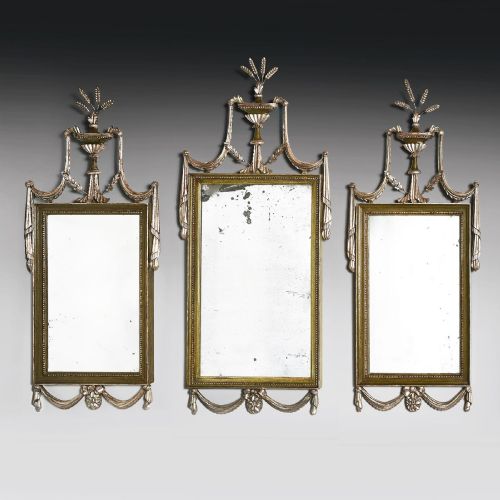
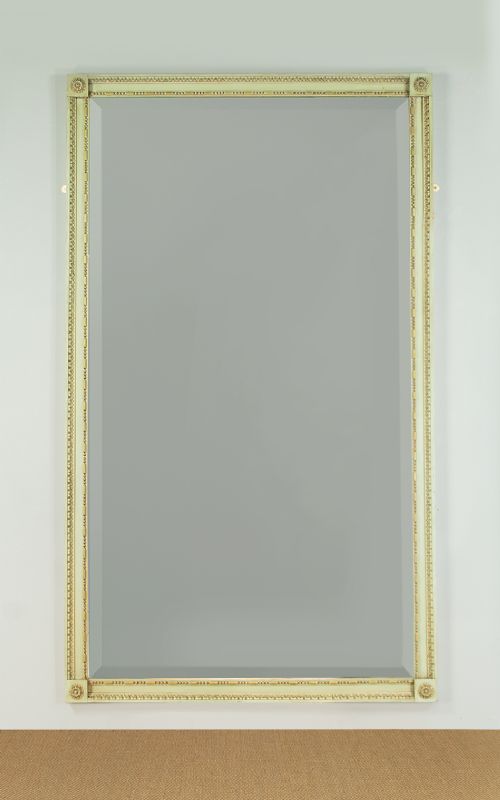
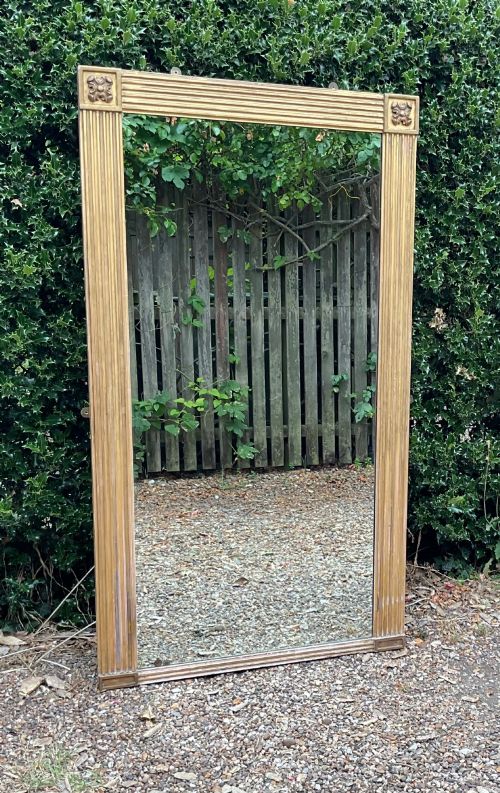
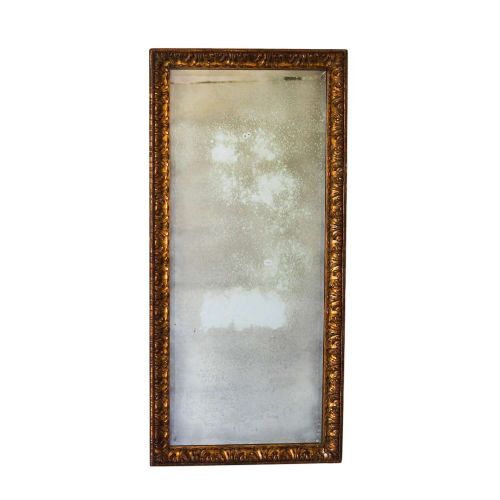
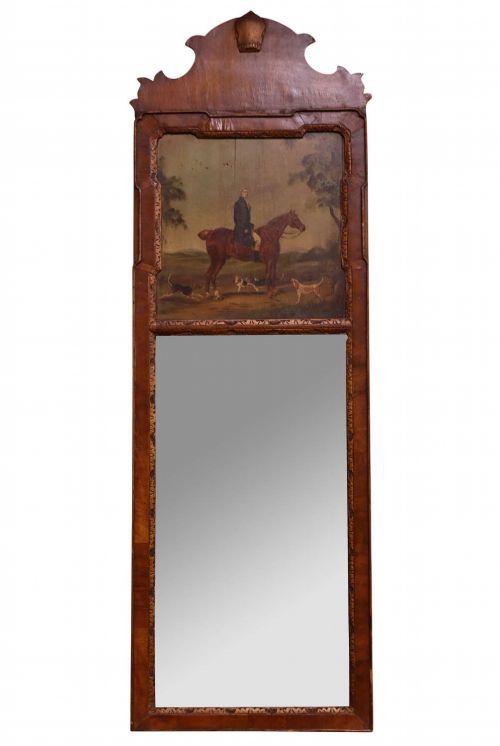
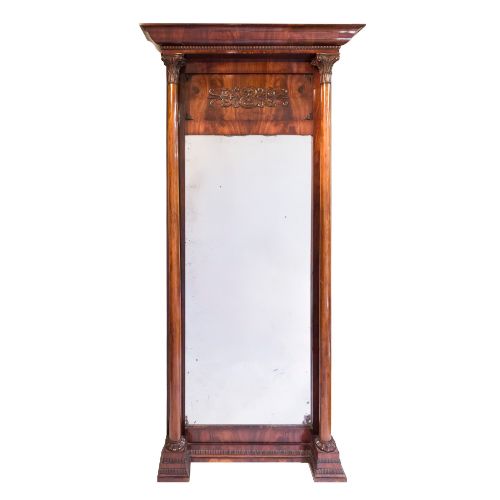
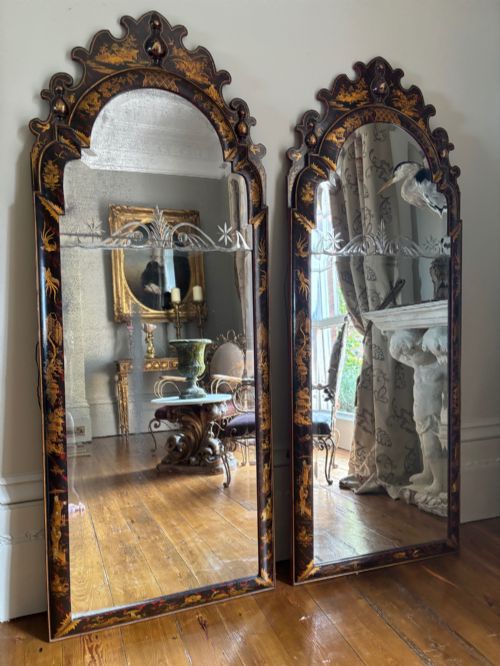
When you search for an antique tall glass mirror, you encounter imposing vertical forms designed to command a wall or floor. The selection spans pier mirrors, cheval mirrors, and trumeau panels that reach significant heights for dressing or architectural enhancement.
Most examples you meet on this page originate from the nineteenth century, alongside eighteenth-century precursors and twentieth-century revivals. They serve practical and decorative functions in halls, dressing rooms, and principal reception spaces.
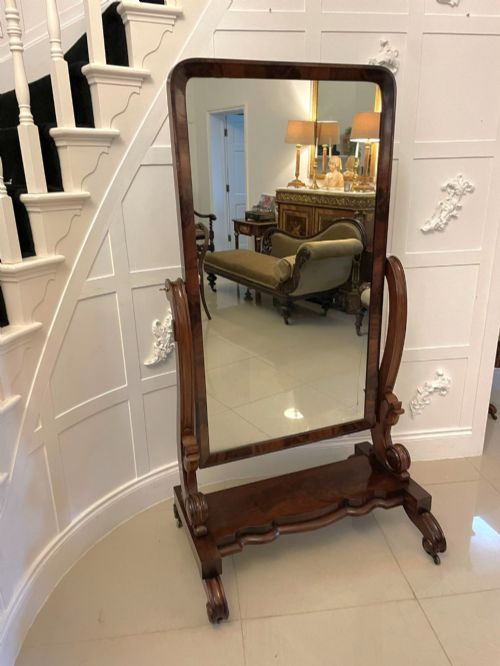
Forms range from freestanding cheval frames on swinging pivots to wall-mounted pier glasses and trumeau mirrors incorporating oil paintings. The overriding characteristic is height, which visually expands the surrounding interior.
How they were made
Cabinetmakers and gilders built these vertical frames using timber carcase work in mahogany, walnut, or painted wood. Gilders applied gesso over carved wood before laying gold leaf or silver leaf onto the surface.
Reflecting plates relied on traditional glass-making methods, including mercury glass on eighteenth-century and early nineteenth-century pieces, later superseded by standard silvered plates. Many retain their original hand-bevelled or reverse-cut glass plates.
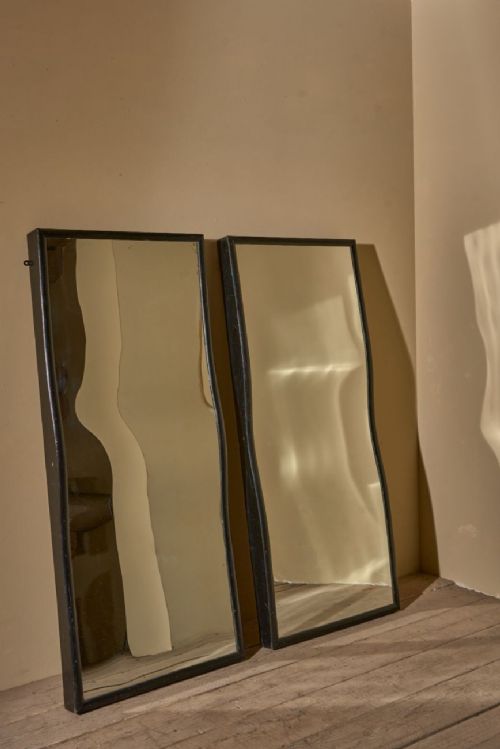
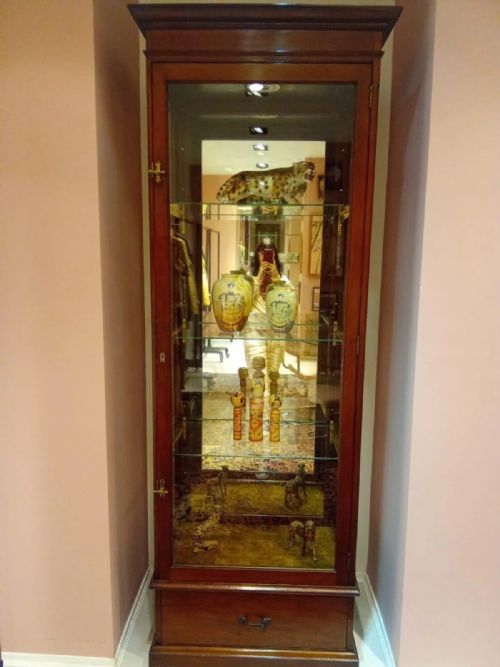
Fairground fun house mirrors bring unexpected carnival distortion into the antique tall glass mirror category.
What varies in quality
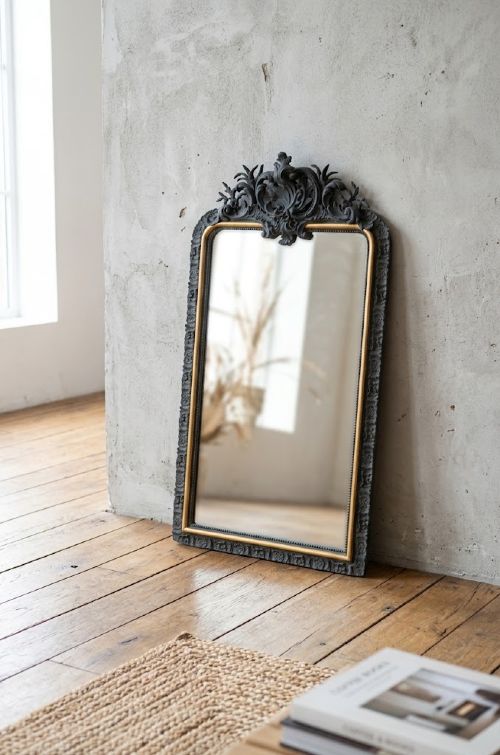
The distinction between ordinary and exceptional pieces lies in the crispness of the carved wood and gesso ornamentation. Deeply undercut carving on giltwood frames and refined proportions separate ambitious workshop production from simpler output.
Originality dictates value. Retaining the original mirror plate, whether mercury glass or early bevelled silver plate, marks a higher tier of preservation compared to later replaced glass.
Gillows Of Lancaster·John Belchier
The Antique Tall Glass Mirror Glossary
- Pier mirror
- A tall vertical glass designed specifically to hang on the narrow wall pier between windows. These mirrors often match console tables positioned below them.
- Cheval mirror
- A freestanding full-length dressing glass suspended on vertical pivots within a frame. This allows the plate to tilt to various angles.
- Trumeau mirror
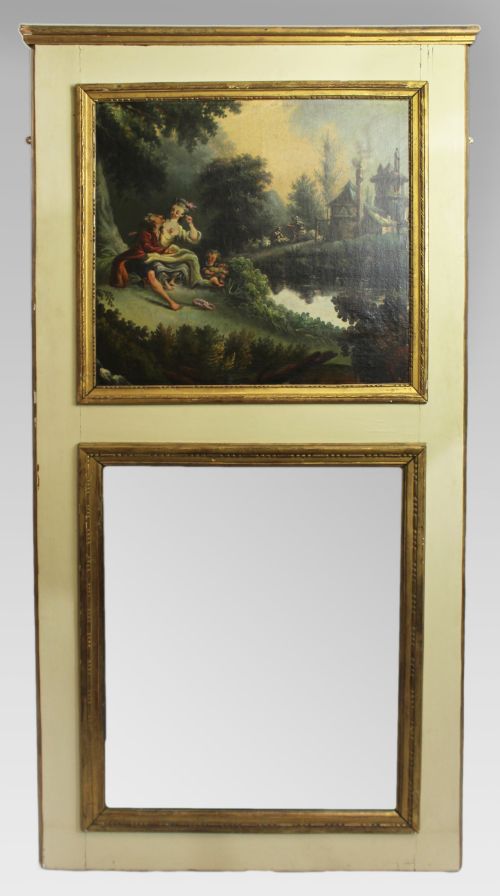
- A decorative wall mirror combined with an upper panel containing an oil painting or carved relief. The style originated in eighteenth-century French interior decoration.
- Mercury glass
- An early type of mirror plate produced by pouring a liquid mercury-tin amalgam behind glass. It exhibits a characteristic mottled, dark foxed reflection.
- Gesso
- A plaster-like mixture applied to wood frames to provide a smooth surface for gilding. Skilled artisans carved intricate relief details directly into this layer.
Antique Tall Glass Mirror: Frequently Asked Questions
Where should I place a tall mirror?
These tall glasses suit entrance halls, drawing rooms, and dressing spaces where vertical emphasis enhances the architecture. Placing them opposite windows maximises natural daylight distribution.
Floor-standing cheval versions function best in bedrooms or dressing rooms as movable full-length dressing mirrors. Wall-mounted pier glasses anchor mantelpieces or spaces between architectural openings.
What is mercury glass?
Mercury glass describes early mirror plates backed with a mercury-tin amalgam rather than modern chemical silvering. This historic technique creates a distinctive speckled appearance.
Over time, chemical reactions produce dark spots and foxing behind the glass surface. Collectors prize this aged patina as a mark of authenticity.
How do I date a giltwood frame?
Dating relies upon stylistic cues in the carved decoration and the construction of the wooden carcase behind the gesso. Eighteenth-century pieces display robust carving and mercury plates, while Victorian examples often incorporate heavier moulded ornament.
Revival pieces from the early twentieth century adopt earlier George II or Adam motifs while retaining characteristic twentieth-century backing boards and fixings.
Are trumeau mirrors French?
Trumeau mirrors originate primarily from French interior design traditions of the eighteenth and nineteenth centuries. The name derives from the architectural term for the stone or plaster pier between windows.
These pieces integrate painted pastoral oil scenes or decorative panels above the glass plate. English makers also adopted the form during subsequent revival periods.