





Late Victorian Arch Mirror
These late victorian arch mirror pieces bring height and depth to a room, using curved upper frames to draw the eye upward.
Late Victorian Arch Mirror
A late victorian arch mirror offers a distinctive curved top that defines the silhouette of the piece, frequently appearing in wall and overmantel formats. These items date primarily from the nineteenth century, spanning decades such as the eighteen-eighties and eighteen-nineties within the broader Victorian period.
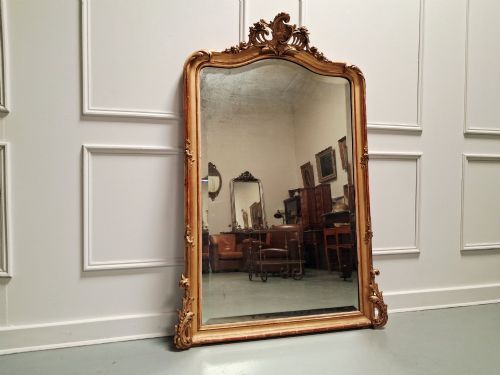
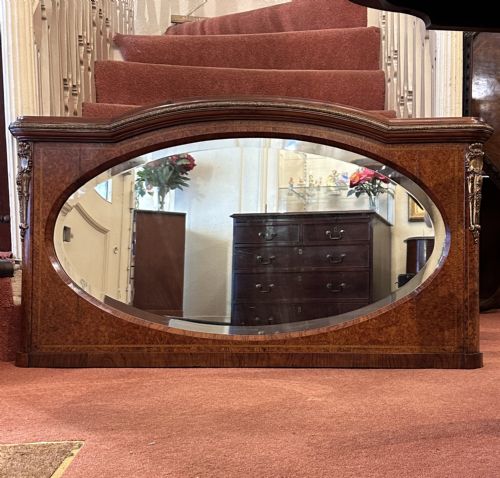
The selection here includes tall gilt frame mirrors and overmantel mirrors designed to sit above a fireplace, alongside console tables with integrated glass and decorative wall pieces featuring shell motifs. Aesthetic movement ebonised examples and French rococo revival variants also emerge among the listings, showing diverse stylistic influences.
Most pieces rely on traditional wooden framework shaped into arches, housing original or period mirror glass. Buyers seeking a late victorian arch mirror will encounter both restrained ebonised timber finishes and ornate giltwood surfaces suited to principal reception rooms.
Materials and construction methods
Frames are constructed from timber such as yew-wood or ebonised wood, providing a stable structural base for the glass. Giltwood and gesso applications deliver decorative surface relief, often through water gilding techniques that apply thin gold leaf over prepared grounds.
Mirror plates are set within arched apertures, sometimes accompanied by margin-edged glass or cobalt blue glass sections. Ormolu mounts and shell motifs add ornamental detail to the wooden carcasses, reflecting the craftsmanship of late nineteenth-century workshops.
Materials recorded across the inventory include giltwood, gesso, ebonised wood, cobalt glass, and burr yew-wood.
Evaluating quality and execution
The refinement of the carved gesso and the depth of the gilding separate standard production from superior examples. Crisp detailing in shell motifs and well-executed ormolu mounts indicate higher workshop standards during the manufacturing process.
The integrity of the mirror plate itself influences the overall character, with original glass retaining subtle imperfections that distinguish period pieces from later replacements. The choice of underlying timber, such as burr yew-wood rather than basic softwood, signals greater ambition in the original commission.
The Late Victorian Arch Mirror Glossary
- Arch top
- A curved upper frame profile designed to soften linear room architecture. This shape directs visual focus upward and enlarges wall space.
- Giltwood
- Timber coated with gold leaf or metallic powder applied over a prepared gesso layer. It catches ambient light and brightens darker interiors.
- Overmantel mirror
- A large horizontal or vertical glass designed specifically to hang above a fireplace mantelpiece. These pieces often anchor the decorative scheme of a reception room.
- Ebonised wood
- Timber treated with chemical stains or dark finishes to imitate costly ebony. This technique gained popularity during the aesthetic movement.
- Pier mirror
- A tall, narrow glass made to fit the wall space between windows. It maximises natural light reflection within a room.
Late Victorian Arch Mirror: Frequently Asked Questions
How do I hang a heavy overmantel mirror?
These substantial frames require secure fixing directly into wall studs or masonry using heavy-duty brackets. Professional installation is recommended given the considerable weight of timber and glass.
Ensure the hanging wire or integrated fixing points match the load capacity of the wall fixings.
Where should I place an arch mirror?
Positioning an arch mirror opposite a window maximises natural light distribution across the room. Overmantel versions sit naturally above fireplace surrounds as a traditional focal point.
Console table combinations work well in hallways to create a sense of extended space upon entry.
How do I clean antique mirror glass?
Use a soft microfibre cloth slightly dampened with distilled water to remove dust from the glass surface. Avoid harsh chemical sprays that can seep behind the plate and damage the silvering.
Keep moisture away from the wooden frame joints and gilt surfaces during cleaning.
What defines the aesthetic movement style?
Aesthetic movement design emphasises simplicity, dark ebonised finishes, and artistic refinement over heavy Victorian ornamentation. These pieces often exhibit restrained geometric lines and subtle decorative motifs.
Such items reflect a late nineteenth-century shift towards art for art's sake in interior decoration.