



Tall Arched Wall Mirror
A tall arched wall mirror brings height and reflected light to a room, drawing the eye upward with its curved top.
Tall Arched Wall Mirror
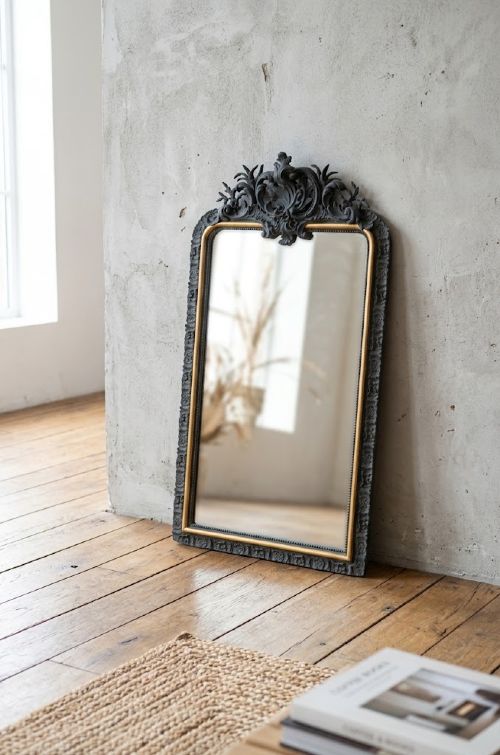
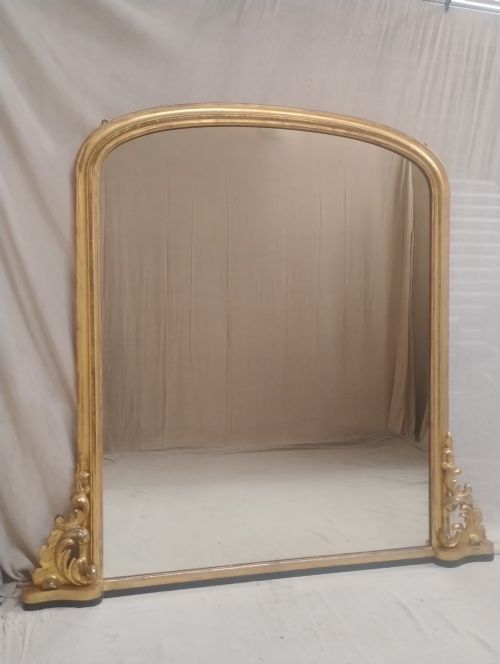
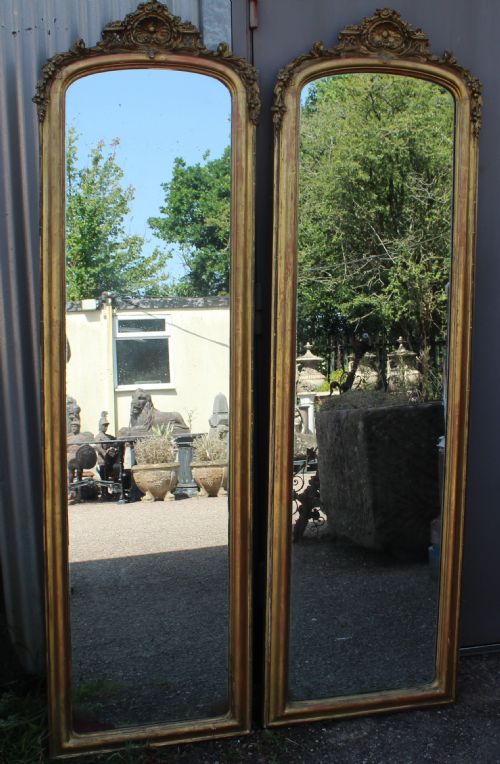
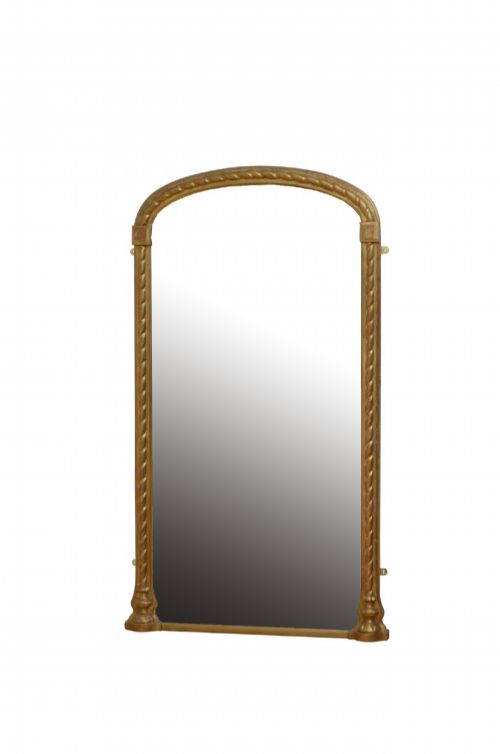
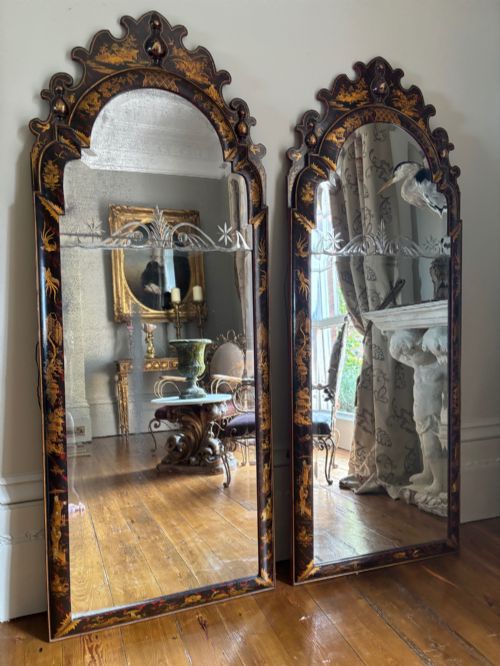
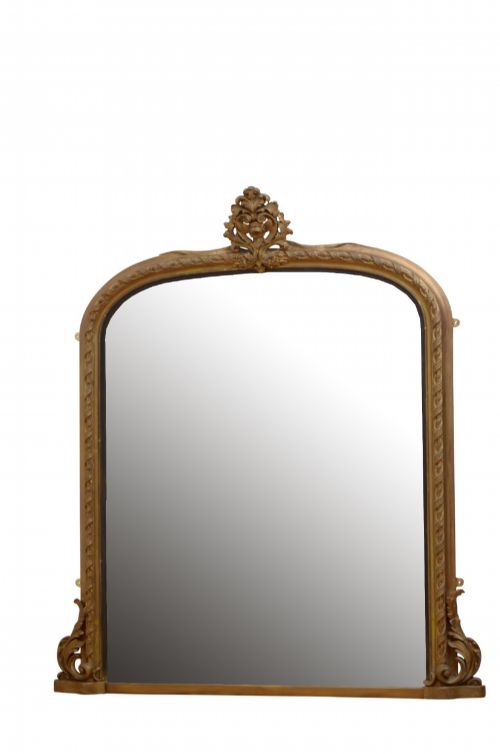
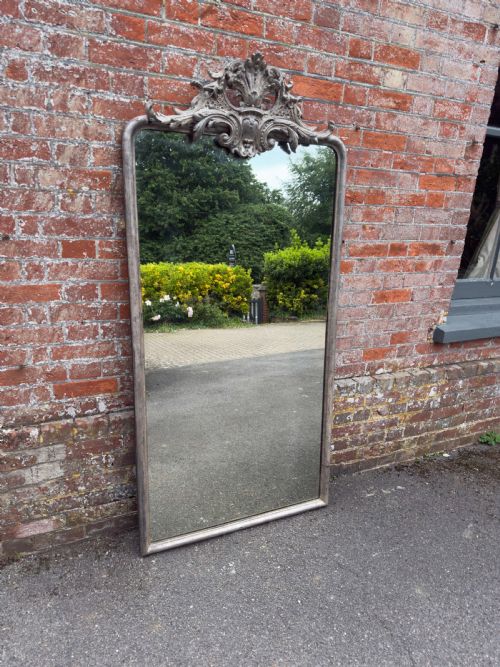
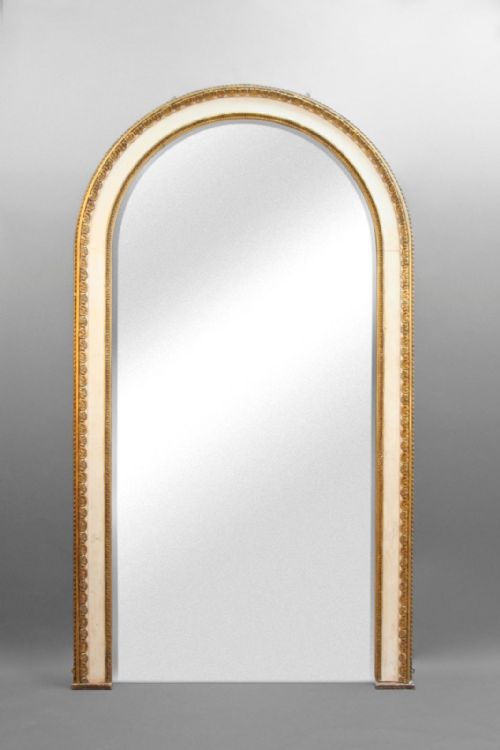
A tall arched wall mirror draws the eye upward and opens up a room by reflecting light across the space. When you search for this phrase, you meet large vertical forms designed to hang on a wall, stand as leaner mirrors, or rest above a mantelpiece.
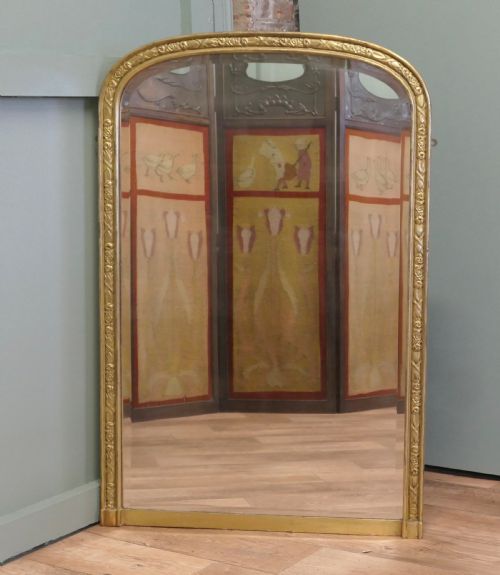
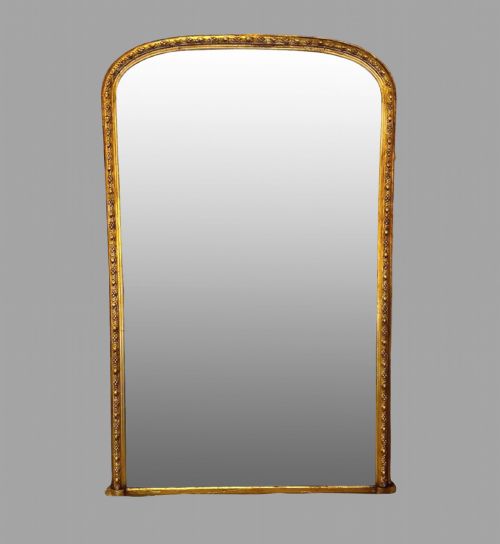
The pieces seen here span the 19th century alongside Georgian and Victorian eras, drawing heavily on French styles like Louis Philippe and French Empire. You encounter overmantel mirrors, pier mirrors, and wall mirrors shaped with distinct arched tops.
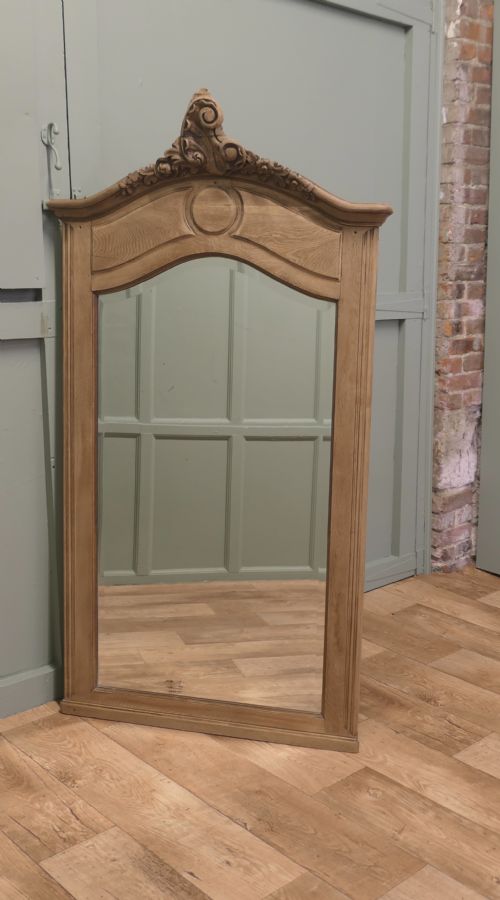
Originating largely from French and English workshops, these pieces utilise substantial vertical proportions to alter the scale of an interior. Walnut, mahogany, bleached oak, and birch provide the structural timber for many of these tall frames.
How They Were Made
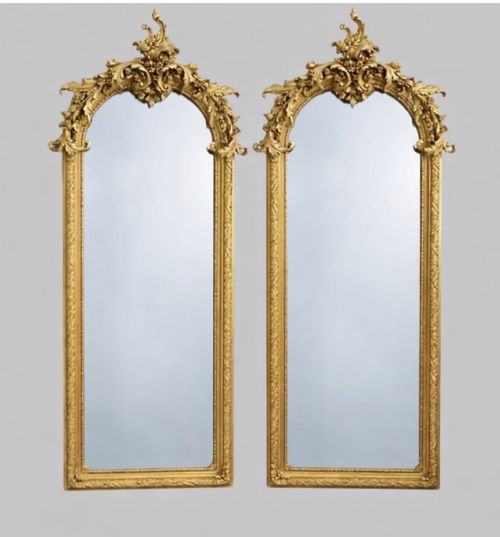
Makers shaped solid timber frames from oak, walnut, mahogany, and birch, often building up intricate decorative details with gesso over carved wood. Applied gesso allowed artisans to form crisp scrolls, rope carvings, and floral motifs before applying gold leaf, silver, or paint.
Many frames carry heavy gilding, original silvering, or overpainted surfaces that have aged over decades. Specialised techniques such as eglomise appear alongside traditional gold leaf application to frame the mirror glass securely.
Tall Arched Wall Mirror Retail Price Guide 2026
Typical asking prices for tall arched wall mirror among the pieces listed under this phrase on Sellingantiques today, from the lower quarter to the upper quarter. They describe what is for sale here now, not the wider market.
The listings show materials ranging from raw bleached oak and mahogany to heavily gilt gesso and painted walnut.
What Varies in Quality
The distinction between tiers rests in the crispness of the carved wood and gesso ornamentation around the arched shoulder. Hand-carved details and well-preserved original gilding or silvering show superior craftsmanship compared to simpler moulded decoration.
The integrity of the structural timber and the retention of the original mirror glass plate dictate the standing of the piece. Frames that maintain their early paint layers or authentic gold leaf without excessive later restoration hold greater decorative presence.
The Tall Arched Wall Mirror Glossary
- Pier mirror
- A tall mirror specifically designed to hang on the wall between two windows, often placed above a pier table.
- Overmantel mirror
- A wide mirror made to sit directly on the mantelpiece above a fireplace, frequently incorporating an arched top.
- Gesso
- A plaster-like mixture applied to wood frames and carved into detailed ornamental shapes before gilding or painting.
- Eglomise
- A technique where gold or silver leaf is applied to the reverse side of glass and etched to create decorative borders.
- Giltwood
- Timber that has been coated with a thin layer of gold leaf or gold paint across its carved surface.
Tall Arched Wall Mirror: Frequently Asked Questions
Where should I hang a tall arched wall mirror?
These mirrors suit spaces with high ceilings, such as living rooms, hallways, or above a fireplace mantel.
Positioning the glass opposite a window maximises the reflected daylight and creates an illusion of depth.
Are these mirrors heavy to mount?
Most of these frames consist of solid wood and gesso, which adds considerable weight to the structure.
Secure wall fixings into masonry or structural studs are essential to support the heavy vertical frame safely.
How do I identify a Louis Philippe mirror?
Louis Philippe mirrors typically feature a simple arched top combined with clean, understated frame proportions.
They rely on subtle decorative elements like beaded inner borders rather than heavy, ornate carvings.
Can these mirrors be used as leaner mirrors?
Certain taller examples function effectively when rested directly against the floor and leaned back against the wall.
This placement method creates a relaxed, grand aesthetic common in French interiors.