

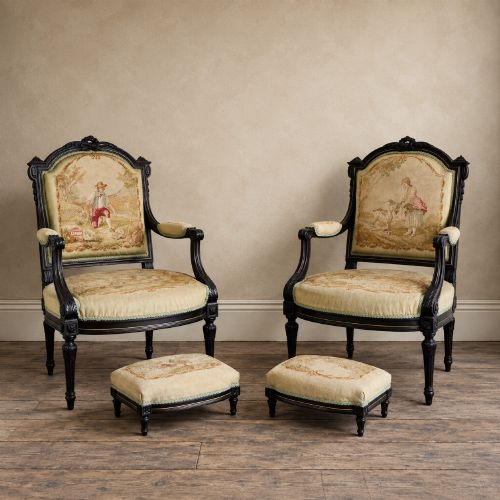



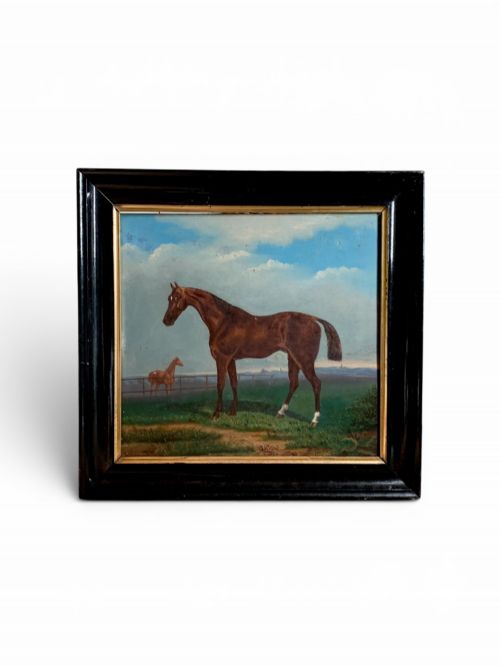
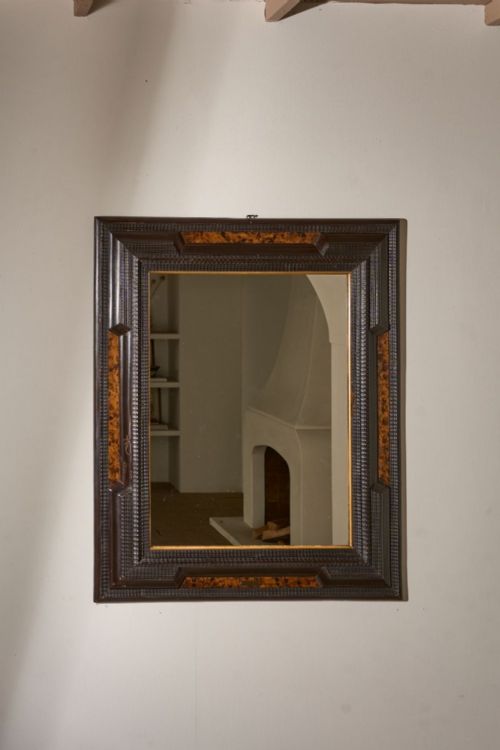
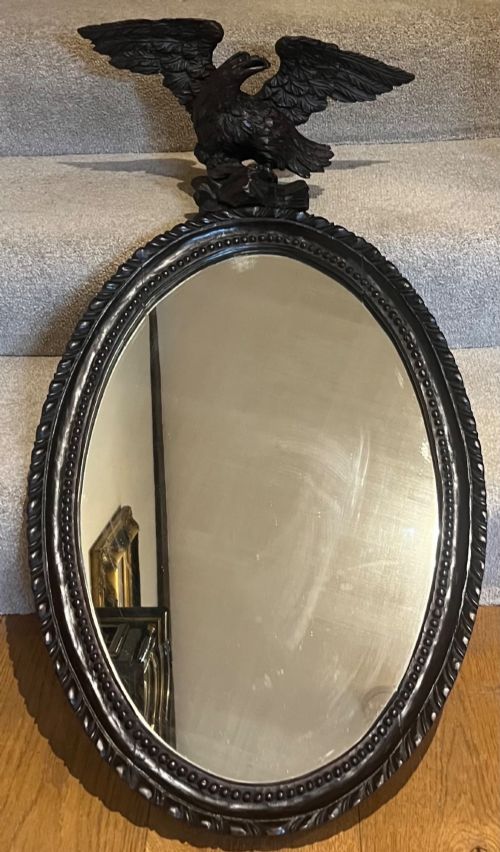

Ebonised Wood Frame
An ebonised wood frame delivers stark architectural contrast, turning portraits and mirrors into deliberate focal points against a wall.
Ebonised Wood Frame
When searching for an ebonised wood frame, a buyer encounters structural borders designed to mimic expensive ebony through blackened timber. These items span periods from the seventeenth century through to the nineteenth century, encompassing Georgian, Victorian, and Regency examples.
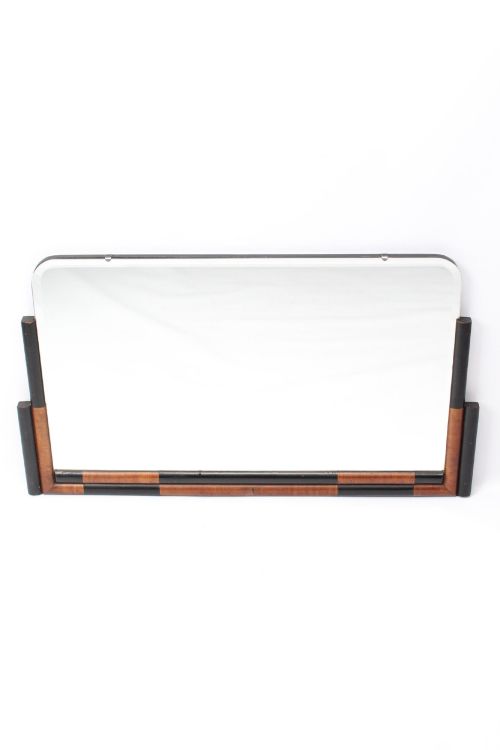
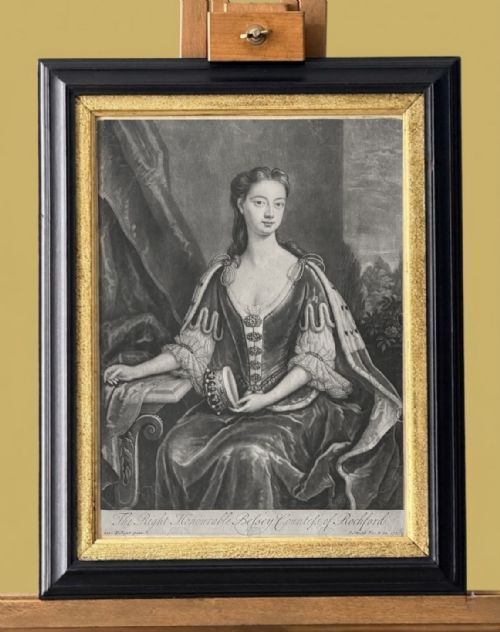
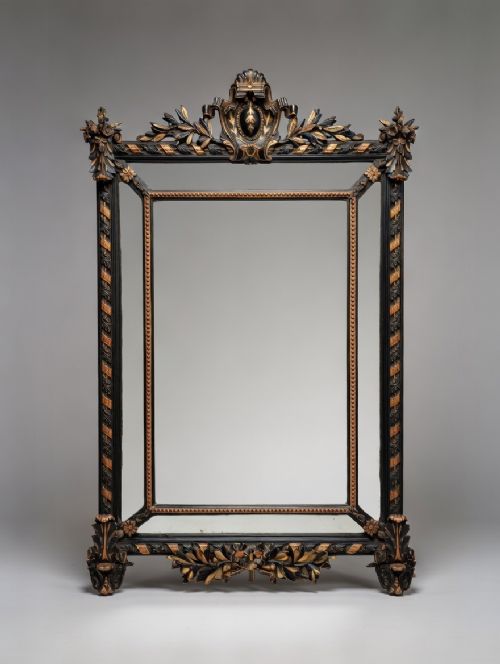
The versions most frequently met on this page include wall mirrors, overmantel mirrors, and cushion mirrors alongside framed oil paintings and engravings. Many pieces combine the blackened wood with giltwood, gesso, or brass accents to catch the light.
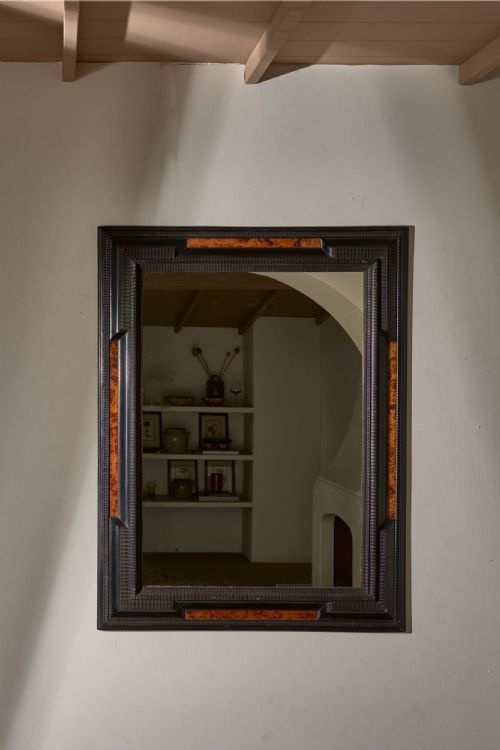
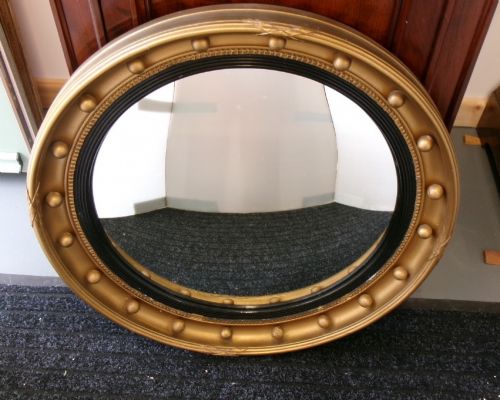
Objects carrying an ebonised wood frame range from modest convex portholes to large Italian mirrors featuring faux tortoiseshell. They appear frequently alongside Dutch school portraits, architectural engravings, and portrait miniatures.
Materials and Technique
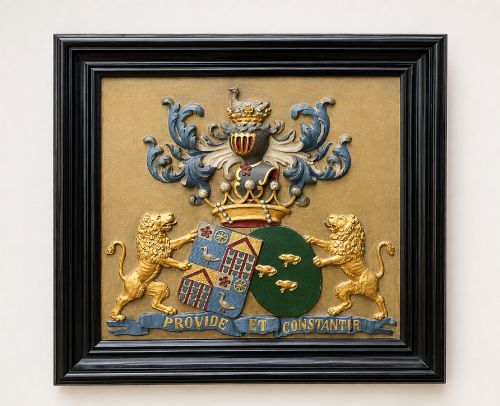
Craftsmen built an ebonised wood frame using standard timbers such as beech or walnut, applying chemical stains, dark finishes, or black paint to simulate dense tropical ebony. Gilding and gold leaf often highlight carved mouldings, creating deliberate contrast against the dark background.
Many nineteenth-century examples incorporate moulded gesso applied over a wooden base to take intricate relief ornament before the black finish goes on. Glass plates, brass fittings, and occasional bone inlay complete the construction of these mirrors and panels.
Listings feature 19th Century, Georgian, and 17th Century periods, utilising Ebonised Wood, Giltwood, Glass, and Brass.
Markers of Quality
Quality in an ebonised wood frame rests on the crispness of the carved moulding and the depth of the blackened finish. Superior examples maintain intact gesso work without heavy chipping, whilst lesser pieces show crude repairs or flat, uniform paint that obscures the grain.
The integration of secondary materials such as parcel-gilt details, brass mounts, or genuine tortoiseshell veneer distinguishes finer workshops from mass production. Age-appropriate shrinkage cracks in the wood and original silvering on mirror plates indicate genuine period integrity.
Holland and Sons·Rowley Gallery
The Ebonised Wood Frame Glossary
- Ebonised
- Wood treated with stain, dye, or paint to resemble natural ebony. This dark finish gained immense popularity during the Victorian and Aesthetic Movement periods.
- Gesso
- A plaster-like mixture applied to wood frames to create a smooth surface for gilding or fine carving. It accepts crisp detail before the black finish is applied.
- Convex Mirror
- A circular mirror with a curved glass plate that reflects a wide-angle view of the room. These frequently feature gilded spheres set within ebonised borders.
- Cushion Mirror
- A frame style with a broad, rounded profile sloping towards the glass. The padded shape maximises the visual impact of the polished ebonised wood.
- Parcel-Gilt
- Partially gilded woodwork where gold leaf highlights specific carved sections. This technique warms the severe black surface of the frame.
Ebonised Wood Frame: Frequently Asked Questions
What periods do these frames come from?
The pieces span several centuries, with the majority originating from the nineteenth century alongside earlier Georgian and seventeenth-century examples.
Victorian and Regency revivals also appear frequently among the listings on this page.
How do I clean an ebonised wood frame?
Dust the timber gently with a soft, dry cloth to prevent scratching the blackened surface.
Avoid commercial polishes or water, which can damage aged finishes and exposed gesso beneath.
Are the mirror plates original?
Period mirrors often retain their original glass, which displays characteristic foxing and minor imperfections.
Some pieces have received replacement plates over their long lifespans to maintain clear reflection.
How do I hang a heavy overmantel mirror?
Secure the piece directly into wall studs using appropriate hardware rated for heavy timber and glass.
Professional installation is recommended due to the substantial weight of nineteenth-century frames.