
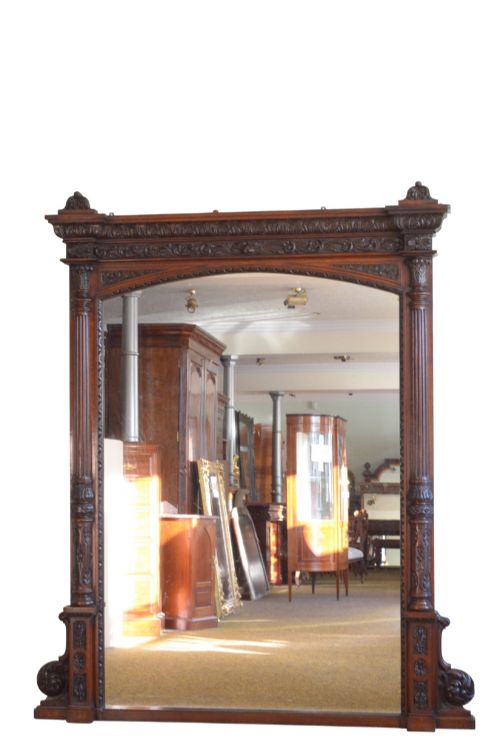
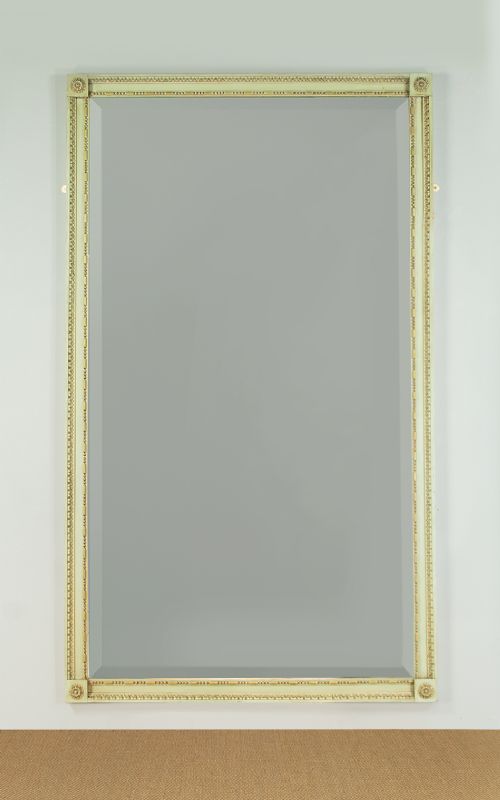
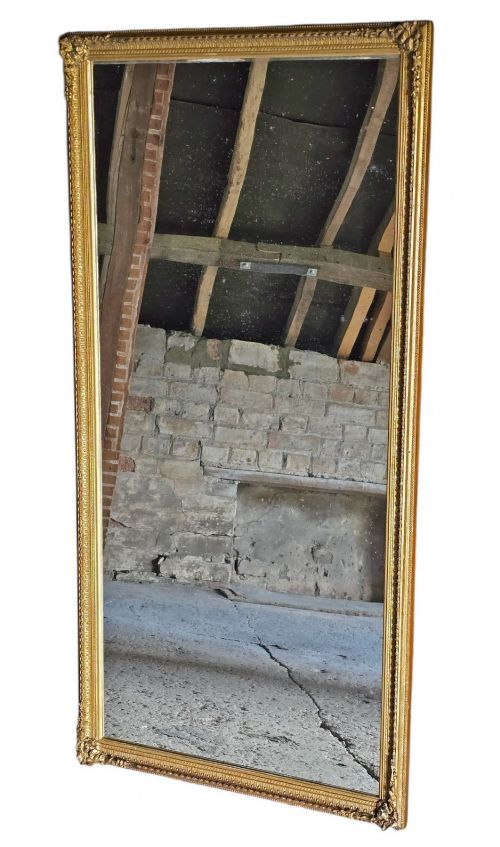
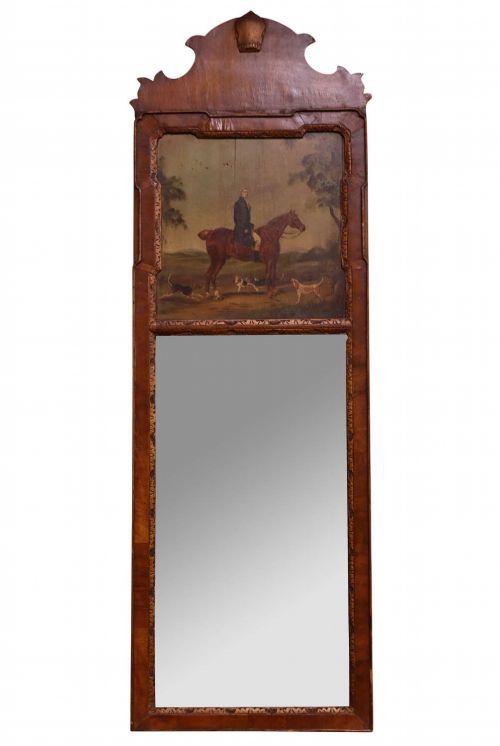
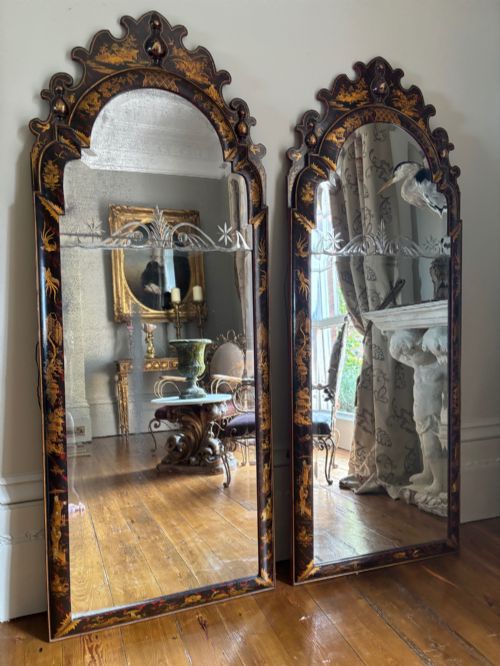
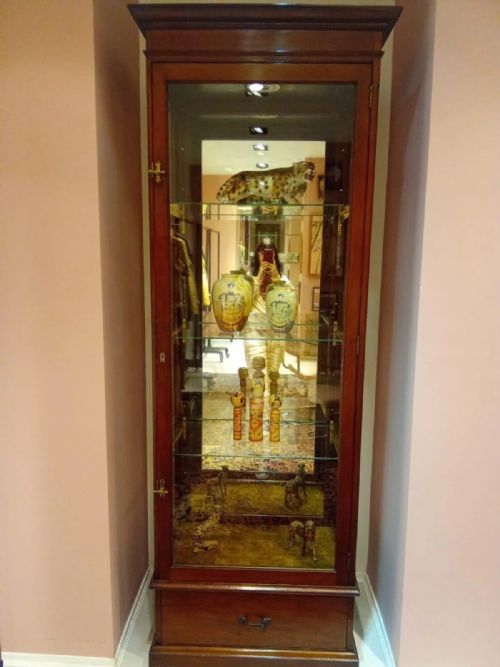

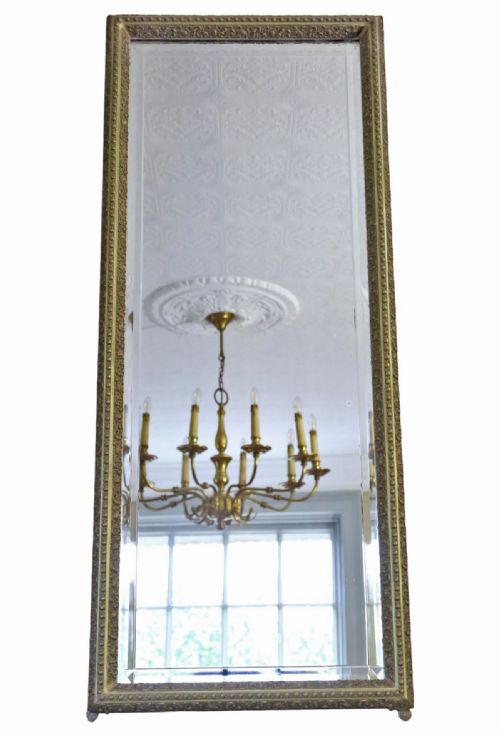
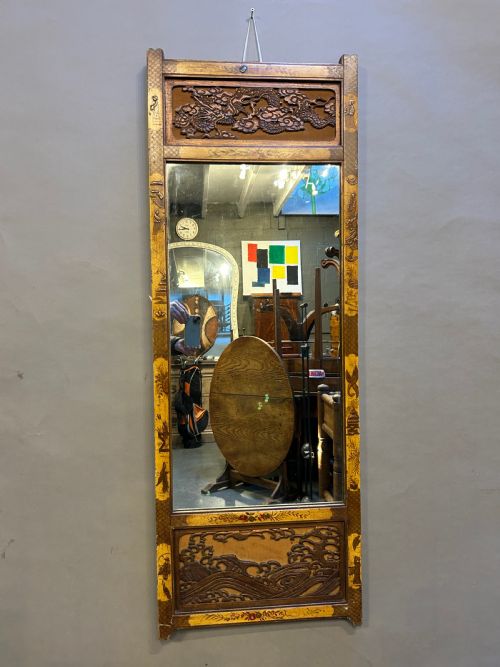


Edwardian Tall Mirror
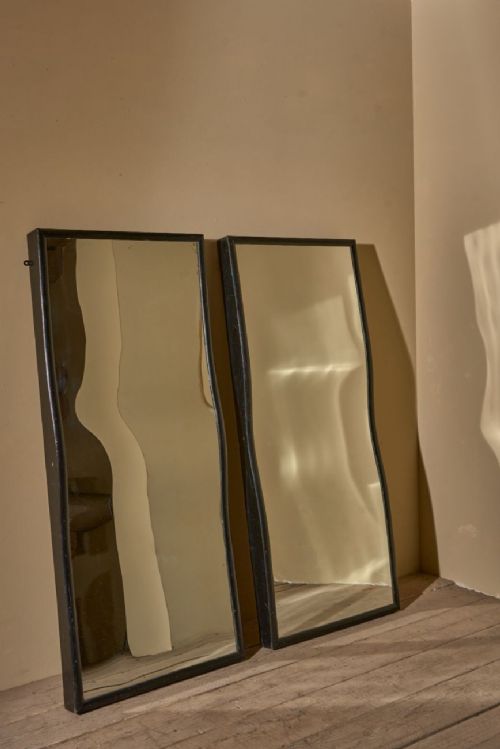
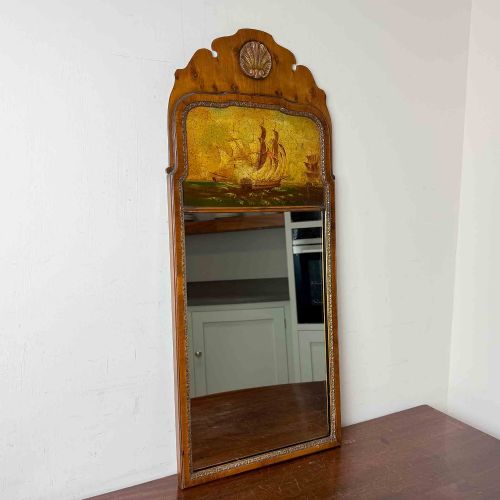
An edwardian tall mirror brings vertical presence to a room, offering full-length reflection through mahogany, oak, or gilt frames.
Edwardian Tall Mirror
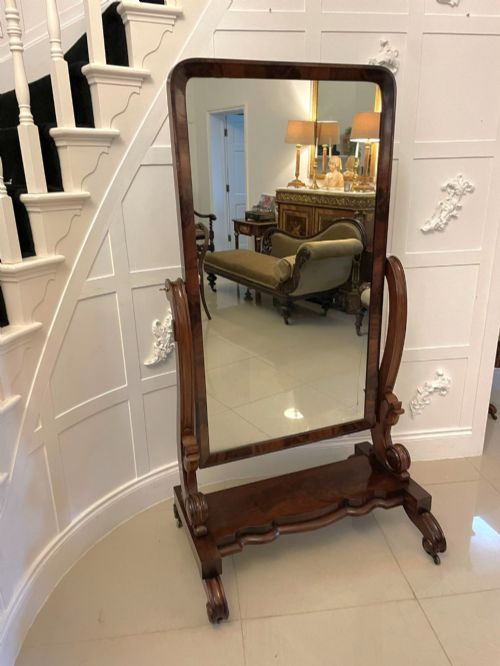
The edwardian tall mirror category spans freestanding cheval designs, wall-mounted dressing glasses, and shop-fitting mirrors intended for tailors and outfitters. Pieces from this period frequently combine practical height with timber frames in oak or mahogany.
Cheval mirrors dominate the tall formats, constructed to pivot within upright floor stands. Wall-hung variations appear alongside pier glasses, utilising vertical proportions to lengthen smaller rooms.
How they were made
Frames rely on solid timbers such as mahogany, oak, and yew wood, sometimes enhanced with carved gesso or parcel gilt surfaces. Glass panels incorporate bevelled edges, while certain examples retain original mercury plates or etched detailing.
Joinery techniques reflect heavy domestic and commercial use, pairing sturdy floor stands with adjustable brass pivots for swinging cheval glasses.
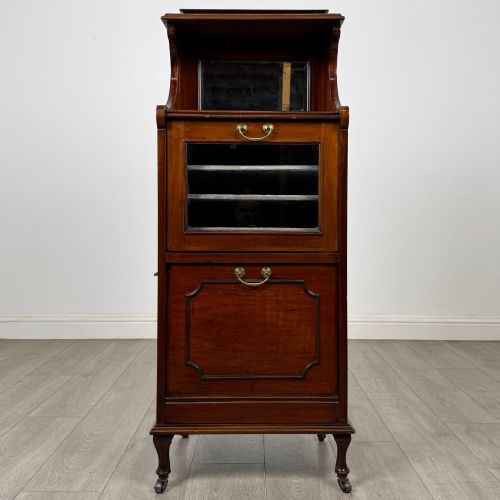
Certain tall mirrors double as hidden storage, revealing narrow chest of drawers bases behind the vertical glass front.
What varies in quality
Quality rests in the weight of the timber framing and the clarity of the glass plate. Substantial oak and mahogany structures with crisp carved details or intact mercury plates sit at the higher end of the range.
The integrity of the pivoting mechanisms on cheval frames and the preservation of original gilding or painted surfaces distinguish standard utility items from finer workshop pieces.
The Edwardian Tall Mirror Glossary
- Cheval mirror
- A freestanding full-length mirror mounted on a vertical swivelling frame between two upright posts. This design allows the glass to tilt at various angles for dressing.
- Pier glass
- A tall, narrow mirror designed to hang on the wall between windows or above a low console table. They often maximise light reflection in period interiors.
- Bevelled glass
- A glass pane with edges cut and polished at an angled slope. This traditional technique creates a prismatic decorative border around the reflection.
- Gesso
- A plaster-like material applied to wooden frames as a smooth base for gilding or painting. Artisans mould or carve intricate relief designs directly into this surface.
- Overmantel mirror
- A large mirror designed specifically to be positioned above a fireplace mantel. These pieces frequently feature architectural framing elements and gilt finishes.
Edwardian Tall Mirror: Frequently Asked Questions
Where should I place a tall mirror?
Position a tall mirror opposite a window to maximise natural light and create the illusion of expanded floor space in a hallway or bedroom.
Heavier freestanding cheval versions require stable flooring and adequate clearance to tilt safely without obstruction.
How do I identify an Edwardian tall mirror?
Look for characteristic timber choices like oak and mahogany combined with simpler lines than preceding Victorian designs, though revival styles remain common.
Many tall formats from this era originate from commercial settings such as gentlemen's outfitters and tailors' shops.
What is the difference between wall and cheval mirrors?
Wall mirrors secure directly to structural anchors and stay fixed in one position, whereas cheval mirrors feature a floor-standing base with pivot pins.
Cheval formats offer adjustable viewing angles suitable for dressing rooms, while tall wall mirrors serve to elongate vertical wall space.
How do I care for antique mirror glass?
Clean mirror surfaces gently using a soft microfibre cloth and mild cleaning solutions applied to the cloth rather than directly to the glass edge.
Protect original silvering and mercury backing by avoiding harsh chemical sprays that seep behind the frame joints.