

Antique Wall Artwork
These antique wall artwork pieces bring historic portraits and landscapes into your home, offering genuine character for your walls.
What antique wall artwork is
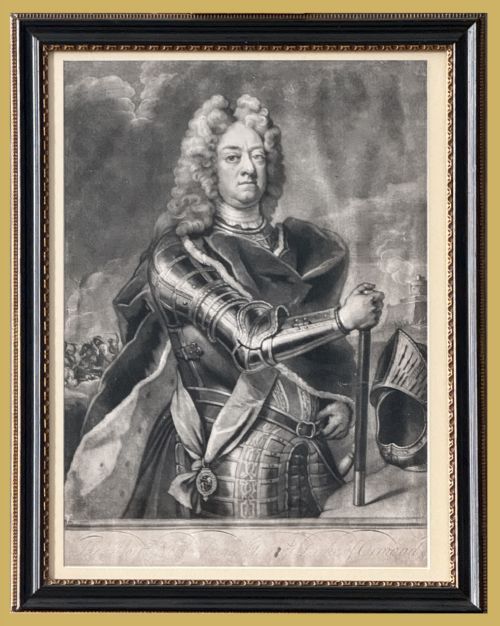
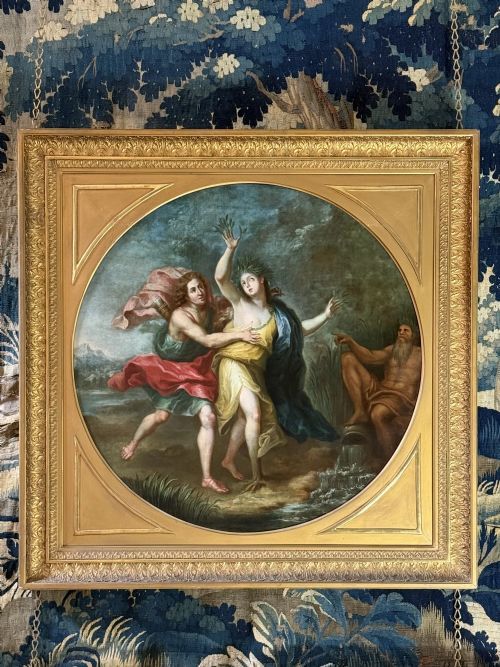
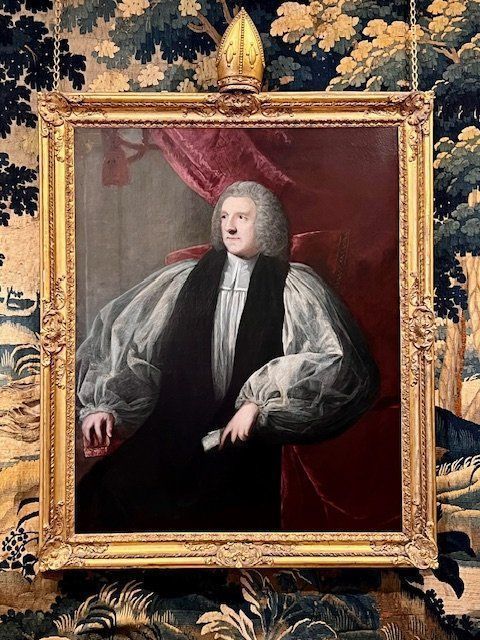
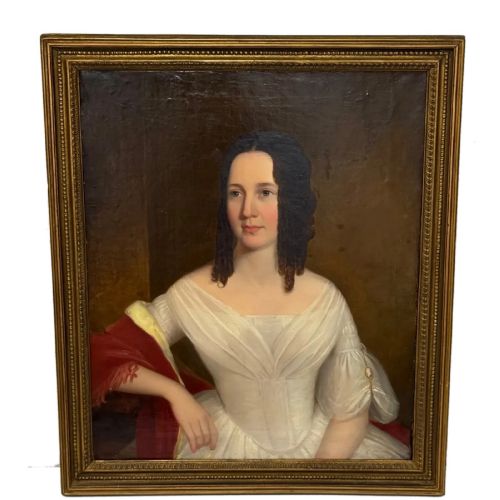
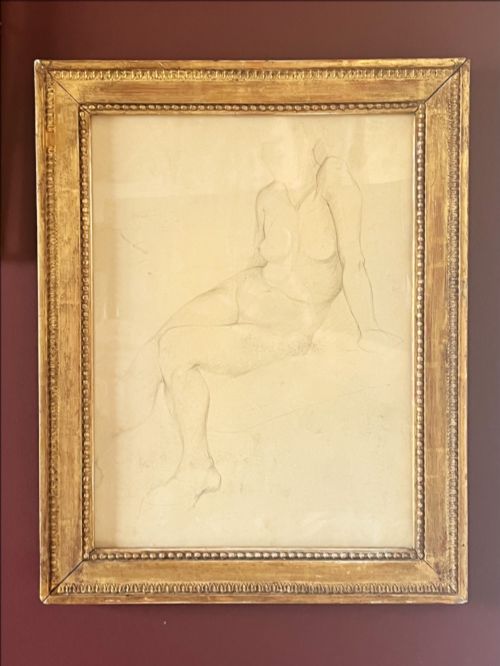
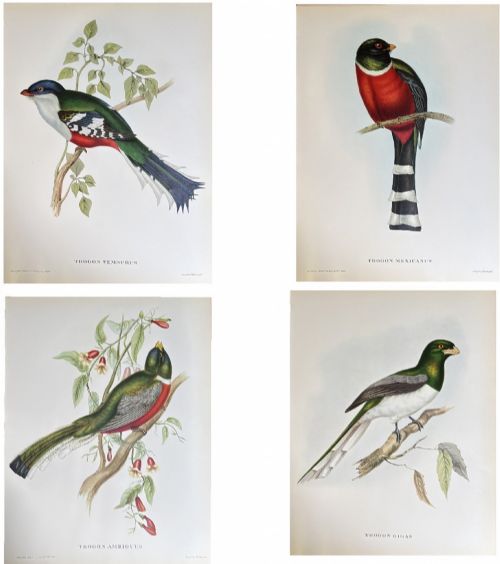
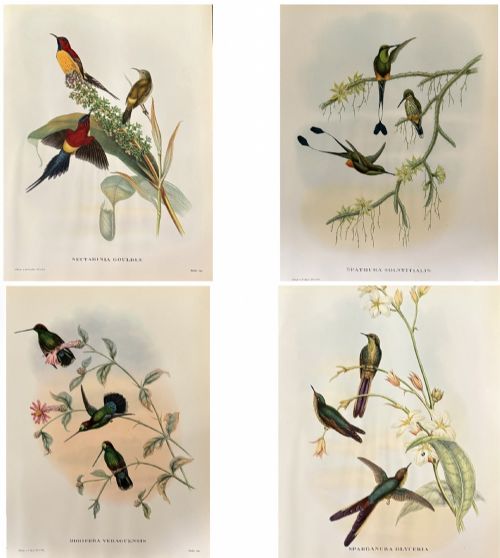
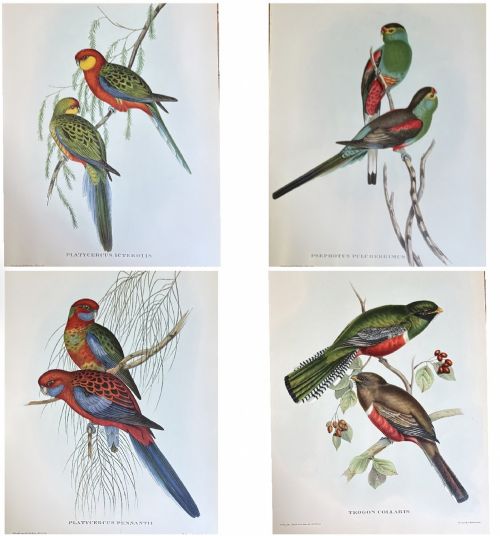
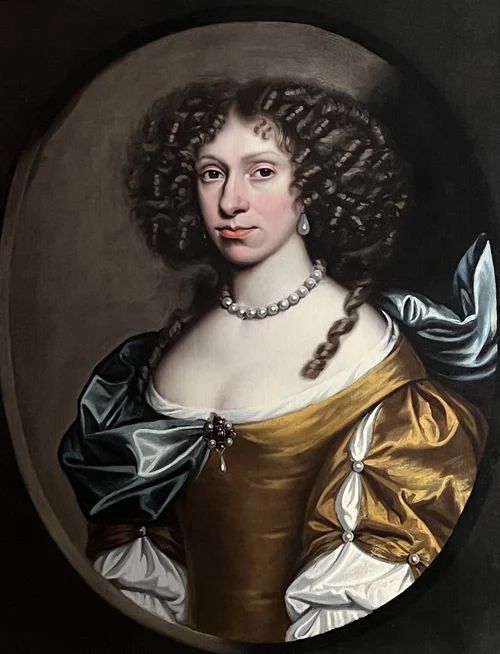
When you search for antique wall artwork, you encounter a varied selection of historical paintings, miniature portraits, and framed prints. The pieces on this page span the eighteenth century, the Victorian and Edwardian eras, up to the mid-twentieth century.
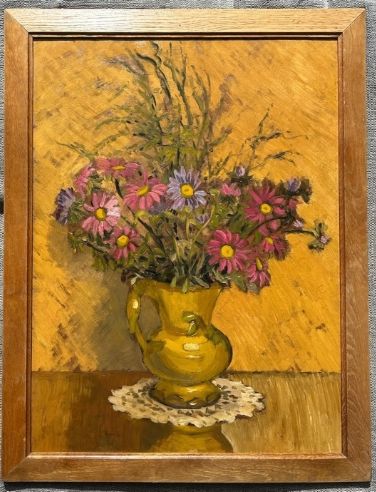
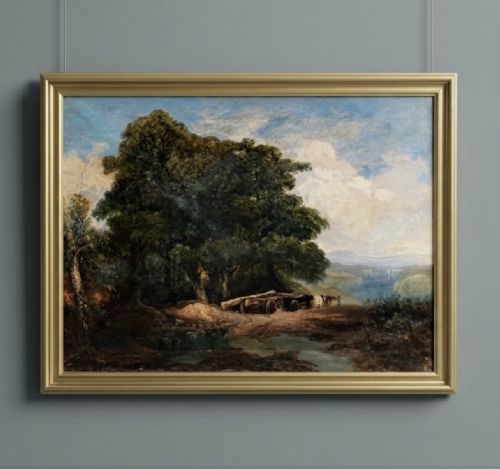
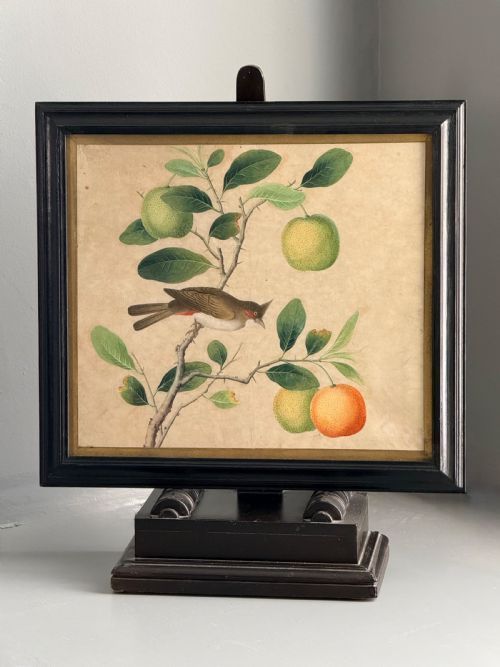
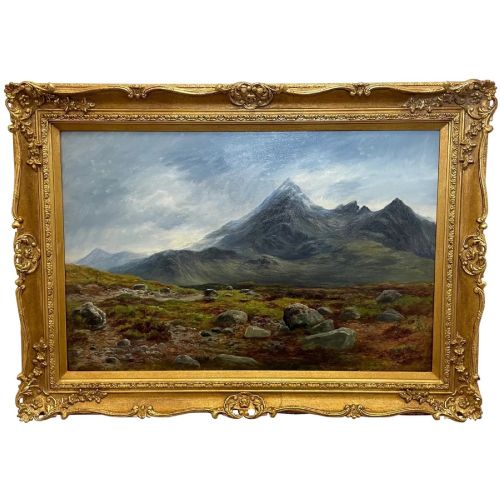
You are most likely to meet framed oil paintings on panel and canvas, alongside delicate pastel and gouache portraits and watercolour landscapes. Subjects range from romantic scenes with dogs to British landscapes and detailed miniature portraits.
Materials and techniques
Makers utilised traditional mediums including oil on canvas, oil on panel, pastel, gouache, and watercolour on paper, alongside ivory for miniature works. Canvases and panels carry the applied paint layers, while paper supports water-based pigments.
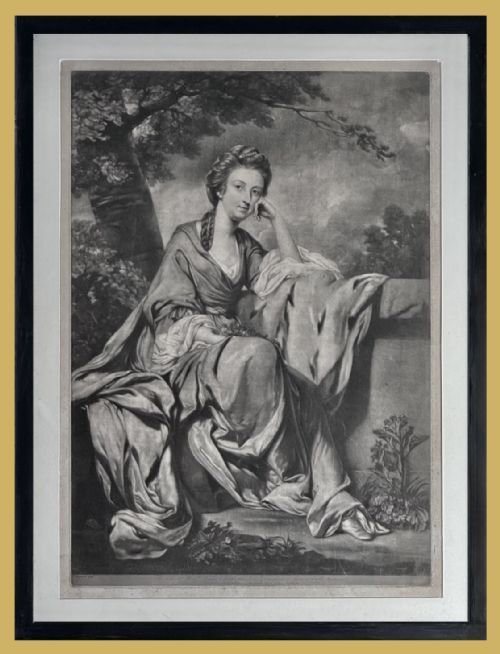
Frames employ wood, ebonised wood, and gold leaf, frequently incorporating glass to protect the delicate surfaces of paper and miniature portraits. Gilt frames and Hogarth frames enclose the works, providing structural support and decorative borders.
Retail Price Guide 2026
Typical UK retail prices for wall artwork, calculated from the Sellingantiques database of over a million retail prices indexed since 2003. This retail price guide relies exclusively on Sellingantiques data; no external sources or auction records are used, so the figures do not describe the wider market.
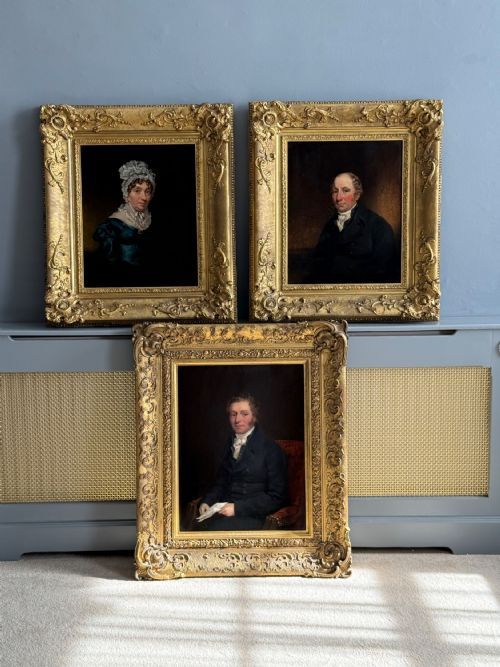
Several portraits preserve the solemn gazes of nineteenth-century subjects accompanied faithfully by their loyal dogs.
What distinguishes finer pieces
Quality rests upon the skill of the hand in capturing likeness and atmosphere, distinguishing masterly brushwork from rigid execution. Signed works and attributions to known artists elevate the standing of a piece within its period.
The harmony between the artwork and its original frame dictates the integrity of the object. Period framing using gold leaf or ebonised wood enhances the visual depth of the painting or print it surrounds.
J.A.Grant·Maud Raphael Jones·J Laporte·Rudolph Lehmann
The Antique Wall Artwork Glossary
- Miniature portrait
- A small, highly detailed painting, often executed on ivory or paper during the Georgian or Victorian periods. These intimate works frequently depict specific historical figures or family members.
- Gouache
- An opaque water-based paint medium that allows for flat, vibrant areas of colour and precise detail work. It appears frequently alongside pastel in portraiture.
- Ebonised wood
- Timber treated to resemble expensive ebony, commonly utilised for dark, contrasting picture frames during the nineteenth century. This finish provides a stark, elegant border.
- Hogarth frame
- A specific style of wooden picture frame characterised by its stepped or moulded profile, often finished with a dark or gilded surface. These frames complement portraits from the Georgian and later eras.
- Oil on panel
- A painting executed on a rigid wooden board rather than a flexible canvas. This stable support was favoured for smaller landscape and portrait works.
Frequently Asked Questions
What periods do these pieces cover?
The selection spans from the eighteenth century through the Georgian, Victorian, and Edwardian eras, extending into the mid-twentieth century.
Each period brings distinct framing choices and subject matters, from classical watercolours to twentieth-century portraits.
How were miniature portraits displayed?
Miniature portraits were typically hung in small groupings or kept as intimate personal mementoes, enclosed in protective wooden or gilt frames.
Their small scale allowed them to be viewed closely, highlighting the intricate brushwork of the artist.
What framing materials are common?
Frames frequently utilise wood, ebonised wood, and gold leaf, often incorporating glass to shield paper and pastel works from dust and moisture.
The choice of frame often reflects the period of the artwork, adding to its overall historical integrity.
How do I identify a Georgian landscape?
Georgian landscapes often feature delicate watercolour or oil techniques on paper or panel, focusing on natural scenery with figures by lakes.
Attributions to period artists like J Laporte help confirm the eighteenth-century origin of the work.