




Vintage Portrait Painting
A vintage portrait painting captures character and history on canvas, paper or board.
Vintage Portrait Painting
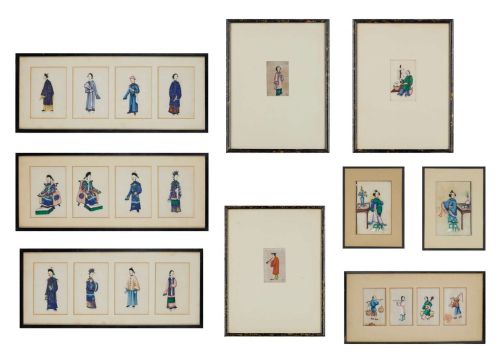
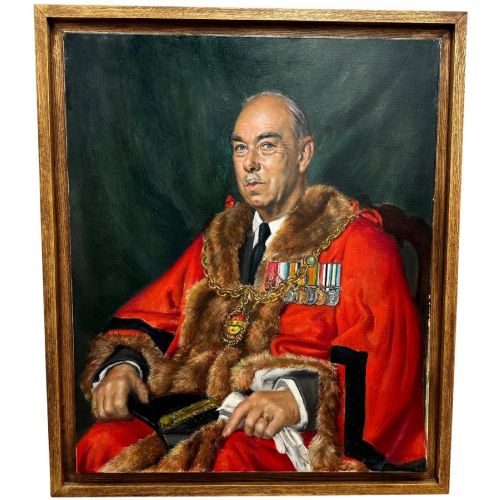
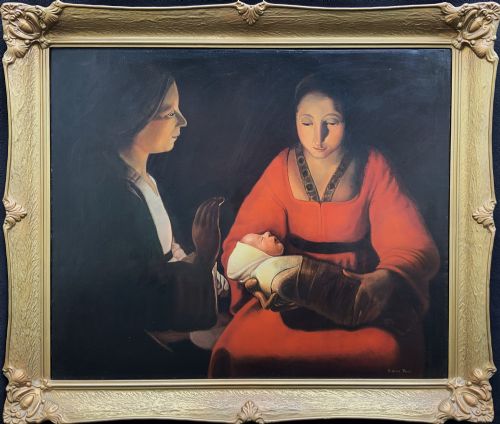
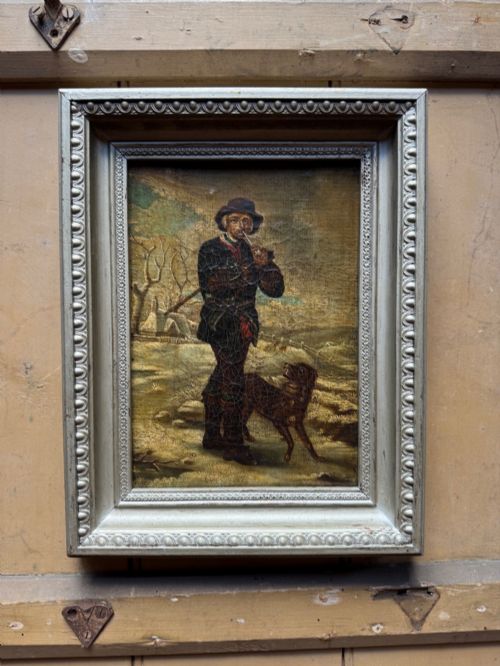
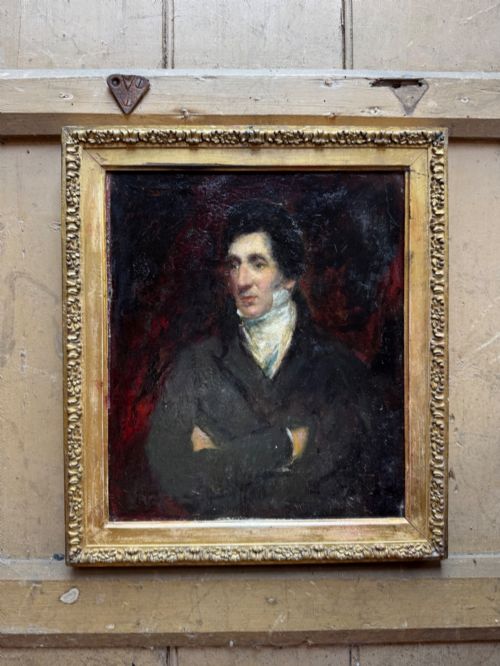
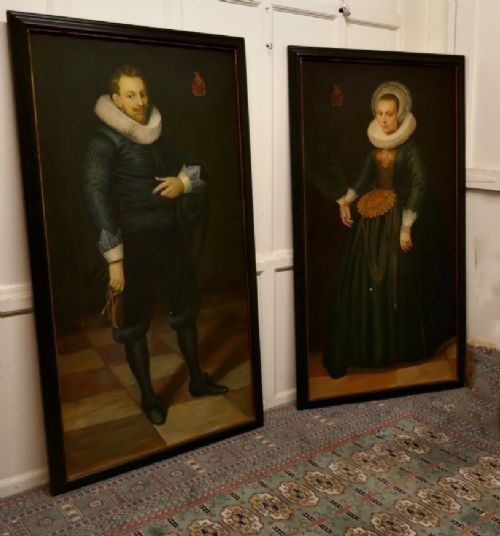
A vintage portrait painting brings historical presence and individual character into a room through likenesses captured on canvas, wood, board or paper. When searching for a vintage portrait painting, buyers encounter works spanning from the eighteenth and nineteenth centuries through the Art Deco and mid-century periods. The subjects range from formal depictions of noblewomen and mayors to informal studies of children, animals and anonymous sitters.
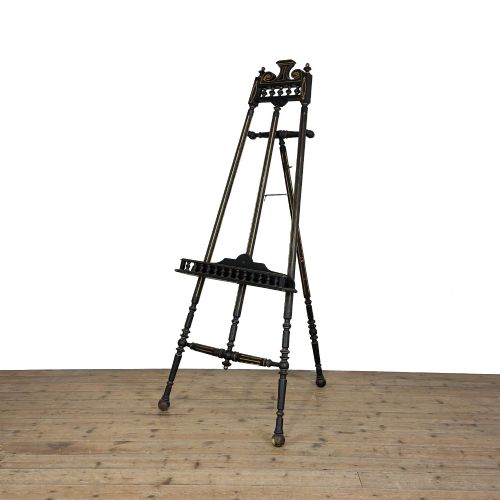
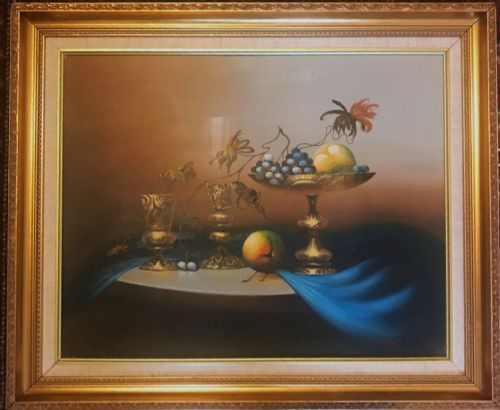
The selection includes British and European schools, spanning Victorian realism, Edwardian works, and mid-century modern pieces. Canvases and panels often arrive framed in period mouldings, including gilt wood and ebonised surrounds, or housed in floor-standing easels. Buyers frequently find both signed works by known artists and naive or school pieces originating from various European and British traditions.
Materials and technique
Artists painted primarily using oil on canvas, board or vinyl canvas, applying rich pigments that retain their depth across centuries. Others utilised watercolour and pastel on paper, building delicate tones and soft textures that require glass protection. Supporting structures include wooden stretcher frames, gesso grounds and elaborate gilt wood frames.
Execution methods vary from academic oil painting techniques seen in nineteenth-century realism to rapid watercolour sketches and pastel portrait studies. Preparatory priming layers of gesso on wood or canvas provided a stable ground for brushwork, while pastel works often relied on textured paper to hold loose pigment particles.
Vintage Portrait Painting Retail Price Guide 2026
Typical asking prices for vintage portrait painting among the pieces listed under this phrase on Sellingantiques today, from the lower quarter to the upper quarter. They describe what is for sale here now, not the wider market.
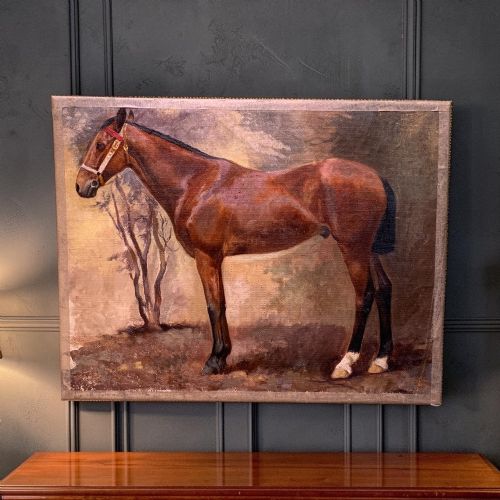
A distinguished grey shire horse once posed patiently for its portrait alongside ploughing farmers.
Judging quality
Quality rests in the draughtsmanship, the handling of light and shadow, and the psychological depth the artist achieves in the sitter's expression. Superior examples demonstrate confident brushwork and anatomical accuracy, whereas lesser works may appear stiff or formulaic in composition.
The integrity of the original medium and the survival of the surface without excessive overpainting dictate the longevity and visual appeal of the piece. Period framing, such as swept gilt wood or ebonised surrounds, contributes to the overall coherence and historical value of the artwork.
Jozsef Molnar·Bernard Hailstone·John Hassall·Kenneth Cozens·Philip Naviasky·Robert Panitzsch
The Vintage Portrait Painting Glossary
- Canvas
- A heavy woven fabric stretched across a wooden frame to serve as a painting surface. It provides the tensile strength required for large oil paintings.
- Gesso
- A plaster-like mixture applied to wood or canvas to create a smooth, absorbent base for oil paint. This preparation seals the support and enhances luminosity.
- Pastel
- A medium consisting of powdered pigment combined with a binder, applied as dry sticks to paper. It yields velvety textures and delicate colour blending.
- Ebonised
- Wood treated with a chemical or stain to imitate ebony. This dark, polished finish was popular during the Victorian period.
- Naïve school
- Art produced by self-taught painters lacking formal academic training. These works are characterised by flat perspective and direct observation.
Vintage Portrait Painting: Frequently Asked Questions
How do I date a portrait painting?
Dating relies on stylistic clues, sitters' clothing, hairstyles, and framing materials. Signatures, dates inscribed on the reverse, and stretcher construction also offer chronological markers.
Comparison with documented works by known schools or regional artists helps narrow the period of creation further.
What is the difference between oil and pastel portraits?
Oil portraits utilise suspended pigments in drying oils on canvas or board, creating a durable, glossy or semi-matte surface that tolerates cleaning. Pastel works use dry pigment sticks on paper, offering soft, matte tones.
Pastel pieces require glazing under glass to protect the delicate, unsealed powder from smudging and environmental damage.
How should I hang and light vintage portraits?
Portraits require stable wall space away from direct sunlight and damp conditions to prevent canvas warping or pigment fading. Picture lights or warm directional spotlights highlight the brushwork without generating excess heat.
Ensure wall fixings match the weight of the frame, particularly for large gilt wood or ebonised pieces.
What does British School mean in a listing?
The term denotes an artist working within the British tradition whose specific identity is unrecorded or lost. It encompasses regional painters, academy students, and professional portraitists of a given era.
Such attributions reflect stylistic similarities to documented British art of the period rather than a formal institution.