


20th Century Fine Art
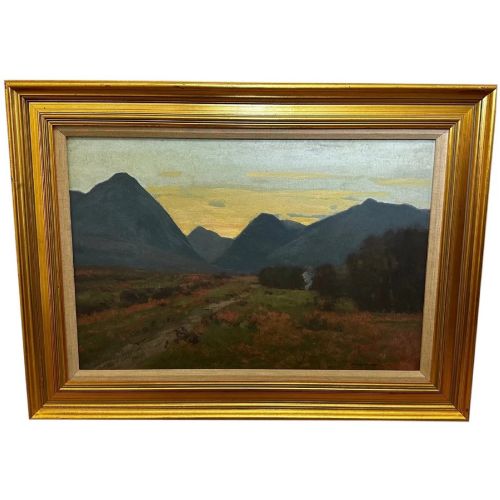
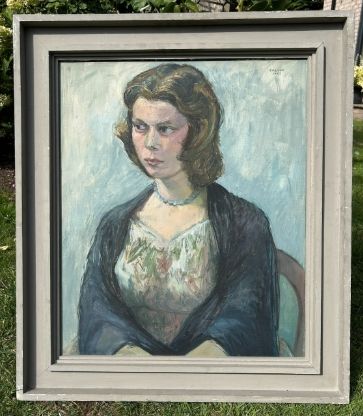
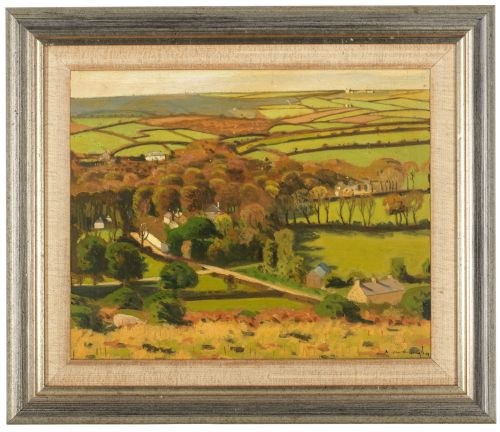
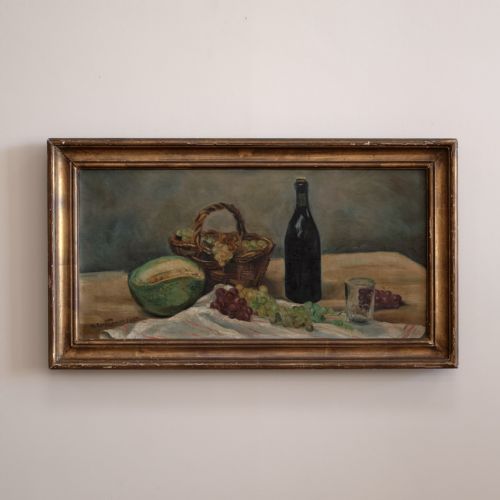
These pieces of 20th century fine art bring tangible character to a room through original canvases, watercolours, and sculpture.
20th Century Fine Art
When searching for 20th century fine art, buyers encounter a diverse range of original paintings, portraiture, landscapes, and sculpture produced across various decades. The selection spans distinct movements such as Modern British, Post-Impressionism, and Arts & Crafts, alongside traditional cabinetwork in oak and rosewood.
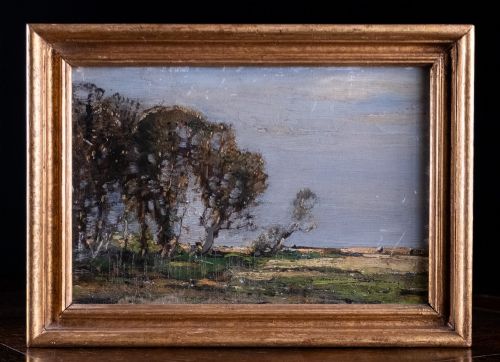
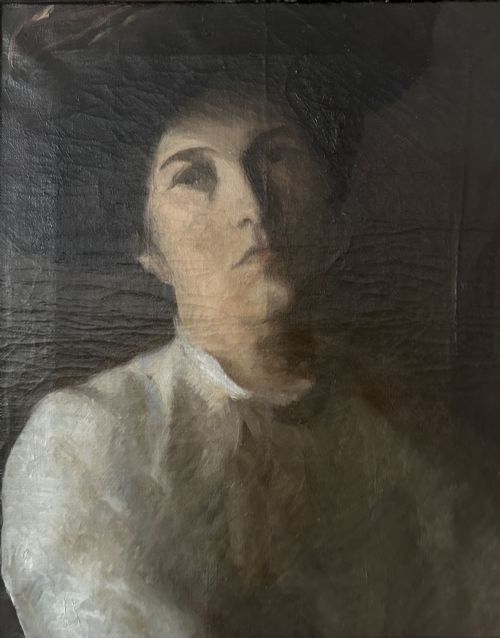
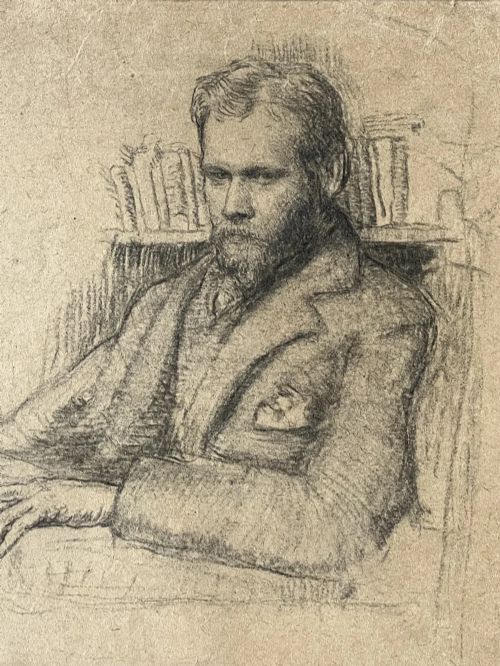
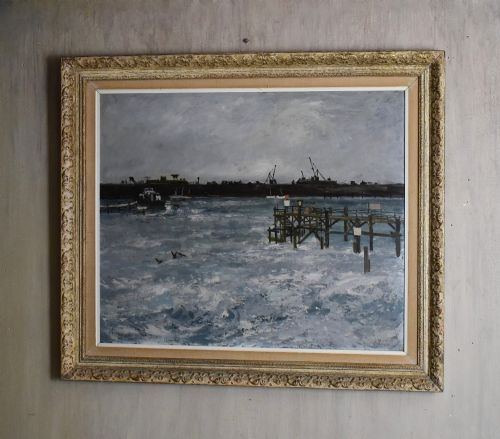
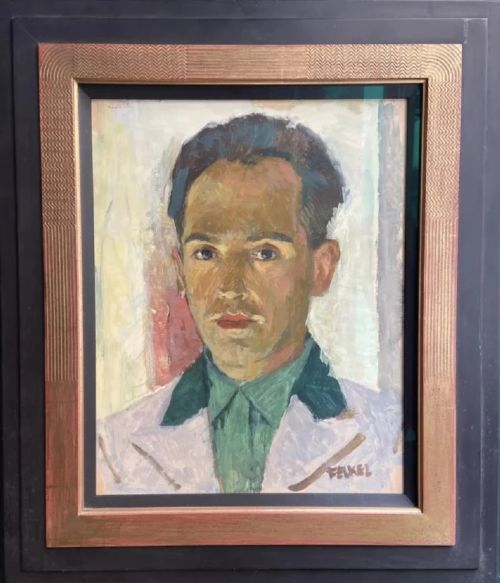
Oil paintings on canvas and wood panel appear frequently alongside works on paper and watercolour. Pieces range from intimate self-portraits and coastal scenes to large historical portraiture by named artists.
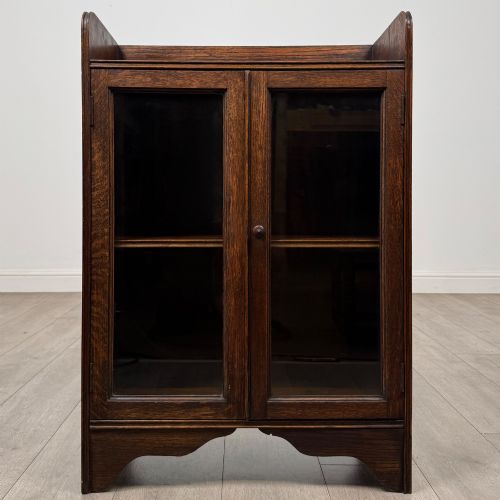
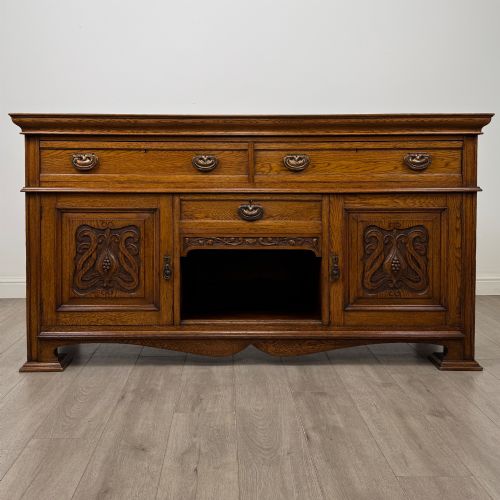
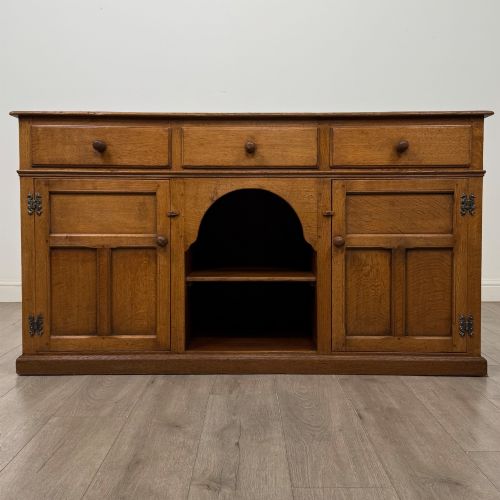
Furniture forms also emerge within this category, notably oak sideboards, display cabinets, and nests of tables reflecting Edwardian and Art Nouveau design. These decorative objects share space with framed artwork and wall art created throughout the hundred-year span.
Materials and methods
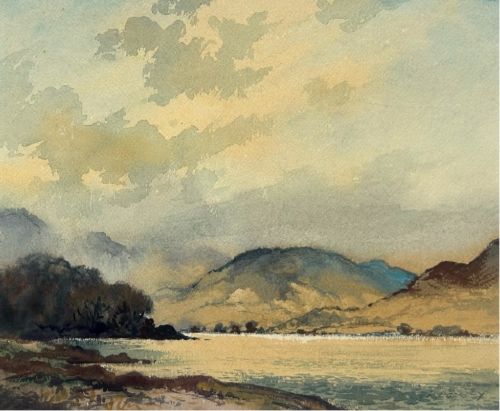
Makers utilised oil paint on stretched canvas, wood panel, and board to build textured compositions and rich colour palettes. Watercolours on paper capture lighter, more translucent atmospheric effects in landscapes and studies.
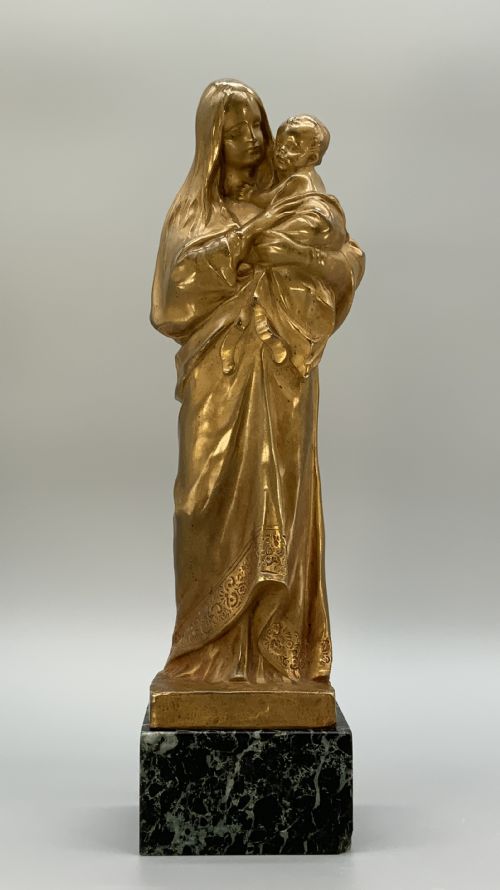
Sculptural works incorporate gilt bronze, while furniture pieces employ solid oak, golden oak, and rosewood. Joinery techniques and delicate marquetry define the construction of cabinets, sideboards, and tables.
20th Century Fine Art Retail Price Guide 2026
Typical asking prices for 20th century fine art among the pieces listed under this phrase on Sellingantiques today, from the lower quarter to the upper quarter. They describe what is for sale here now, not the wider market.
Listings feature works spanning the 19th century through the 1960s, executed in oil, watercolour, and pencil on canvas, board, and paper.
Distinctions in quality
The degree of artistic execution and handling of medium separates works, visible in brushwork confidence, compositional balance, and tonal depth. Named makers and documented provenance elevate the standing of a canvas or sculpture.
In furniture, timber selection and structural integrity define the standard, seen in the choice of golden oak or rosewood and the precision of Arts & Crafts or Art Nouveau detailing.
George Graham·Tom Campbell·Kershaw Schofield·George Houston·Kenneth Cozens·Robert Morson Hughes·Augustus John·Peter Brannan·Hans Müller·Carl Felkel·James Stroudley·Oilver Messel·Gladys Marguerite Baker·Thomas Maidment·Harold Knight·Charles James McCall·Umberto Volpato·Valdemar Magaard·Percy Lancaster·Philip Naviasky·Émile Gallé·Lilian Colbourn·Ronald Ossory Dunlop·Laura Knight·Victor Simonin
The 20th Century Fine Art Glossary
- Oil on Canvas
- Pigment mixed with drying oil applied to a woven fabric support stretched across a wooden frame. This medium allows for rich blending and textured impasto application.
- Watercolour
- A paint consisting of water-soluble pigments used on paper supports. Artists utilise this method for fluid washes and luminous transparency.
- Wood Panel
- A rigid wooden support used by artists instead of canvas. It provides a stable surface that accepts fine brushwork and detailed application.
- Gilt Bronze
- Metal cast in bronze and treated with a thin layer of gold leaf or powder. This technique adds decorative lustre to sculptural figures.
- Arts & Crafts
- A design movement valuing traditional craftsmanship and simple forms. Makers utilised natural materials like solid oak without excessive ornamentation.
20th Century Fine Art: Frequently Asked Questions
How do I identify a 20th century oil painting?
Examine the support material, stretcher bars, and framing methods to gather clues about the age of the canvas or board. Pigment analysis and artist signatures often provide further verification of the period.
Look for characteristic stylistic markers associated with movements like Modern British or Post-Impressionism. Conservation marks or exhibition labels on the reverse also help establish provenance.
Where should I hang fine art paintings?
Select walls with stable ambient conditions away from direct sunlight and damp environments to protect oil paint and paper. Proper placement ensures the canvas receives even, indirect illumination.
Consider the scale of the room and surrounding furniture pieces, such as sideboards or display cabinets, to maintain visual balance. Hang works at eye level for optimal viewing appreciation.
What is the difference between oil and watercolour?
Oil paint utilises a slow-drying oil binder that allows artists to rework surfaces, blend tones, and build thick textured layers. Watercolours rely on water-soluble binders on paper, creating translucent and immediate effects.
Oils typically require canvas or wood panel supports and framing without glass. Watercolours need protective glass framing to prevent moisture and atmospheric damage to the paper.
How do I care for antique furniture and art?
Keep wooden surfaces clean using a soft cloth and avoid chemical polishes that strip traditional finishes. Maintain consistent indoor temperatures to prevent wood from splitting or paint from cracking.
Inspect hanging wires and frame joints periodically to ensure secure wall mounting. Keep delicate watercolours and paper works out of bright sunlight to prevent fading.