


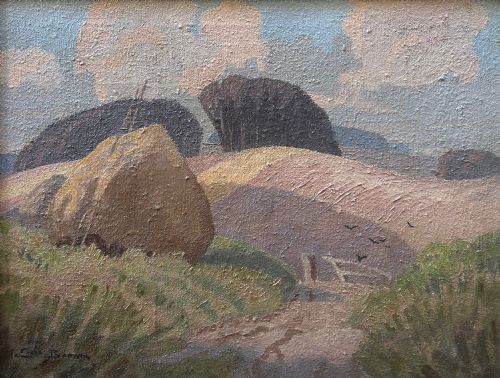

Impasto Oil Painting
An impasto oil painting brings texture and depth to a room through thick, tactile layers of pigment applied with a brush or palette knife.
Impasto Oil Painting
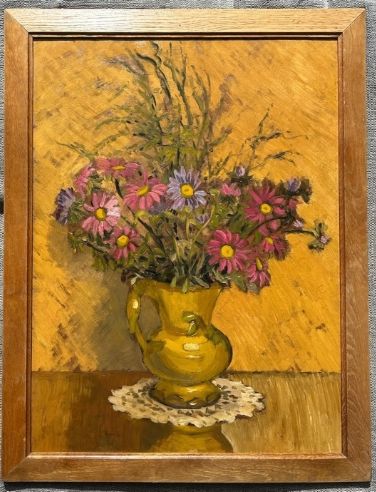
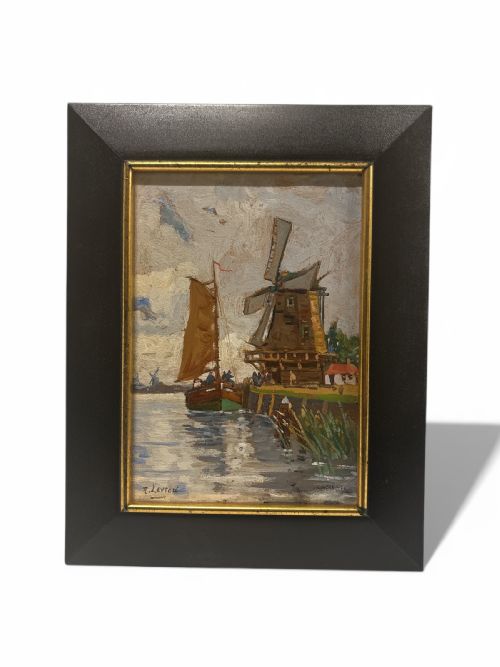
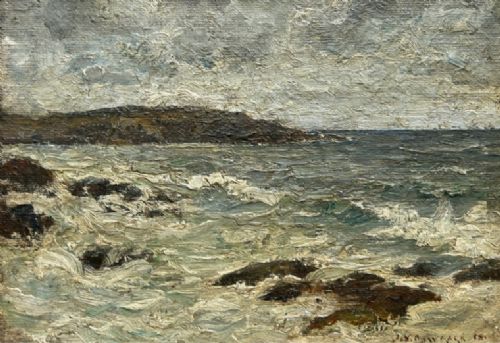
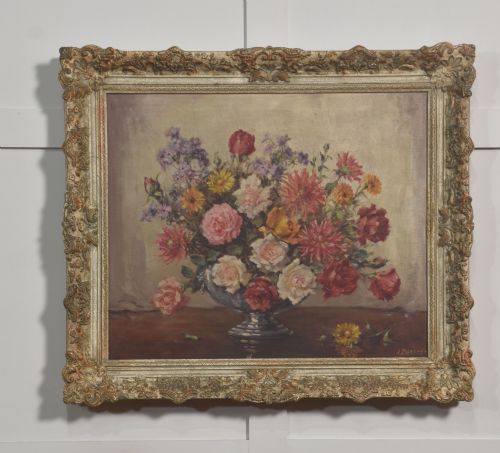
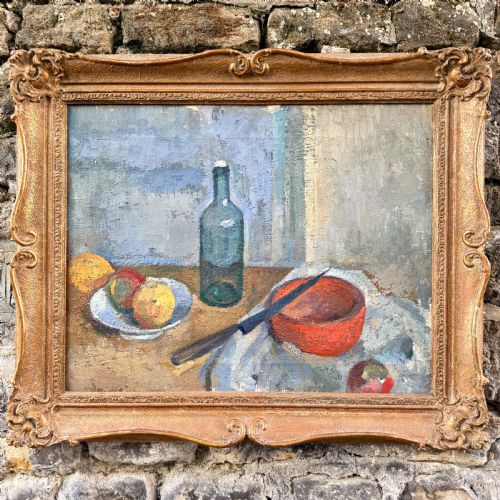
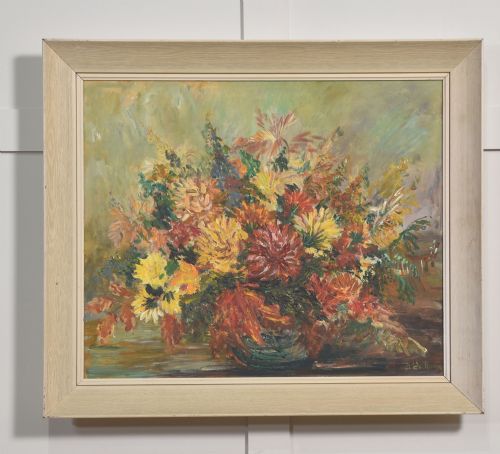
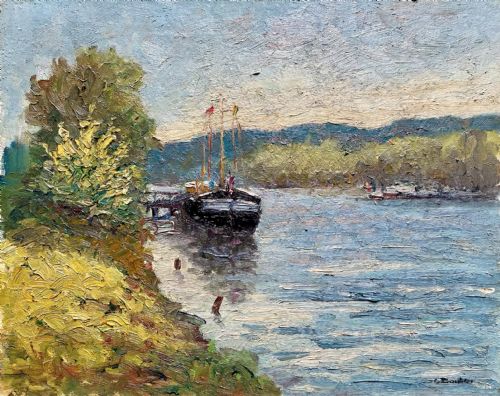
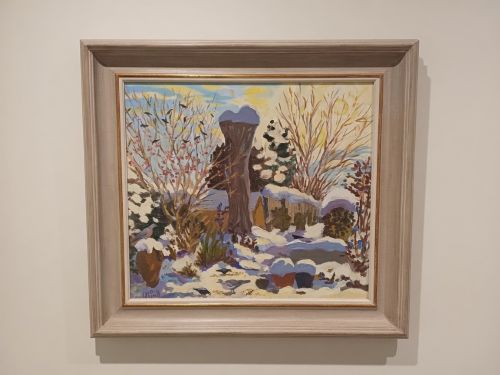
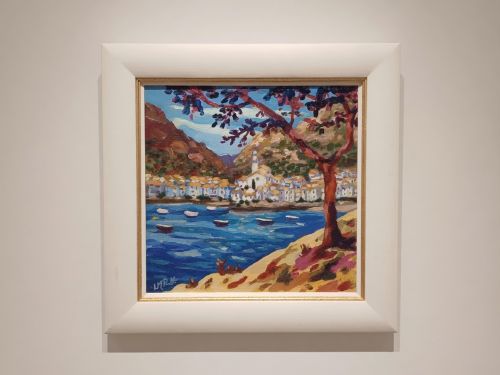
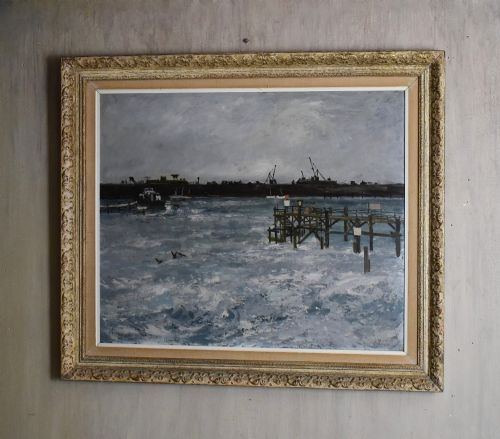
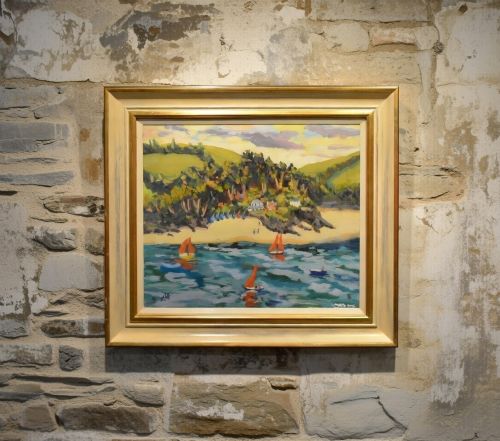
When searching for an impasto oil painting, buyers encounter works defined by heavy, raised pigment that stands proud of the support. These tactile artworks capture light across their physical ridges, creating a sculptural quality distinct from flat applications of colour.
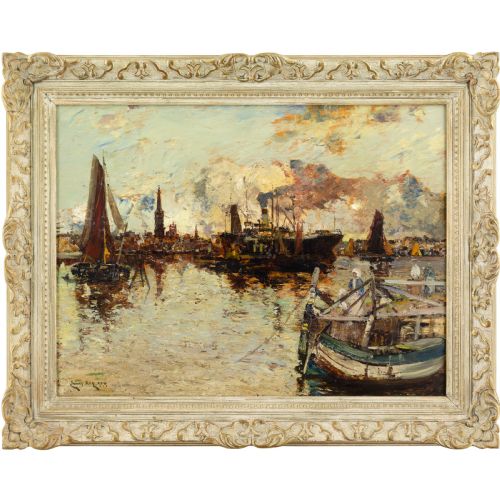
The selections available range from early twentieth-century coastal scenes and floral still lifes to mid-century British and French landscapes. Mid-century impressionist and post-impressionist examples appear frequently alongside coastal harbours, townscapes, and maritime views.
Canvases and wooden boards serve as the primary foundations for these works, often housed within period wooden or gilt frames. Dating predominantly from the nineteenth century through to the mid-twentieth century and beyond, the pieces reflect diverse regional schools from Britain and France.
How they were made
Artists built these compositions using oil paint applied thickly onto stretched canvas or rigid wooden boards. The slow-drying nature of oil allowed makers to work the medium extensively while wet.
Makers utilised stiff hog-bristle brushes and metal palette knives to lay down substantial ridges of pigment. This technique preserved the physical gesture of the hand, leaving permanent knife facets and brush strokes across the surface.
Impasto Oil Painting Retail Price Guide 2026
Typical asking prices for impasto oil painting among the pieces listed under this phrase on Sellingantiques today, from the lower quarter to the upper quarter. They describe what is for sale here now, not the wider market.
Materials recorded across the selection include oil paint, canvas, wood, board, and gilt frames.
What varies in quality
The success of an impasto oil painting rests on the harmony between heavy texture and compositional clarity. Stronger examples use raised pigment purposefully to catch the light and define form, rather than applying thickness merely for its own sake.
The confidence of the handling distinguishes finer works from routine pieces. Expressive brushwork and assured palette knife passages demonstrate a maker's complete control over the viscous medium.
Kenneth Cozens·Donald McIntyre·Lilian Colbourn·James Kay·Peter Brannan·Lucy Pratt
The Impasto Oil Painting Glossary
- Impasto
- Paint applied thickly to a canvas or board so that it stands out from the surface. This technique allows the physical marks of the brush or palette knife to remain visible.
- Post-Impressionism
- An art movement developing roughly from the late nineteenth century onwards that extended impressionism while rejecting its limitations. Practitioners focused on symbolic content and heavier pictorial structure.
- Support
- The physical foundation upon which the oil paint is applied. Common examples include stretched canvas and rigid wooden boards.
- Gilt frame
- A decorative border coated with gold leaf or metallic paint. These surrounds frequently accompany traditional landscape and marine paintings from the nineteenth and twentieth centuries.
- Palette knife
- A blunt-bladed instrument traditionally used for mixing pigments on a palette. Artists also employ it to apply thick, flat planes of paint directly to the canvas.
Impasto Oil Painting: Frequently Asked Questions
How do I clean an impasto oil painting?
Dust accumulates easily on raised ridges of thick paint. Professional conservators should handle any chemical cleaning or restoration work.
Light surface dust can be removed gently with a very soft, dry artist brush. Avoid using damp cloths or household cleaners on textured oil surfaces.
What periods do these paintings come from?
The available works span from the nineteenth century through the early, mid, and late twentieth century. Mid-century modernist and impressionist pieces from the nineteen-fifties and sixties appear regularly.
Earlier examples from the nineteen-tens, twenties, and thirties also feature alongside nineteenth-century coastal and harbour scenes.
Are these paintings supplied with frames?
Many works retain their original or period frames, including wooden and gilt mouldings that complement the era of creation. Specific listings detail whether a piece includes its vintage surround.
Frames often reflect the geographic origin of the artwork, such as French Montparnasse settings or traditional British wooden moulding.
What subjects are most common?
Landscapes, coastal views, and maritime scenes dominate the available subjects. Rural vistas, townscapes, and flower still lifes also appear frequently.
Artists frequently recorded harbours, sailing vessels, river banks, and urban street scenes using expressive oil techniques.