

Framed Architectural Wall Art
Framed architectural wall art brings historic structures and urban scenes to interiors through prints, drawings, and paintings.
What framed architectural wall art is
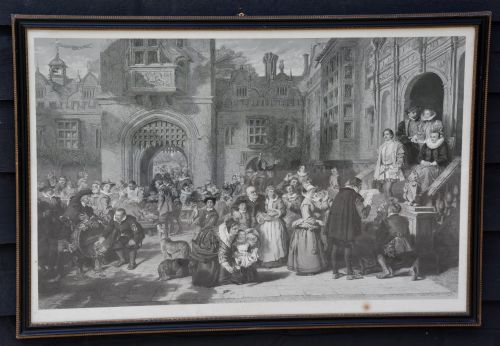
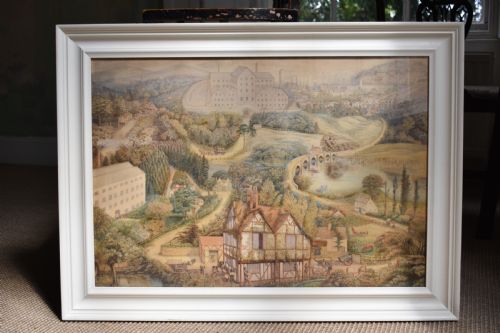
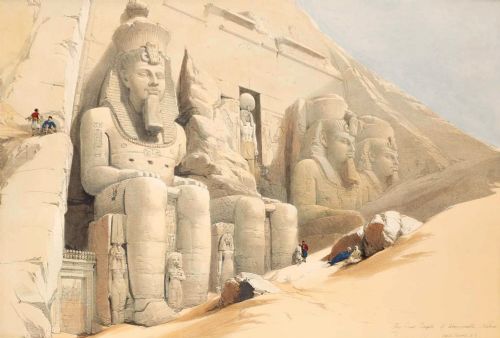
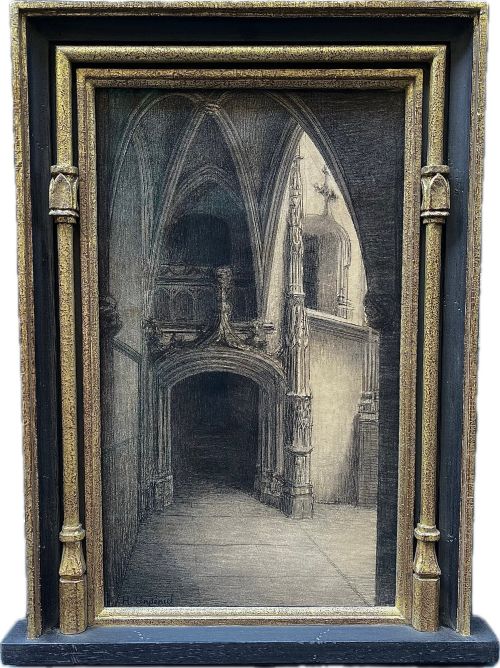
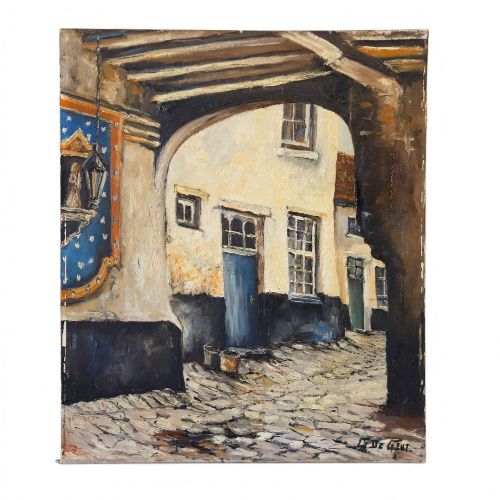
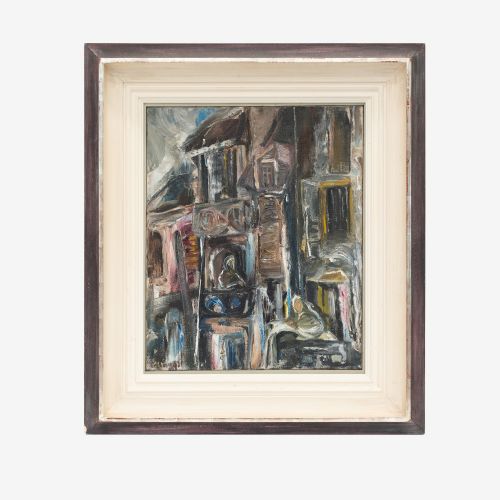
Framed architectural wall art encompasses works depicting buildings, temples, and cityscapes across various centuries. When searching for framed architectural wall art, buyers encounter items ranging from early engravings to mid-century oil paintings.
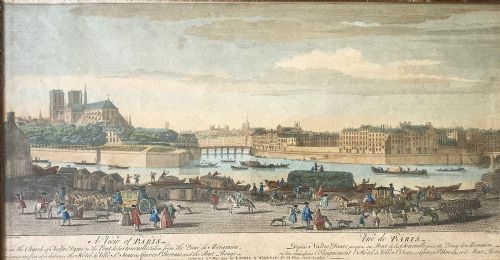
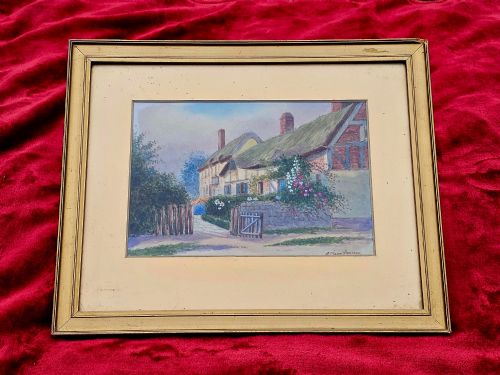
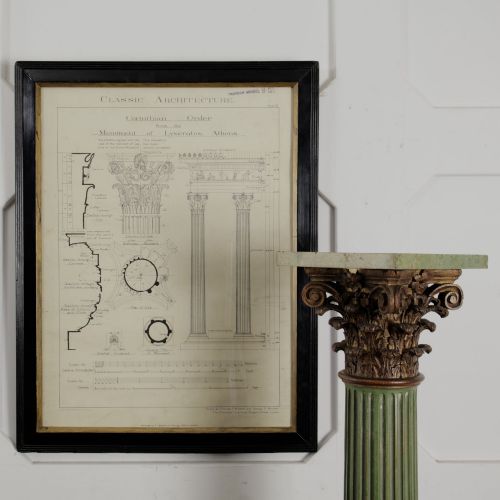
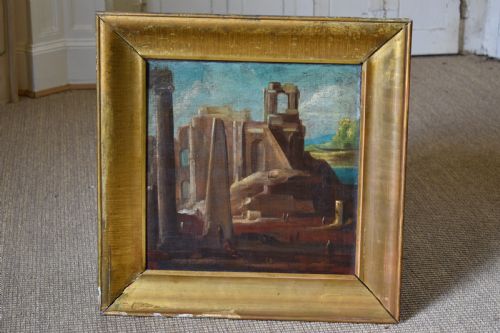
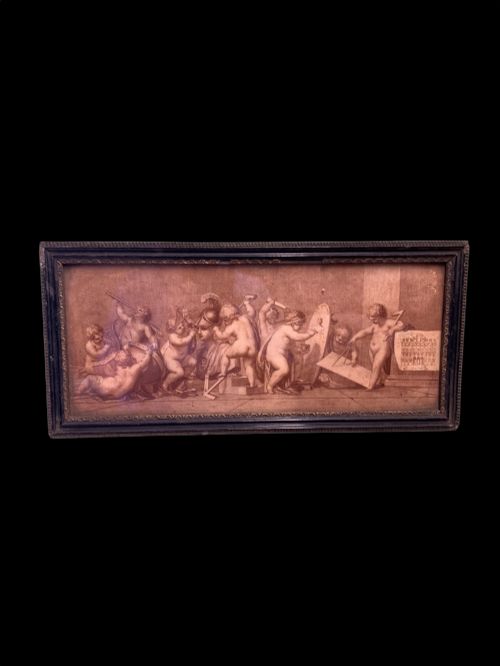
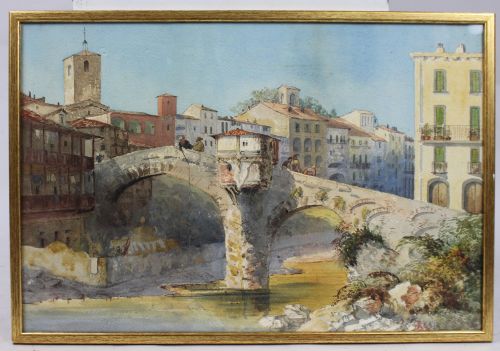
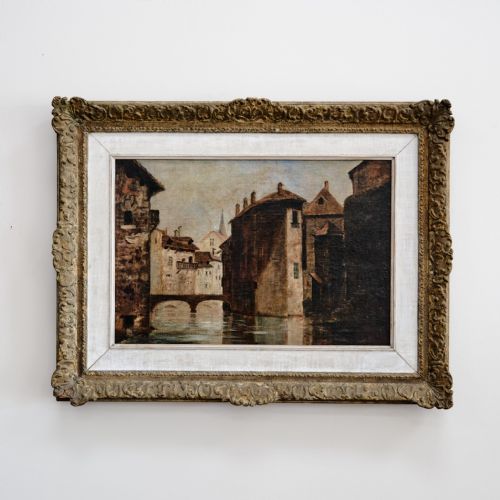
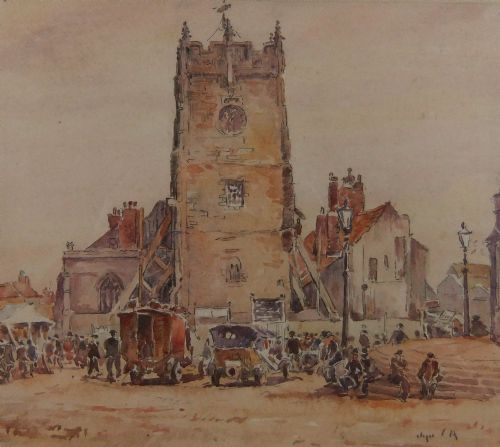
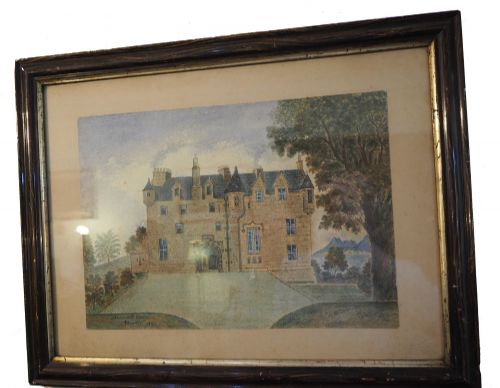
The selection includes eighteenth-century engravings of classical temples alongside twentieth-century watercolours of continental buildings. Pieces also feature Impressionist cityscapes and local black and white etchings.
Materials and construction
Works utilise traditional mediums including oil paint on canvas, pencil, and watercolour on paper. Engravings and etchings capture fine structural details through printed lines.
Framing utilises wood and gilded wood surrounds to house and protect the paper and canvas works. These frames complete the presentation of the wall art.
Retail Price Guide 2026
Typical UK retail prices for framed architectural wall art, calculated from the Sellingantiques database of over a million retail prices indexed since 2003. This retail price guide relies exclusively on Sellingantiques data; no external sources or auction records are used, so the figures do not describe the wider market.
Temples of antiquity share wall space here with quiet Hereford courtyards and bustling city streets.
Assessing quality
Quality rests in the precision of the draughtsmanship and the handling of the chosen medium. Finer works demonstrate careful attention to perspective and architectural detail.
The execution of the painted or drawn surface distinguishes standard decorative items from accomplished fine art pieces. Material preservation of both the artwork and its wooden frame also shapes the overall standard.
The Framed Architectural Wall Art Glossary
- Engraving
- A printmaking technique where an image is incised into a metal plate, producing fine lines that capture intricate architectural details. Eighteenth-century examples often record classical structures.
- Etching
- A process using acid to cut into the unprotected parts of a metal surface to create a design in intaglio. Black and white editions frequently depict historic country houses and local landmarks.
- Impressionism
- A nineteenth-century art movement characterised by relatively small, thin, yet visible brush strokes and open composition. Cityscape works in this style focus on light and urban atmosphere.
- Neoclassical
- A style inspired by the classical art and culture of ancient Greece and Rome. Architectural subjects from this tradition emphasise symmetry and classical orders.
Frequently Asked Questions
What periods do these pieces span?
The listings include works from the eighteenth century, the Victorian era, and the twentieth century. This covers various historical print and painting traditions.
Each period brings distinct artistic techniques and subject matter to the selection.
What materials are used in these works?
Artworks incorporate paper, canvas, oil paint, watercolour, and pencil. Frames are constructed from wood and gilded wood.
These traditional materials support both delicate drawings and robust oil paintings.
How do I choose a piece for my room?
Consider the scale of the wall space and the existing interior decor style. Engravings offer detailed monochromatic study, while oil paintings introduce rich colour.
Matching the frame finish to surrounding furniture helps integrate the artwork into the space.
Are the frames original to the art?
Frames vary between period originals and later mountings chosen to complement the artwork. Gilded wood and standard wood mouldings appear across the selection.
Inspecting the framing materials reveals how the piece has been preserved over time.