




Impressionist Street Scene
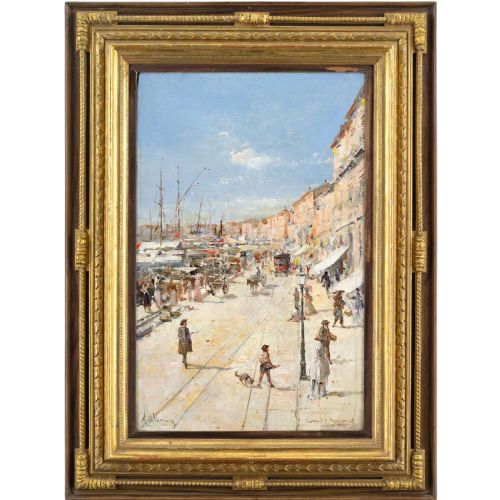
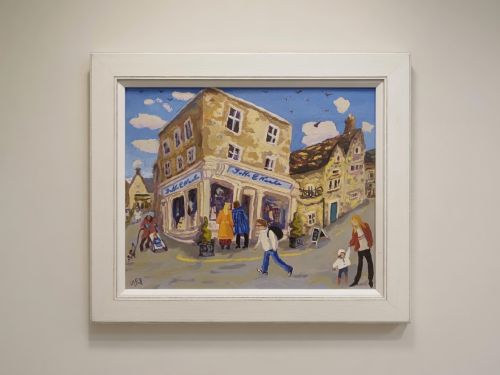
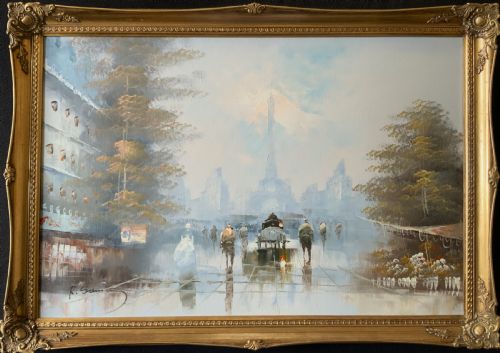
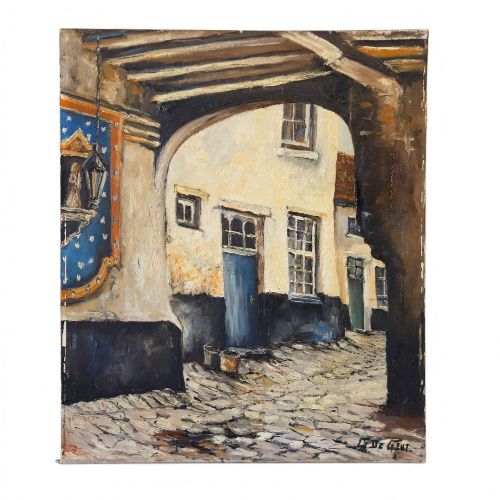
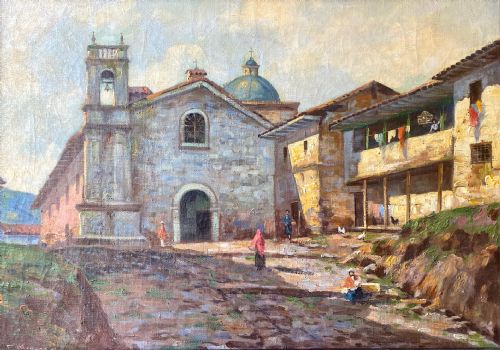
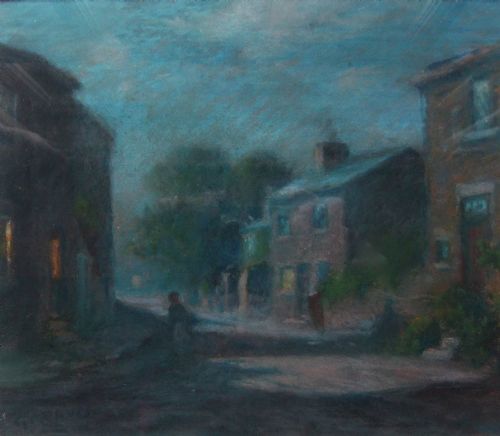
When you collect an impressionist street scene, you secure a framed glimpse of daily life captured through loose brushwork and vibrant light.
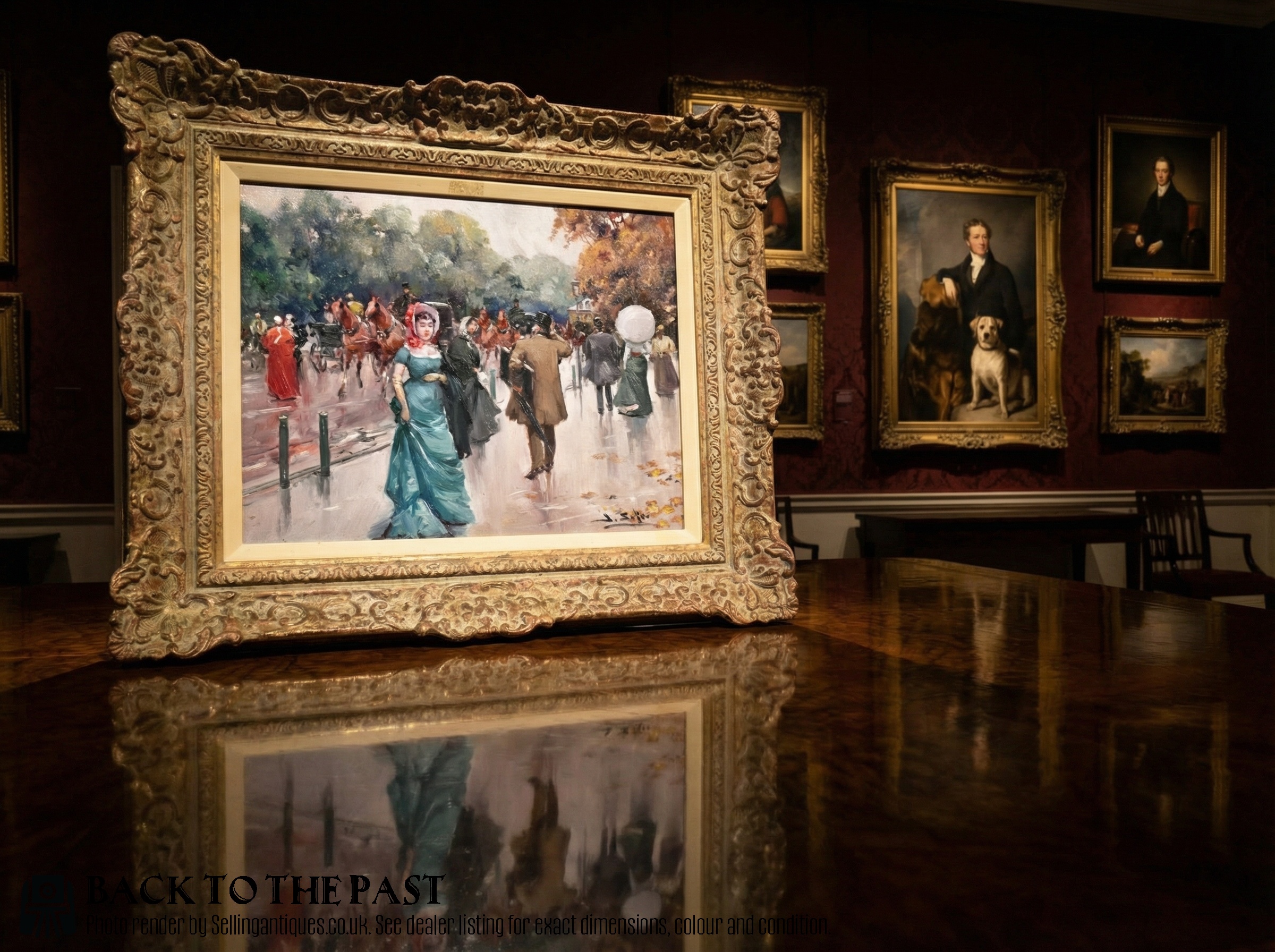
Impressionist Street Scene
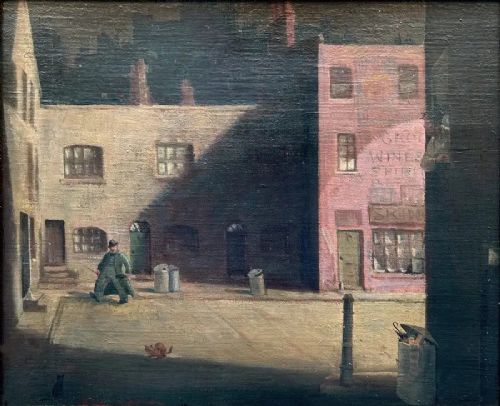
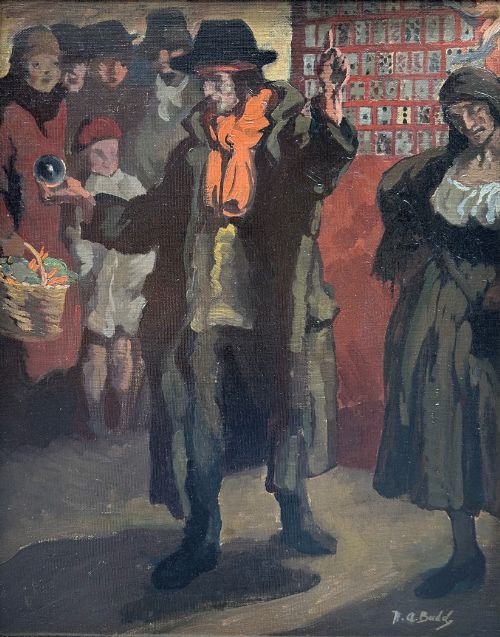
An impressionist street scene captures urban life, town squares, and bustling thoroughfares through the lens of light and movement. These works place the viewer directly into cityscapes ranging from Parisian boulevards to quiet provincial towns. Works span periods from the nineteenth century through the mid-twentieth century.
The most common formats on this page are oil paintings on canvas and board, alongside watercolours and pastels on paper. Canvases frequently arrive in vintage gilt wood frames that complement the painted atmosphere. Subjects stretch across British, French, Latin American, and wider European locations.
How They Were Made
Artists built these compositions primarily using oil paint applied to stretched canvas or wooden board, deploying rapid strokes to capture shifting daylight. Watercolours and pastels on paper offer a lighter touch, recording momentary atmospheric conditions with dry pigment or fluid washes. Gilded wood frames were selected to enclose and project the warmth of the painted surface.
Makers layered pigments directly to generate texture, rendering figures and architecture through patches of contrasting tone rather than rigid lines. This technique prioritized the feeling of a fleeting moment over meticulous architectural precision.
Impressionist Street Scene Retail Price Guide 2026
Typical asking prices for impressionist street scene among the pieces listed under this phrase on Sellingantiques today, from the lower quarter to the upper quarter. They describe what is for sale here now, not the wider market.
Several canvases capture figures ducking into doorways or huddled against cold weather, preserving centuries-old commuter annoyance in permanent pigment.
What Varies in Quality
Quality rests in the confidence of the brushwork and the artist's ability to manipulate light and shadow across the urban facade. Superior examples marshal colour harmony to suggest the hum of a crowd or the heat of a midday sun without relying on literal detail.
The integration of the frame with the painting alters the overall presence, where period gilt wood enhances the visual depth of the canvas. Weaker works tend to flatten the perspective, losing the vitality that defines the genre.
Augusto Alberici·Lucy Pratt·Francisco Sancha·Herbert Ashwin Budd·L. De Gent·Albert Ludovici Jnr·Caroline Burnett·William Greaves·Victor Gabriel Gilbert·Charles James Lauder·Merio Ameglio·Cecil R. Doyly-John·Eduard Leon Cortes·ROWLAND HENRY HILL·V. Zirakian·Donald Mcintyre·Cuthbert Crossley·Donald Wood·Paul Paul·MATTHEW HALE·Christiaan Pieter Snyders·Letitia Marion Hamilton
The Impressionist Street Scene Glossary
- Impressionism
- A nineteenth-century movement characterised by relatively small, thin, yet visible brush strokes and an emphasis on accurate depiction of light. It revolutionized how artists recorded outdoor subjects.
- Gilt Wood
- Wood that has been coated with a thin layer of gold leaf or gold paint. This material is standard for framing traditional fine art.
- Pastel
- A medium consisting of powdered pigment and a binder rolled into sticks. Artists use it on paper to achieve rich, velvety colour fields.
- Post-Impressionism
- A predominantly French art movement that developed from Impressionism. It extends Impressionism while rejecting its limitations by using vivid colours and distinct geometric forms.
- Oil on Canvas
- Pigment mixed with an oil medium applied to stretched woven fabric. This combination provides durability and allows for rich textural variation.
Impressionist Street Scene: Frequently Asked Questions
What defines an impressionist street scene?
These artworks capture outdoor urban environments using loose, energetic brushwork and a strong focus on natural light. Artists prioritize the atmosphere of a bustling boulevard or quiet square over strict realism.
Subjects typically include pedestrians, cafes, and historic architecture rendered in oils, watercolours, or pastels. The resulting images freeze a fleeting moment of daily life in European or international cities.
How should I hang these paintings?
Display these works away from direct sunlight to protect organic materials like canvas, paper, and traditional gilt wood frames. Adequate spacing allows the vibrant brushwork to command attention without visual competition from surrounding decor.
Ensure wall fixings securely support the weight of framed canvases or heavy boards. Eye-level placement generally offers the most natural viewing angle for urban perspective.
Are these works painted outdoors?
Many creators began their observations on location, recording rapid shifts in weather and pedestrian movement in small sketchbooks or panels. They often finished larger canvases within the studio using these field notes.
This hybrid method preserved the spontaneity of direct observation while allowing for greater compositional control. Watercolours and pastels were frequently executed entirely outdoors.
How do I identify the period?
Dating relies on stylistic markers, framing conventions, and the artist's active working years recorded in historical archives. Nineteenth-century examples often lean toward academic realism, while 1920 to 1960 pieces embrace bolder post-impressionist palettes.
Backings, stretcher bars, and handwritten inscriptions on canvases or boards frequently provide definitive clues to origin and date. Comparing costume details of the figures also helps narrow the timeline.