
Ornate Framed Artwork
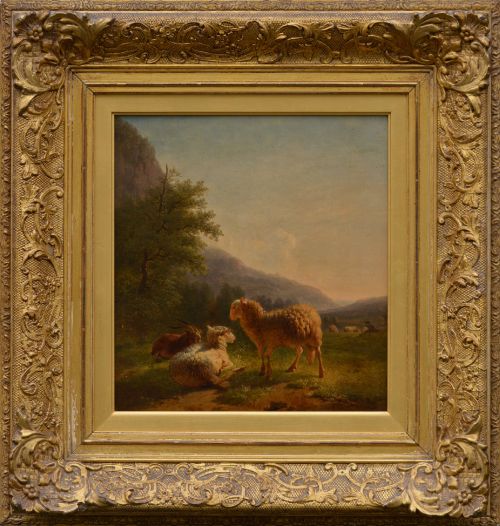
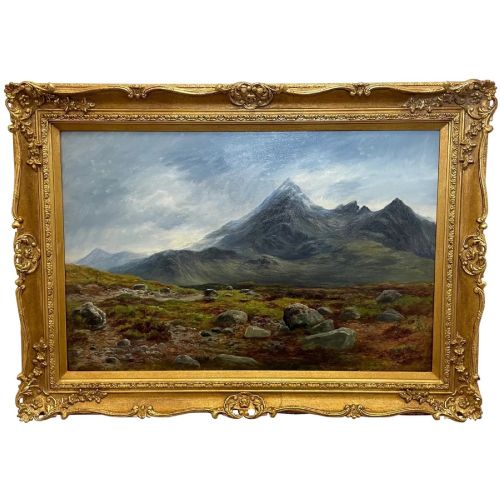
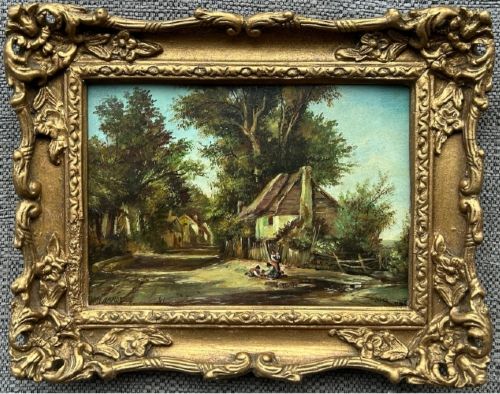
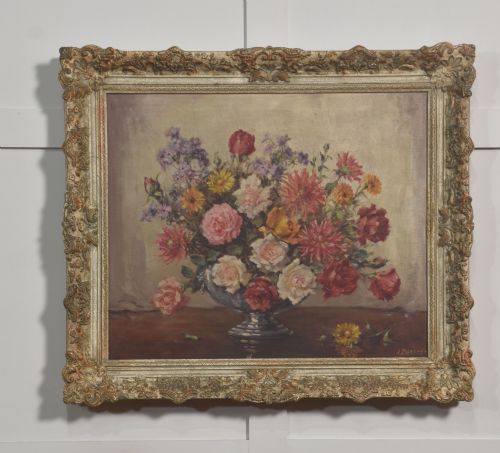
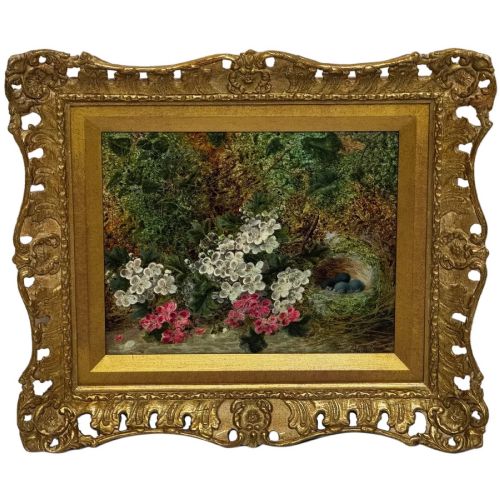
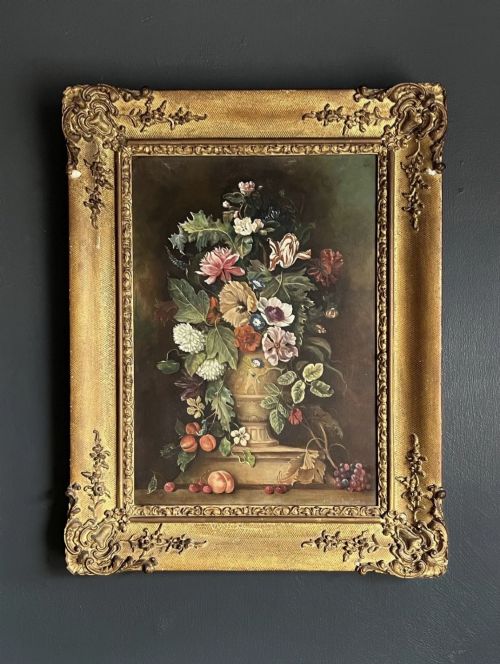
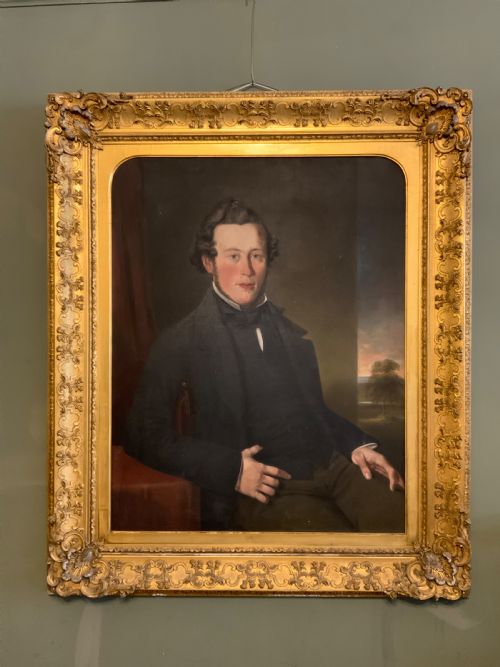
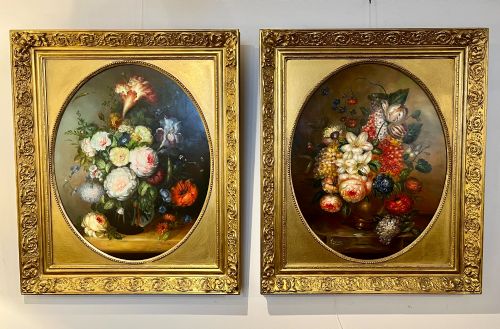
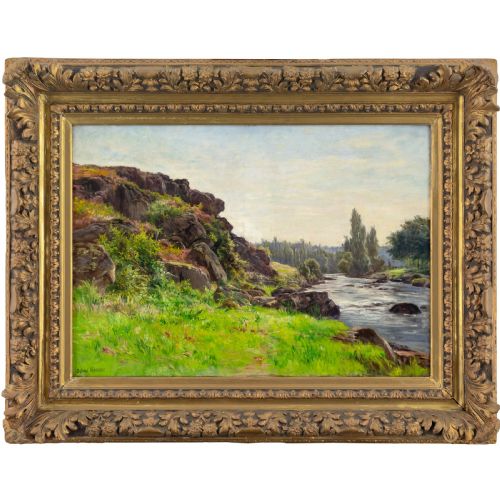
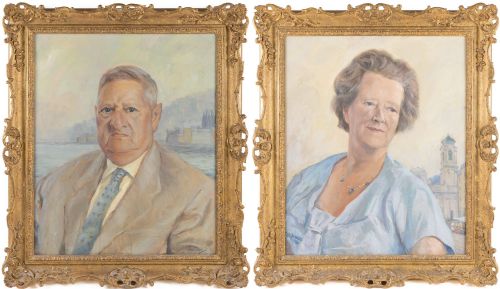
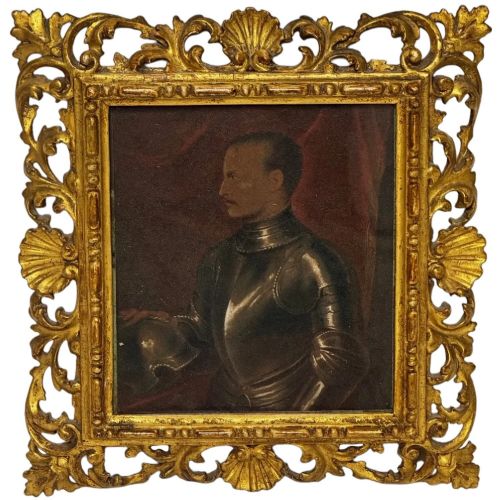
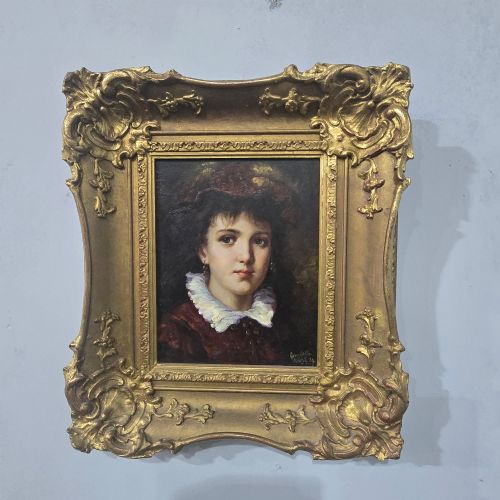
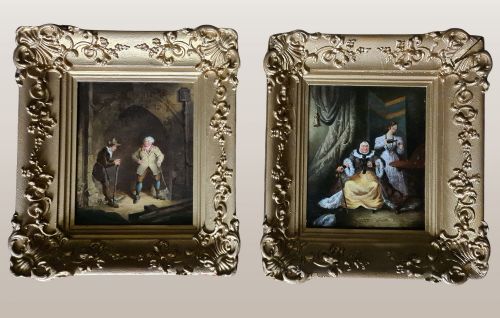
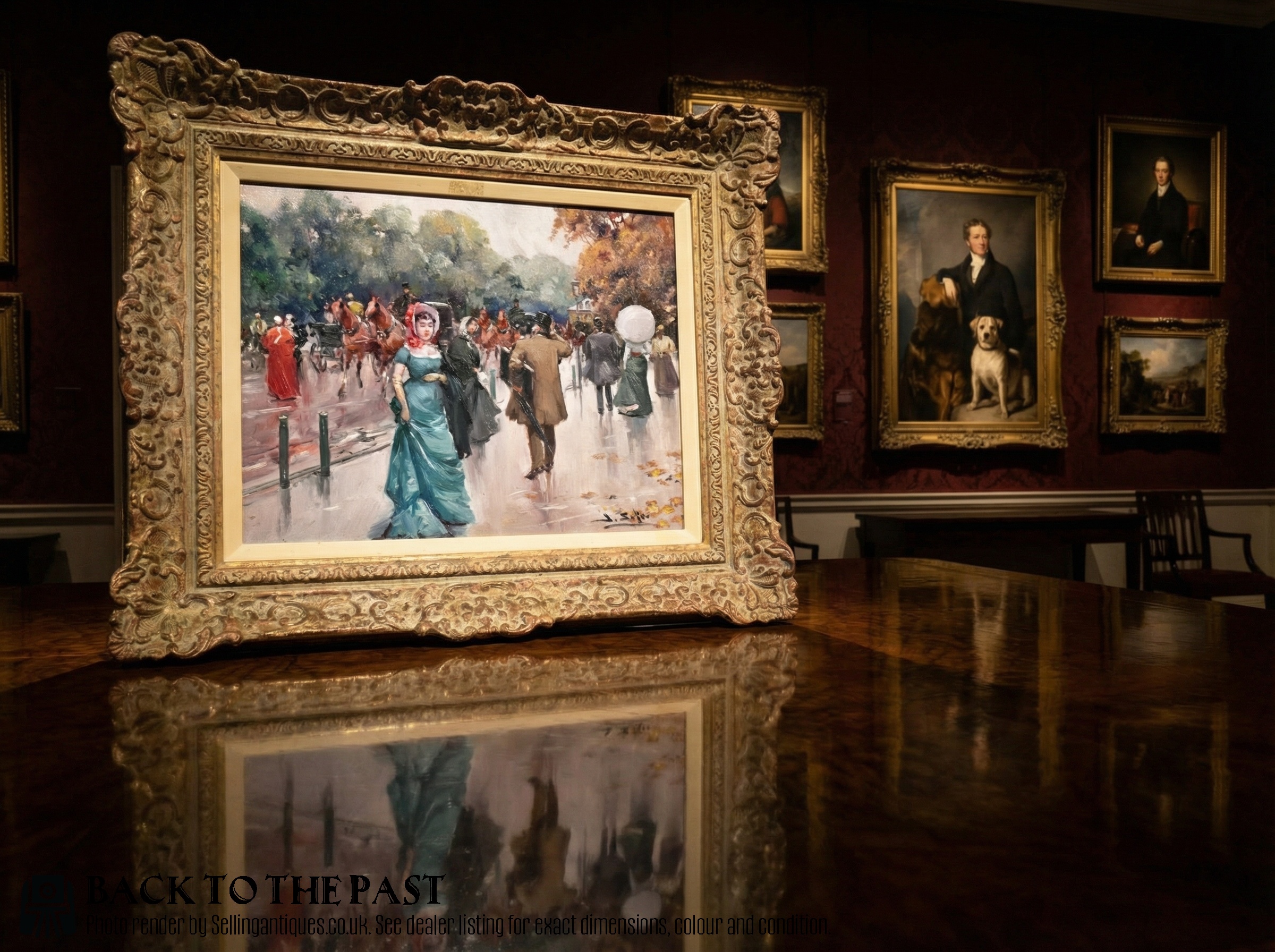
Ornate framed artwork comprises historic oil paintings, portraits, and landscapes housed in substantial giltwood, gesso, and carved wooden housings.
Ornate Framed Artwork
When you search for ornate framed artwork, you encounter a diverse selection of oil paintings, prints, and pastels originating from the nineteenth century up to the mid twentieth century. These objects combine historical pictorial subjects - ranging from Scottish landscapes and floral still lifes to classical portraiture - with elaborate decorative surrounds that complement the canvas.
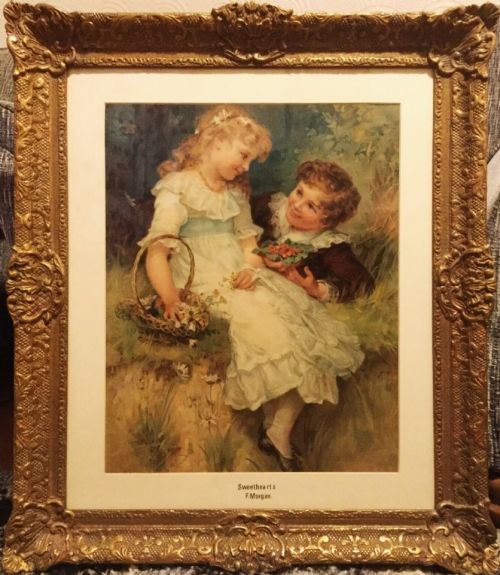
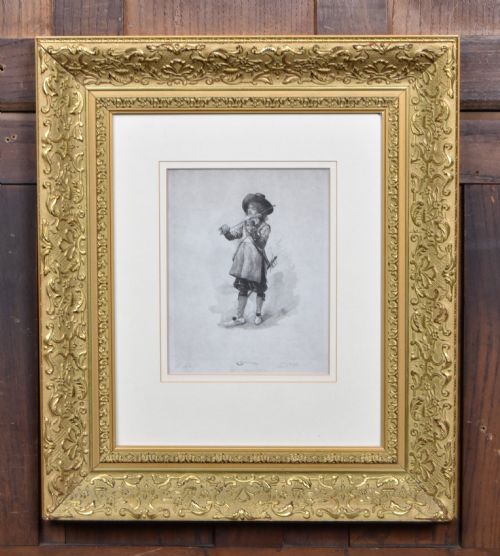
The most common examples on this page are nineteenth-century oil on canvas works, often set within heavy gilt gesso or carved wooden frames influenced by styles such as Rococo Revival, Victorian tastes, and Dutch Golden Age traditions. Alongside original paintings, the selection includes period prints and oleographs presented in matching decorative housings.
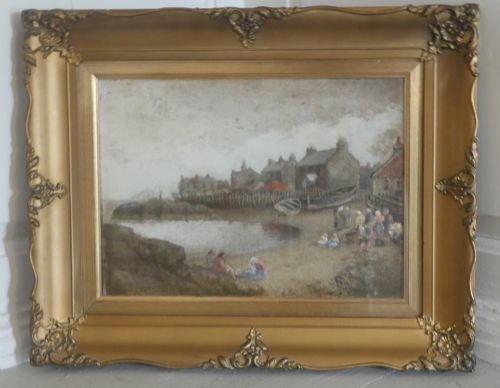
Originating across Britain, France, Italy, and the Netherlands, these works reflect diverse regional schools of painting. A buyer finds both intimate domestic scenes and expansive cityscapes or harbour views, each retaining its period framing.
How they were made
The construction of these pieces relies on traditional painterly techniques applied to canvas, wood panels, or paper supports using oil paint, pastel, or print processes. Canvases are stretched across wooden frames before artists apply layers of pigment, while panels provide rigid supports for detailed Dutch style still lifes and portraits.
The accompanying frames are constructed from timber bases finished with gesso - a mixture of plaster of Paris or chalk and glue - which is moulded or carved into intricate scrollwork and floral motifs. Artisans then apply gold leaf or liquid gilding to the gesso surface to achieve a brilliant metallic sheen that catches ambient light.
Listings feature oil paintings, gesso frames, and canvas supports spanning the nineteenth century up to the mid twentieth century.
What varies in quality
The quality of ornate framed artwork depends primarily on the skill of the artist and the depth of detail present in both the brushwork and the frame's moulding. Finer paintings demonstrate subtle tonal control, anatomical accuracy in figures or animals, and confident composition, whereas lesser examples rely on formulaic repetition and flat planes of colour.
In the housing, superior pieces feature hand-carved wooden ornament or crisp, deeply undercut gesso mouldings that retain sharp relief without chipping. Lower quality items often display mass-produced composition ornament with filled-in details, worn gilding, or structural separation between the canvas and its border.
Eugène Verboeckhoven·William Beattie-Brown·William Howard Hardy·Oliver Clare·Gabriel Mathieu·John Horace Hooper·James Hamilton·Edgar Hunt·Abraham Cooper·William Watson Jnr·David Teniers The Younger·Renato Moretti·Jacob Akkersdijk·Delapoer Downing·Vernon DeBeauvoir Ward·William Henry Williamson
The Ornate Framed Artwork Glossary
- Gesso
- A traditional preparation mixture consisting of a binder mixed with chalk, gypsum, or pigment, applied to wood substrates to create a smooth surface for gilding and ornamentation. Artisans sculpt this material to form high-relief decorative mouldings on picture frames.
- Giltwood
- Timber that has been coated with thin layers of gold leaf or gold dust using a size adhesive. This finish provides the characteristic metallic warmth seen on nineteenth-century frames.
- Oleograph
- A mechanical print on canvas that simulates an oil painting through the application of textured varnishes and lithographic inks. These were frequently produced in the nineteenth and twentieth centuries to imitate original fine art.
- Impressionism
- An art movement characterised by relatively small, thin, yet visible brush strokes and an emphasis on accurate depiction of light in its changing qualities. Works in this style often capture transient urban or rural moments.
- Rococo Revival
- A nineteenth-century design style that revives the asymmetrical scrolls, C-curves, and naturalistic shell motifs of the eighteenth-century French Rococo movement. Frames from this period exhibit exuberant, curving ornamentation.
Ornate Framed Artwork: Frequently Asked Questions
How do I clean an antique gilt frame?
Dust the ornate mouldings gently using a very soft, dry brush or a clean feather duster to prevent particulate accumulation in the carved recesses.
Avoid using water, liquid cleaners, or chemical solvents, as these substances dissolve historic water-gilding and damage the underlying gesso.
Can I reframe an old oil painting?
Changing the frame is generally discouraged because period paintings and their original surrounds are historically and aesthetically linked.
If reframing is necessary for structural support, ensure the replacement housing matches the correct period style and proportions of the canvas.
How do I identify a gesso frame?
Examine the decorative motifs closely with a magnifying glass to check for the crisp edges and matte texture typical of chalk and glue preparation.
Genuine antique gesso feels chalky beneath minor losses and shows distinct layers where the gold leaf meets the moulded base.
Where should I hang heavy framed art?
Mount heavy giltwood and oil paintings directly into wall studs or utilise heavy-duty picture hooks rated for the specific weight of the object.
Position the artwork away from direct sunlight and heat sources to protect both the canvas pigments and the wooden frame joints.