




Antique Woodland Painting
An antique woodland painting brings the quiet shelter of old trees and shaded streams straight into a room.
Antique Woodland Painting
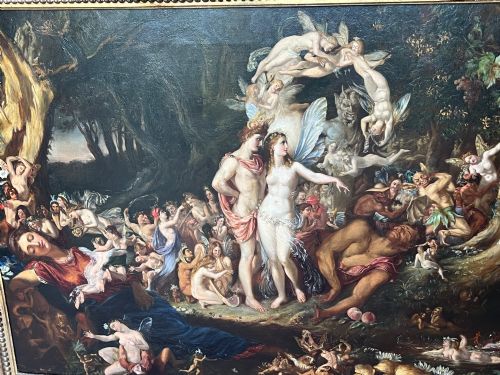
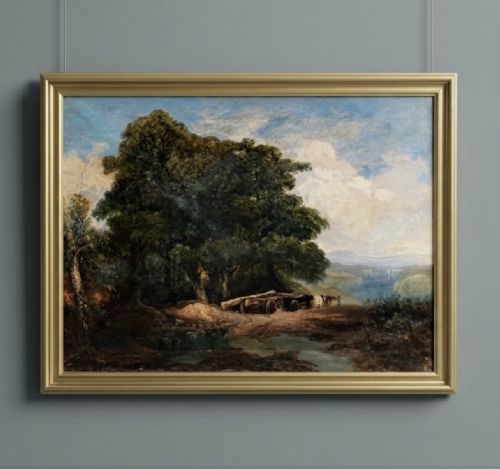
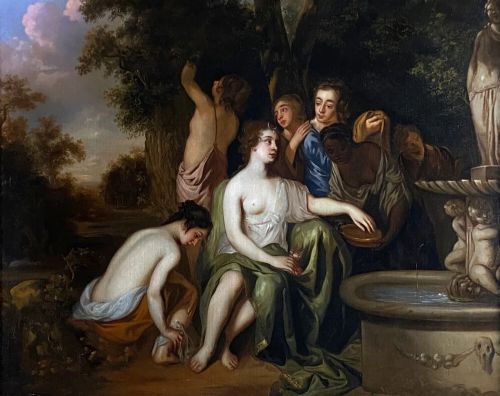
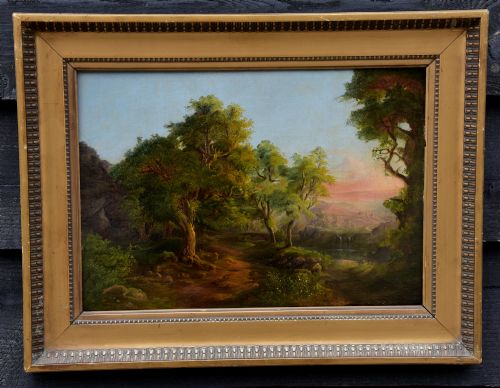
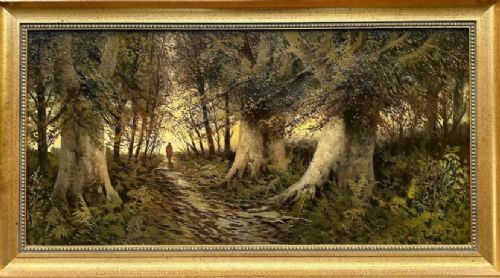
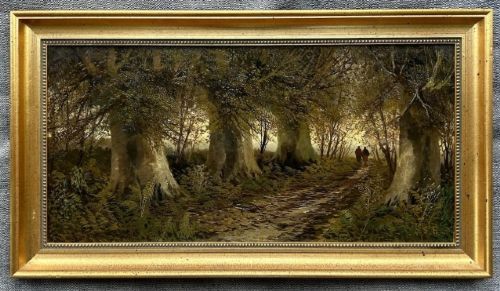
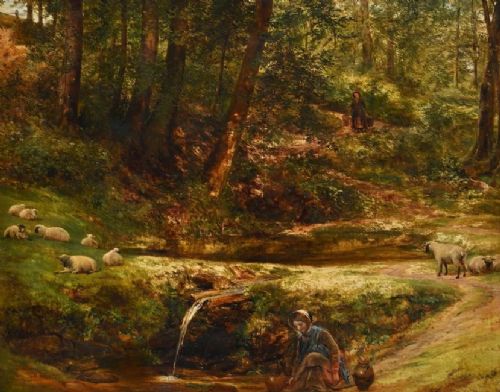
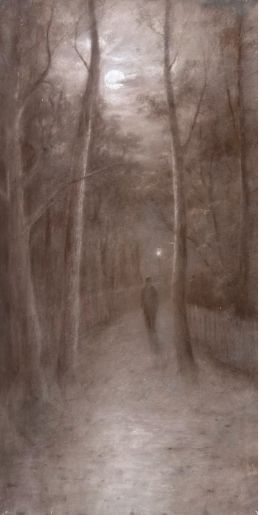
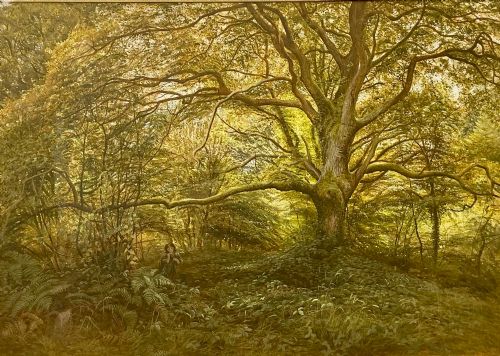
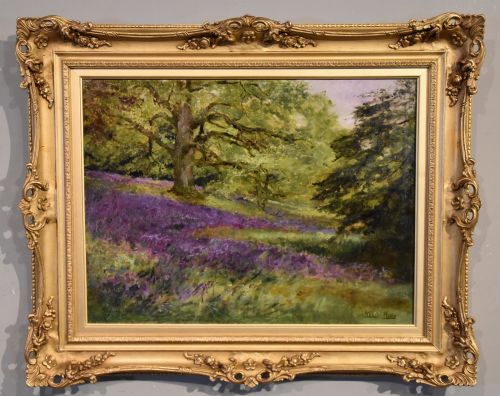
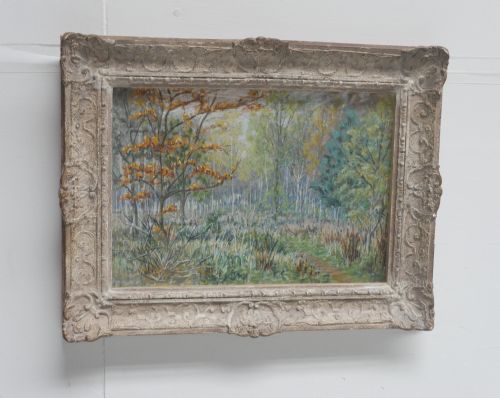
An antique woodland painting captures scenes of forests, glades, and shaded rivers from the seventeenth century onwards, with nineteenth-century Victorian works forming the largest group available. These pieces range from intimate watercolour sketches on paper to large oil paintings on canvas depicting cattle, figures, or quiet paths beneath autumn branches.
The subjects often blend landscape tradition with pastoral narrative, showing figures gathering firewood, cattle resting by streams, or sunlit clearings framed by mature oaks and birches. Buyers encounter both signed works by known nineteenth-century British and European landscape artists and atmospheric anonymous paintings from regional schools.
How they were made
Artists painted primarily with oil on stretched canvas, oil on wood panels or boards, and transparent watercolours on paper. Canvases were often prepared with gesso grounds before painters applied rich layers of oil paint to build depth in foliage and shadow.
Watercolour works utilise washes on paper to capture the filtered light of a canopy, while charcoal and pastel appear in select transitional drawings. Frames of carved wood and gesso complete the construction, preserving the paintings through centuries.
Listings feature works from the seventeenth century through to the post-war period, executed in oil, watercolour, charcoal, and pastel.
What varies in quality
Quality rests in the handling of light through a dense canopy and the natural rhythm of branch and trunk forms. Skilled painters render the subtle shifts between sunlit clearings and deep shadows with varied brushwork, whereas lesser works rely on rigid repetition and flat greens.
The strength of the composition and the accurate rendering of atmospheric perspective separate ambitious gallery pieces from standard decorative landscapes. Original framing and clear artist attribution also elevate the standing of a canvas.
Sir Joseph Noel Paton·Richard Sebastian Bond·William H Myers·Sir Peter Lely·Thomas W Lascelles·Richard Redgrave·Paul Desire Trouillebert·Henry Yeen King·Arthur Herbert Rigg·Thomas Bromley Blacklock·William Hoggatt·Thomas Edward Roberts·James Mallard Bromley·Clarence Henry Roe·David Watts·William Mellor·Alfred Grey·Henri Joseph Harpignies·John Wright Oakes·Walter Follen Bishop·James Proudfoot·Rowland Henry Hill·Edmund George Warren·Abraham Hulk Jnr·Alfred W Parsons
The Antique Woodland Painting Glossary
- Canvas
- A heavy woven fabric stretched across a wooden frame to serve as a support for oil paint. It provides a flexible and durable surface that holds rich layers of pigment.
- Gesso
- A plaster mixture applied to wood panels or canvas to prepare a smooth surface for painting. This ground seals the support and enhances the luminosity of the colours applied above it.
- Barbizon School
- A nineteenth-century French movement of painters who focused on direct observation of nature and forest interiors. These artists worked outdoors to capture realistic woodland light and shadow.
- Watercolour
- A painting method where fine pigments are suspended in a water-soluble binder on paper. It allows for translucent washes that suit delicate depictions of dappled woodland light.
Antique Woodland Painting: Frequently Asked Questions
How do I date an antique woodland painting?
Dating relies on examining the stretcher frames, canvas type, pigment composition, and the stylistic conventions of the brushwork. Nineteenth-century works often bear signatures, exhibition labels, or framer stamps that narrow down the decade of creation.
Secondary clues include the clothing of any figures in the scene and the preparation layers visible on the reverse of the canvas or panel. Comparing the handling of foliage with dated examples by the same school offers further confirmation.
Where should I hang a woodland oil painting?
These works suit rooms with controlled ambient light, away from direct sunlight that can fade watercolours and discolour old varnish layers. Placing them above a mantelpiece or on a panelled wall allows the dark greens and earthy browns to anchor the room's decor.
Ensure the hanging wall remains free from dampness and extreme temperature fluctuations to protect the wooden stretcher frames and canvas. Proper picture wire and wall anchors keep heavier gilt frames secure.
What is the Barbizon style in these paintings?
The Barbizon style reflects a nineteenth-century shift toward painting forests and rural landscapes from direct observation rather than in a studio. Artists embraced naturalism, focusing on the honest textures of tree trunks and the damp floor of the forest.
This approach rejected rigid classical compositions in favour of moody atmospheres, muted earthy palettes, and visible brushstrokes that celebrate the quiet majesty of untamed woodlands.