

Antique Scottish Artwork
Antique scottish artwork brings the hills, lochs, and notable figures of the north into focus through centuries of oils and watercolours.

Antique Scottish Artwork
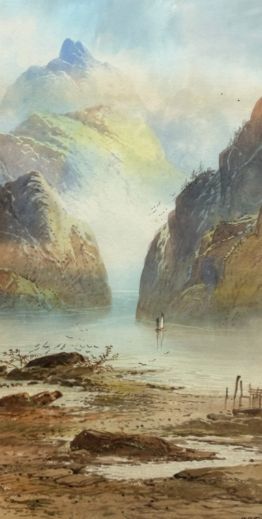
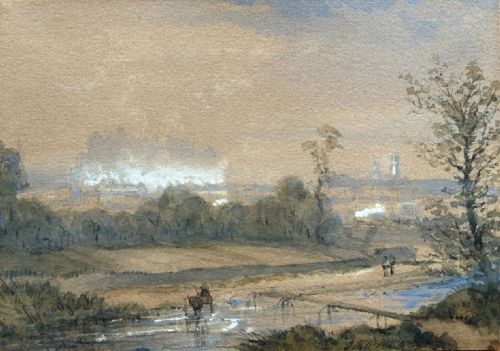
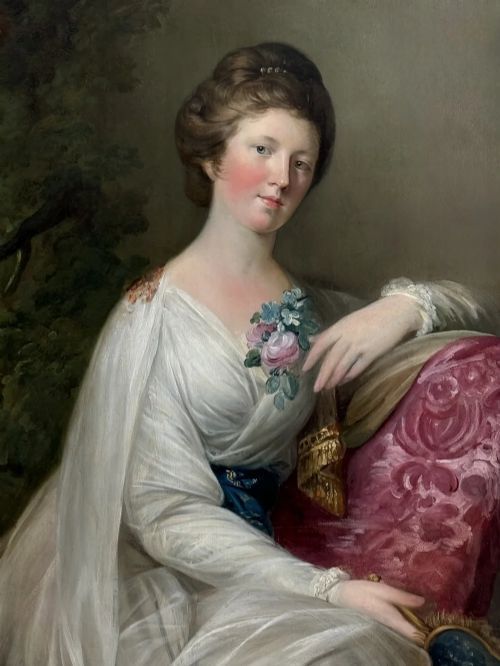
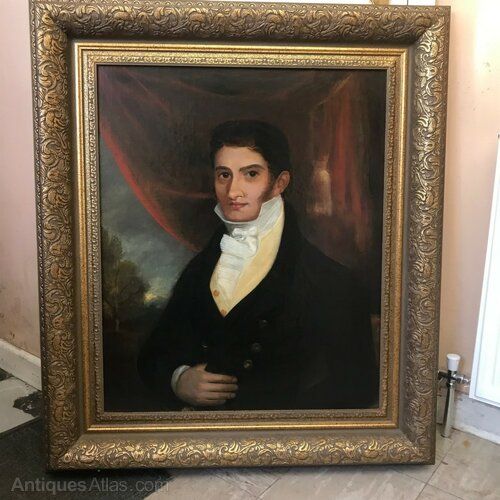
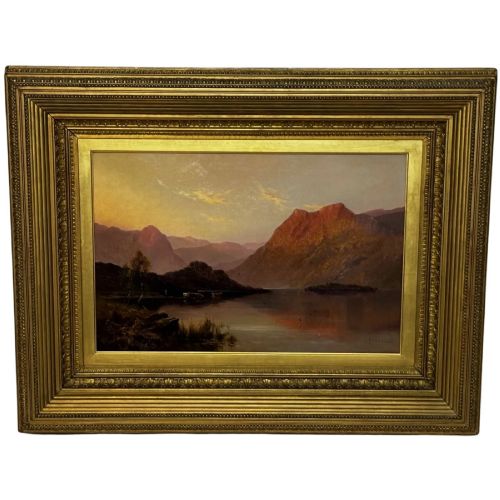
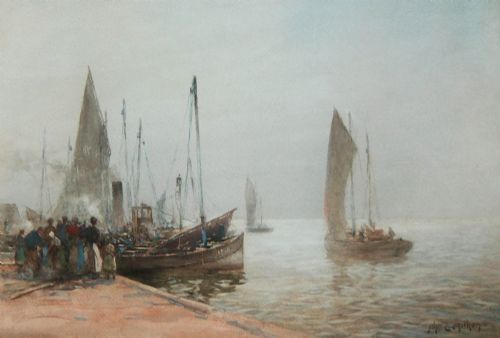
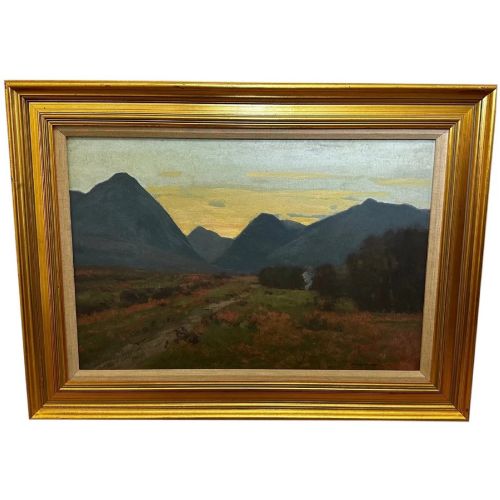
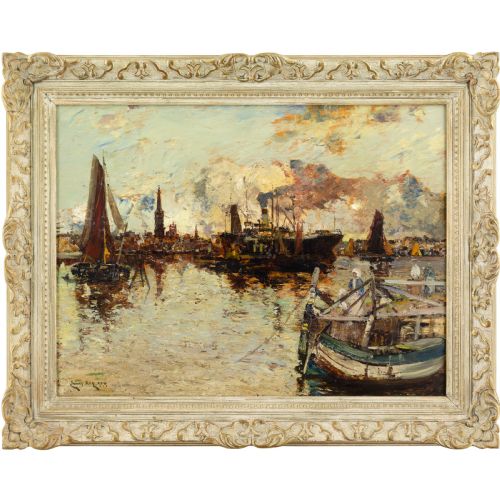
When buyers search for antique scottish artwork, they encounter a rich selection of oil paintings and watercolours that capture landscapes, coastal views, and portraits.
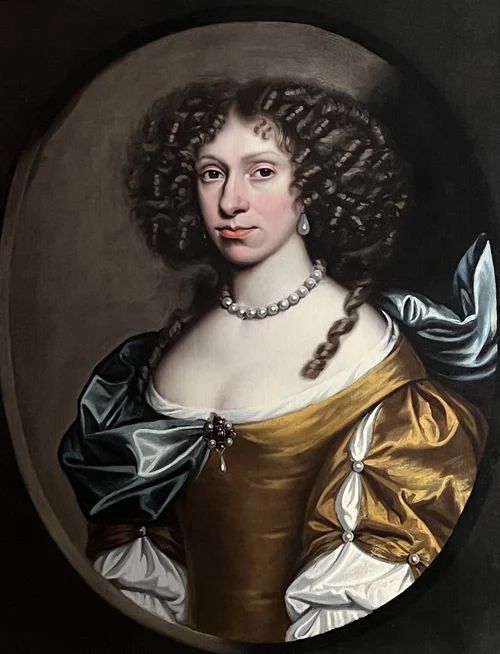
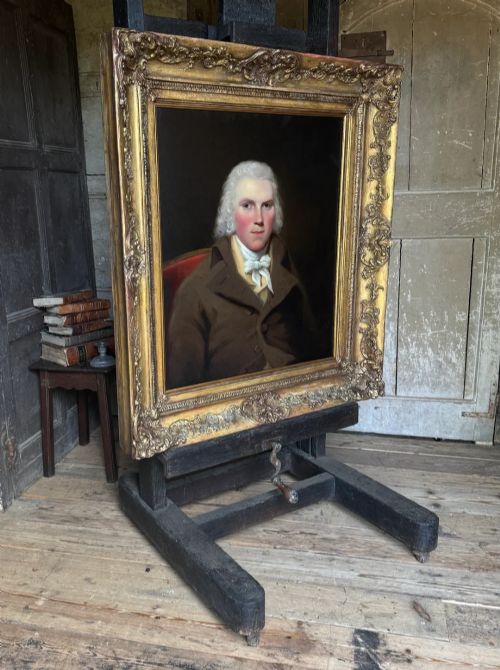
The pieces on this page span several eras, moving from formal eighteenth-century portraits by the Scottish School to nineteenth-century romantic Highland scenes.
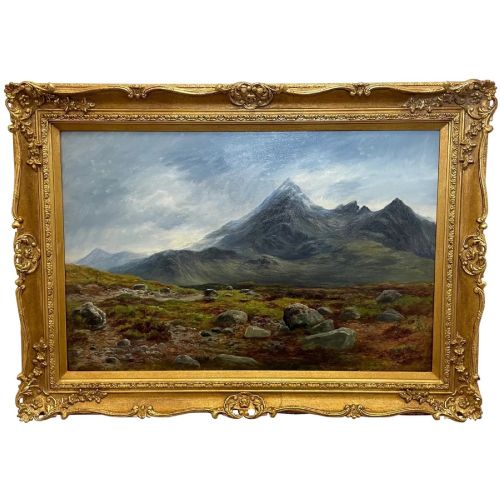
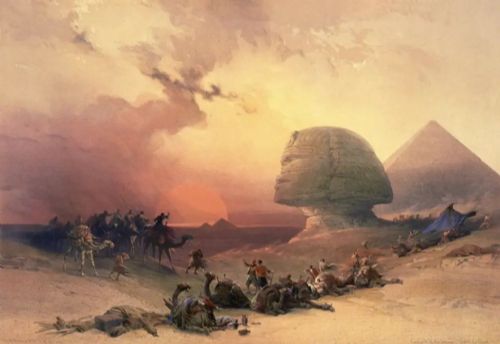
Most common among these listings are landscape paintings on canvas and wood panel depicting sheep, cattle, and familiar Scottish terrain under varied light.
How They Were Made
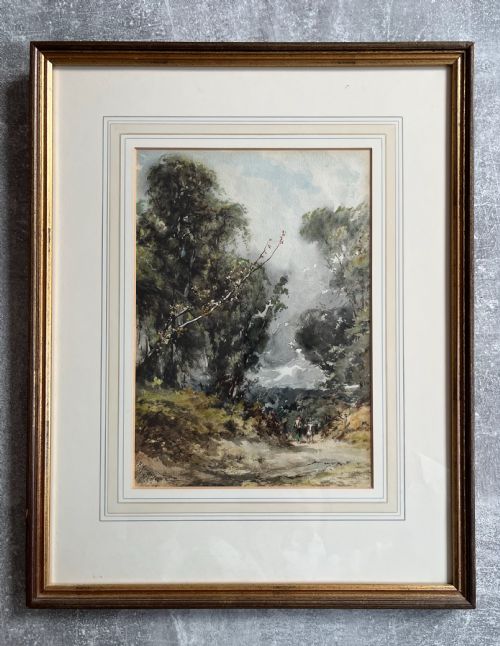
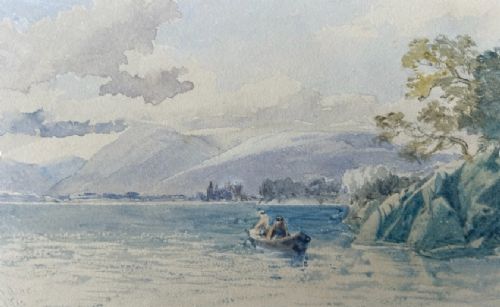
Artists built these compositions primarily using oil paint on canvas or wood panel, as well as watercolour pigments applied to paper.
Frames often complement the paintings through traditional craftsmanship, utilising giltwood and gesso to accent the visual depth of the artwork.
Antique Scottish Artwork Retail Price Guide 2026
Typical asking prices for scottish artwork among the pieces listed under this phrase on Sellingantiques today, from the lower quarter to the upper quarter. They describe what is for sale here now, not the wider market.
Subject matter ranges from formal portraits of historical individuals to tranquil Highland scenes populated by sheep and cattle.
What Varies in Quality
Quality rests upon the artist's handling of light and atmospheric perspective, distinguishing masterly landscape studies from standard topographical records.
The preservation of the original pigment and the integrity of the canvas or paper surface also determine the standing of each piece.
DAVID SCOUGALL·GEORGE WILLISON·Tom Campbell·James Kay RSW·George Watson
The Antique Scottish Artwork Glossary
- Gesso
- A plaster-like mixture applied to frames or panels as a base for paint or gilding. It provides a smooth surface for ornate decorative work.
- Oil on Canvas
- Pigment mixed with drying oils applied to stretched fabric. This medium allows for rich blending and textured brushwork.
- Watercolour
- Paint consisting of colour pigments suspended in a water-soluble vehicle. It is typically used on paper to create translucent washes.
- Scottish School
- A term grouping artists connected by training, nationality, or subject matter. It reflects distinct regional traditions in British art.
Antique Scottish Artwork: Frequently Asked Questions
What subjects appear in antique Scottish artwork?
The works primarily feature dramatic Highland landscapes, coastal scenes, and formal portraits of historical figures. Many compositions highlight cattle, sheep, and recognizable lochs.
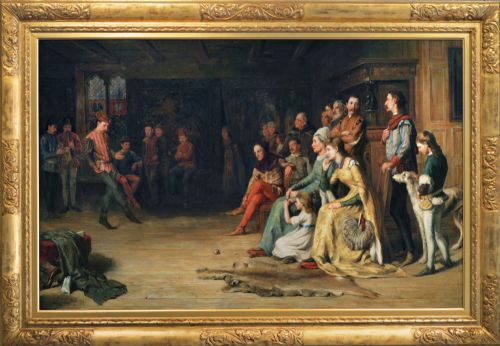
Artists also recorded genre historical scenes and intimate botanical or bird studies. These diverse subjects reflect the changing artistic interests across the eighteenth and nineteenth centuries.
How do I identify a nineteenth-century Scottish landscape?
Nineteenth-century pieces often showcase romantic depictions of rugged terrain, dramatic weather, and pastoral life with livestock. Painters frequently signed their works and recorded specific locations like Loch Lomond or Arran.
The framing and canvas type also offer clues to the period of origin. Many retain nineteenth-century giltwood frames that match the aesthetic of the painting.
Are watercolours as durable as oil paintings?
Watercolours on paper require careful protection from direct sunlight to prevent fading. They are traditionally displayed under glass with suitable mount boards.
Oil paintings on canvas or wood panel tend to be more robust, though they still benefit from stable indoor environments free from excessive humidity.
What is the Scottish School?
The Scottish School refers to generations of painters who lived, worked, or trained in Scotland. Their output shares regional stylistic traits and a deep connection to local topography.
Pieces attributed to this school range from early portraits to later impressionistic views of the countryside. They provide a visual record of Scotland's artistic heritage.