
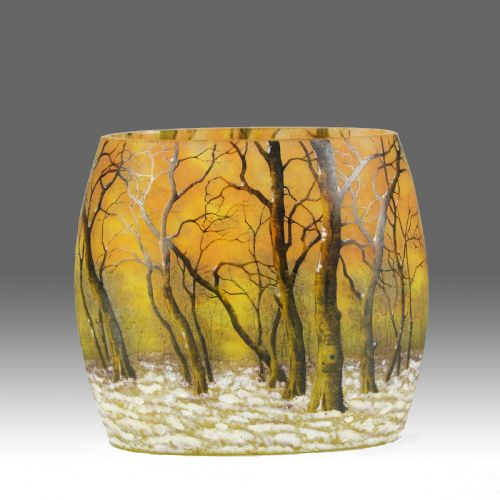


Antique Winter Landscape
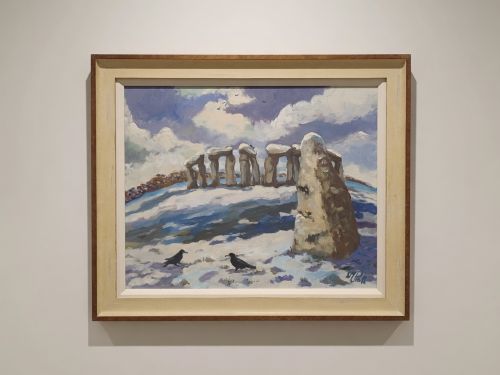
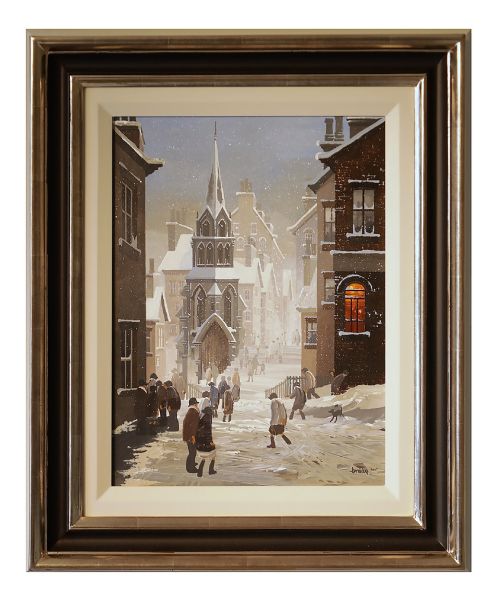
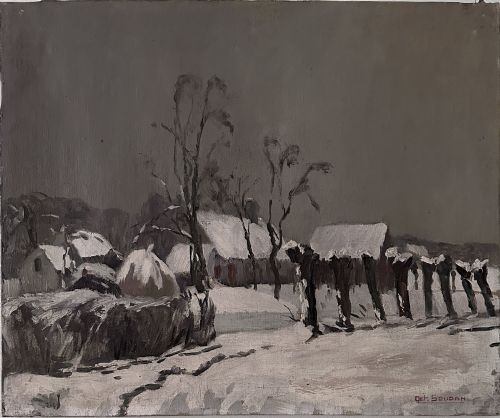
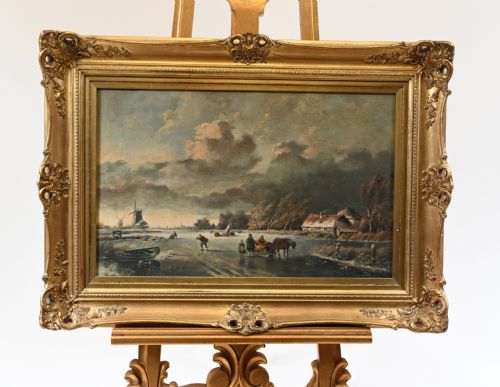
When you encounter an antique winter landscape, you look at a frozen scene rendered in paint or glass that captures the chill of the season.
Antique Winter Landscape
You will also find decorative glassware, such as cameo glass vases and table lamps from the early twentieth century, which translate the snowy motif into three dimensions. The periods span the nineteenth century through the mid-twentieth century, embracing Victorian, Edwardian, and mid-century aesthetics.
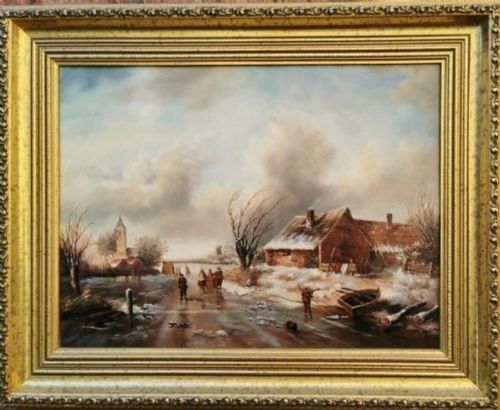
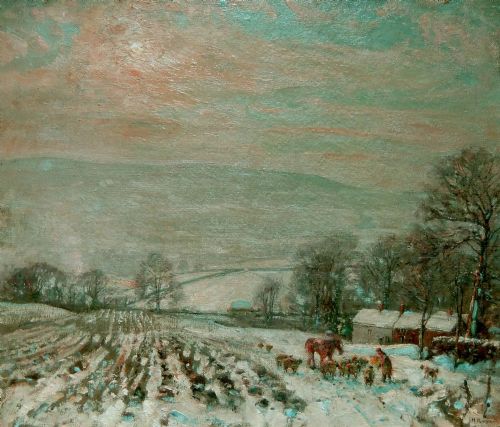
Dutch school influences and British regional scenes dominate the pictorial works, offering views of frozen lakes, snow-covered cottages, and livestock in wintry pastures. These pieces capture a distinct historical relationship with the colder months before the era of central heating.
Materials and Technique
The oil paintings utilise heavy brushwork and impasto layers of oil paint on canvas, wood panel, or card to build up the texture of deep snow drifts. Artists mixed muted palettes of greys, crisp whites, and earthy browns, often accented by the warm glow of a winter sunset or a lit cottage window.
Watercolour works on paper employ fluid washes and delicate pen or gouache detailing to suggest the atmospheric haze of falling snow and damp winter air. Glass items utilise acid-etching and enamel painting techniques on multi-layered cameo glass to achieve the frosted, opaque look of winter landscapes.
Several pieces capture hunting hounds and stagecoaches braving sudden snowstorms, proving that British winter weather disrupted travel just as thoroughly a century ago.
Evaluating Execution and Atmosphere
The distinction between ordinary and superior pieces rests entirely upon the artist's handling of light and atmospheric depth within the snowy environment. Stronger examples convey the biting chill and specific quality of winter daylight through nuanced colour mixing and confident brushwork, rather than relying on standard formulas for white paint.
Compositional balance and the integration of figures - such as skaters, travellers, or livestock - elevate a piece from a generic seasonal record to a compelling work of art. In glassware, the depth of the acid-cut layers and the precision of the enamel detailing dictate the finesse of the finished winter scene.
Herbert Royle·John Charles Maggs·William Tatton Winter·Daum Frerès·Charles Jones
The Antique Winter Landscape Glossary
- Impasto
- Paint applied thickly to a canvas or panel, standing out from the surface so that the marks of the brush or palette knife remain visible. This technique is frequently utilised in winter scenes to give physical height and texture to drifts of snow.
- Cameo glass
- A form of art glass produced by fusing layers of different colours together and then carving or acid-etching away parts of the exterior layer to create a design in relief. Makers applied this method to wrap vases and lamps in wintry motifs.
- Watercolour
- A painting method in which the paints are made of pigments suspended in a water-soluble vehicle, typically applied to paper. It offers transparent washes that suit the pale, muted light of a winter sky.
- Gouache
- An opaque water-based paint that includes a white pigment added to the watercolour base to create a heavier, solid finish. Artists use it to add stark, opaque highlights of fresh snow to paper works.
Antique Winter Landscape: Frequently Asked Questions
What subjects appear in these winter scenes?
The subjects range from coaching inns and stagecoaches navigating snowstorms to quiet Yorkshire dales and frozen Dutch lakes filled with skaters. You also find farm buildings, sheep droving, and pastoral village lanes blanketed in snow.
Rural and domestic winter life forms the core of the imagery, reflecting how artists recorded the seasonal changes in the countryside.
What is cameo glass?
Cameo glass is a luxury form of glassware created by fusing two or more distinct layers of coloured glass together. Artisans then carve away the outer layer by hand or with acid to leave a raised design standing out against a contrasting background.
In the context of winter scenes, this technique allows makers to render frosted trees and snowy landscapes in opaque white relief over a coloured glass body.
How can I tell the period of a painting?
Dating relies on a combination of signature styles, framing methods, the material support, and any documented history or artist exhibition records. Canvas types, stretcher frame construction, and handwritten inscriptions on the reverse of the work provide further chronological clues.
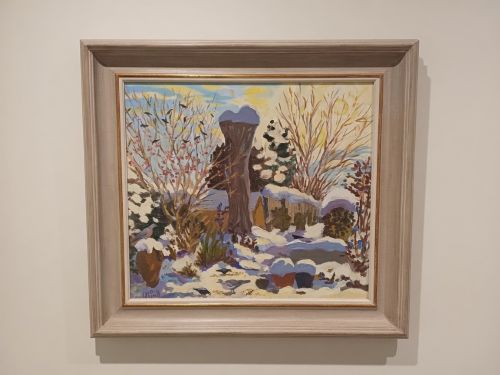
Stylistic shifts also help, as nineteenth-century works often favour romanticised Dutch or British pastoral traditions, while mid-century pieces lean towards looser, semi-abstract interpretations.